Limino - Adaptive Blending Toolkit for Mixed Reality
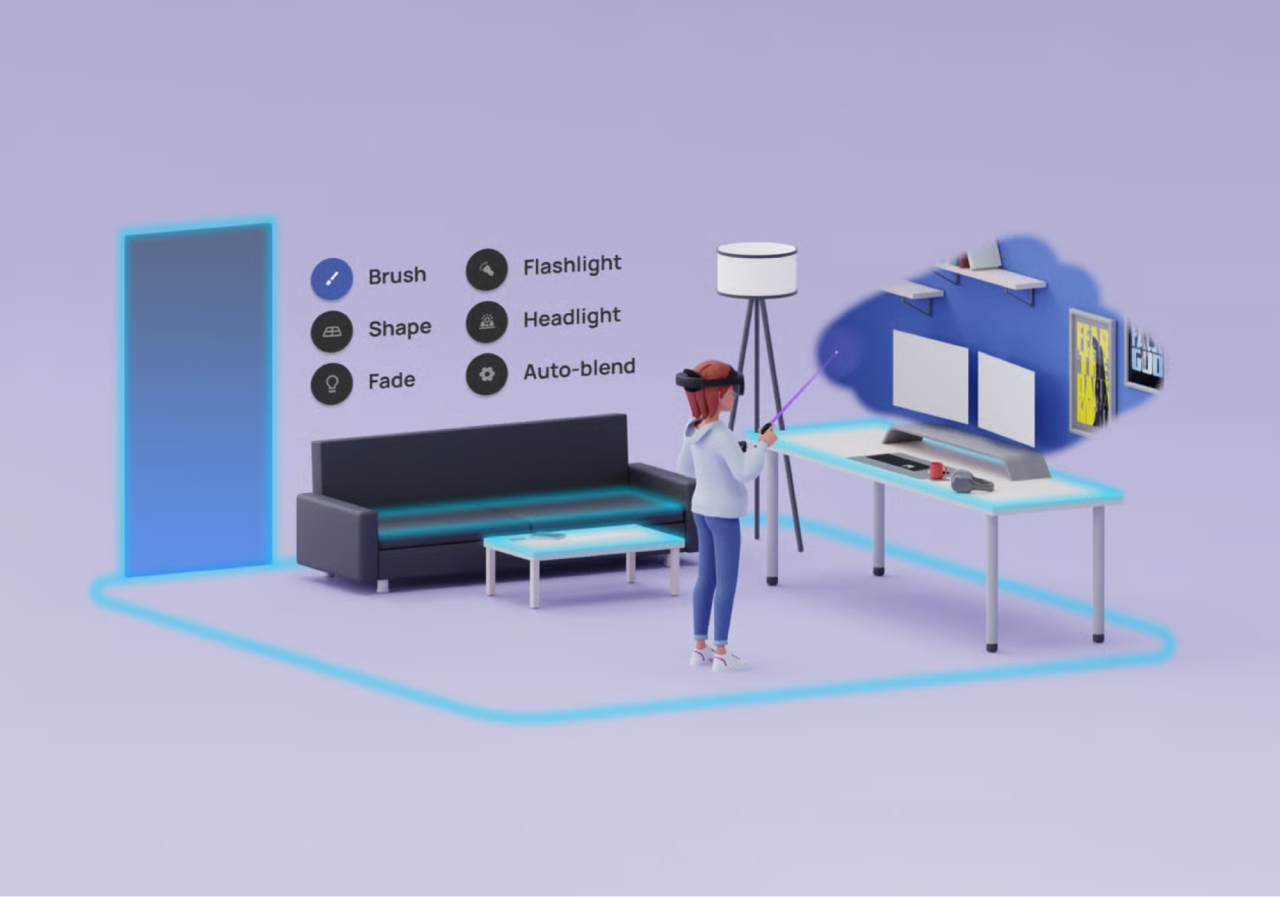
Limino is an interaction design toolkit that transforms Mixed Reality from static, one‑size‑fits‑all immersion into...
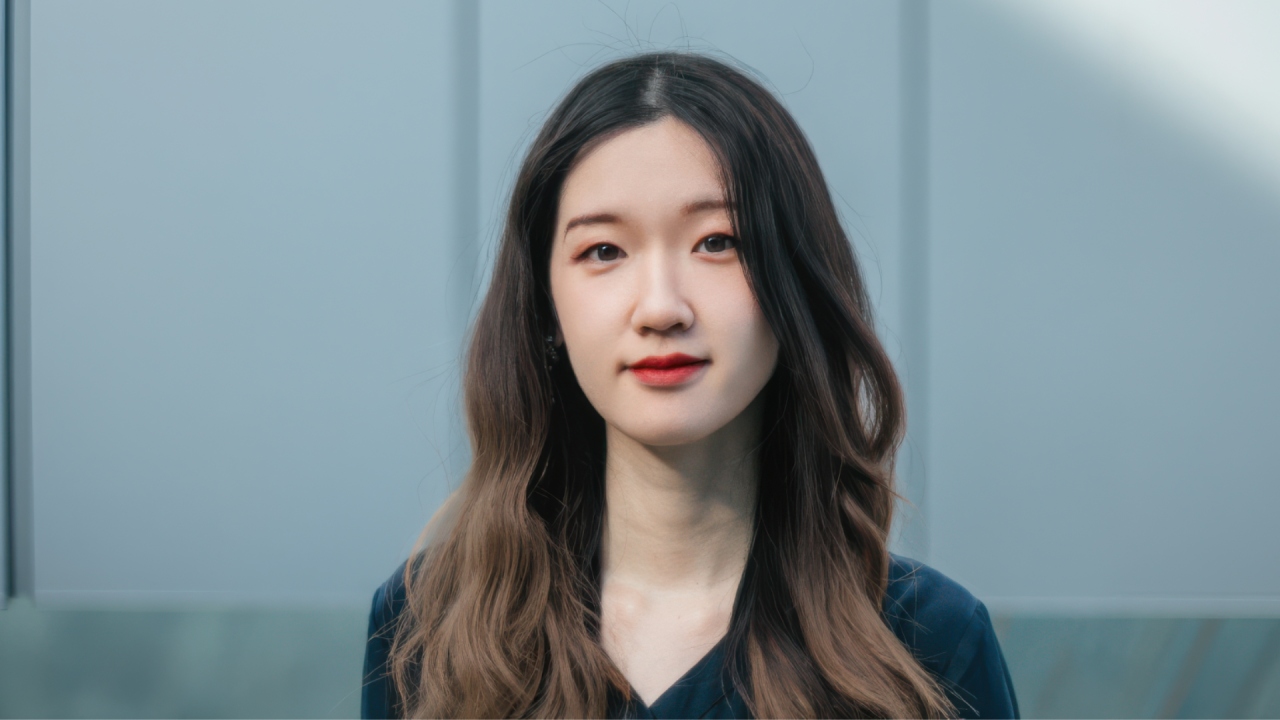
Qianyi Chen approaches design as a way to question future possibilities through thoughtful experimentation and immersive technology. Through projects involving XR, AI, and spatial design, Chen creates experiences that invite people to engage with ideas beyond imagination alone.
Thanks! I'm a product designer and design technologist with five years of experience. With a background in media arts and design, I've developed a passion for using emerging technologies like XR and AI as a lens to speculate about the future and provoke thoughtful conversation. My work spans a broad range of topics — future of work, social dynamics, cultural identity, accessibility, and more.
What draws me to design is that it lets you ask "what if" seriously, with rigor and craft behind it. I also believe design has a unique power to make a vision tangible, which is to take something abstract and let people actually see and feel it, not just imagine it.
It means the problem we identified resonated with people outside the spatial computing bubble.
It also means that a toolkit, something more infrastructural than a finished product, can have real value to a broader audience. That's meaningful to me, because a lot of the most important design work happens at that layer: not the experience itself, but the vocabulary that makes new experiences possible.
It opened conversations with people working across XR platforms that I wouldn't have had otherwise. There's growing interest in spatial computing right now, but not enough of it is focused on the interaction layer and the human factors underneath. The award has given Limino a platform to contribute to that conversation more visibly, and hopefully push it in a more grounded, user-centered direction.
It's a really important part. When I was working through Limino's interaction patterns, we did a lot of Wizard of Oz prototyping to simulate what blended environments would look and feel like under different scenarios. That hands-on testing shaped a lot of the details.
For example, we initially focused heavily on manual, user-initiated customization, but through experimentation we realized context-aware triggers were just as essential. That insight didn't come from reasoning about it; it came from watching people actually navigate the transitions.
For Limino, we drew a lot from sci-fi films, architecture, and even theme parks. Even though we were designing digital experiences, the spatial design principles turned out to overlap significantly, such as how you guide someone through a threshold, how an environment signals a shift in context, how a space can feel responsive without being intrusive. Physical and virtual space have more in common than people assume.
Navigating ambiguity is an important part of the process. I almost never start with a clear idea. I start with a question, or a vague direction, and let research and prototyping sharpen it over time.
Sometimes I pivot entirely. I think of it less like executing a plan and more like shaping clay: the material pushes back, and the final form emerges from that dialogue. I know some designers work the other way, but for me, the insight has to come before the idea can solidify.
I try to move the conversation from preferences to principles early. With something as novel as MR interaction design, there's often no existing benchmark to default to, which can be disorienting for stakeholders. My approach is to anchor decisions in user behavior and safety outcomes rather than aesthetic choices. This shared frame makes it easier to advocate for something unconventional when the evidence supports it.
The hardest challenge was designing blending behaviors that felt natural across wildly different task contexts. Different user types and environment types all have different thresholds for when the virtual layer should yield to physical reality.
We overcame it by abstracting the system into composable primitives rather than prescribing specific behaviors. Limino gives designers and developers the building blocks to define those thresholds themselves, which meant we weren't designing one experience, we were designing a vocabulary for many.
I like the bakery as a way to recharge. It's a funny contrast to design. Baking demands that you follow the recipe precisely, or things fall apart, whereas design thrives on breaking rules (or at least reimagine them). But there's also creative room in the decoration, the colors, and the form. I find that constraint actually relaxing. It gives my brain a different kind of problem to solve, and I usually come back to design work feeling clearer.
A core belief I bring to everything is that design should be human-centered, at least when it is designed for humans. As AI and automation take on more of the decision-making, it's easy for systems to drift toward sidelining the person entirely. I push back against that. The role of the human may shift, from direct operator to collaborator to curator, but their presence, judgment, and agency should always be preserved and respected.
That value shows up directly in Limino. Rather than letting the system decide unilaterally when to blend or separate realities, we designed it so that users and developers could define those thresholds themselves. The system is adaptive, but the human is always the author of that adaptation.
Work on problems that don't have obvious solutions yet. It's tempting to optimize existing patterns and that skill matters, but the most interesting design work happens at the edges of what's established. Mixed Reality interaction design is one of those edges. Also, learn to write clearly. The ability to articulate why a design decision was made to someone who wasn't in the room is a skill that compounds and separates designers who lead from those who execute.
Steve Jobs! While he was more of a product visionary than a designer by title, his influence on how we think about the relationship between technology and human experience is hard to overstate. What's always struck me about him is his clarity of vision. He had an extraordinary ability to see where technology should go, not just where it could go.
His quote that the computer is "the bicycle for the mind" has always been deeply inspiring to me: the idea that technology should amplify human capability rather than replace or overwhelm it. That philosophy feels directly relevant to Limino, which is fundamentally about making complex, adaptive systems feel effortless rather than intrusive.
I'd want to collaborate with him to understand how he held that vision with such conviction — how he decided when technology should be invisible, and how he defended that in rooms full of people who wanted to show off what it could do.
"What do you want people to think about their relationship with technology when they use your work?"
Because most design conversations focus more on functionality, and I think the more interesting question is what a product says about the dynamic between humans and the tools they use.
With Limino specifically, I want people to feel like technology understands them, in the way a well-designed space makes you feel at ease without you being able to articulate exactly why. The goal was that ambient quality of responsiveness: the environment notices what you need and adjusts, without demanding your attention to do it. When that works, it doesn't feel like a feature. It just feels right.
And I hope that leaves people with a different sense of what their relationship with technology could be, one that feels more like a quiet, attentive collaborator than a tool you operate or a system that operates you.
Explore how Sophia Lampropoulou Examines How People Naturally Engage with Objects by clicking this link here.