Family Proposal Wall
Family Proposal Wall is a participatory relational design system that transforms everyday family communication into...
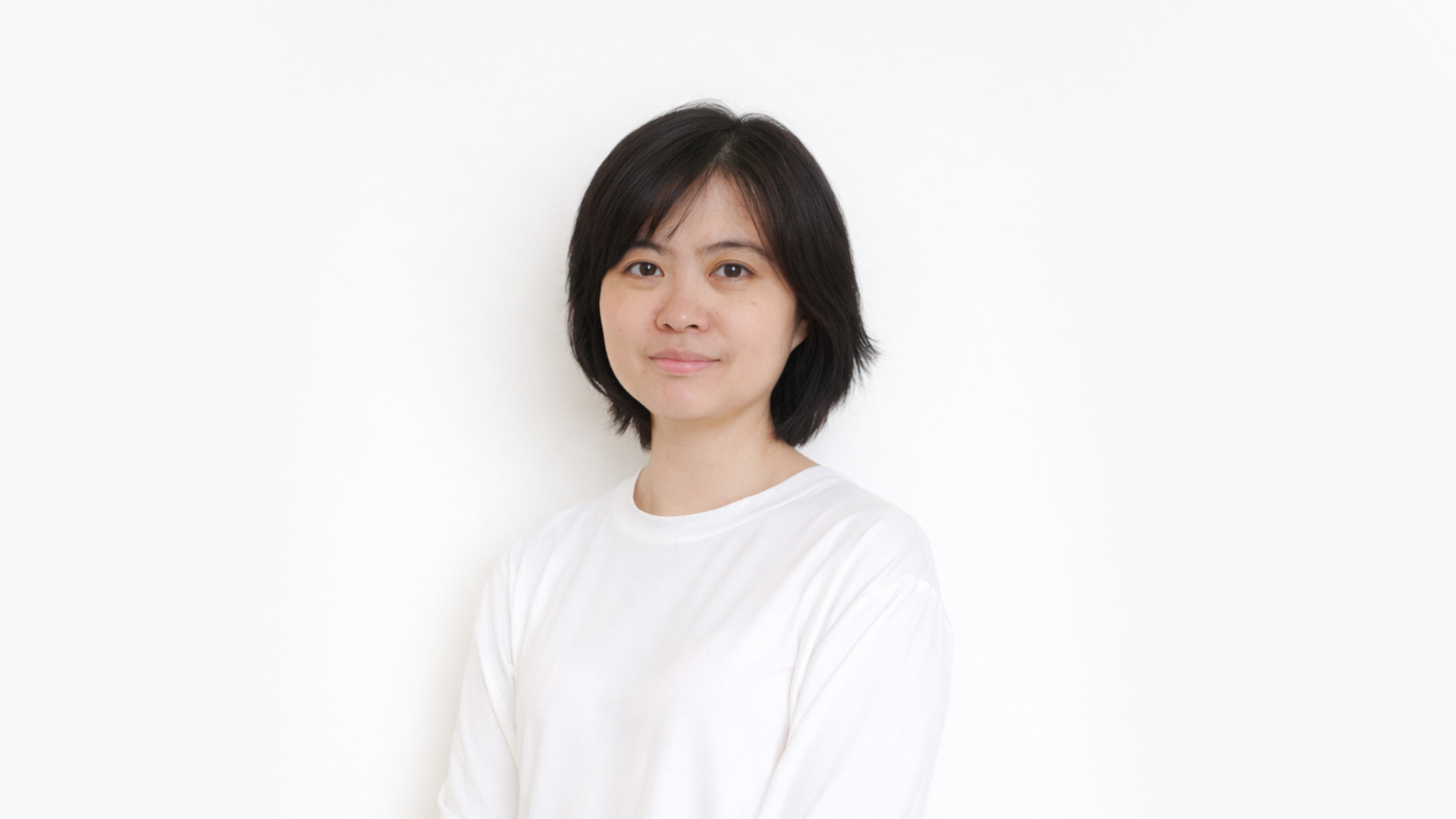
ChiaLin Chen is an independent creator exploring the intersection of family, culture, and participatory design. Inspired by everyday moments with her children, she transforms simple interactions into design concepts that extend beyond the home.
I am an independent creator exploring the intersection of family, culture, and participatory design.
My work focuses on a simple but important question: What if the family itself could become a creative system?
Instead of treating art, education, and social design as separate fields, I explore how everyday family life can become a space for creativity, dialogue, and cultural memory. Many of my projects begin at home with my own children. Their questions, drawings, and ideas often become the starting point for larger design concepts.
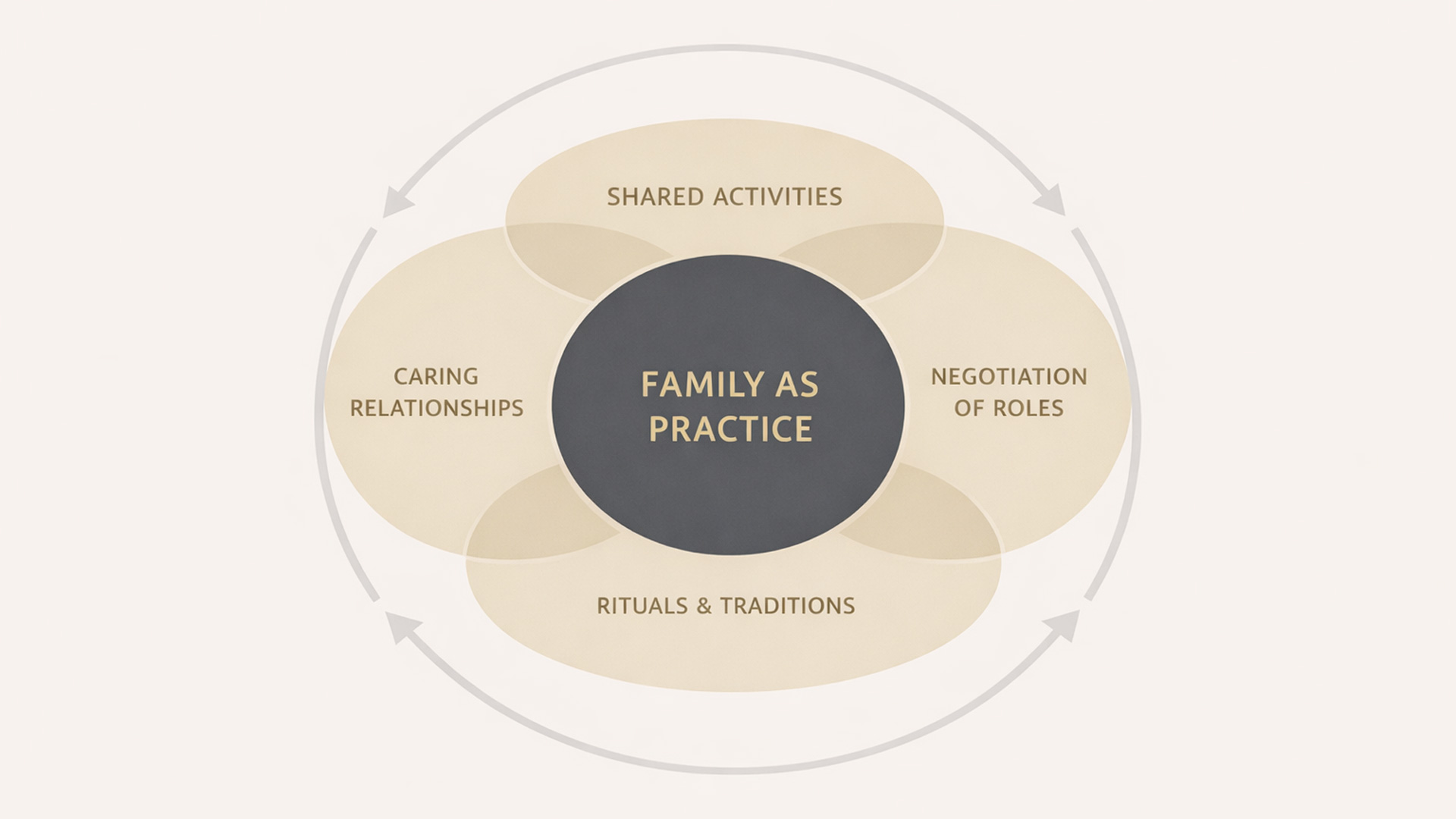
Over time, these small family practices have gradually evolved into a broader framework I call Family as Practice—a system that includes projects such as the Family Proposal Wall, Family Art Day, and A Final Lesson of Home, which explore how families can actively create, share, and preserve their own stories.
My journey into this field did not begin in the traditional art world—it began in everyday family life. I simply started asking how design could help families communicate more, create together, and leave meaningful memories for the next generation.
Today, my work continues to grow from these real-life experiments. What starts as a simple family activity often evolves into a design concept that can be shared with communities, exhibitions, and international audiences.
Winning the MUSE Creative Awards is meaningful because it shows that ideas born from everyday family life can resonate beyond the private space of the home.
The work I submitted is not only a design project but also part of a broader exploration of how families communicate, create memories, and build shared meaning together. At a time when modern life can feel increasingly fragmented and disconnected, I believe that small relational structures within families still have the power to create deep cultural value.
Submitting the project to the MUSE Creative Awards was an opportunity to share this perspective with a wider international audience. It allowed a concept that began with simple conversations at home to enter a global creative dialogue.
Personally, this recognition encourages me to continue developing projects that connect art, family life, and social imagination. Professionally, it opens new possibilities for collaboration, exhibitions, and future cultural initiatives.
More importantly, it reminds me that meaningful design does not always begin in studios or institutions—sometimes it begins with a simple question at home.
The story behind this project did not begin in a studio. It began at home.
Many of my works originate from simple moments in everyday family life—conversations with my children, small drawings they make, or questions they ask. I began to notice that these ordinary interactions contain something powerful: they are small acts of creativity and communication that shape the culture of a family.
This observation led me to explore how design can support these moments. Instead of designing products or static artworks, I began creating structures that help families interact, propose ideas, and build shared memories together.
The project submitted is part of this broader exploration. It reflects my interest in turning everyday family life into a participatory creative system, where every family member—including children—becomes a contributor.
In today’s creative industry, many projects focus on visual innovation or technological advancement. My work represents a different direction: exploring how design can support human relationships, cultural memory, and everyday creativity.
I believe that meaningful design does not always need to be complex. Sometimes its greatest value lies in helping people recognize the significance of the simple moments they already share.
What sets this project apart is that it is not designed as a single, isolated artwork.
Instead, it is part of a larger conceptual system that explores how families can actively create and preserve their own cultural experiences. The project combines elements of design, storytelling, and participatory interaction, allowing people to become part of the creative process rather than simply observing it.
Another important element is that the ideas behind the project come from real-life practice. Many of the concepts were tested through everyday activities with my own family. These experiences helped shape the design into something that feels natural, accessible, and meaningful.
In a competitive creative field, originality often comes from unexpected places. For me, inspiration comes from ordinary family life—a place that is rarely considered part of design innovation.
By translating these personal experiences into a design framework that others can adopt and reinterpret, the project aims to demonstrate how creativity can grow from the smallest social unit: the family.
One of the biggest challenges was that the ideas behind my projects are not always easy to categorize within traditional design or art frameworks.
Many competitions and institutions are used to evaluating finished objects—products, visual designs, or standalone artworks. However, much of my work focuses on systems of interaction rather than physical objects. The projects often exist as living practices that evolve through real family participation.
Another challenge is that the projects originate from everyday life. Working with family moments means the process is often organic and unpredictable. Children’s ideas, questions, and behaviors continuously reshape the direction of the work.
Instead of treating this unpredictability as a limitation, I learned to treat it as part of the design process. By observing these real-life interactions and gradually translating them into visual structures and frameworks, the projects slowly took form.
In many ways, the challenge became the method itself: transforming everyday family experiences into a design language that others can understand and adopt.
This recognition encourages me to continue exploring how design can engage with everyday human relationships.
In the long term, I hope to expand these ideas beyond my own family and into wider communities. Many of my projects are designed as open frameworks that can be adapted by schools, communities, and cultural institutions.
Receiving recognition from the MUSE Creative Awards helps bring visibility to these ideas and opens opportunities for collaboration with people interested in participatory design, cultural storytelling, and family-centered creativity.
For me, the goal is not only to create individual works but also to develop structures that help people connect, communicate, and preserve meaningful memories across generations.
If these ideas can inspire even a small number of families or communities to create together and value their shared stories, then the project has already achieved something meaningful.
Many of the most meaningful reactions have come from people who recognize their own family experiences in the project.
When audiences first encounter the work, they often describe it as surprisingly familiar. The structure may appear simple, but it reflects situations many families experience—small conversations, shared activities, and the desire to spend meaningful time together.
One memorable moment came from parents who told me that the project reminded them that creativity does not need to be complicated. Sometimes it simply means creating space for family members to express ideas and respond to one another.
For me, these responses are especially meaningful because the project was never intended to exist only as an artwork or concept. It was designed as a framework that people can adopt in their own lives.
Seeing others recognize the value of these small relational moments confirms that the idea resonates beyond my own family experience.
One important lesson I have learned is that meaningful work often begins with genuine curiosity about everyday life.
Instead of trying to create something purely for recognition, it is more valuable to observe real situations and ask simple but important questions. Many of my projects originate from moments that initially seemed ordinary—conversations at home, children’s questions, or shared activities.
Another key aspect is developing ideas gradually through practice. When a concept grows from real experiences, it becomes easier to communicate its value and authenticity.
In competitive creative fields, originality does not always come from complexity or scale. Sometimes it comes from seeing familiar situations in a new way and translating them into structures that others can participate in.
Ultimately, the most compelling projects are those that remain connected to real human experiences while opening new possibilities for creativity and dialogue.
The creative industry today is expanding beyond traditional boundaries. Design is no longer limited to creating objects or visuals; it increasingly involves shaping systems, experiences, and relationships.
I see this shift as an opportunity. Many of the challenges people face today—social disconnection, generational gaps, and the loss of shared cultural memory—cannot be addressed through objects alone. They require new forms of design that focus on participation and human interaction.
My work is part of this direction. I am interested in how creative practices can help people reconnect with everyday experiences that already hold meaning—family conversations, shared activities, and personal histories.
In the future, I hope to continue developing projects that explore family-centered creative systems, where art, design, and daily life intersect. Rather than positioning myself within a single discipline, I see my work as moving between art, social design, and cultural storytelling.
If these projects can inspire families and communities to see their own lives as creative and meaningful spaces, then I believe design has fulfilled an important role.
It is natural to feel uncertain about submitting work to competitions, especially in the beginning. Creative work is often deeply personal, and sharing it publicly can feel intimidating.
However, competitions can also be valuable opportunities to reflect on your ideas and communicate them clearly. The process of preparing a submission often helps creators understand their own work more deeply.
My advice would be to focus less on winning and more on the learning process. Every submission is an opportunity to refine how you present your ideas and to see how your work resonates in different contexts.
Another important point is that meaningful ideas do not always come from large institutions or professional studios. Many creative projects begin in small personal spaces—homes, communities, and everyday experiences.
If you believe in the value of your idea, sharing it can open unexpected conversations and connections. Sometimes the most powerful projects are those that begin with the simplest observations about life.
Creativity does not always begin with extraordinary moments. Often, it begins by paying closer attention to the ordinary parts of life.
Many creative industries focus on innovation, trends, and technology. While these are important, I believe creativity also grows from human relationships—the conversations we have, the stories we share, and the experiences that shape our everyday lives.
My work constantly reminds me that creativity is not limited to professionals. Children, families, and communities are also creators. When people are given the space to express ideas and respond to one another, creativity naturally emerges.
To fellow creatives and professionals, my message is simple: remain curious about the world around you. Sometimes the most meaningful ideas are hidden in places we usually overlook—in homes, communities, and everyday interactions.
When creativity reconnects with real human experiences, it becomes something people can truly recognize and participate in.
I would like to dedicate this recognition to my family.
Many of the ideas behind my work come from everyday life with my children. Their curiosity, drawings, and questions often become the starting point for new creative explorations. What may begin as a simple family interaction can gradually evolve into a project that reaches a wider audience.
My family is not only a source of inspiration but also an active part of the creative process. Through our daily conversations and shared activities, they continuously remind me that creativity can grow from the most ordinary moments.
This award therefore represents not only an individual achievement but also the collective spirit of the small creative world we build together at home.
My award-winning project explores how everyday family life can become a creative system in which conversations, ideas, and shared moments gradually transform into meaningful cultural memories.
I chose this description because the work is not only about a single design piece, but about revealing the creative potential that already exists within family relationships and daily life.
Looking ahead, I hope to continue expanding the ideas behind my work into broader cultural and social contexts.
Many of my projects explore how creativity can grow from family life and gradually connect to communities, education, and cultural memory. In the future, I would like to develop these ideas further through exhibitions, participatory programs, and collaborative projects with cultural institutions and communities.
At the same time, I remain committed to continuing these explorations within my own family. The everyday conversations and experiences we share continue to inspire new ideas and directions.
For me, the most exciting possibility is seeing how small creative practices that begin at home can eventually grow into meaningful cultural conversations shared with the world.