Modular, programmatic, and visual 3D art workflow
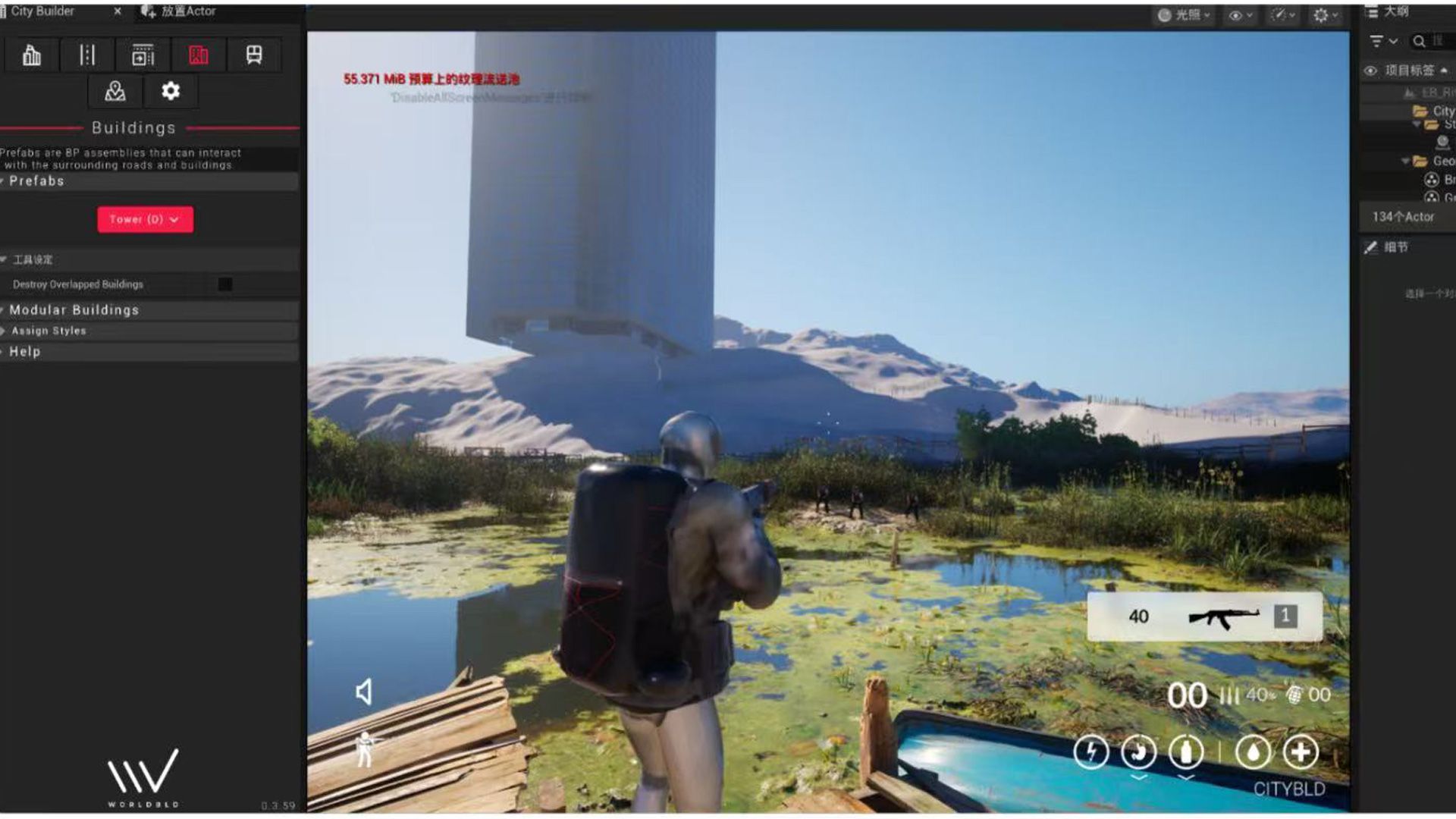
This workflow is designed to integrate procedural tools with Unreal Engine's vast asset marketplace and...
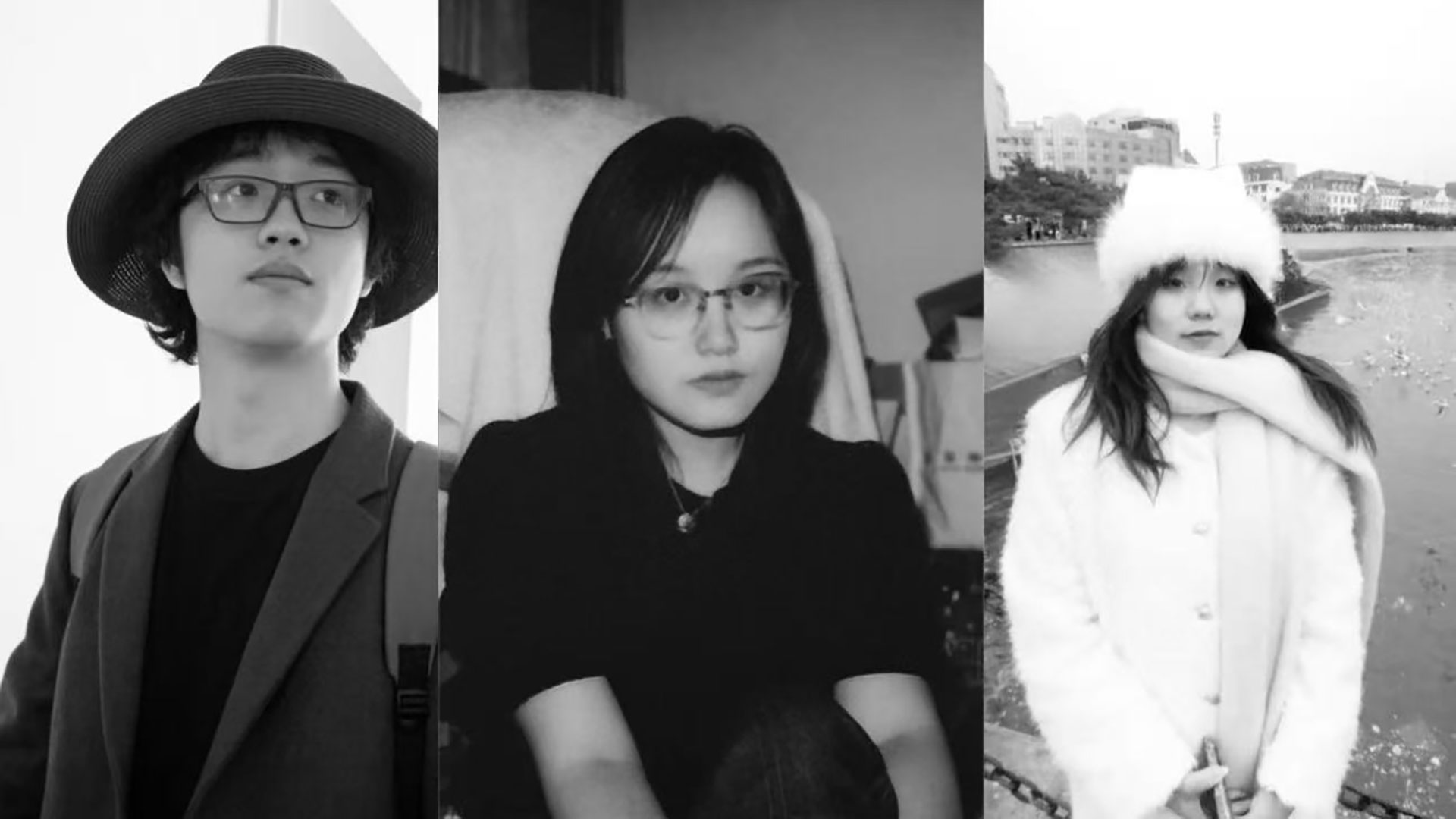
Revival Swan Studio is a boutique studio dedicated to inspiring artists to explore contemporary reinterpretations of classical art. Today, it expands its focus to the impact of emerging technologies on art and digital productivity, shaping new creative possibilities.
Revival Swan Studio is a small studio founded with the aim of attracting and inspiring artists and creators who wish to explore the contemporary reinterpretation of classical art.
Today, our focus is no longer limited to this direction. We are also increasingly focused on the impact of emerging technologies on art and digital productivity, and we hope to further expand our influence in these areas.
My decision to submit work to this competition was largely inspired by the high-caliber jury of the MUSE Creative Awards this year, as well as the opportunity to compete alongside major companies, well-known brands, and outstanding projects.
At the same time, the competition offers significant media exposure, which made me feel it was important to establish my international presence on such a platform.
For me personally, winning the award enriches my professional background, helps shape a new professional identity, and allows me to further grow and develop in new fields.
Architizer frequently organizes seminars and discussions. Through these exchanges, we became aware of the potential impact that visualized digital creative workflows and emerging technologies may have on 3D art.
I believe that a new and efficient digital creative workflow is something that large companies, individuals, small art collectives, and independent artists all need. We attempted to develop a new model for large-scale digital art projects or those that require complex collaboration.
Through an actual product, we demonstrated and presented this model in a systematic way. It introduces a new industry ecosystem and allows people to see how such a framework may influence the future of the digital art industry.
I believe the project stood out because I was able to identify early signals of change and anticipate the larger transformations that may occur in the future of the industry. More importantly, this idea was supported by relatively rigorous practical validation.
This workflow can produce a digital product with complex interactions within four hours. In contrast, large companies often need to go through multiple layers of approval when developing new technologies.
Thanks to our flexibility, we were able to move faster and demonstrate this emerging trend through the product itself.
The biggest challenge came from hardware and optimization issues. I underestimated the level of computing power required for this workflow, which significantly slowed down the overall process.
In fact, four hours is not the limit of this workflow. With more experience, the process I described could be completed within one to two hours.
Although I later upgraded my computer, it still cannot fully support the full performance potential of this workflow.
The MUSE Creative Awards have provided us with both opportunities and credibility to explore work in other industries.
This recognition helps us establish influence and an international reputation across a wider range of fields, and it will play an important role in supporting the development of future projects and collaborations.
So far, only a small number of clients, audiences, or stakeholders have experienced or witnessed the impact of this product.
Some people remain resistant to it, believing that games or digital art should be created entirely through manual human effort. Others are surprised by the level of productivity this workflow can achieve.
There are also individuals who quickly recognized its potential importance in certain sensitive technological application areas, and some of them have even begun further research with me.
I believe the idea of “small products with great insight” can be a powerful direction.
The key is how a small or even micro-scale product can reveal an overlooked but critically important trend or ecosystem.
This ability is often a decisive factor in winning international awards. Of course, the argument and validation behind the idea must be rigorous.
At the moment, our team is still relatively small, so we have not yet defined a specific position within the industry.
Our current plan is to work more as consultants, providing decision-making support in areas such as artistic creation and production workflows, while gradually building our reputation within the industry.
I understand that many people feel pressure when participating in highly competitive platforms like this.
However, they should also recognize an important fact: standing out in such competitions often represents strong validation of one’s design capabilities and helps establish a positive professional reputation.
At the same time, this kind of recognition can significantly motivate both individuals and teams.
Today, discussions about the creative industry often focus primarily on the development of AI.
However, people sometimes overlook the vast ecosystem created by Unreal Engine, as well as the alternative digital productivity transformation that the “LEGO-style paradigm” may bring.
In fields such as virtual content and simulation, we should consider these technologies alongside AI rather than discussing them in isolation.
I would like to dedicate this achievement to those who lack resources but possess extraordinary creativity.
Many of them have bold and even radical ideas, yet they often lack the resources necessary to realize them.
I believe that this workflow can significantly reduce the resources required to bring such digital creative ideas to life.
Although it is unfortunate that most of our collaborations take place online and we cannot take photos together, I would still like to dedicate this honor to these talented and creative collaborators.
If I had to describe my award-winning work in one sentence, I would say:
It represents a potentially influential direction in the evolution of digital productivity.
As I described in my submission, this workflow is beginning to divide today’s digital content creators into two groups: those who assemble the “LEGO bricks” and those who produce the “LEGO bricks.”
Moving forward, we will continue to deepen and advance this project while exploring its technological applications in other fields.
In the future, our research may appear on various platforms, and we will also continue to explore the contemporary application of classical art across different domains.