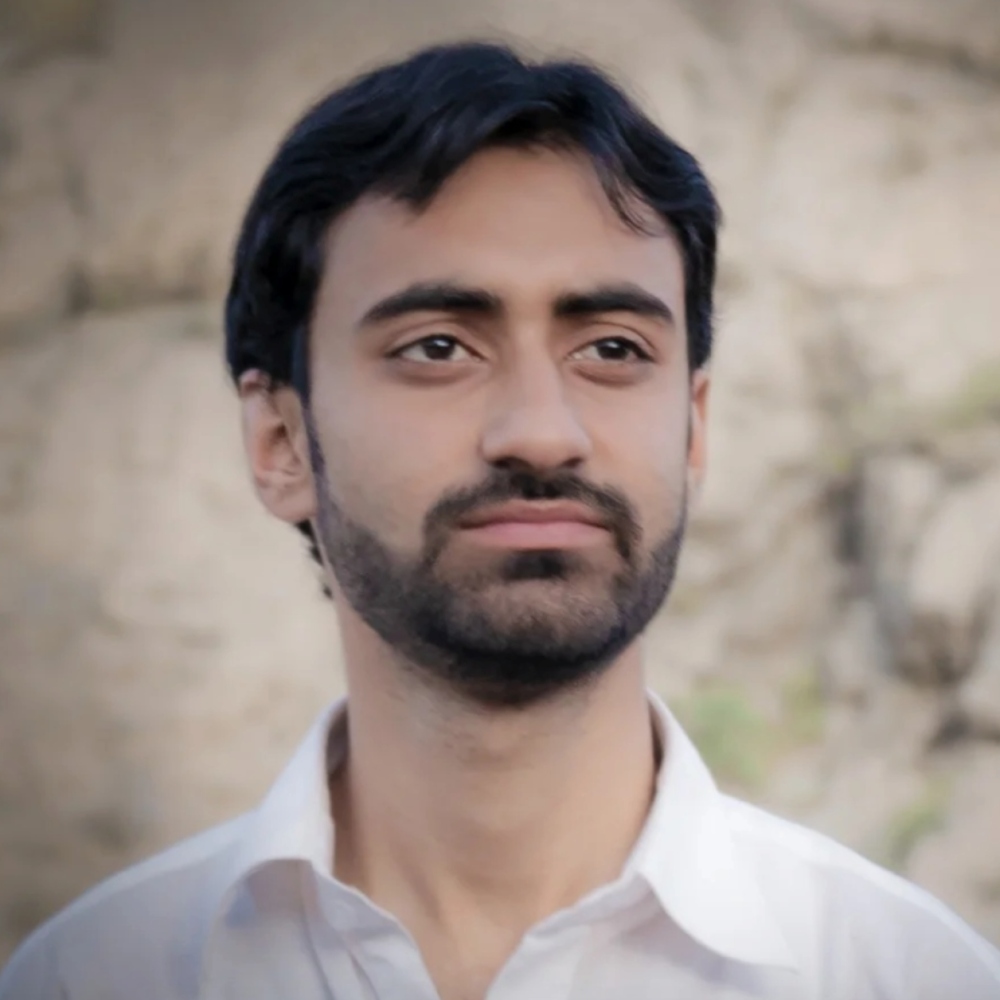
UNI-ORBIT
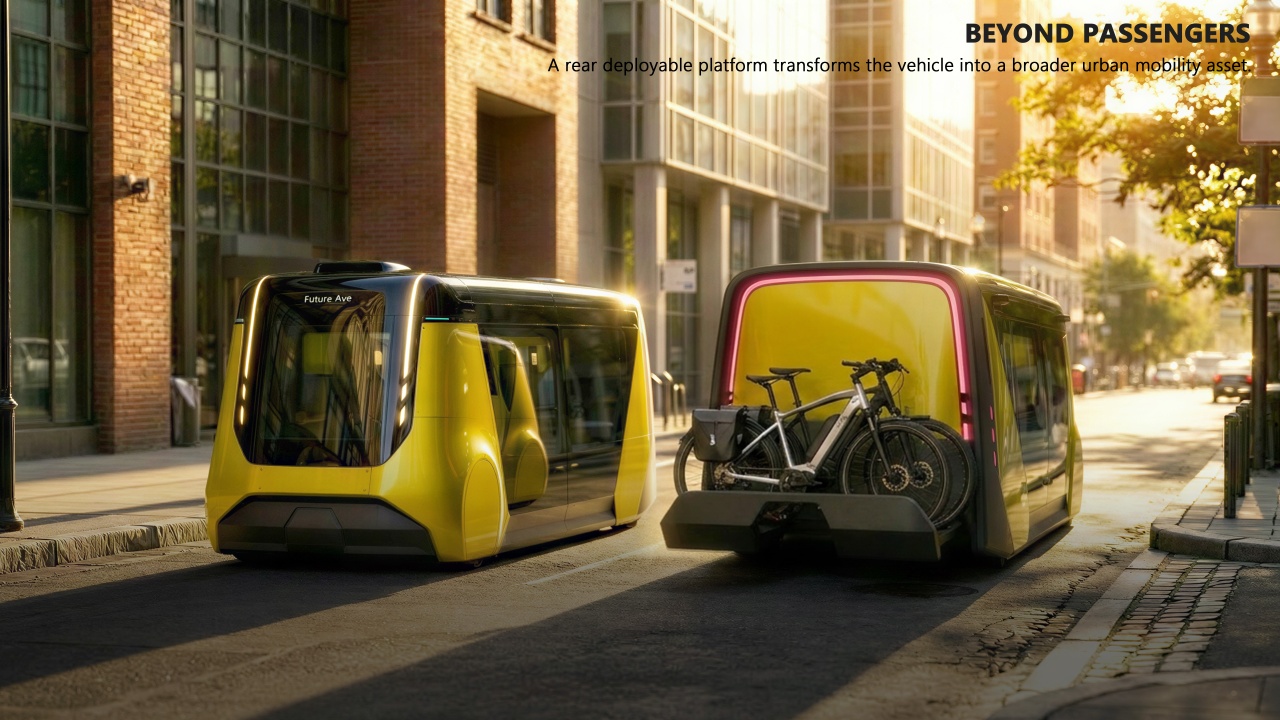
UNI-ORBIT is a modular, autonomous micro-transit system that re-engineers urban road resources. By replacing private...
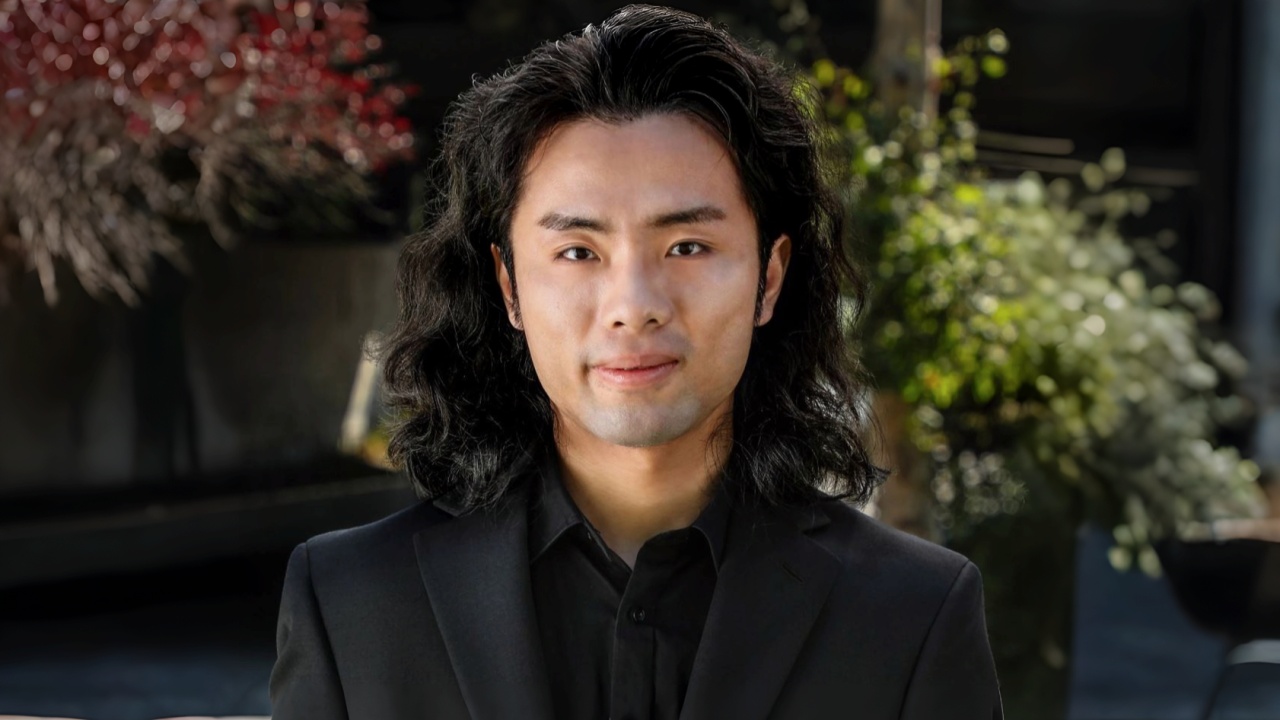
As a transportation designer based in Southern California, Yizhou Jiang approaches design through the lens of everyday human experiences and the systems that shape them. By studying how people move, interact, and adapt to their surroundings, he creates transportation concepts that balance technology, functionality, and human-centred thinking.
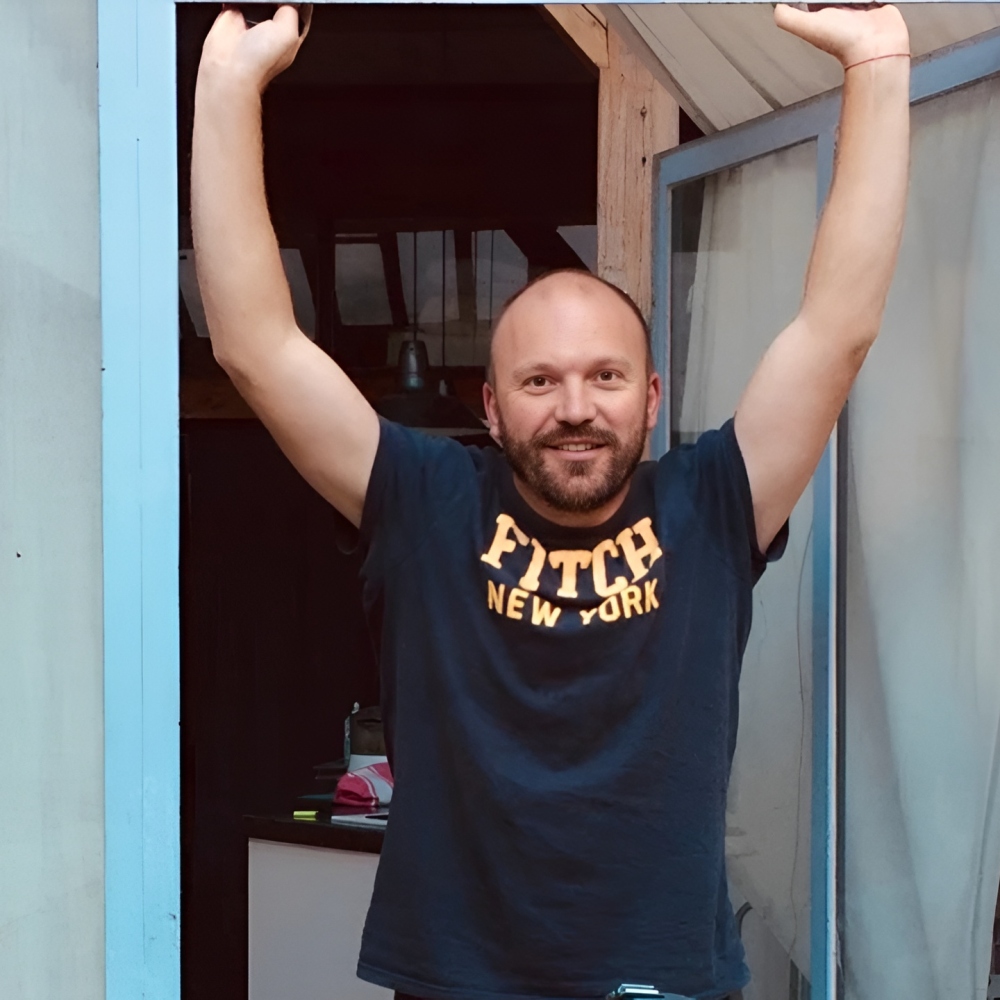
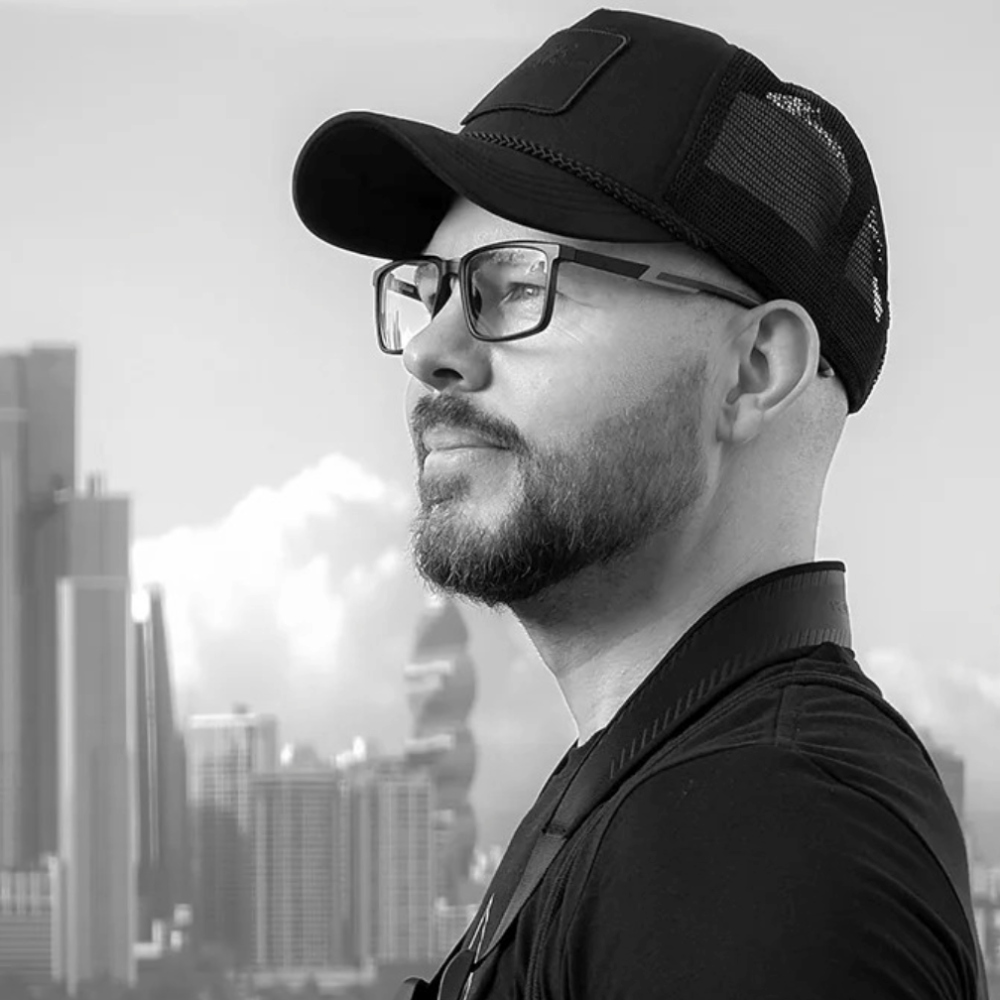
My name is Yizhou Jiang (Johnny), and I am a transportation designer based in Southern California.
What first attracted me to design was how deeply it influences everyday life. Vehicles, products, spaces, and public systems all shape the way we move, interact, and experience the world around us.
Over time, I realised that design is one of the few disciplines that allows us to combine creativity, technology, and empathy. It gives us the opportunity not only to solve practical problems, but also to influence how people feel, interact, and move through the world.
Receiving this recognition is both encouraging and humbling.
As designers, we spend a great deal of time questioning ideas, refining details, and exploring possibilities without knowing how others will respond. Seeing these projects recognised reminds me that design can spark conversations beyond the design community itself.
What I appreciate most is that awards help ideas reach a wider audience. Sometimes the value of a concept lies not in providing an answer, but in encouraging people to look at a familiar problem from a different perspective.
One of the most meaningful outcomes has been the opportunity to bring these ideas into a broader conversation.
Many of my projects begin with observations from everyday life—small moments that people often overlook or simply accept as normal. Recognition through the London Design Awards has allowed those observations and questions to reach a wider audience and connect with people from different backgrounds.
It has also created opportunities to engage with other designers and organisations who are interested in the future of mobility and user experience. Most importantly, it has reinforced my belief that design can be a powerful way to encourage discussion, challenge assumptions, and explore alternative possibilities.
Experimentation plays an important role in my process because it helps me challenge assumptions.
Many projects begin with things we take for granted. Why is a product used in a certain way? Why is a space organised the way it is? Why do we assume people want the same experience?
Experimentation allows me to explore alternative possibilities before committing to a solution. Sometimes the most valuable outcome is not a new idea, but a better understanding of the problem itself.
Some of the most interesting inspiration comes from everyday experiences that feel slightly unresolved.
It might be waiting for a bus, observing how people move through public spaces, or noticing small moments of discomfort that most people simply accept.
I often find myself wondering why those experiences exist the way they do. That curiosity tends to be more valuable to me than any trend forecast or design reference because it reveals opportunities that are often hidden in plain sight.
I wish more people understood that design is not only about solving problems. It is also about understanding why those problems exist in the first place.
The visual outcome is often what people notice, but much of the work happens through observation, listening, and trying to understand people's experiences from different perspectives.
Sometimes the most valuable insight comes from looking at a familiar situation in a different way and discovering possibilities that were there all along.
I don't necessarily see those two things as being in conflict.
In my experience, the best projects happen when everyone is ultimately working toward the same goal: creating meaningful experiences for the people who will use the product.
Rather than becoming attached to a specific solution, I try to stay committed to the core intention behind it. The form may change, and the details may evolve, but if the original purpose remains clear, it is often possible to satisfy both practical requirements and creative ambitions.
One of the biggest challenges was translating human experiences and emotions into something tangible.
Concepts such as comfort, dignity, privacy, or belonging are easy to discuss, but much harder to communicate through form, space, and functionality.
Many of these qualities are invisible when a project is presented, yet they often determine how people remember an experience. To address this challenge, I constantly returned to the user's perspective and asked myself a simple question: “Does this decision genuinely improve the experience?”
That process helped me eliminate unnecessary complexity and focus on what truly mattered.
I usually step away from the project for a while and pay attention to the world around me.
Some of my best insights come when I am travelling, visiting museums, walking through a city, or simply observing how people interact with their environment.
I have found that creativity rarely appears when I force it. It tends to emerge when I become curious again.
One of my personal goals as a designer is to see the world from other people's perspectives.
I find it fascinating that the same environment can feel completely different depending on who is experiencing it. A space that feels comfortable to one person may feel intimidating to another. A system that works well for some users may create obstacles for others.
This has led me to believe that equality is not the same as uniformity. Designing for people does not mean giving everyone the exact same experience. It means creating experiences that can support different needs while maintaining the same level of care and quality.
Ultimately, I hope my work helps people feel understood, respected, and empowered.
One thing I have learned is that design becomes much more interesting when it goes beyond self-expression.
Developing your own voice is important, but so is learning how to understand people whose experiences may be very different from your own.
For me, one of the most rewarding parts of design is trying to understand how individuals interact with their environment and how thoughtful design can help support, empower, or improve those experiences.
The longer I work in design, the more I realise that we are not only designing products—we are constantly learning about people.
I would choose Syd Mead.
What fascinates me most about his work is that he never simply designed vehicles or products—he imagined entire worlds. His designs were not just visual predictions of the future; they encouraged people to think about how technology, cities, and human life might evolve together.
I have always been drawn to works such as Blade Runner because they do more than present a futuristic aesthetic. They invite us to reflect on the relationship between people, society, and the environments we create.
I admire Syd Mead's ability to make the future feel both believable and thought-provoking. I think a collaboration with him would be an opportunity not only to discuss design but also to explore the broader questions that design can inspire.
I wish people would ask:
"Why do your projects often focus on creating a sense of atmosphere, ease, and dignity in the user experience?"
My answer would be that transportation systems and products are often evaluated by efficiency, performance, or functionality. Those things are important, but they are not the whole experience.
I believe design also has the ability to influence how people feel. A journey can feel stressful or reassuring. A public space can feel cold or welcoming. A product can make someone feel excluded or understood.
Designing for those emotional qualities is, in my view, just as important as solving functional problems, because they ultimately shape how people remember and connect with an experience.
Read the interview titled; Two Sisters, One System of Care: An Approach to Visual Recovery by Olia and Alina Chupakhina by clicking this interview here.