VeriFlow
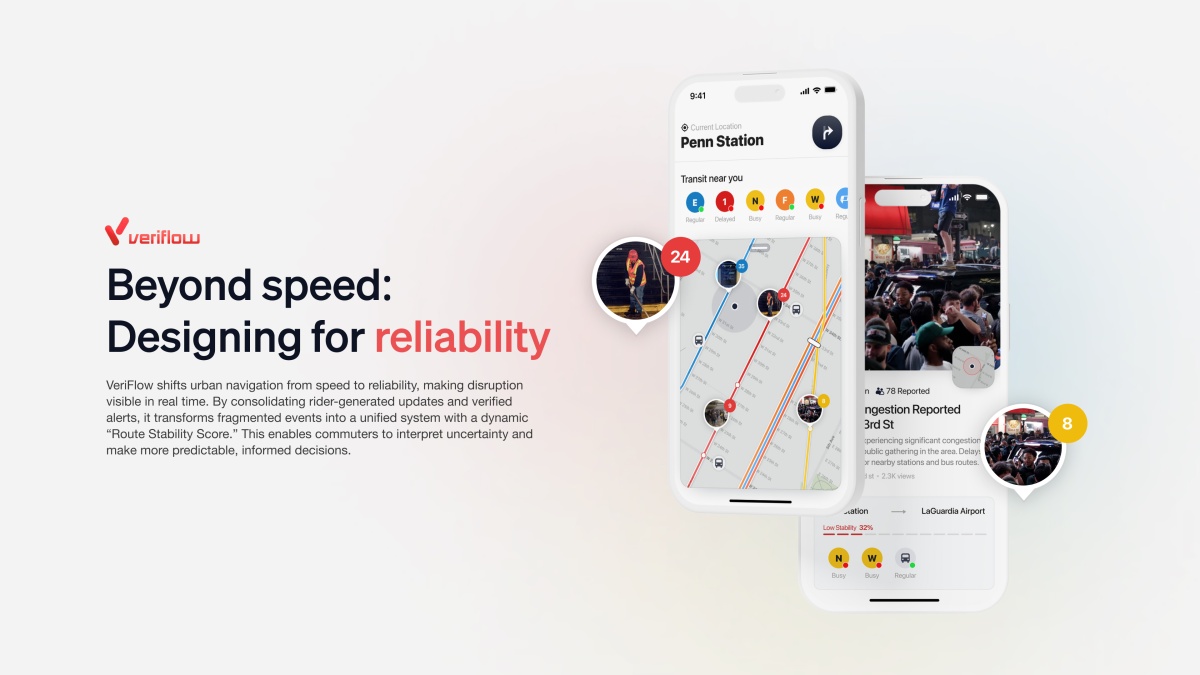
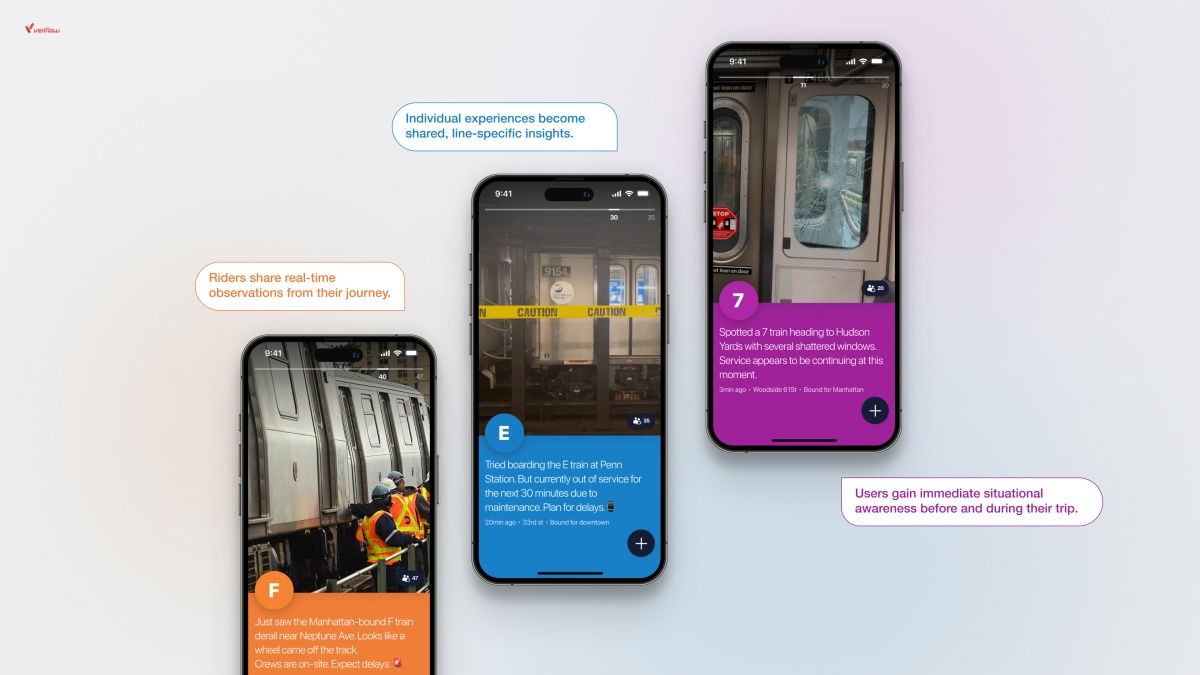
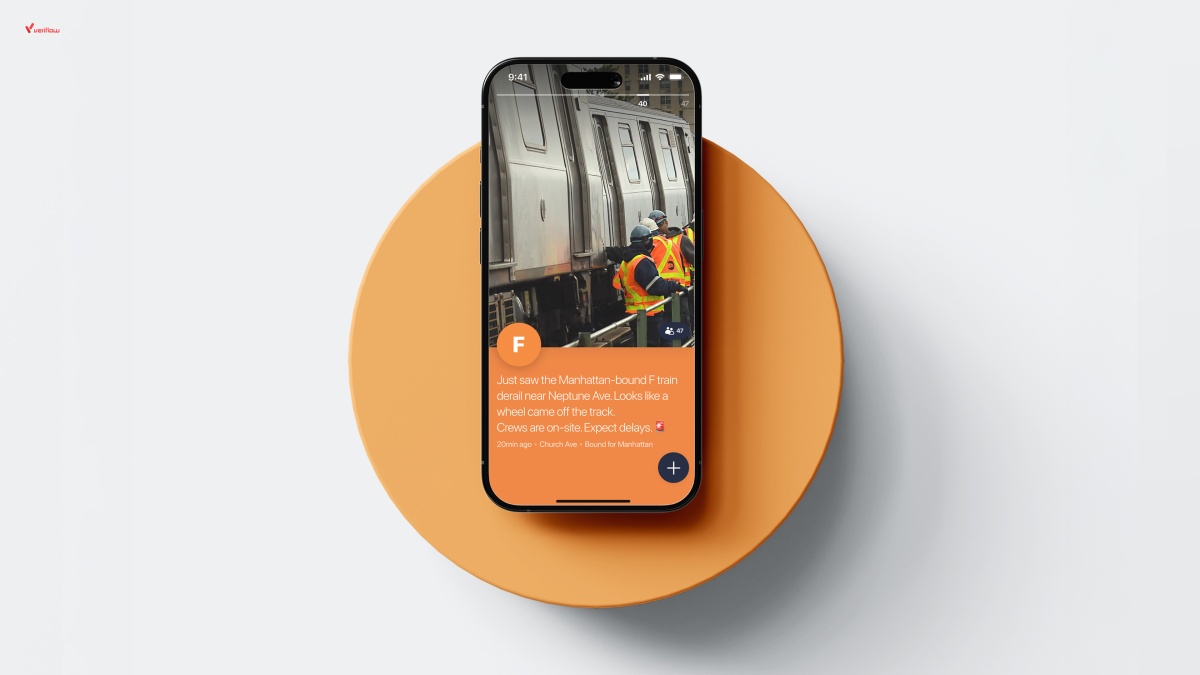
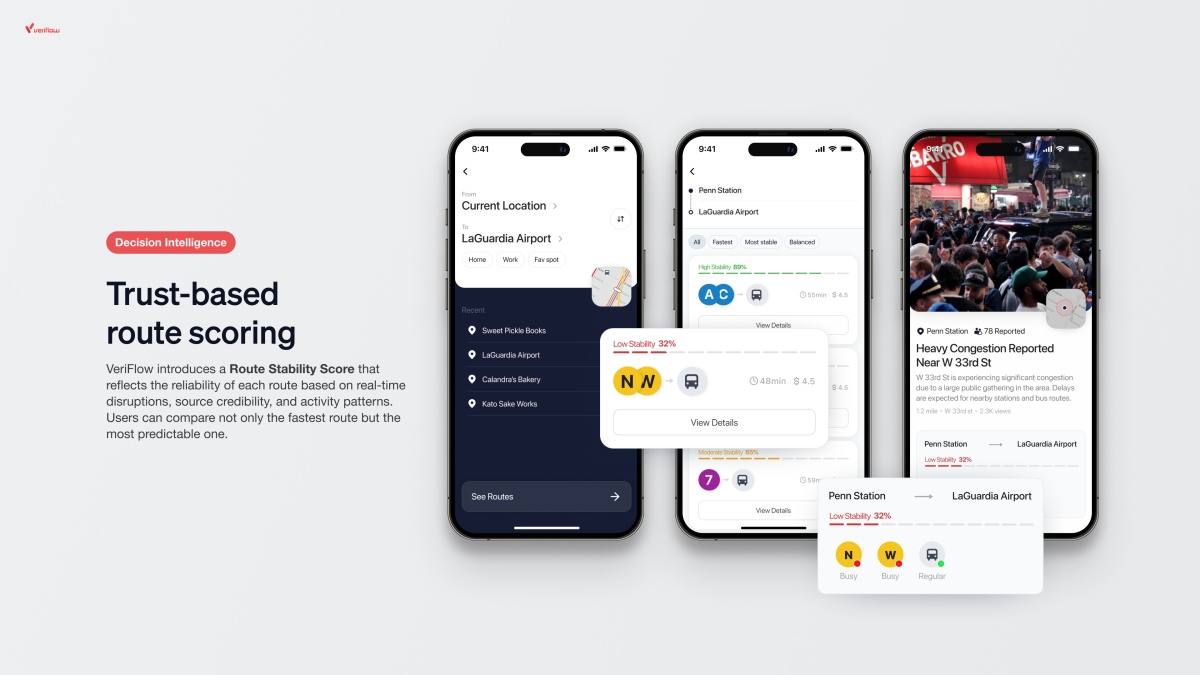
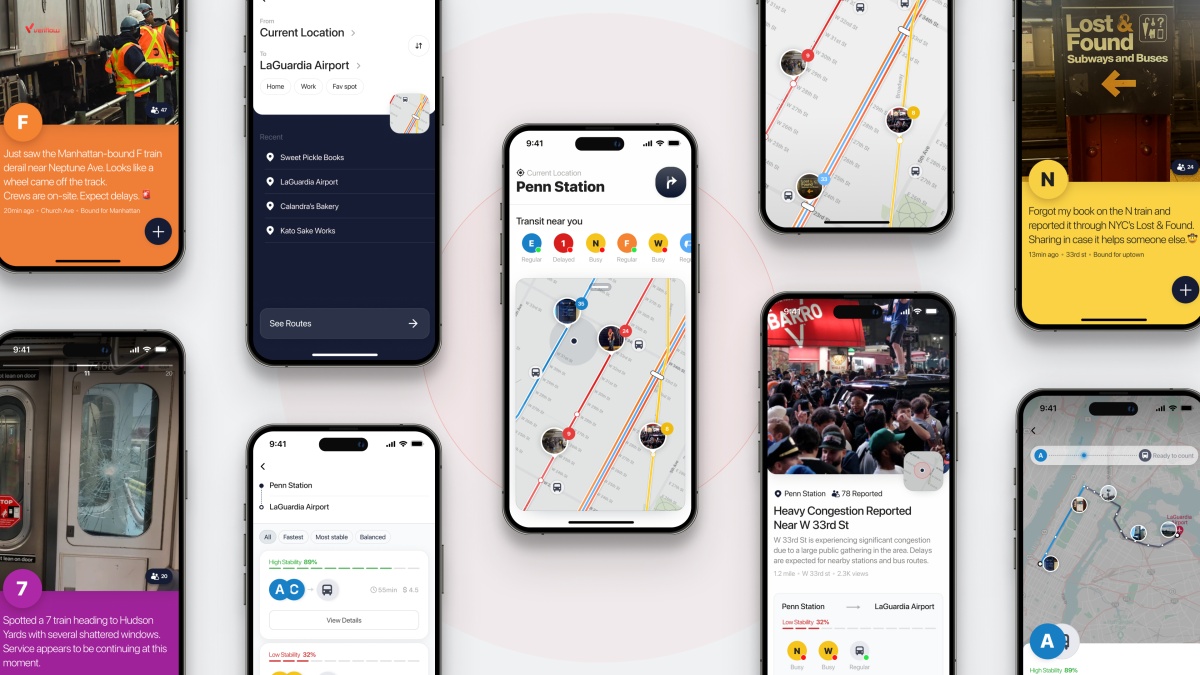
VeriFlow is a trust-informed real-time transit map that improves reliability in urban public transportation by...
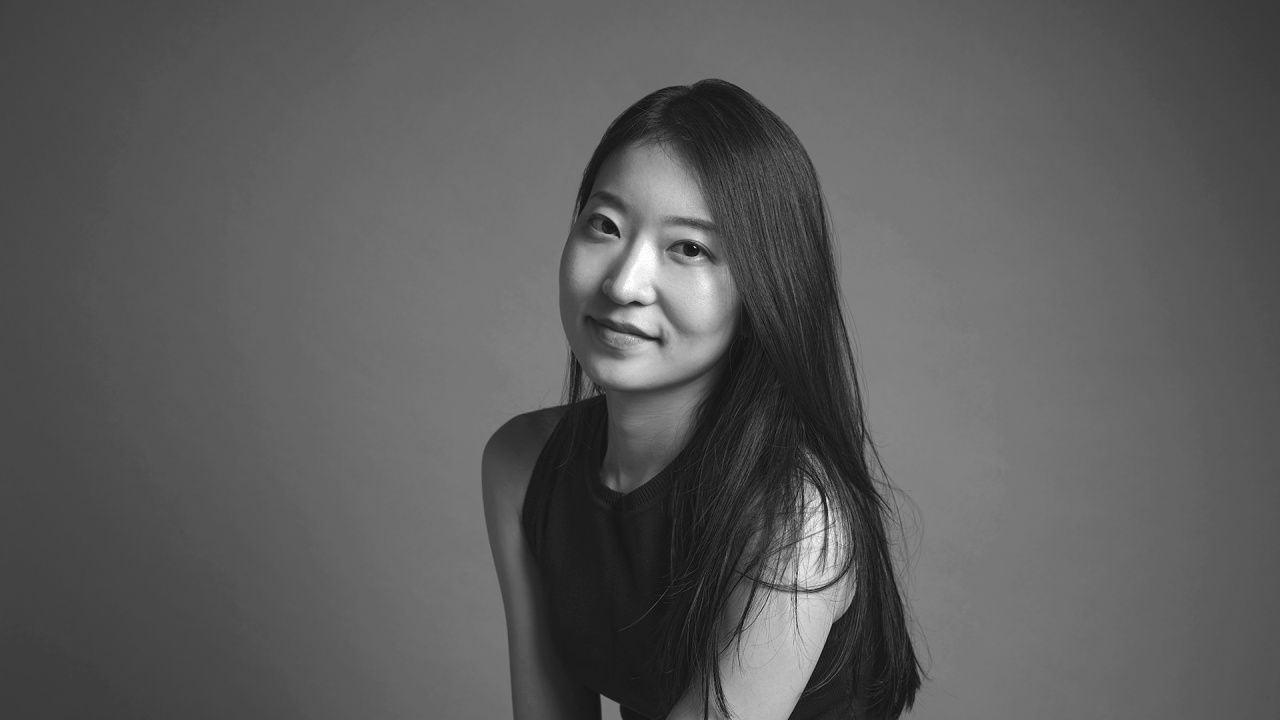
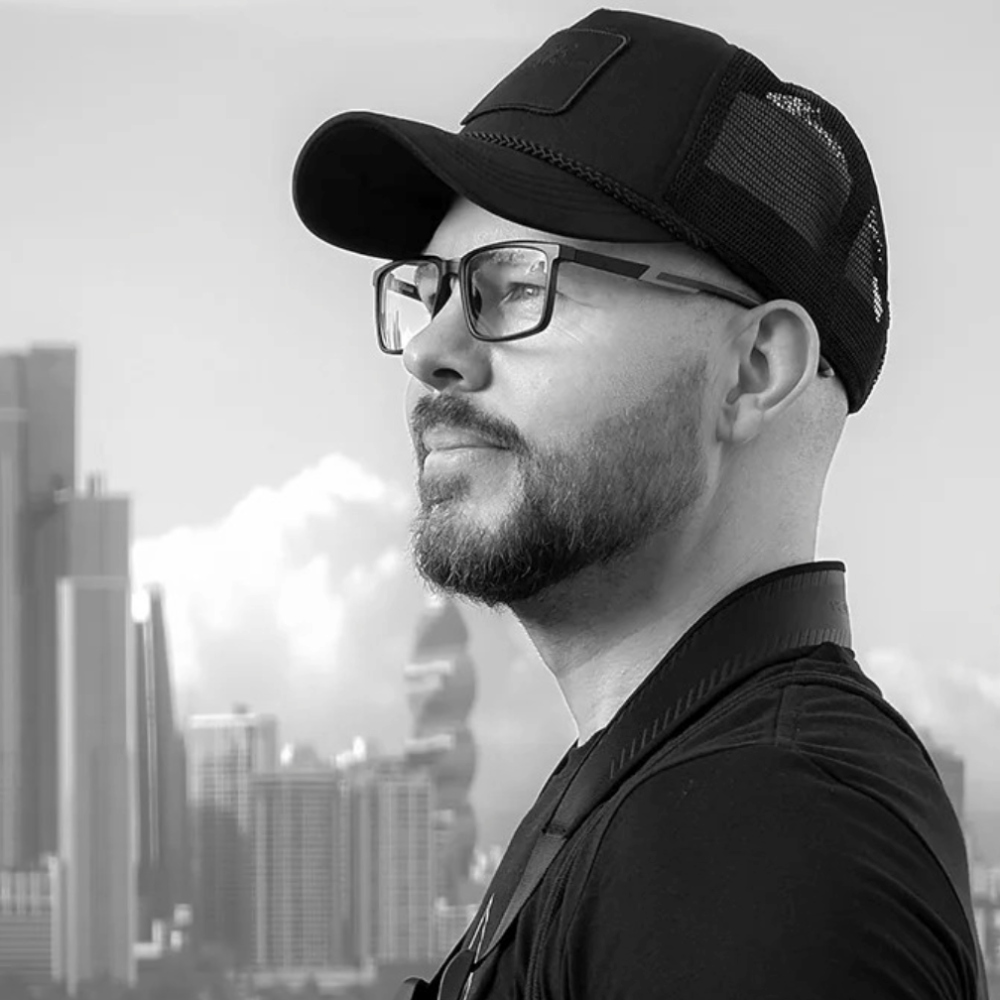
Jihye Kim is a product designer based in New York, working across consumer and enterprise products, currently focused on agentic AI systems. Her practice explores how people interact with complex systems and data, translating that understanding into clear, conversational interfaces shaped by real-world urban systems.
I’m a product designer currently based in New York. Over the years, I’ve worked across both consumer-facing and enterprise-level products, and I’m currently designing agentic AI platforms that help users interact with large and complex datasets through conversational interfaces. I’ve always been fascinated by how people interact with systems and information in everyday life, and that curiosity naturally led me into the world of design.
Being recognized by the NY Product Design Awards is meaningful to me because it brings together talented designers and creative work from around the world. Receiving this award gave me both confidence and motivation to continue pushing creative boundaries and designing experiences that can genuinely help people navigate complex systems more intuitively.
This achievement gave me more confidence in the direction of my work. It also opened up opportunities to share my ideas and connect with other creatives and professionals in the industry through conversations about my process and design thinking. More than anything, it motivated me to continue exploring complex problems and turning them into experiences that feel intuitive and meaningful for users.
Experimentation plays a big role in my creative process because strong ideas often come from deeply understanding real problems and testing different perspectives. In one project, I worked closely with users through co-creation sessions where we openly shared pain points and sketched out ideas together. That process helped uncover insights and solutions that wouldn’t have come from assumptions alone.
One of my biggest sources of inspiration is actually cities and urban systems. Having lived in places like Tokyo, Seoul, and New York, I became fascinated by how people navigate complex environments and how systems quietly shape behavior. Observing those experiences influenced the way I think about clarity, trust, and movement within digital products.
I wish more people understood that design is not only about execution or visuals, but also about constant iteration and validation. A strong design outcome usually comes from continuously learning, testing, and refining ideas rather than arriving at a perfect solution immediately.
I believe the ultimate goal of design is creating a clear and delightful experience for users. To balance client expectations with my own ideas, I focus on aligning around the core problem and maintaining open communication throughout the process. Constant discussions and shared reasoning help us arrive at solutions that are both strategic and user-centered.
One of the biggest challenges was building a narrative that made the product easy to understand and emotionally engaging for the audience. To overcome this, I repeatedly returned to the original problem space and refined the story behind the design decisions. Continuously reviewing the flow and visual storytelling helped strengthen the overall experience.
When I hit a creative block, I try to step away from the screen and give myself space to reset mentally. Going for a walk, observing my surroundings, or sketching random thoughts in a notebook often helps me reconnect ideas naturally. Those small breaks usually refresh my perspective and help untangle my thinking.
Empathy. I try to fully place myself in the user’s situation to understand what they may feel throughout the experience. That mindset shapes how I visualize, refine, and continuously iterate on ideas until the experience feels right.
My advice would be not to pressure yourself into having everything figured out immediately. Growth in design is often nonlinear, and both successes and failures become part of the learning process. Staying curious, patient, and consistent over time is much more important than trying to follow a perfect roadmap.
I would love to collaborate with Naoto Fukasawa because I admire the way he observes everyday human behavior and turns it into simple, intuitive experiences. His work feels quiet but deeply thoughtful, and that approach resonates with how I think about product design and systems in everyday life.
I wish more people would ask, “What’s your core value in product design?” My answer would be that great design should make complexity feel understandable and approachable while still creating an emotional connection with users. I believe the best experiences are the ones that help people without making them think about the interface itself.
Check out how Designing With Space, Not Just Within It: The Multidisciplinary Practice of Xubai Li achieved a win in the 2026 NY Product Design Awards here.