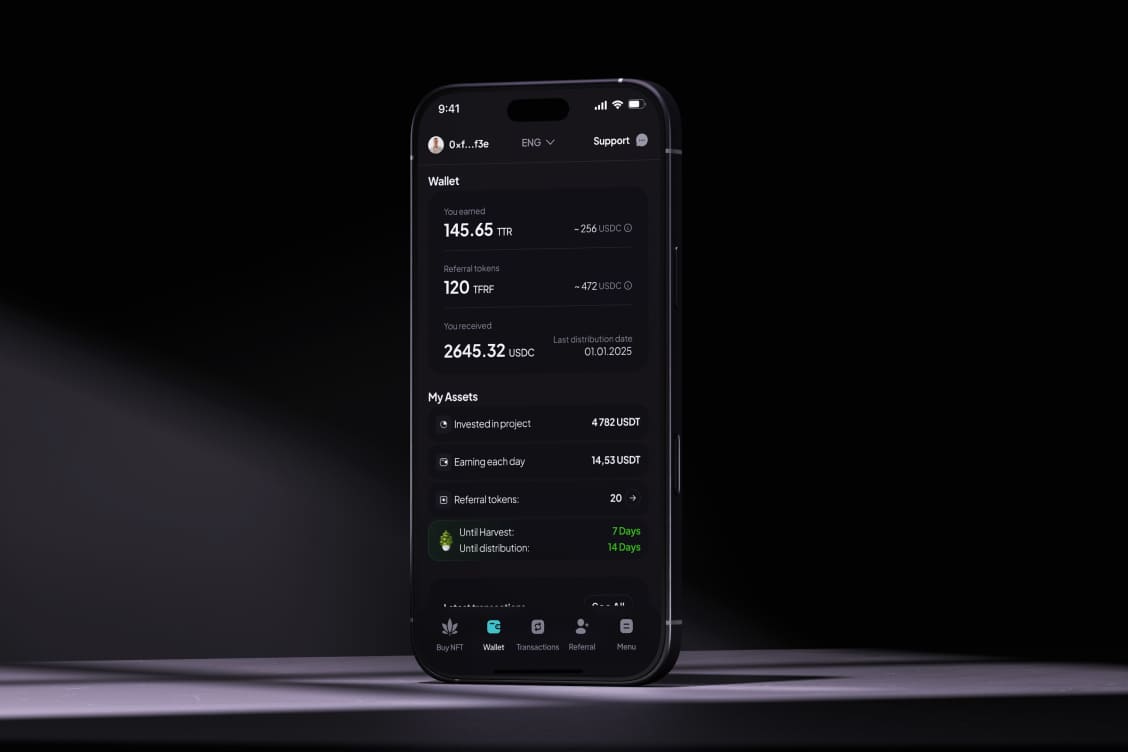
Tetra Farm Investor Dashboard
Tetra Farm is an innovative digital investment platform that connects blockchain technology with real-world agricultural...
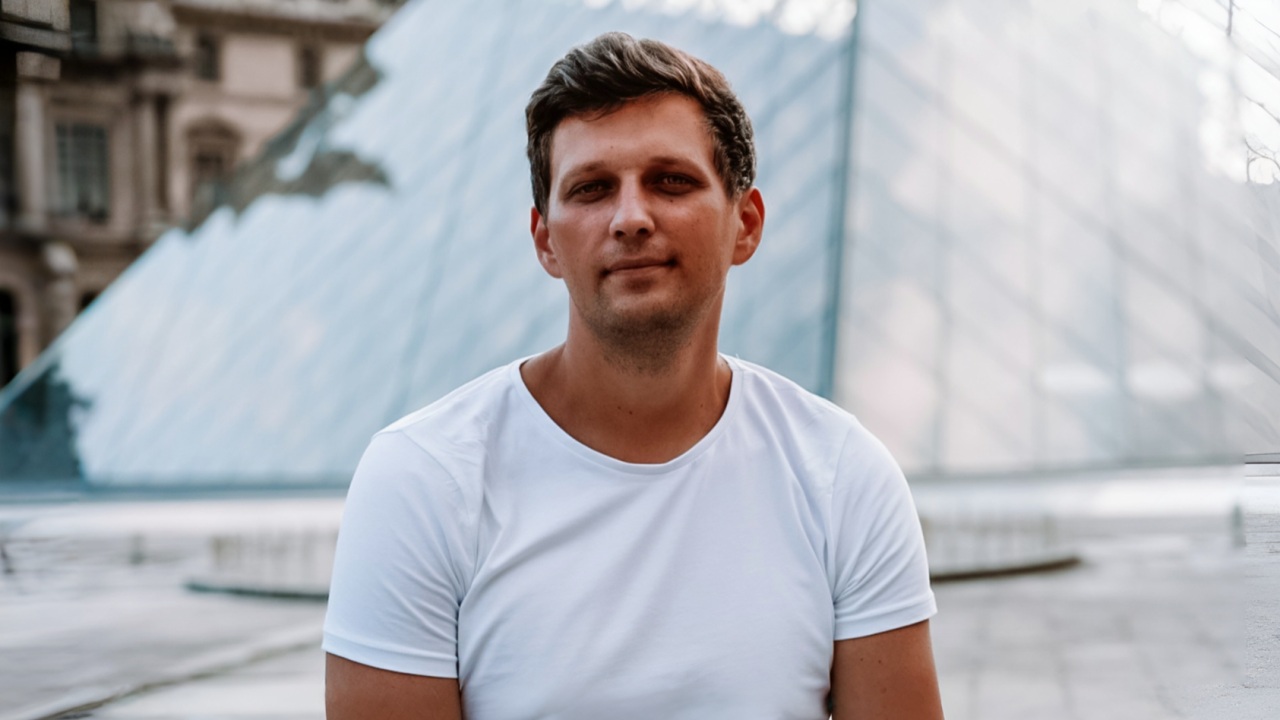
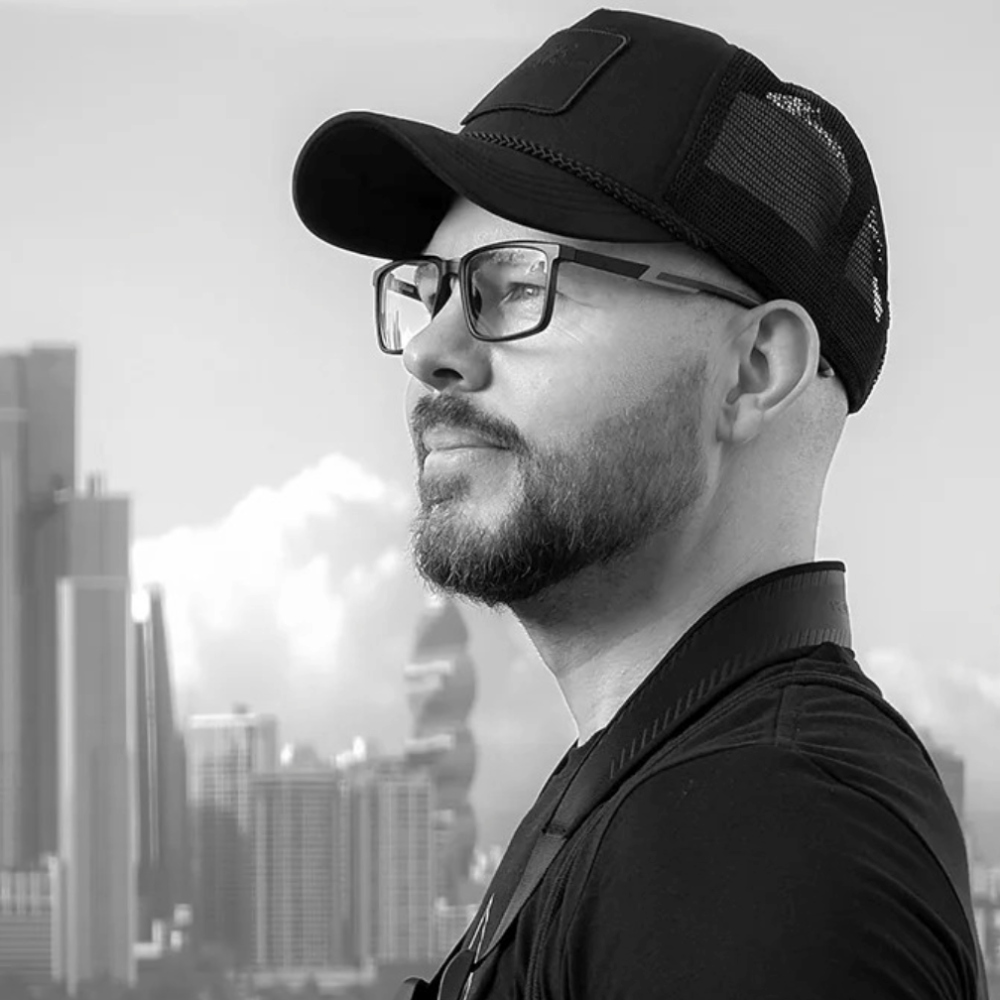
Volodymyr Ozirnyi is an award-winning UX/UI designer and founder of Dizz Agency, with more than 13 years of experience creating digital experiences for globally recognised brands. Guided by a deep understanding of user behaviour and product strategy, he believes great design is about solving problems, shaping emotions, and delivering meaningful value.
My name is Volodymyr Ozirnyi, and I’m a UK-based award-winning UX/UI Designer and founder of Dizz Agency, with over 13 years of experience creating digital experiences for global brands including Porsche, Nestlé, Volvo, and Fiat.
I chose design because our entire world is built around form, visual perception, and meaning. Everything we interact with has been designed by someone. What has always inspired me is the ability to influence people’s emotions, perception, and experiences through design.
In my work, I strive to deeply understand details, user behaviour, and the essence of each product in order to create a design that not only looks aesthetically refined, but also delivers real value and meaningful results.
Receiving recognition from the London Design Awards is a meaningful milestone both personally and professionally. It validates years of dedication, creative experimentation, and continuous refinement of our approach at Dizz Agency.
At the same time, awards like this create motivation to keep evolving, set higher standards for yourself, and aim for even bigger goals. I see this recognition not as a final destination, but as another step forward in growth and development as a designer and creative founder.
This achievement significantly strengthened our international visibility and credibility as a studio. Since the award announcement, we’ve received increased attention from potential collaborators, clients, and creative communities worldwide.
Internally, it also became an important moment for our team. Recognition at this level reinforces the idea that thoughtful, ambitious, and emotionally driven design truly matters.
It has opened doors to larger projects, international exposure, and future collaborations that align with the direction we want Dizz Agency to grow toward.
Experimentation is one of the core elements of my creative process. Some of the strongest visual ideas appear when you move beyond predictable solutions and allow yourself to explore unconventional directions.
While working on the award-winning project, I intentionally explored multiple visual systems, typography approaches, and compositional structures before arriving at the final result. Many of the most successful elements came from iterations that initially felt risky or unconventional.
I believe experimentation is essential because it allows design to evolve instead of repeating existing patterns.
Inspiration often comes from unexpected places. Sometimes it’s architecture, reflections in urban spaces, cinematic lighting, music, or random details observed during travel.
At the same time, one of my biggest personal sources of inspiration is my family. Their support gives me emotional balance, motivation, and energy to continue growing creatively and professionally.
I’ve learned that some of the strongest creative ideas don’t always come from design references — they often come from real life, emotions, relationships, and everyday experiences.
I wish more people understood that great design is not only visual decoration. Behind every strong result is strategy, psychology, research, communication, and an enormous amount of iteration.
The final visual is often only a small visible part of a much deeper creative process. Good design solves problems, creates emotion, and builds experiences — not just aesthetics.
For me, the best projects happen when collaboration is built on trust and dialogue. My role as a designer is not only to execute ideas, but also to guide clients toward stronger creative solutions they may not initially envision themselves.
I always try to find the balance between business objectives and artistic integrity. When creative decisions are supported by clear strategic reasoning, clients are usually open to bold and innovative directions.
One of the main challenges was creating something visually distinctive while maintaining clarity and functionality. In modern design, it’s easy to overcomplicate visuals in pursuit of originality.
I focused on refining the concept repeatedly and removing anything that didn’t serve the core idea. That process of simplification helped strengthen the final outcome and gave the project a more confident visual identity.
Usually, I step away from the screen completely. Travelling, photography, films, music, architecture, and observing real environments help me reconnect with creativity naturally.
I believe creative energy needs space and new experiences. Sometimes the best ideas appear when you stop actively searching for them.
I value authenticity, precision, minimalism, and emotional impact. I try to create work that feels intentional and timeless rather than temporary or trend-driven.
My experience working with brands across different industries and cultures also shaped my understanding of visual communication. I always aim to create designs that feel both globally relevant and emotionally human.
Don’t focus only on trends or technical tools. Focus on developing your perspective and your ability to think independently.
The industry changes constantly, but originality, consistency, curiosity, and discipline always remain valuable. Strong designers are remembered not because they follow trends, but because they create their own visual language.
I would choose Jony Ive because of his unique approach to product design and his ability to combine simplicity, innovation, and emotional connection in such a refined way.
What inspires me most is the scale of his thinking and the way his work influenced not only products, but also modern design culture as a whole. His philosophy proves that great design can become invisible in the best possible way — intuitive, timeless, and deeply human.
I wish people asked more often: “What feeling do you want people to experience through your work?”
Because for me, design is deeply connected to emotion. Beyond aesthetics, I want projects to create atmosphere, curiosity, trust, or inspiration. If people emotionally remember the experience, then the design has achieved something meaningful.
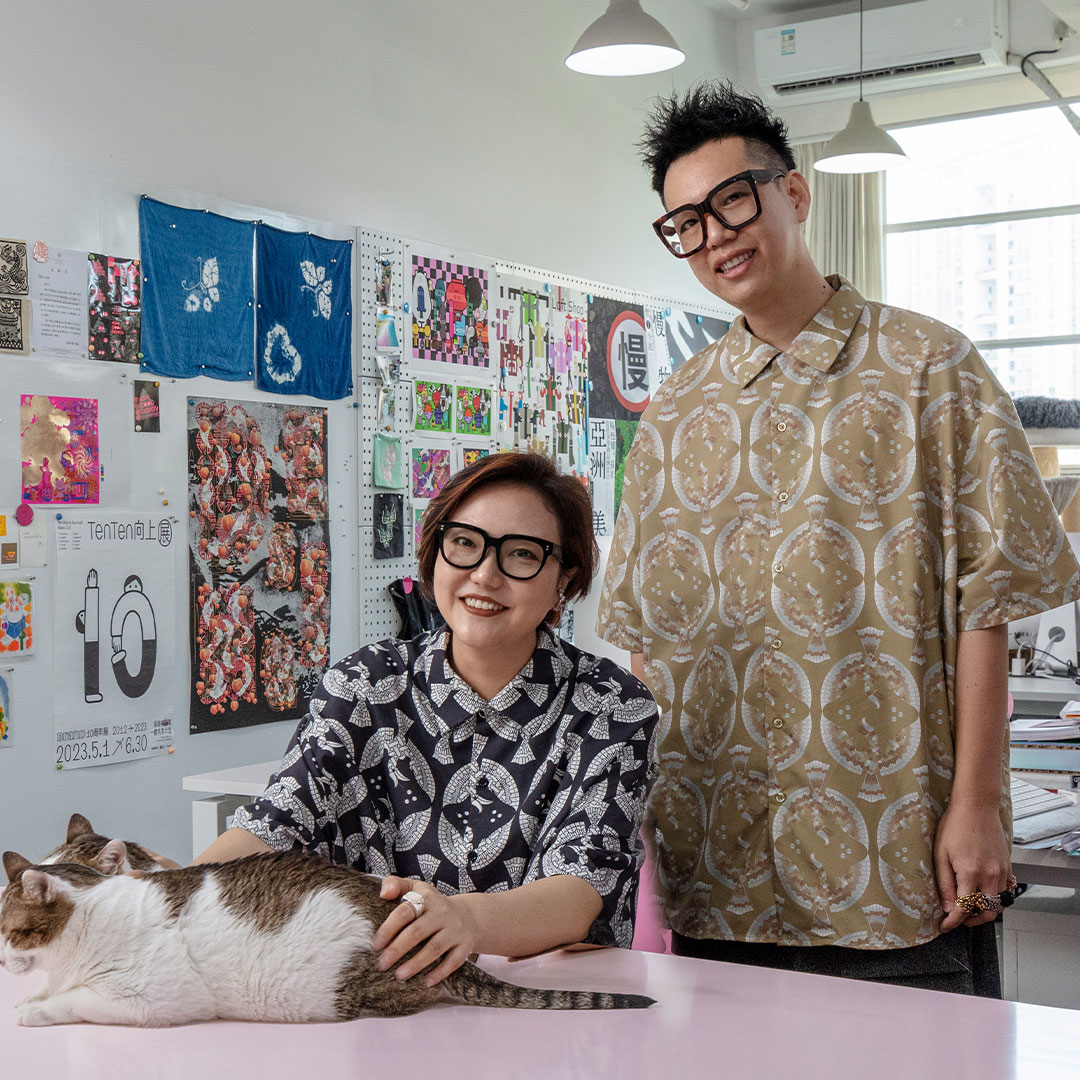
Visit here to read about Designing Through Connection | Siyu Gao Shares Her Perspective in the latest London Design Awards' winner interview.