GB Group HQ Tower
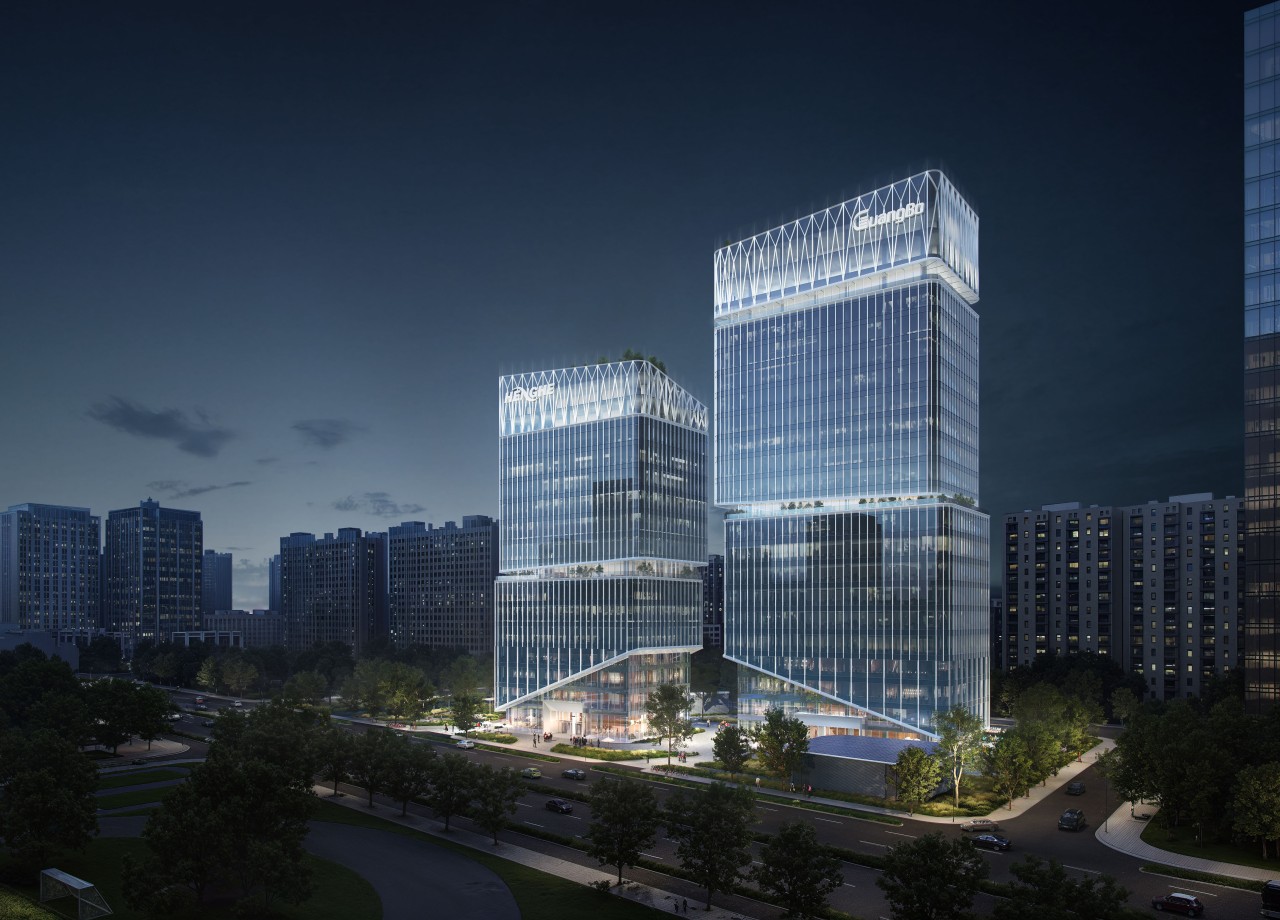
The GB Group Headquarters in Ningbo is conceived as a contemporary landmark that unites corporate...
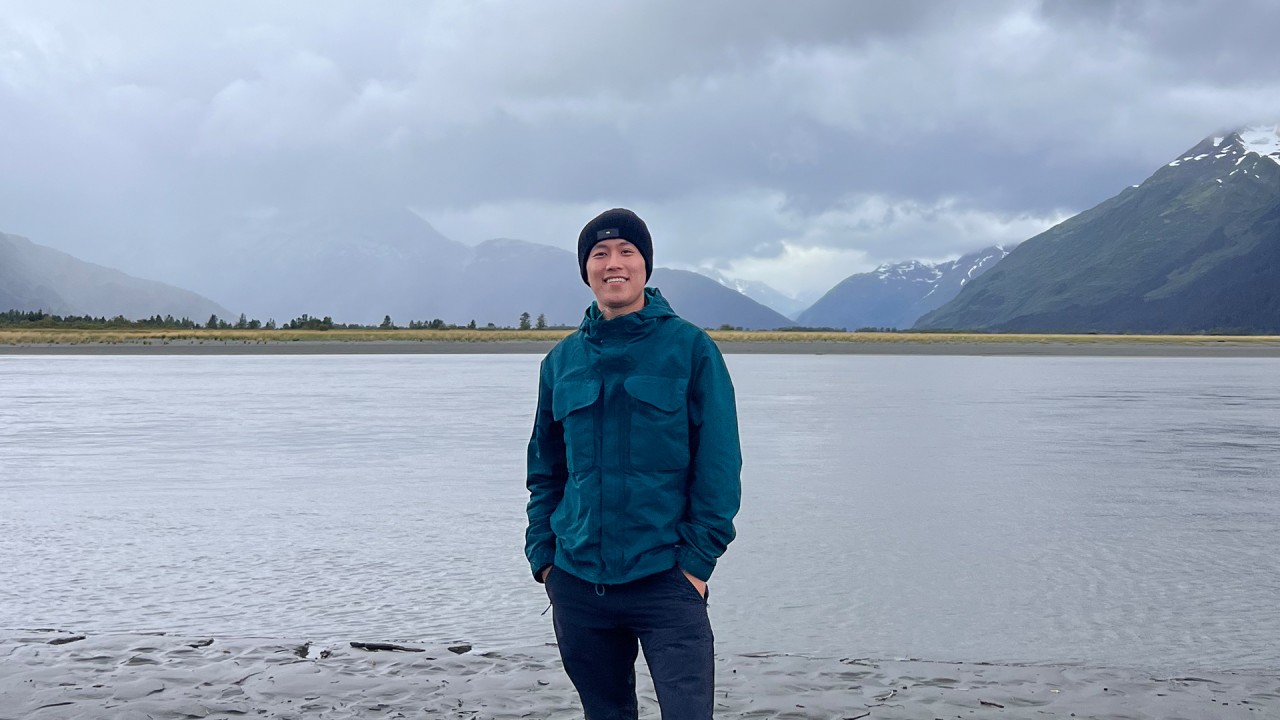
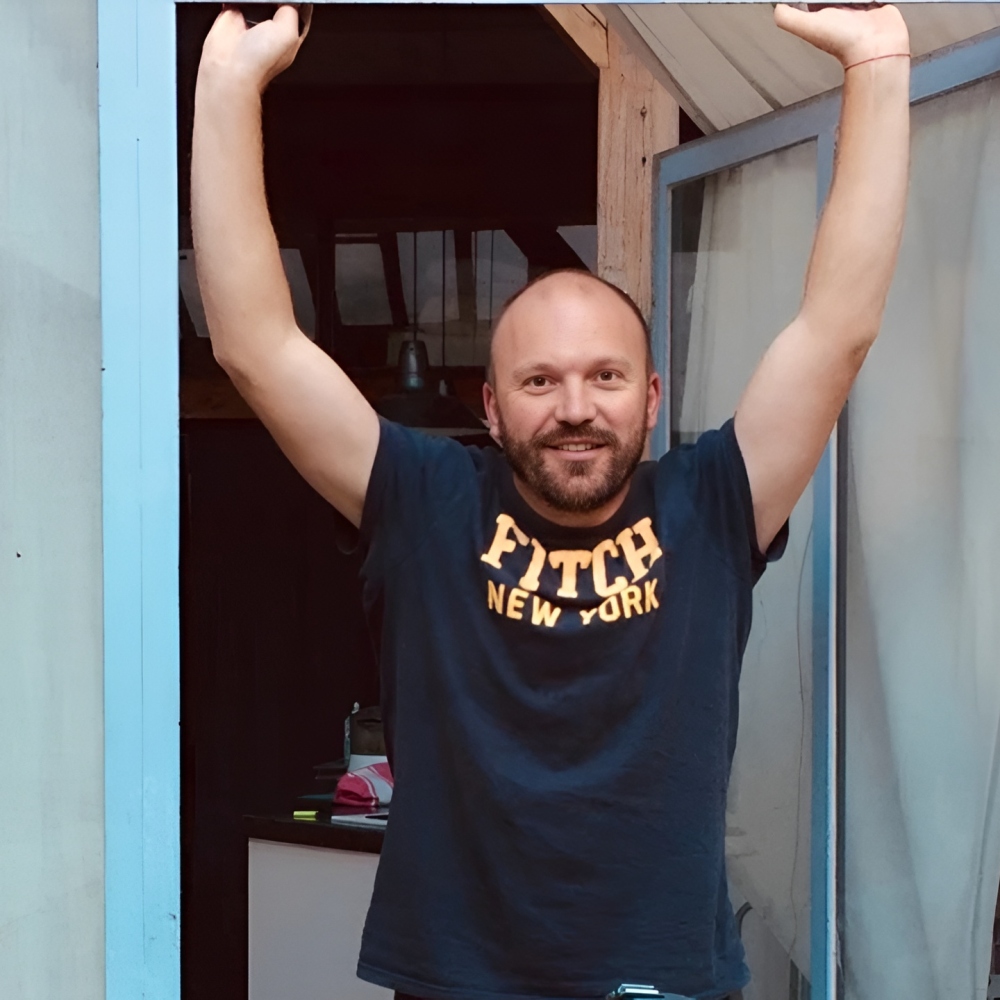
Hanqin Tang is a San Francisco-based designer with a foundation in architecture and BIM engineering, drawing on cross-cultural experiences to shape work that reflects identity and memory. His process relies on iteration, straightforward communication, and clear visual explanations to align teams and refine design decisions.
I’m Hanqin Tang, a designer based in San Francisco with a background in architecture and BIM engineering. I started loving design long before I even realised it—constantly sketching buildings, rearranging rooms, and asking why certain spaces made me feel something.
Growing up between cultures taught me that architecture is not just a physical object; it’s a language people use to express identity and memory. That personal connection is what pushed me into design.
It’s a huge encouragement. As a young designer still building my studio and creative identity, being recognised at this level tells me that the work I care about resonates with a global audience. It motivates me to continue exploring ambitious ideas.
It opened up conversations with other designers, potential collaborators, and a few media platforms. The award also gives more visibility to my conceptual and competition work, including future design research. It’s creating momentum that pushes me to take my independent practice more seriously.
Experimentation is a must. For the GB Group Headquarters Tower, I explored how vertical massing, shading systems, and façade rhythms could respond to local climate conditions.
One of the key elements—the perforated tower crown—actually came from a late-night test combining urban wind studies with light modelling. It was experimental, but it ended up defining the building’s identity.
Once, I was inspired by airport runway lights—their rhythm, distance, and repetition. It made me think about how light can guide movement vertically, which later influenced some of my tower façade concepts.
That’s not a straight line. The final tower form may look clean and intentional, but the process behind it is messy—failed models, weird experiments, and sketches that didn’t survive. Good design is built on iteration.
I try to find the shared intention behind the project. When both sides understand the deeper goals—identity, sustainability, clarity—decisions become easier. And honestly, clear diagrams and simple storytelling help a lot when negotiating design directions.
The biggest challenge for GB Group HQ Tower was balancing corporate presence with environmental performance. I wanted the building to feel iconic without relying on superficial gestures. I solved this by designing a responsive façade system that shifts density based on sun exposure, giving the tower a dynamic look and practical shading. This dual-purpose strategy became the heart of the project.
I go outside—tennis, long walks, or exploring random neighborhoods. Sometimes I look at maps for no reason. And my cat, Sesame, usually jumps on my desk and forces me to take a break. Inspiration shows up once I stop forcing it.
I care a lot about identity and clarity. My work often explores transitions—light to shade, solid to porous, private to public. Maybe because I’ve moved through many environments in my life, I naturally design with these “in-between moments” in mind.
Don’t wait for “perfect.” Publish your work, keep learning, and experiment constantly. A small improvement every day builds up faster than you think.
Sou Fujimoto—his sense of imagination is incredible. Or perhaps someone like Norman Foster, just to experience that level of precision and discipline.
Question: “What emotion do you hope your buildings create?”
Answer: I hope they feel calm and clear—like the building knows what it wants to be. That feeling of clarity is something I always chase in design.
Read more design interviews through Adaptive Thinking in Interior Design: Insights from Hao Wu here.