Marketing Awards for Startups | Small Business Awards Guide
SEPTEMBER 16, 2026
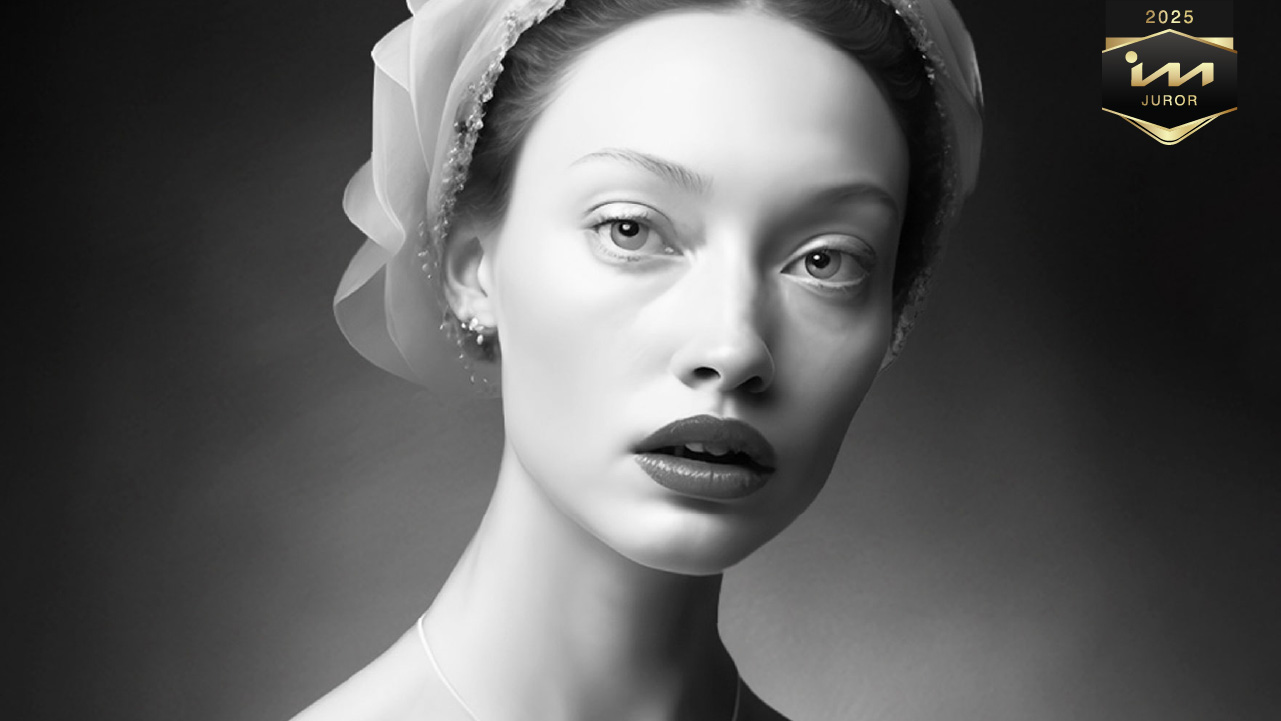
Patrizia Burra, a 2025 IAA Juror, brings her background as an award-winning photographer and visual artist into the judging process, with a practice defined by emotional storytelling, technical excellence, and a deep understanding of what elevates creative work to an award-winning standard.
I am a fine art photographer with a strong background in creative visual storytelling, portraiture, and conceptual image-making. My work focuses on emotional, surreal, and cinematic imagery, often combining refined photographic technique with symbolic narratives, dramatic lighting, and a highly polished aesthetic.
Over the years, I have developed a recognizable visual language based on elegance, emotional tension, painterly light, and meticulous attention to detail. I hold the MQEP title, which reflects a high professional standard in photography, and my work has been connected to the world of fine art, editorial imagery, creative education, and visual experimentation.
My expertise includes fine art portrait photography, creative direction, image concept development, post-production, visual branding, and, more recently, the integration of AI tools such as MidJourney into artistic workflows. I am particularly interested in how traditional photography and artificial intelligence can coexist, expanding the possibilities of contemporary visual creation while preserving artistic identity and emotional depth.
In addition to producing my own work, I also create educational content and guide others in developing stronger visual concepts, artistic consistency, and more sophisticated image-making processes. My creative industry experience is therefore both practical and conceptual: I work as an artist, photographer, visual strategist, and mentor, with a deep understanding of how images can communicate identity, emotion, and narrative.
I have had the honor of serving as a judge for the MUSE Creative Awards as part of my broader involvement in international creative and photography awards. While my role as a judge is rooted in my long-standing experience as a fine art photographer, what truly motivated me to accept this position was the opportunity to support and recognize creative excellence on a global level.
For me, judging is not only about evaluating technical quality or visual impact. It is also about understanding the intention behind a work, its emotional strength, its originality, and its ability to communicate something meaningful. I have always believed that creativity should disturb, move, and challenge the viewer, and this role allows me to encounter artists and creators who are pushing visual language forward.
Being part of the MUSE Creative Awards is also a way to contribute to the creative community: to encourage innovation, celebrate strong artistic identities, and help give visibility to work that deserves international recognition.
I usually evaluate creativity through a balance of concept, execution, emotional impact, and originality. For me, a strong creative entry is not simply something beautiful or technically well produced. It must have a clear idea behind it—a visual or conceptual intention that gives the work depth.
I look for entries that show a distinctive point of view, where the creator has not only followed trends but has brought something personal, unexpected, or memorable to the project. Technical quality is also important: composition, lighting, color, rhythm, post-production, typography, or visual structure, depending on the category. But technique alone is never enough.
The work must create a reaction. It should make the viewer pause, feel, question, or remember. I also pay attention to coherence. A truly creative project has harmony between the idea and the final execution. Every element should feel intentional, from the visual language to the emotional tone.
Ultimately, I consider an entry creative when it combines original thinking, strong craftsmanship, emotional resonance, and a clear artistic or strategic identity. Creativity, to me, is not only invention—it is the ability to transform an idea into something powerful, meaningful, and visually unforgettable.
I ensure a fair and unbiased evaluation process by focusing on the work itself, not on the name, reputation, background, or visibility of the creator behind it.
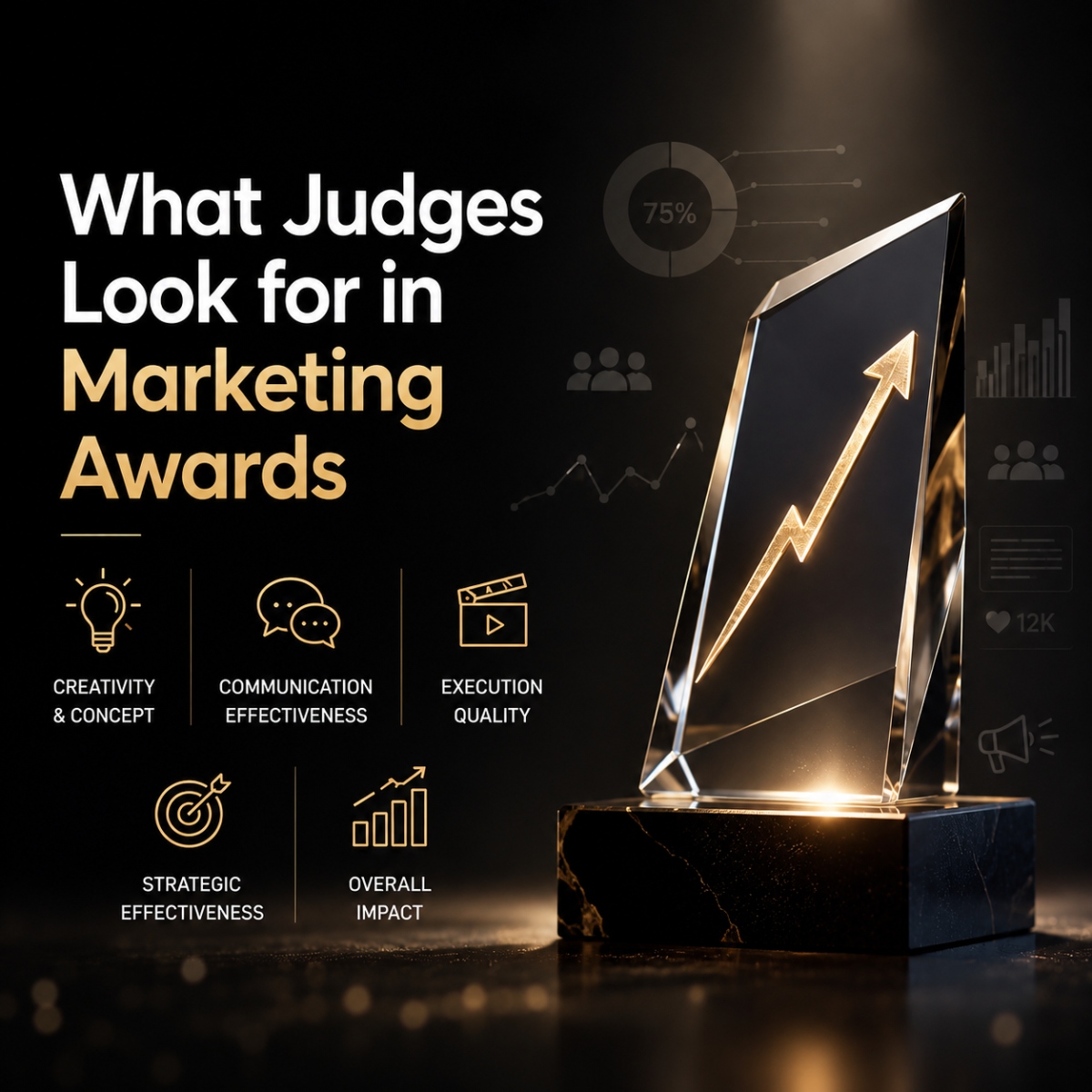
When judging, I try to approach each entry with a fresh and open mind. I look at the clarity of the concept, the originality of the idea, the quality of the execution, the emotional or strategic impact, and how well the final result responds to its purpose. These criteria help me stay grounded and consistent throughout the evaluation process.
I also believe it is important to separate personal taste from professional judgment. A project may not belong to my own aesthetic world, but it can still be extremely strong, intelligent, innovative, or beautifully executed. As a judge, my responsibility is to recognize excellence in many different visual languages, not only in the ones closest to my personal style.
Fairness, for me, means giving every entry the same level of attention, respecting the intention behind the work, and evaluating it with honesty, sensitivity, and professional distance. A strong piece should be recognized because of its merit, its impact, and its creative strength.
What I find most rewarding is the opportunity to discover creative work from different cultures, industries, and artistic perspectives. Being part of the MUSE Creative Awards jury panel allows me to see how creators around the world interpret ideas, emotions, brands, and stories through their own visual language.
For me, the most meaningful part is recognizing work that has true identity—projects that are not only technically strong, but also emotionally intelligent, original, and memorable. It is inspiring to encounter creators who take risks, challenge conventions, and transform an idea into something visually powerful.
I also see this role as a way to give back to the creative community. As an artist, I know how much dedication, sensitivity, and discipline are behind a strong project. Being able to acknowledge that effort and help bring visibility to deserving work is both an honor and a responsibility.
Ultimately, the most rewarding aspect is being reminded, again and again, of how limitless creativity can be when it is guided by vision, courage, and authenticity.
One of the most challenging decisions as a judge is often choosing between two entries that are excellent for very different reasons. For example, one project may be visually extraordinary, highly refined, and technically impeccable, while another may be less polished but much more original, courageous, and emotionally powerful.
In those moments, I try not to be seduced only by beauty or technical perfection. I return to the core criteria: the strength of the idea, the originality of the approach, the coherence between concept and execution, and the emotional or strategic impact of the work.
I ask myself: Does this piece move the language forward? Does it communicate something meaningful? Is the execution serving the concept, or is it only decorative?
A technically perfect work can be impressive, but a truly creative work must also have soul, intention, and identity. My approach is always to evaluate with professional distance while remaining sensitive to the emotional and conceptual power of the work.
The most difficult decisions are usually the ones where both entries deserve recognition, but for different qualities. In those cases, I choose the work that feels more memorable, more necessary, and more capable of leaving a lasting impression.
I stay up-to-date by constantly observing how visual culture is evolving across photography, fine art, fashion, advertising, digital media, and AI-driven creativity. For me, it is important not only to follow trends, but to understand why they appear: what they reveal about society, technology, emotion, and the way people now consume images.
I regularly look at international awards, exhibitions, editorial campaigns, contemporary artists, photography platforms, and emerging digital tools to see how creative language is changing.
At the same time, I believe that staying current does not mean simply adapting to trends. It means remaining curious, open, and critical. I study new technologies such as artificial intelligence, generative imagery, and advanced post-production tools, but I always filter them through my own artistic identity.
The creative industry moves very quickly, but true innovation still comes from vision, sensitivity, and strong ideas. So I stay informed, but I also protect my own visual voice. For me, the goal is not to follow what is fashionable, but to understand the present moment deeply enough to create work that feels relevant, personal, and timeless.
I would advise participants to focus first on the strength of the idea. A beautiful execution is important, but what truly makes an entry stand out is a clear, memorable concept with a strong identity.
The jury sees many technically polished projects, so originality becomes essential. Do not simply follow trends or reproduce what is already visually popular. Try to show a personal point of view, a fresh interpretation, or an unexpected solution. The work should feel intentional, not decorative.
I also believe that every element must serve the concept: the composition, color, typography, lighting, rhythm, storytelling, and final presentation. A strong entry has coherence. Nothing feels accidental.
Most importantly, the work should create an emotional or intellectual reaction. It should make the jury pause. It should communicate something—beauty, tension, humor, elegance, innovation, courage, or meaning.
My advice is: be precise, be authentic, and be brave. The entries that impress the jury are not always the loudest ones, but the ones that have a clear soul, a strong vision, and the power to remain in the mind after we have seen them.
Yes, absolutely. One of the most significant changes I have noticed is that creativity is becoming increasingly hybrid. The strongest entries often combine different disciplines: photography, design, film, digital art, branding, storytelling, technology, and now artificial intelligence. The borders between creative fields are becoming much more fluid.
I have also seen a growing desire for work that feels more human and emotionally honest. Even when technology is involved, the projects that stand out are not the ones that simply look futuristic, but the ones that use innovation to communicate something deeper. Emotion, authenticity, and meaning are becoming just as important as visual impact.
Another important trend is the move toward stronger conceptual narratives. Creators are no longer presenting only beautiful images or polished campaigns; they are building worlds, messages, identities, and experiences. The best work often has a clear point of view and reflects cultural, social, or emotional awareness.
Of course, AI and new digital tools are changing the creative industry very quickly. But I believe the real value is not in the tool itself. The difference still comes from the creator’s vision, sensitivity, and ability to transform technology into a personal language.
So yes, I have noticed a clear evolution: the most memorable creative work today is multidisciplinary, emotionally intelligent, visually refined, and conceptually strong.
Yes. This year, I hope to see entries that go beyond surface beauty and show a truly strong creative intention. I am always drawn to work that has a clear identity—projects where you can feel that the creator has made precise choices, not simply followed a trend.
I hope to see entries that are visually powerful, but also meaningful, emotionally intelligent, and conceptually brave. I am especially interested in how creators are responding to the current moment: the relationship between human sensitivity and technology, the role of AI in visual creation, the search for authenticity, and the need to communicate with more depth in a world overloaded with images.
My hope is to discover work that surprises me—not only because it is beautifully executed, but because it has something to say. I would love to see entries that take risks, challenge conventional visual language, and leave a lasting emotional or intellectual impression.
For me, the most exciting work is never just technically perfect. It has vision, courage, and soul.
One memorable experience from my time as a judge for the MUSE Creative Awards was encountering a project that was not only visually strong, but also deeply human in its intention. I cannot always discuss specific entries in detail, but what stayed with me was the way the creator used a simple visual language to communicate a complex emotional or social message.
The project did not rely only on spectacular effects or excessive production. Its strength came from clarity, sensitivity, and precision. Every element—the composition, color palette, rhythm, typography, and storytelling—felt intentional.
It reminded me that powerful creativity does not always need to be loud; sometimes the most memorable work is quiet, intelligent, and emotionally exact. As a judge, those are the moments I value most: when an entry surprises me not just because it is beautifully executed, but because it reveals a distinct voice and a sincere understanding of human experience.
It is a reminder that creativity, at its highest level, is not only about aesthetics. It is about meaning, courage, and the ability to create a lasting connection with the viewer.
As a judge, I believe feedback should always be respectful, precise, and useful. Even when an entry does not fully meet the award criteria, there is usually something valuable inside the work—an idea, a visual intention, a technical choice, or a direction that can be developed further.
My approach is to identify both the strengths and the areas that need improvement. I try to explain why a project may not be fully successful, rather than simply saying that it is weak. For example, the concept may be interesting but not clearly communicated, or the execution may be strong but not sufficiently original. This distinction is important because it gives participants something concrete to reflect on.
I also try to separate the creator from the work. Feedback should never discourage the artist or designer personally. It should help them understand how to make the project stronger, more coherent, more memorable, or more aligned with its intended message.
For me, constructive feedback means offering clarity with sensitivity. The goal is not only to judge, but also to encourage growth. Even when an entry does not receive recognition, it can still become an important step in the creator’s artistic or professional development.
2025 IAA Juror
MUSE Creative Awards, London Photography Awards, European Photography Awards and TITAN Brand Awards
────────────────────────────