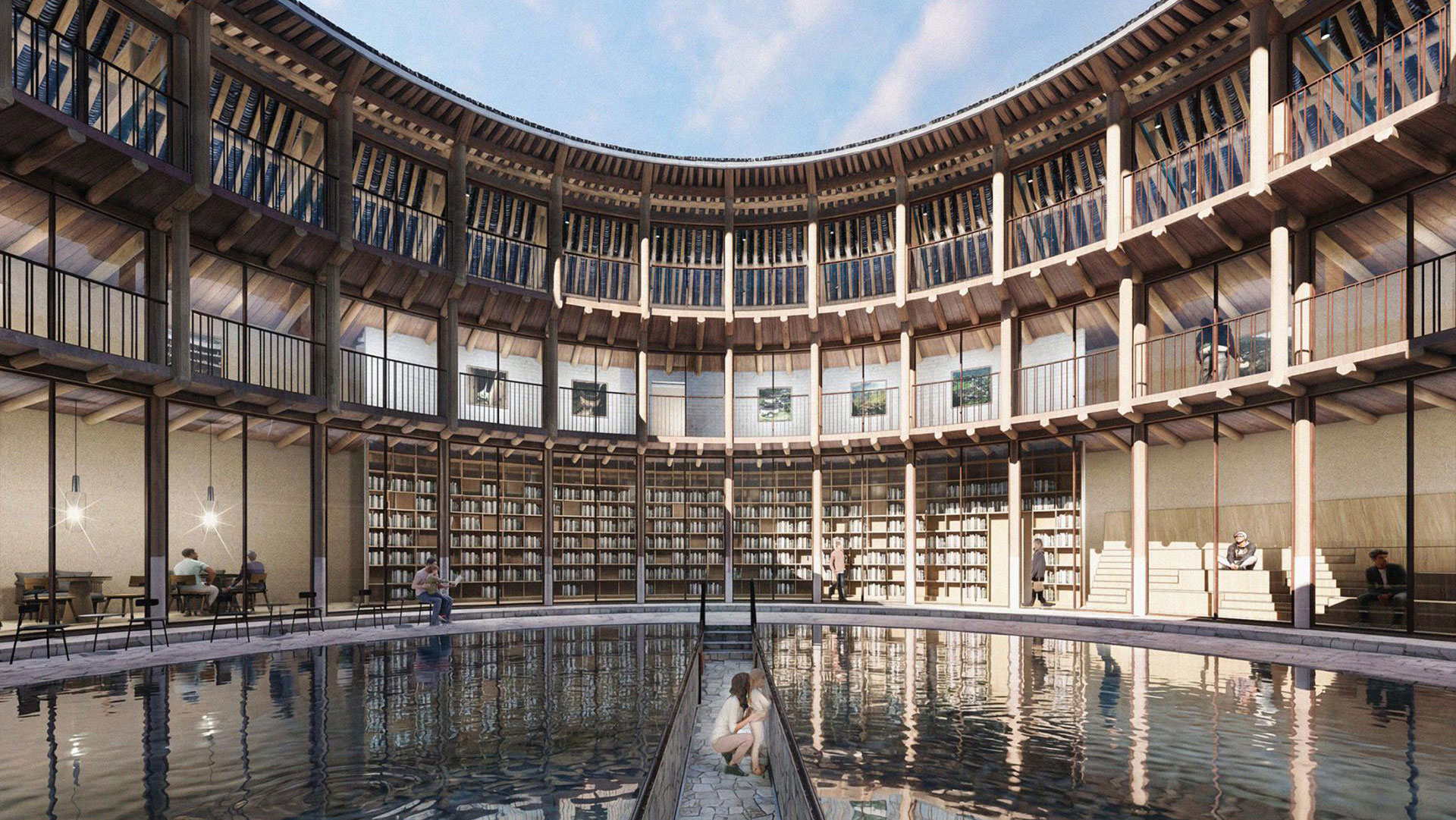
The watcher - TULOU Photography Museum
De Xing Tulou is a circular earthen building located in Xiaban Village, Shiyang Town, positioned...
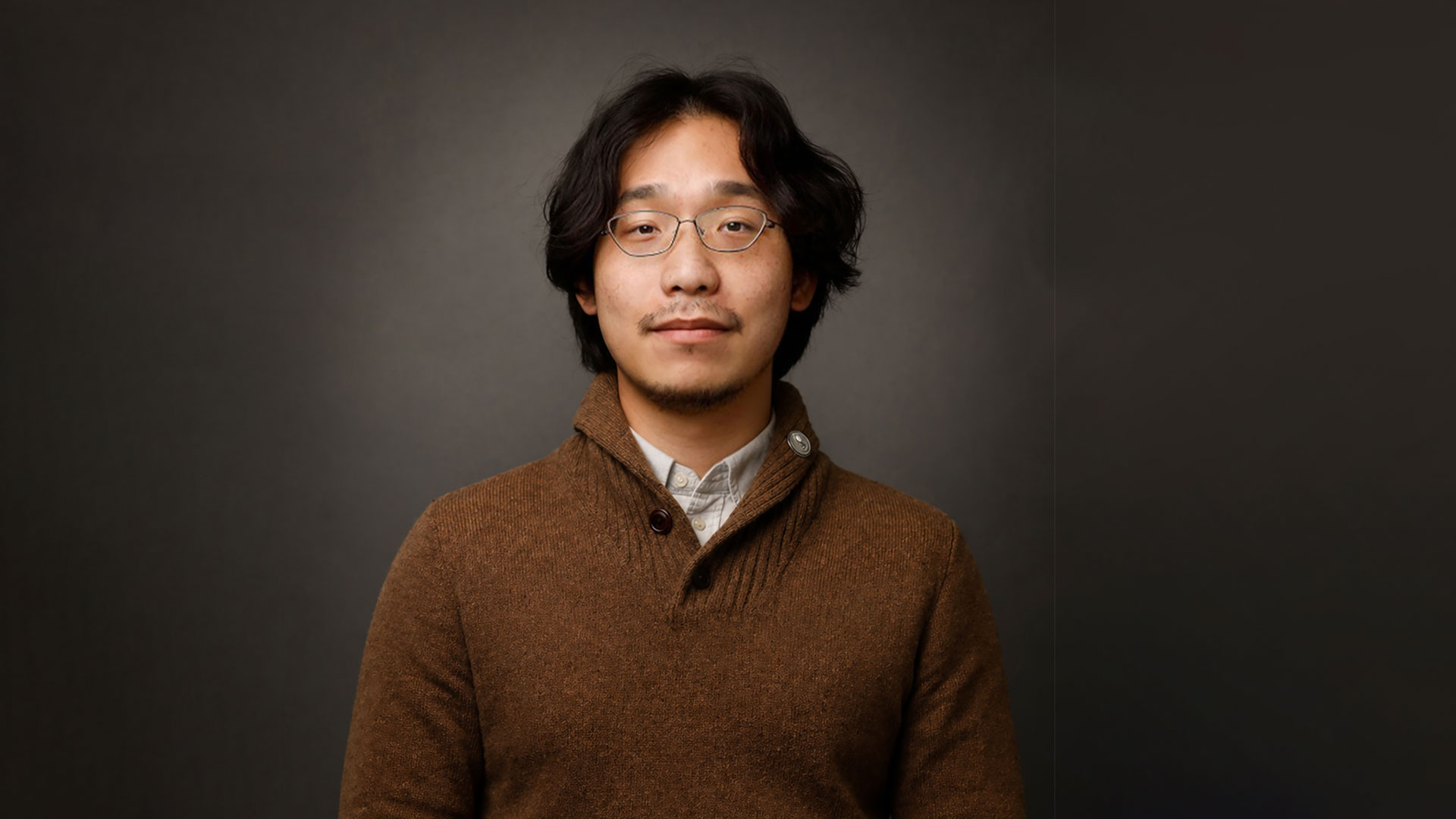
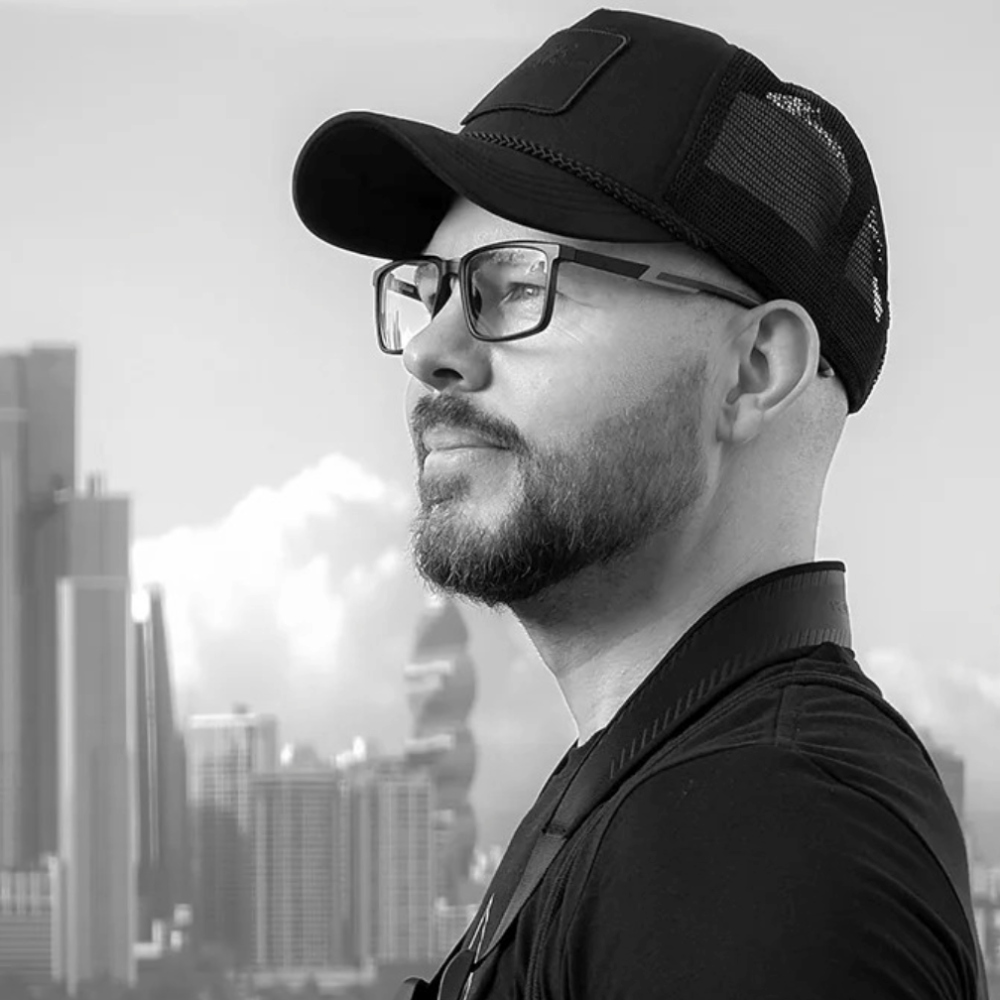
Kangyi Shen is a designer driven by an enduring curiosity about how spaces change over time. Through architecture, landscape, and interior design, he investigates the relationship between materiality, memory, and transformation, crafting environments that are as reflective of history as they are responsive to contemporary life.
My name is Kangyi Shen, and I am a designer working across architecture, landscape, and interior design. My approach focuses on integrated spatial thinking, with careful attention to planning, massing, materiality, light, and the dimension of time.
I was born and raised in Beijing, a city layered with history and complexity—almost like a palimpsest. The tension between its historic urban fabric and rapid contemporary development has profoundly shaped my perspective. This coexistence creates both vibrancy and friction, revealing challenges related to preservation, livability, and evolving cultural and commercial identities.
Navigating these conditions helped me understand design not simply as a formal exercise, but as a means of reinterpreting environments and improving the way people live within them.
I am particularly drawn to the temporal qualities of materials—the patina formed through sunlight, oxidation, and everyday use—and to the stories embedded in buildings and objects over time. This sensitivity to memory and transformation continues to inspire my work, driving me to explore design as an open-ended process that connects the past, present, and future.
Being recognized by the MUSE Design Awards is both an honor and a meaningful affirmation of my design approach. My work in historic preservation and adaptive reuse often diverges from conventional methods taught in academia or commonly seen in practice. Rather than prioritizing extensive alterations, I am interested in a "less is more" strategy—minimizing intervention within the existing fabric and introducing carefully considered additions alongside it.
This approach allows the original structure to retain its physical and experiential traces of history while enabling it to meet contemporary needs through new interventions. Recognition from MUSE suggests that this line of exploration has value and relevance, encouraging me to continue developing this design methodology with greater rigor and confidence.
Experimentation is at the core of my creative process. I rarely begin with a clear image of the final result; instead, I work through drawing, modeling, and continuous testing, allowing the design to emerge over time.
For me, meaningful design is not something predetermined, but something discovered—often through moments of uncertainty and persistence.
This process can feel slow and unresolved, as though the project is circling around an answer without quite reaching it. Yet through sustained exploration, there comes a moment when the idea reveals itself—almost as if it were encountered rather than created. At that instant, there is a quiet clarity that it is the right direction.
What began as a practical effort to address steep circulation and dark, enclosed interiors gradually evolved through numerous iterations. I explored many conventional solutions, but none felt sufficient. It was only through extensive experimentation that an unexpected approach emerged—one I had not anticipated at the outset. From that point, the project developed rapidly into a coherent and resolved design.
This experience reinforces my belief that experimentation is not merely a tool, but a way of thinking—one that allows design to move beyond the familiar and toward something more intuitive, layered, and meaningful.
Some of my most meaningful ideas have emerged from what initially seemed like failed attempts or accidental mistakes. There have been moments when I pursued a direction with hesitation, sensing it might be right but unsure whether it would truly succeed.
Surprisingly, those uncertain explorations have often led to the most original outcomes. What began as a "wrong move" revealed possibilities I would never have discovered through a more controlled or predictable process.
Over time, I have come to see these moments not as setbacks, but as an essential part of design thinking. They reinforce my belief that creativity often emerges at the edge of uncertainty, and that even a mistake can become a breakthrough if you are willing to follow where it leads.
One thing I wish more people understood is that what appears to be an obvious or "natural" design solution is often the result of a long and rigorous process of exploration. These solutions do not exist until they are discovered through time, iteration, and critical thinking.
The most successful designs may take countless hours to develop, yet they are often understood or accepted in an instant. Because they feel intuitive—almost like common sense—they can seem inevitable. In reality, they are not.
This is the power of the design process: transforming complexity, uncertainty, and effort into something that feels effortless, clear, and inevitable.
I do not see client expectations and design intent as inherently opposing forces that require compromise. More often, they are misaligned at the level of expression rather than intention.
Clients tend to articulate their needs in concrete terms, but those expressions often reflect deeper, more abstract goals. At times, what is presented as a requirement may not fully capture what they are truly seeking. As designers, it is our responsibility to interpret those underlying intentions—whether they relate to comfort, identity, functionality, or long-term value.
Once those core needs are clearly understood, the perceived conflict often disappears. Rather than balancing two opposing sides, the process becomes one of alignment, where design intent and client expectations reinforce one another. In this way, the project moves forward not through compromise, but through shared clarity.
Every project carries its own challenges, especially when the goal is to arrive at something unfamiliar—something I have not previously imagined. Reaching that point can be demanding, even uncomfortable, as it requires navigating uncertainty without a clear answer in sight.
For me, this difficulty is not something to overcome in a conventional sense, but something to work through with patience and persistence. It is through the process of searching, testing ideas, discarding them, and starting again that the design gradually reveals itself.
Over time, I have come to trust this journey. What may initially feel like a struggle often becomes the very condition that allows a project to evolve into something meaningful, unexpected, and ultimately resolved.
When I encounter a creative block, I step away. In my experience, solutions rarely come from forcing a problem. More often, they emerge when there is enough distance to see things from a different perspective.
I am deeply drawn to time, materiality, and the sense of serendipity I encounter across different places and moments. I am fascinated by the way materials change—how light, weather, and use leave subtle traces that carry memory over time.
Many of these impressions are small and unintentional: a surface aged by sunlight, a quiet spatial moment, or an atmosphere that lingers without explanation. I tend to collect these experiences instinctively, and they remain with me, shaping my intuition.
In my work, I try to translate these accumulated memories into spaces—spaces that are not only functional, but also quietly responsive to time, open to change, and capable of holding traces of life as they evolve.
My advice would be to focus on what genuinely interests and motivates you, rather than on where it might lead. Design, at its core, is a process of exploration, expression, and engagement with life—not simply a pursuit of recognition or achievement.
When the work is driven by curiosity and passion, the outcomes tend to be more meaningful and authentic. In that sense, success becomes a byproduct of a thoughtful and committed design process rather than the primary goal.
I would choose Geoffrey Bawa. I feel a strong resonance with his work, particularly in the way his designs transcend purely functional or problem-solving approaches. His architecture often feels intuitive, atmospheric, and deeply poetic.
What I admire most is his ability to create spaces that do not always seek to answer a question directly, but instead exist with a quiet clarity and beauty of their own. There is a sense of effortlessness in his work, where architecture becomes an experience rather than a statement.
That sensibility aligns closely with how I aspire to approach design—allowing space for intuition, emotion, and poetry to coexist with function.
A question I would appreciate is, "How did this design come to be?" because it suggests the work feels both compelling and unfamiliar, without relying on direct references.
Interestingly, I would not give a straightforward answer to that question. For me, design is not the result of a single idea or moment, but rather an accumulation of intuition, experimentation, and exploration. It is often difficult to trace a project back to a clear origin, and perhaps that ambiguity is part of what gives the work its character.