Autism School: Digital Early Support for Families of Young Autistic Children in Ireland
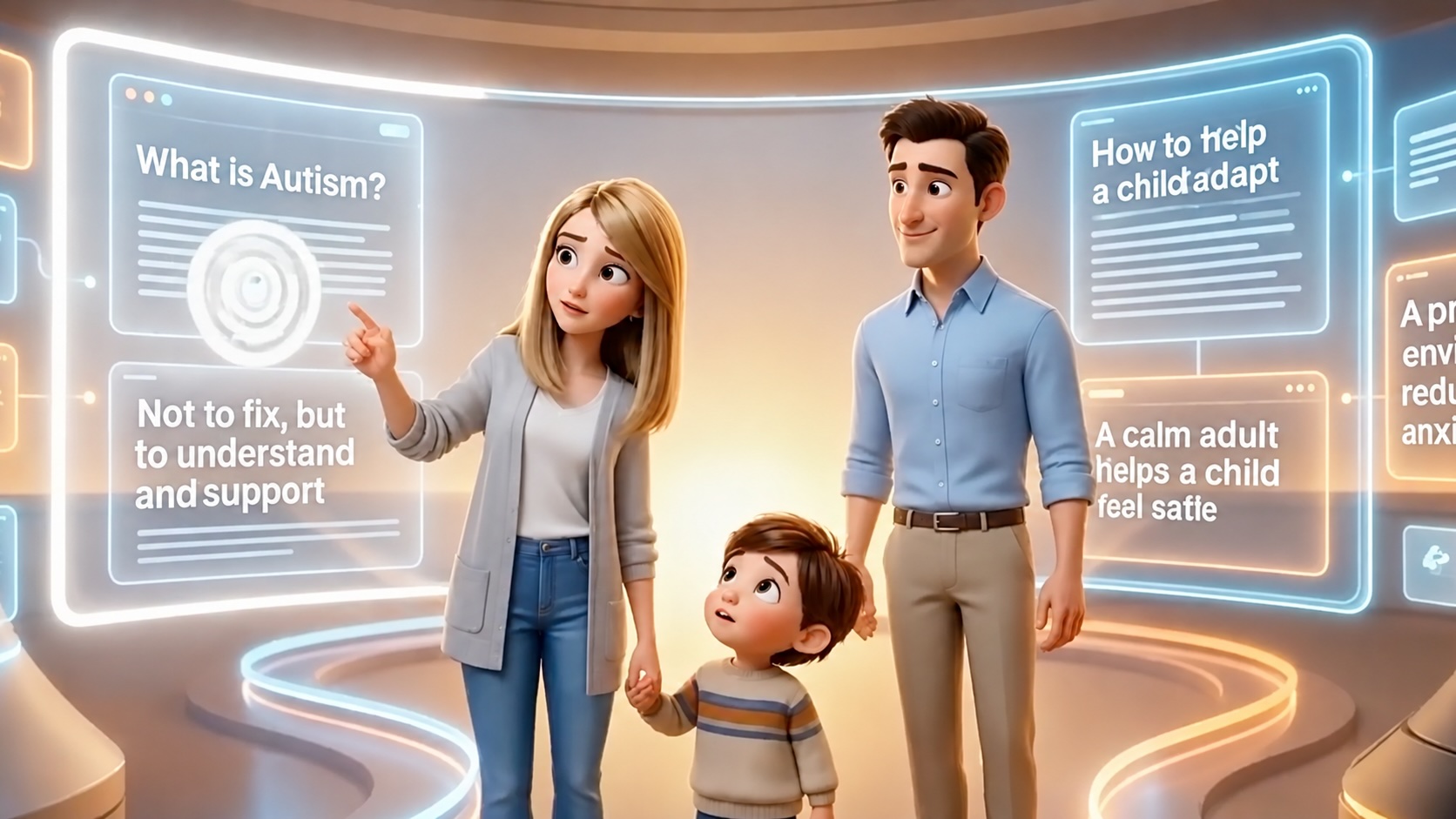
Autism School is a digital early-support programme designed for families of young autistic children in...

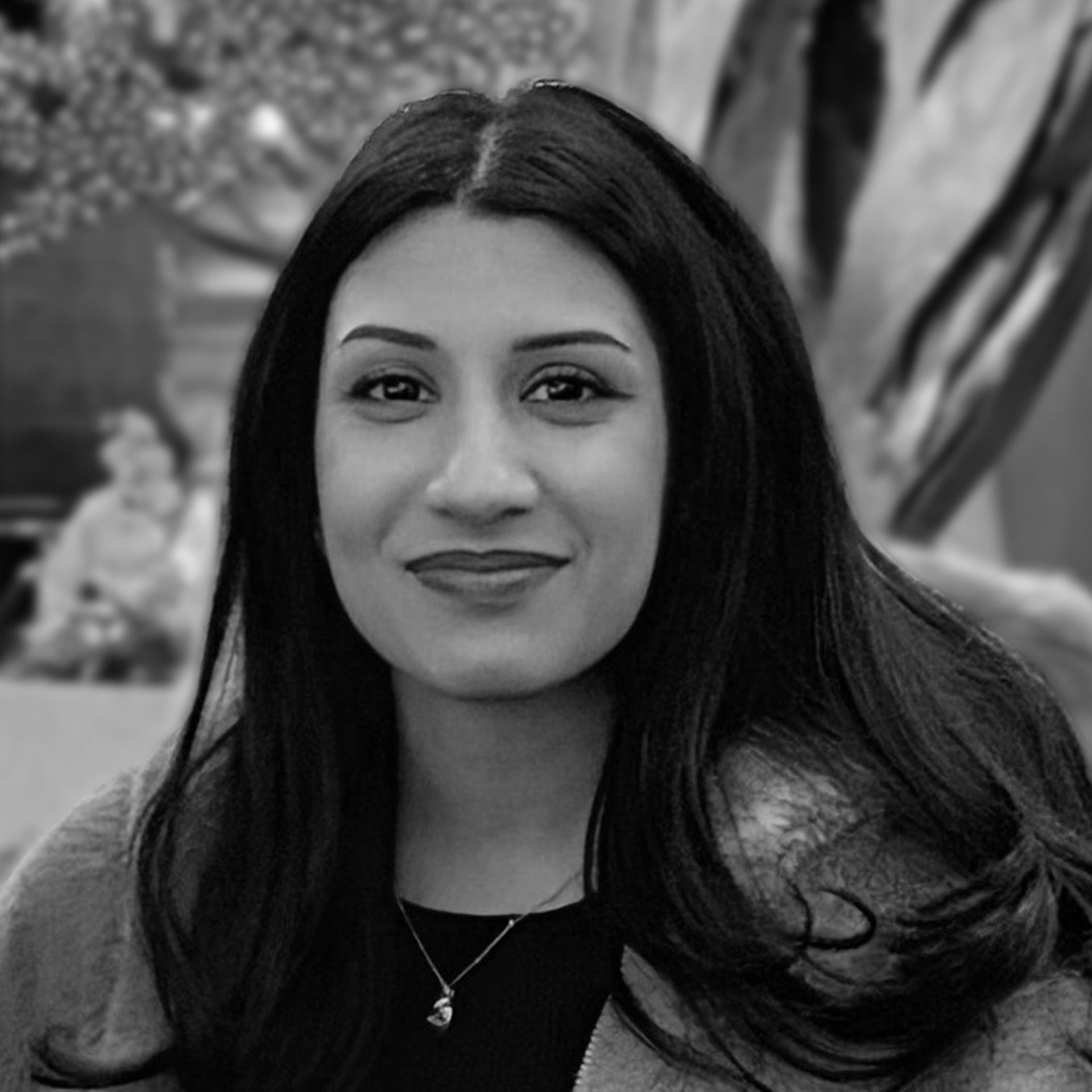
Ruslan Kurmashev is a medical doctor and researcher working at the intersection of digital health, AI, and autism support. His work focuses on translating scientific knowledge into practical tools that make early support more accessible for families and healthcare professionals.
I am a medical doctor by training and a researcher working at the intersection of computational biology, biomedical science, digital health, and autism support. My professional background combines clinical experience working with children with autism and other developmental conditions, biomedical research, medical data analysis, and the development of digital tools designed to support families in practical and accessible ways.
I currently work as a Research Assistant in the Department of Biological Sciences at Munster Technological University in Ireland. My work focuses on early autism identification, medical AI, biomarkers, digital family support, and translating scientific knowledge into clear, structured tools that parents and professionals can use in real-world settings. I also have experience serving as a scientific reviewer for international journals and conferences in areas such as digital health, neurodevelopment, biomedical AI, and computational biology. This experience has strengthened my ability to evaluate evidence quality, study design, and the real-world applicability of health-related digital solutions.
Autism School was created as a natural extension of my clinical, research, and educational background. It is a digital early-support program for families of young autistic children, designed to provide structured, practical, and accessible guidance during the waiting period before formal diagnostic or therapeutic services become available.
The main motivation behind creating Autism School came from my experience working with families of children with autism and other developmental conditions. I saw how challenging the period can be between the first signs of concern, a diagnosis or suspected autism, and access to formal support. During this time, families often face long waiting lists, fragmented information, conflicting advice, and a lack of clear guidance on what to do at home, how to support their child, which specialists to approach, and how not to lose valuable time.
It is important to recognize that this period should not be one of passive waiting. Even before formal therapy begins, parents can do a great deal to support their child’s communication, daily routines, sensory needs, emotional regulation, and everyday functioning. What families need is not overwhelming medical theory, but practical, structured, and accessible guidance that can be applied at home step by step.
This initiative was created to address this gap. Its goal is to provide families with an accessible digital starting point through concise educational materials, practical home-based activities, clear explanations, and tools that help parents take action earlier, with greater confidence and consistency, while awaiting diagnostic or therapeutic services.
The impact of the initiative lies in reducing parental uncertainty and transforming the waiting period into a time of informed support. For families, this means greater clarity and confidence. For children, it creates a more stable and supportive home environment. For the broader community, it offers a scalable model of early digital support that can help reduce inequalities in access to evidence-informed information and practical resources.
My winning entry is a digital early-support program for families of young autistic children. It was created as a practical bridge between parents’ initial concerns, the waiting period for diagnosis or therapy, and the meaningful steps families can begin taking at home right away. It does not replace clinical diagnosis or therapy; rather, it provides parents with a structured framework for education, guidance, and practical support.
As Founder and Lead Developer, I am responsible for the overall vision of the program, its evidence-informed foundation, module structure, practical resources, and digital development. My role is to connect clinical understanding, family needs, research-based knowledge, and digital design into a parent-friendly learning experience.
My responsibilities include developing the program’s content and logic: determining which topics should be covered, how parents progress through them, what activities can be safely implemented at home, and how complex concepts can be communicated in a clear and accessible way. I also work to ensure that the program remains grounded in current evidence related to autism, early support, communication, sensory needs, emotional regulation, and family-centered care.
In addition, I design the user journey—from a family’s first interaction with the program through guided learning modules and home-based activities to understanding which specialists or services may be appropriate as next steps. Throughout the process, I prioritize clarity, safety, ethics, and realistic expectations so that parents feel empowered to act with confidence and consistency.
I also oversee the technical and product development aspects of the project, including the roadmap, pilot materials, outcome-evaluation framework, user tools, templates, checklists, and digital resources. Ultimately, my goal is to make Autism School a scalable, accessible, and practical model of early digital support for families.
Since this initiative is currently in the pre-launch and pilot-development stage, I do not want to present formal user testimonials before collecting pilot data and family feedback. However, the idea for the project emerged directly from recurring situations I observed while working with families of children with autism and other developmental conditions.
One representative example involved a young child showing clear signs of concern, including delayed speech, limited response to their name, difficulty transitioning between activities, sensory sensitivities, and frequent episodes of emotional overload. The parents understood that their child needed support, but they did not know where to begin. They were waiting for specialist consultations and receiving conflicting advice from online sources and people around them, yet they lacked a clear, safe, and structured plan for how to support their child at home.
In situations like these, even simple steps can make a meaningful difference. Parents can learn how to observe their child’s behavior without panic, establish more predictable daily routines, use play-based interactions to encourage communication, identify sensory triggers, and prepare for future engagement with professionals. For many families, this is the point at which anxiety begins to shift into purposeful action.
This was created to address exactly these challenges. Its purpose is not to replace diagnosis or therapy, but to provide families with practical, evidence-informed support during the waiting period through clear explanations, home-based activities, observation tools, and guidance on next steps. The intended impact is to help parents feel more confident and less overwhelmed while providing children with a more stable and supportive home environment even before formal services begin.
I was inspired to create not just an informational resource about autism, but a clear and practical digital pathway for families experiencing anxiety, uncertainty, and long waiting periods. In the field of autism, there is a wealth of scientific research, clinical guidance, and professional knowledge. However, for parents in the early weeks and months after noticing signs of concern, this information can often feel overwhelming, fragmented, or difficult to apply in everyday life.
My goal was to translate evidence-informed knowledge into a simple, structured, and accessible format. My winning entry was designed as a space where parents can do more than read general information. It helps them understand what may be happening, recognize their child’s needs, learn what can be safely done at home, create more predictable routines, support communication and emotional regulation, and navigate the next steps in the care journey.
The core idea behind the project is to transform the waiting period from a time of uncertainty into a clear, step-by-step process. Instead of overwhelming medical information, this project offers concise learning modules. Instead of abstract advice, it provides practical home-based activities. Rather than leaving families wondering what to do next, it offers a structured framework built around small, realistic actions.
The main message I hope to convey is that early support should not begin only when a family reaches a specialist. It can begin earlier—at home, through understanding, consistency, respect for the child’s needs, and support for parents. My project also demonstrates that digital tools do not have to feel impersonal; they can serve as an accessible bridge between science, practice, and everyday family life.
Ultimately, the goal of the project is to help parents feel understood, supported, and empowered. Even during the waiting period, they can take meaningful steps forward with confidence, clarity, and purpose.
The unique creative approach behind this project is its ability to translate complex medical and scientific information about autism into a clear, practical, and accessible format for parents. Rather than functioning as a traditional medical reference resource, it was designed as a step-by-step digital pathway that guides families from uncertainty and anxiety toward meaningful actions they can take at home.
One of the project’s key creative elements is its parent-centered perspective. Instead of focusing solely on the healthcare system, Autism School is built around the lived experiences of families: the first signs of concern, the waiting period before consultation, the flood of conflicting information, the fear of making mistakes, and the desire to help a child as early as possible. This approach makes the message more human, showing that early support is not an abstract clinical concept but a series of practical daily actions that can create a more stable and supportive home environment.
A second key element is microlearning design. The materials are intentionally concise, clear, and manageable, allowing parents to engage with them without feeling overwhelmed. Each topic is connected to a practical action, whether observing behavior, trying a home-based activity, adapting a routine, identifying sensory triggers, supporting communication, or preparing for the next step in the care journey. This helps transform information into action.
The third element is visual simplicity and intuitive navigation. Through clear structures, checklists, templates, roadmaps, concise instructions, and practical activity cards, families can quickly understand what to do next. This is especially important in a health-related project, where users are often navigating information while feeling stressed, anxious, or emotionally exhausted.
The fourth element is a gentle, nonjudgmental communication style. Autism School does not suggest that parents must become experts or do everything perfectly. Instead, it emphasizes that small, consistent steps, a deeper understanding of a child’s needs, and calm family support can make a meaningful difference over time.
In this sense, the creative dimension of this initiative extends beyond visual design. It lies in the integration of medical accuracy, digital learning design, storytelling, and practical tools. The ultimate goal is to make the complex topic of autism feel less intimidating and more accessible for families seeking support in everyday life.
I hope it raises awareness of an important but often overlooked challenge: families of young children showing early signs of autism may spend months waiting for diagnosis or therapy without access to clear, practical guidance. The project emphasizes that this waiting period should not be passive. Parents can begin providing simple, safe, and consistent support at home long before formal services become available.
In terms of behavior change, it helps parents move from anxiety and fragmented information-seeking toward more structured and purposeful action. This includes observing their child’s needs, establishing predictable routines, supporting communication, identifying sensory triggers, and preparing more effectively for professional consultations.
Its contribution to health outcomes is not intended to replace diagnosis or therapy, but to strengthen early family support. By providing greater clarity for parents, a more stable home environment for children, and a more informed pathway to professional care, Autism School aims to help families navigate the early stages of the autism journey with greater confidence and understanding.
In the advertising and presentation materials for this project we focused not on fear or medical complexity, but on clarity, hope, and practical action. The central message is that parents should not feel alone during the waiting period and that meaningful support can begin at home long before formal services become available.
To communicate this message effectively, we use a simple visual structure, concise language, relatable family scenarios, roadmaps, checklists, and practical activity cards. These elements help parents quickly understand not only the challenges they face, but also the next concrete step they can take.
What makes the approach unique is the combination of evidence-informed content with a warm, nonjudgmental tone. Rather than overwhelming parents with medical terminology, it translates complex information into a simple and empowering message: small, consistent actions can help create a more stable and supportive environment, even before formal services begin.
Receiving this award is both a meaningful recognition and a significant responsibility for me and our team. It is especially rewarding to know that my winning entry was recognized not only as a digital project, but also as an effort to address a real challenge faced by families of young autistic children.
For me, this recognition does not mark the end of the journey. On the contrary, it highlights the project’s potential and reinforces the importance of continuing to refine, expand, and evaluate it—from enhancing the materials to piloting the program and gathering feedback from families.
It is also deeply motivating. When a project born from practical experience and a genuine desire to support parents receives external recognition, it reinforces the importance of the issue and confirms that this work is both needed and valued by the professional community.
The project we entered into the TITAN Health Award is a digital early-support program designed for families of young autistic children. It was created to support parents during the period when they may notice early signs of concern or be waiting for diagnosis or therapy, yet still lack clear and practical guidance on what steps to take.
The program provides structured educational materials, home-based activities, clear explanations, checklists, and practical tools that help parents support communication, daily routines, sensory needs, emotional regulation, and everyday functioning.
We chose to enter because it reflects a core belief: digital health solutions should be not only innovative, but also practical, human-centered, and accessible. The project demonstrates how evidence-informed knowledge can be transformed into actionable support that helps families move forward with greater confidence and clarity, while complementing—not replacing—professional diagnosis and therapy.
The biggest challenge in this project was not simply creating a digital resource, but finding the right balance between medical accuracy, practical value, and accessibility for parents. Autism is a complex and highly sensitive topic. Families need clear and timely support, but it is equally important to avoid unrealistic promises, replacing professional diagnosis or therapy, or oversimplifying complex issues.
Another challenge was translating a large body of scientific and clinical knowledge into a format that families could realistically use in everyday life. It was never intended to be an academic course or a medical manual. Instead, it was designed as a clear, step-by-step pathway featuring concise explanations, practical activities, checklists, and tools that help parents take informed and consistent action at home.
It was also important to create a solution that could scale while remaining human-centered, compassionate, and ethically grounded. For me, this is a fundamental principle: a digital health solution should not only be innovative and effective, but also safe, understandable, and respectful of the experiences of the families it serves.
Winning this award has been an important validation of the value and potential of this project. As the project is still evolving, I view this recognition not as a final destination, but as motivation to continue refining the program and advancing it through pilot testing, user feedback, and future development.
Professionally, the award has encouraged me to approach this initiative with an even more systematic perspective—not only as an educational initiative, but as a digital health solution that requires a strong evidence-informed foundation, a thoughtfully designed user journey, clear ethical boundaries, and meaningful outcome evaluation.
The recognition has also helped me communicate the project’s value more effectively to potential partners, healthcare professionals, and organizations. It provides an important level of external credibility and motivates me to continue improving the materials, preparing for pilot implementation, and gathering meaningful feedback from families.
The three aspects of the health industry that I find most distinctive are trust, the connection between science and everyday life, and the growing need for personalized support.
First, healthcare is fundamentally built on trust. Unlike many other industries, healthcare products and services can influence not only convenience, but also health outcomes, safety, family decisions, and overall quality of life. As a result, solutions must be not only innovative, but also ethical, understandable, and responsible.
Second, the health sector requires a constant balance between scientific evidence and real-world application. Even the strongest clinical guidelines and research findings are not always easy for families to translate into daily practice. One of the industry's most important challenges is turning evidence-based knowledge into practical tools that people can confidently use in their everyday lives.
Third, healthcare is becoming increasingly personalized and family-centered. This is particularly important in autism and child development, where effective support should consider not only a diagnosis, but also a child’s environment, family circumstances, access to services, culture, language, and daily routines.
As this project is presented as an Ireland-based initiative, I would say that Ireland’s distinctiveness in the healthcare sector lies in its strong combination of clinical care, digital health innovation, a robust research environment, and an increasing focus on patient-centered care.
Ireland also highlights one of the key challenges facing modern healthcare: even when professional services are available, families may still encounter long waiting times, system pressures, and difficulties navigating available support. This is particularly evident in areas such as child development, autism, and early family intervention.
For this reason, Ireland provides an important context especially for a project with such nature. It offers an environment in which digital solutions can be developed not to replace healthcare professionals, but to help families navigate the system more effectively, access practical support, and make more meaningful use of the waiting period.
Over the next five to ten years, I expect the healthcare industry to move toward earlier, more personalized, and increasingly digital forms of support. Healthcare will continue shifting from a model in which people receive help only after diagnosis to one where education, guidance, and support are available much earlier in the care journey.
Digital health tools, AI, remote support, home-based interventions, and patient-facing education will play an increasingly important role in this evolution. However, I believe the key question will not be how advanced these technologies are, but whether they are safe, evidence-informed, understandable, and genuinely useful to the people they are designed to serve.
In autism and child development, this shift may lead to earlier identification of challenges, stronger support for parents, clearer care pathways, and more accessible resources for families waiting for diagnosis or therapy. In my view, the future of healthcare should be not only high-tech, but also more human-centered, accessible, and responsive to individual needs.
I would recommend starting with three things: high-quality books, evidence-based sources, and practical application of knowledge. In healthcare, it is not enough to study theory alone; it is equally important to understand how that knowledge translates into real-world situations involving patients, families, professionals, and communities.
It is especially valuable to build a strong foundation in clinical reasoning, evidence-based medicine, digital health, patient communication, and ethics. However, the most important teacher is experience. Observing, asking questions, collaborating with interdisciplinary teams, listening to the people a solution is intended to serve, and continually evaluating whether an idea is genuinely helpful are all essential to meaningful learning and growth.
The people who have inspired me most are the children I have worked with, particularly those with autism and other developmental conditions. To me, they are true heroes. Every day, they face challenges that many people may never fully understand, yet they continue to learn, adapt, grow, and move forward with remarkable resilience.
Their determination, authenticity, and everyday achievements have profoundly shaped my understanding of healthcare. They remind me that behind every project, research initiative, or digital tool is not an abstract system, but a real child and a real family in need of clear, respectful, and practical support.
For me, the key to success is focus. When attention is directed toward a meaningful goal with consistency and purpose, results tend to follow over time. This is especially true in healthcare, where it is often more effective to deeply understand and solve one important problem than to try to address many at once.
My parting advice is to stay curious, honest, and practical. Continue learning, but do not stop at theory. Test ideas in real-world settings, listen closely to the people you are trying to help, and remember that in healthcare, success is measured not only by innovation, but by the positive impact it has on people’s lives.
I would like to thank the TITAN Health Awards for recognizing Autism School. For me, this project is more than a digital initiative—it is an effort to address a very real challenge faced by families of young autistic children: uncertainty, long waiting periods, and limited access to clear, practical support.
We view this recognition as motivation to continue developing the project, refining the materials, preparing for pilot implementation, and gathering meaningful feedback from families. Our goal is to make early support more accessible, understandable, and human-centered, helping families feel more confident and supported throughout their journey.