Clinical eTMF Inspection Readiness: Functional Quality Check (FQC) Program Leadership
I led and operationalized a Functional Quality Check (FQC) program focused on clinical eTMF completeness...
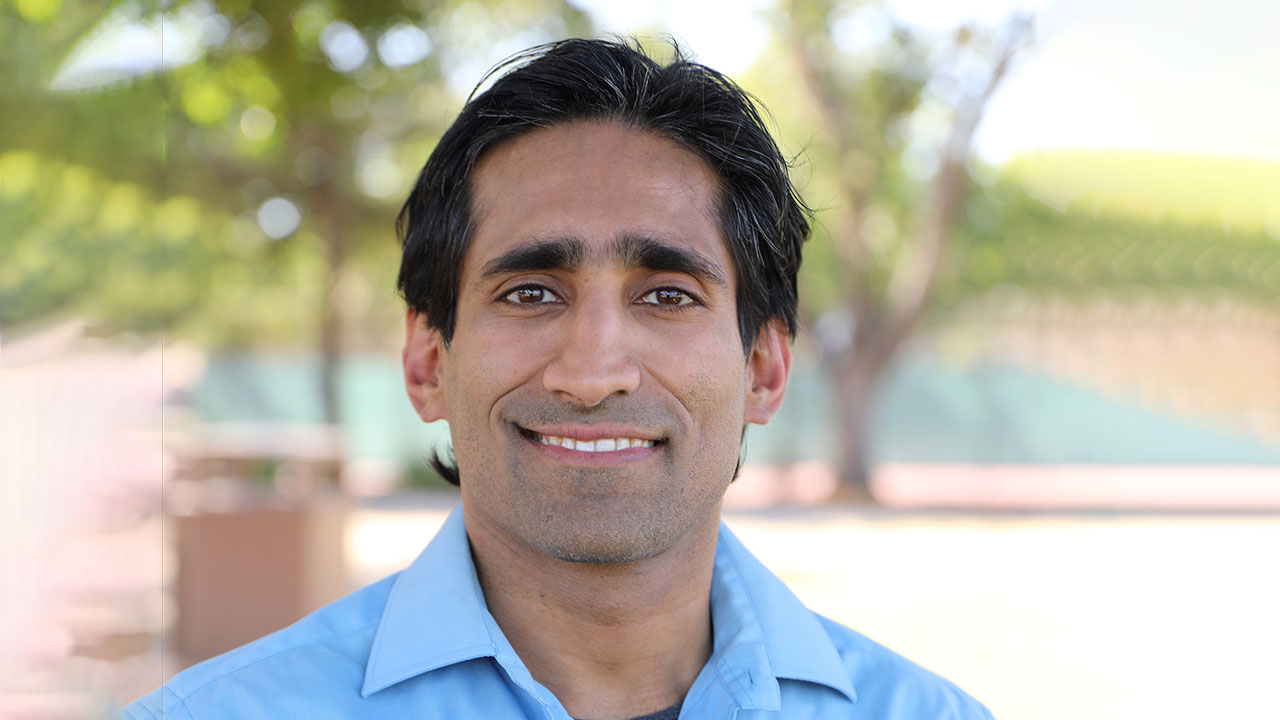
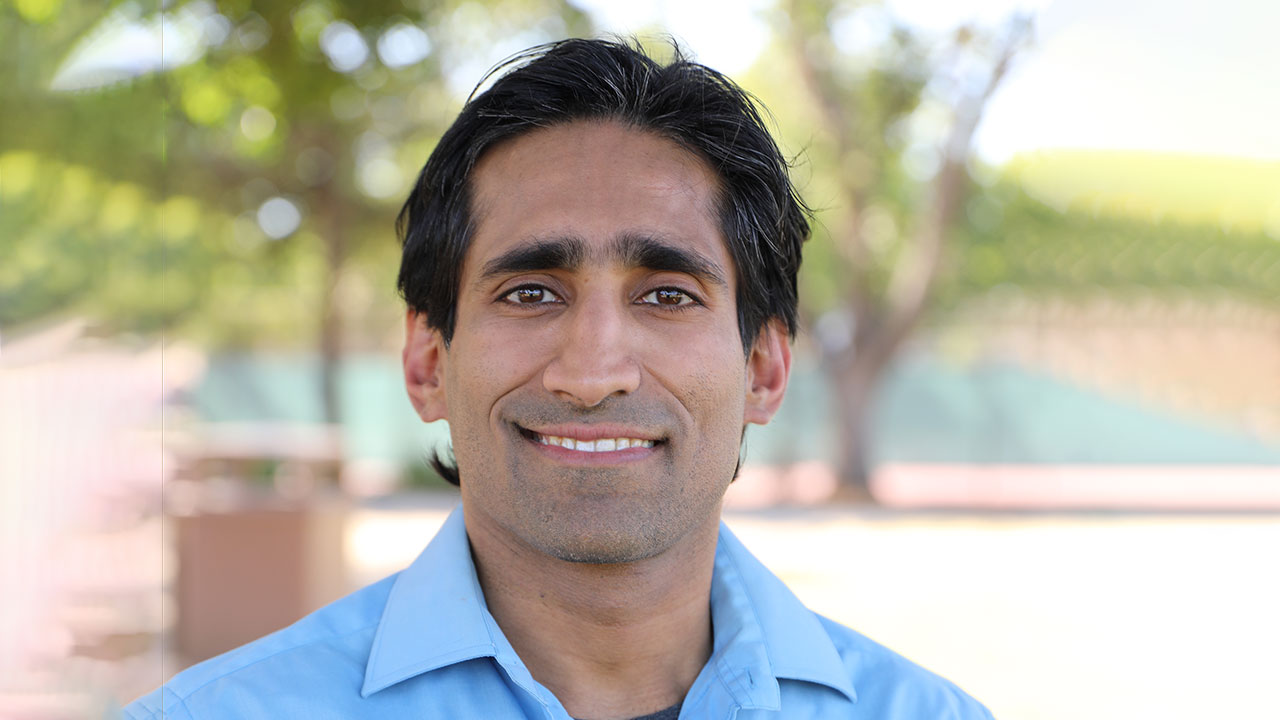
Pawankumar Suresh is a biopharma program and project management professional dedicated to bringing structure to complex healthcare challenges. Through governance, quality systems, and operational excellence, he helps transform scientific progress into disciplined execution that supports better healthcare outcomes.
I am a biopharma program and project management professional with experience across analytical development, quality, regulatory operations, CMC, and clinical documentation readiness. Over the years, I have worked in both large biopharma organizations and smaller, fast-moving companies, supporting programs from research through clinical and operational execution.
My work has focused on helping teams bring structure to complex healthcare activities by improving coordination, documentation quality, inspection readiness, and cross-functional execution. I am especially interested in the systems that drive healthcare progress—the frameworks, governance, and operational discipline that help important therapies and studies move forward successfully.
What motivated me was the belief that quality and readiness should not begin only when an inspection is approaching. In healthcare, documentation is not just paperwork—it is part of how trust, accountability, and patient-focused execution are maintained. I wanted to help build a more proactive approach, where teams could identify issues earlier, respond more clearly, and work in a more inspection-ready way over time.
The impact of that kind of work may not always be visible from the outside, but it matters because it supports stronger clinical operations, reduces avoidable risk, and helps create a more reliable healthcare development environment.
I work in biopharma program and project leadership, where my role is to integrate scientific, quality, operational, and regulatory work into a clear execution model. My responsibilities typically include building governance structures, coordinating cross-functional stakeholders, driving documentation quality, supporting inspection readiness, managing timelines and risk, and creating practical systems that help teams execute consistently.
A major part of my work is translating complex healthcare processes into repeatable frameworks that improve visibility, accountability, and decision-making. In short, I help organizations move important healthcare work forward with greater rigor, alignment, and readiness.
One of the most meaningful aspects of this work was helping teams shift from reactive preparation to proactive readiness. In high-stakes healthcare environments, documentation gaps often stay hidden until an inspection, audit, or critical review is near. Through a structured Functional Quality Check approach, I helped create a system for finding those gaps earlier, assigning ownership, and closing them in a more disciplined way.
The immediate impact was on the teams themselves: less confusion, clearer accountability, and greater confidence in the state of their records. The broader impact is that strong clinical documentation integrity supports more reliable trial operations, which ultimately serves the healthcare community by reinforcing quality and trust.
I was inspired by the idea that some of the most important innovation in healthcare happens through systems, not just products. We often celebrate the therapy, device, or scientific breakthrough, but behind every successful healthcare effort is a foundation of quality, documentation, and operational discipline.
I wanted this project to show that inspection readiness is not simply a compliance exercise; it is a form of healthcare stewardship. The message I wanted to convey is that when quality is built into everyday execution, organizations become more resilient, more trustworthy, and better positioned to advance healthcare initiatives that affect patients' lives.
The creativity in this project came through systems thinking and communication design. I focused on turning a complex compliance challenge into something teams could actually use: a structured review method, clear logic for identifying gaps, practical remediation pathways, and a repeatable governance rhythm.
In that sense, the creative element was designing an operating model that made quality visible and actionable. Rather than relying on abstract policy language, I emphasized clarity, structure, and usability so that the core message—the importance of readiness and documentation integrity—could be communicated through action.
This project contributes to stronger healthcare execution by encouraging meaningful organizational behavior change. It raises awareness that documentation quality and inspection readiness are not peripheral tasks; they are core to responsible clinical and operational practice.
It promotes behavior change by encouraging teams to address issues early, work with clearer ownership, and treat quality as an ongoing discipline rather than a last-minute reaction. While the connection may seem indirect to the public, these kinds of improvements matter because better systems support more reliable studies, stronger compliance, and a higher level of trust in the healthcare development process.
I focused on communicating the project in a way that was both accessible and credible. The most compelling aspect was framing the work around a universal healthcare challenge: how to create readiness before it becomes urgent. I emphasized proactive inspection readiness, documentation integrity, and scalable quality leadership rather than generic operational language.
That helped position the work not just as internal process improvement, but as a meaningful healthcare contribution. The goal was to make the message clear to a broad audience while preserving the seriousness and substance of the work itself.
Receiving this award means a great deal to me because it recognizes the kind of healthcare contribution that often happens behind the scenes. It validates the idea that operational quality, inspection readiness, and disciplined execution are not secondary to innovation—they are part of what makes innovation credible and sustainable.
On a personal level, it is encouraging to have this work seen and valued. More broadly, I hope it also reflects the importance of the teams and cross-functional efforts behind this kind of achievement.
The winning work focused on Clinical eTMF Inspection Readiness through Functional Quality Check program leadership. The heart of the project was building a more structured and scalable way to review documentation readiness, identify gaps early, drive follow-up, and support stronger inspection readiness.
I chose to enter this work because it represents a type of healthcare leadership that is extremely important but not always visible. I wanted to highlight that good systems, clear accountability, and proactive quality practices can make a real difference in how healthcare organizations operate.
The biggest challenge was translating a complex, high-volume, cross-functional documentation environment into a process that was both rigorous and practical. In healthcare, documentation issues are rarely isolated; they are often spread across teams, systems, timelines, and responsibilities.
The challenge was not just identifying gaps, but doing so consistently, prioritizing what mattered most, driving ownership, and building trust in the process so teams saw it as a value-adding framework rather than an additional burden. Making that work at scale required persistence, structure, communication, and the ability to connect quality expectations with operational realities.
Winning this award has reinforced the value of the work I do and the direction I want to keep growing in. It has reminded me that real impact comes from building better systems, improving readiness, and helping teams operate at a higher standard.
It also gives me more confidence to keep contributing beyond my day-to-day roles through writing, speaking, mentoring, and sharing ideas that can help the broader field. In that sense, the award is both recognition and motivation.
First, healthcare is one of the few industries where operational decisions can have a direct downstream effect on human well-being, which gives every function a deeper level of responsibility.
Second, it requires extraordinary collaboration across science, medicine, quality, regulation, manufacturing, data, and operations, making it both highly technical and deeply collaborative.
Third, innovation in healthcare must be both groundbreaking and trustworthy. It is not enough to create something new; it must also be developed, documented, and delivered with rigor.
The United States is unique because it combines world-class scientific research, entrepreneurial innovation, advanced healthcare infrastructure, and a highly developed regulatory and biopharma ecosystem. It is a place where academic discovery, startup agility, the development capabilities of large companies, and cross-disciplinary talent all interact at scale.
That combination creates an environment where healthcare ideas can move from concept to real-world application with both speed and depth while still being held to rigorous standards.
Over the next 5 to 10 years, I think healthcare will become more connected, more data-driven, and more operationally integrated. We will continue to see major progress in areas like precision medicine, biologics, cell and gene therapy, and AI-supported decision-making.
At the same time, the organizations that succeed will be those that combine innovation with strong execution—better quality systems, better data flow, smarter regulatory planning, and more resilient development models. The future of healthcare will depend not just on scientific breakthroughs, but on how well those breakthroughs are supported and delivered.
I would recommend focusing on four areas. First, build technical depth through formal learning in areas such as drug development, clinical trials, quality systems, regulatory science, or healthcare technology.
Second, study real regulatory and industry guidance so you understand how healthcare work is evaluated in practice, not just in theory.
Third, engage with professional communities through conferences, journals, associations, and mentorship, because healthcare is a field where practical insight matters enormously.
Fourth, develop execution skills such as communication, program management, stakeholder alignment, and structured problem-solving. In healthcare, the people who grow fastest are usually the ones who can connect expertise with disciplined execution.
I have always been inspired by people who combine excellence with responsibility. That includes mentors, educators, scientific leaders, and professionals who approach their work with both depth and integrity. What inspires me most is not just achievement, but the ability to create lasting value, whether through knowledge, leadership, systems, or service.
I admire people who make complex things clearer, raise standards for others, and remain grounded in purpose while doing demanding work.
The key to my success has been consistency of purpose: staying rigorous in the details while never losing sight of the larger mission. In healthcare, success rarely comes from a single dramatic moment. It comes from disciplined execution, clear communication, adaptability, and a strong respect for quality.
My parting thought is that meaningful impact is often built quietly, through systems, preparation, and follow-through. If you stay committed to excellence in those areas, the results compound over time.
I am especially grateful that this recognition provides an opportunity to celebrate a form of healthcare contribution that often happens behind the scenes. The future of healthcare will depend not only on breakthrough science, but also on the quality of the systems that support that science.
I hope this award helps highlight the value of operational leadership, documentation integrity, and proactive readiness as part of the broader healthcare innovation story.