PLUS: AI-Augmented Tutoring Platform
Mathematics proficiency among K-12 students is at a crisis point, and the most effective solution—high-dosage...
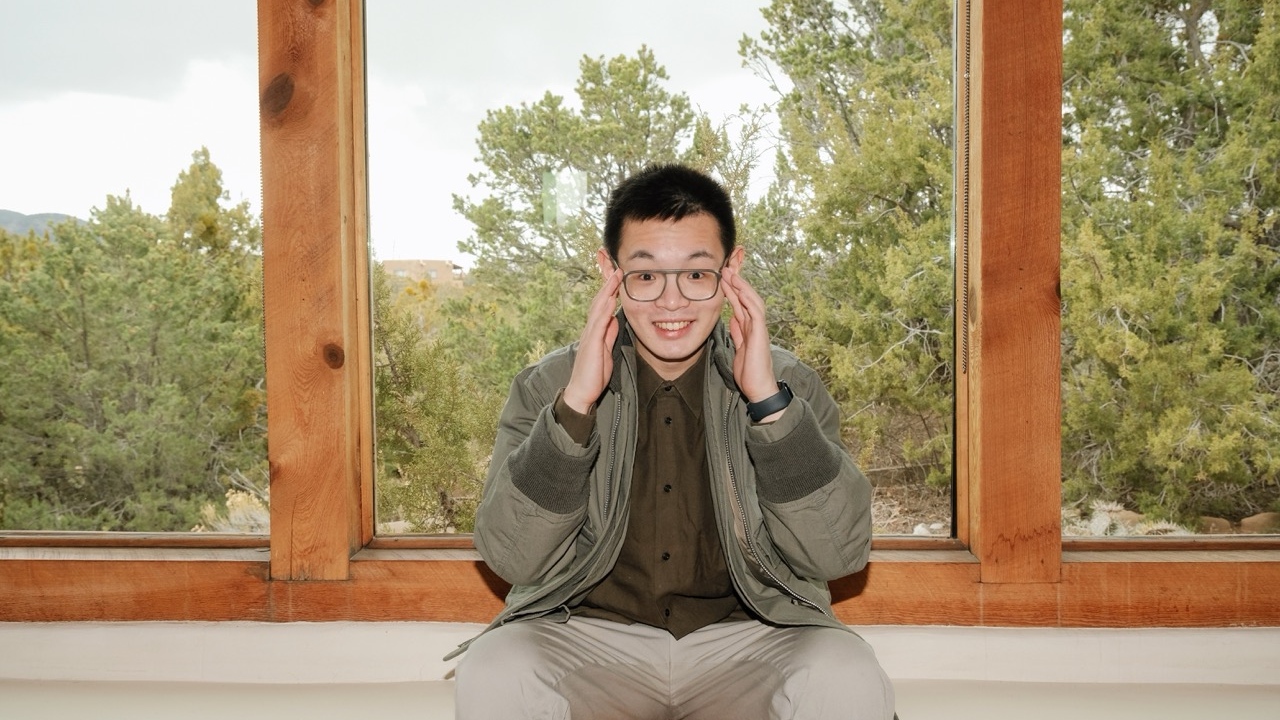
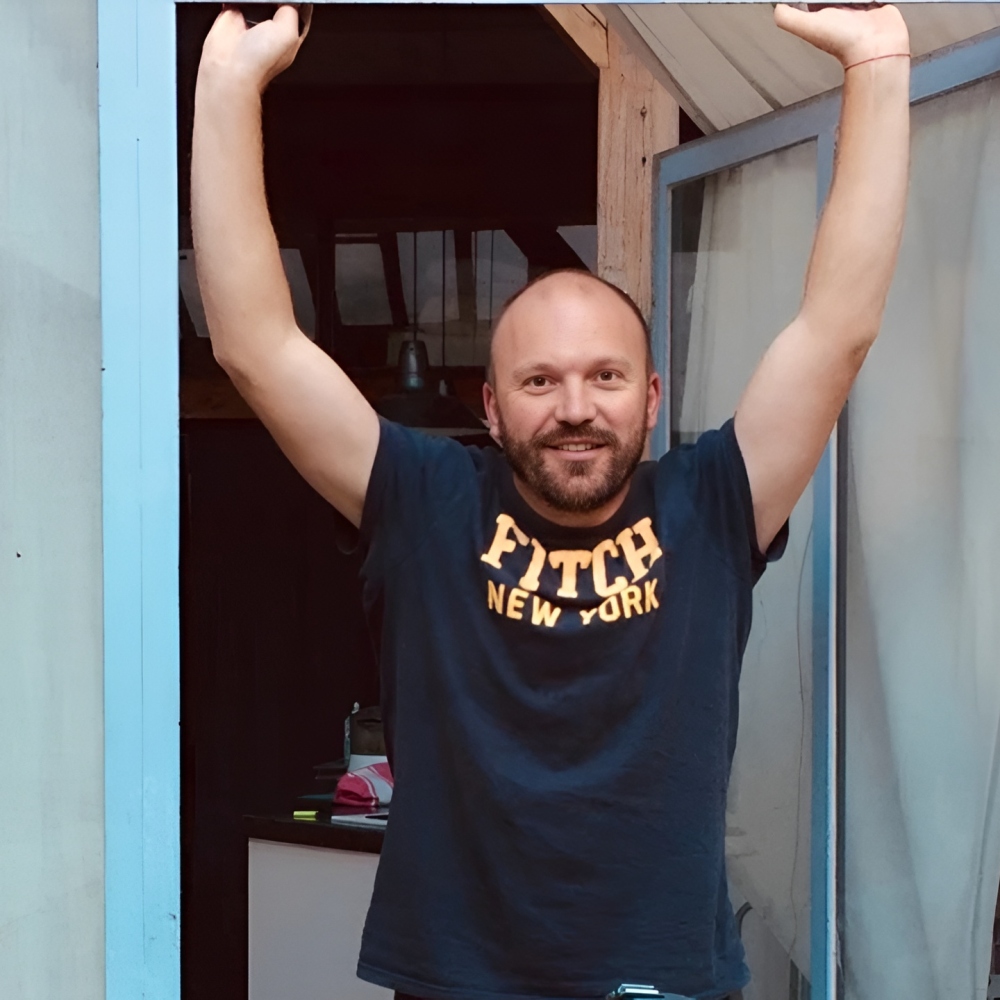
Boyuan Guo (Bill) is a product designer focused on education technology, currently working on PLUS, an AI-augmented tutoring platform. His approach centers on structuring how information flows between users, with an emphasis on clarity, usability, and reducing complexity in AI-driven systems.
I’m Boyuan Guo—most people call me Bill. I’m a product designer working on education technology, currently focused on PLUS, an AI-augmented tutoring platform.
I got into design through an interest in systems—how people, tools, and decisions connect. In education, the outcomes aren’t just shaped by curriculum, but by how information flows between tutors, students, and operators. Design became a way to structure those interactions so people can operate more effectively in real time.
It’s meaningful because it recognizes product design not just as interface work, but as system design.
PLUS is less about a single feature and more about orchestrating multiple roles—tutors, students, supervisors, and researchers—through a shared platform. The recognition signals that designing these kinds of multi-actor systems, especially with AI involved, is an important direction for product design.
It’s helped create a clearer narrative around the work. When you’re building infrastructure—especially in education—it’s not always immediately visible what’s innovative.
The award has made it easier to share the thinking behind the system: how AI is positioned, how the service operates, and how design decisions tie to outcomes. It’s opened up more conversations with people thinking about similar problems in AI and education.
Experimentation is how we validate structure, not just visuals.
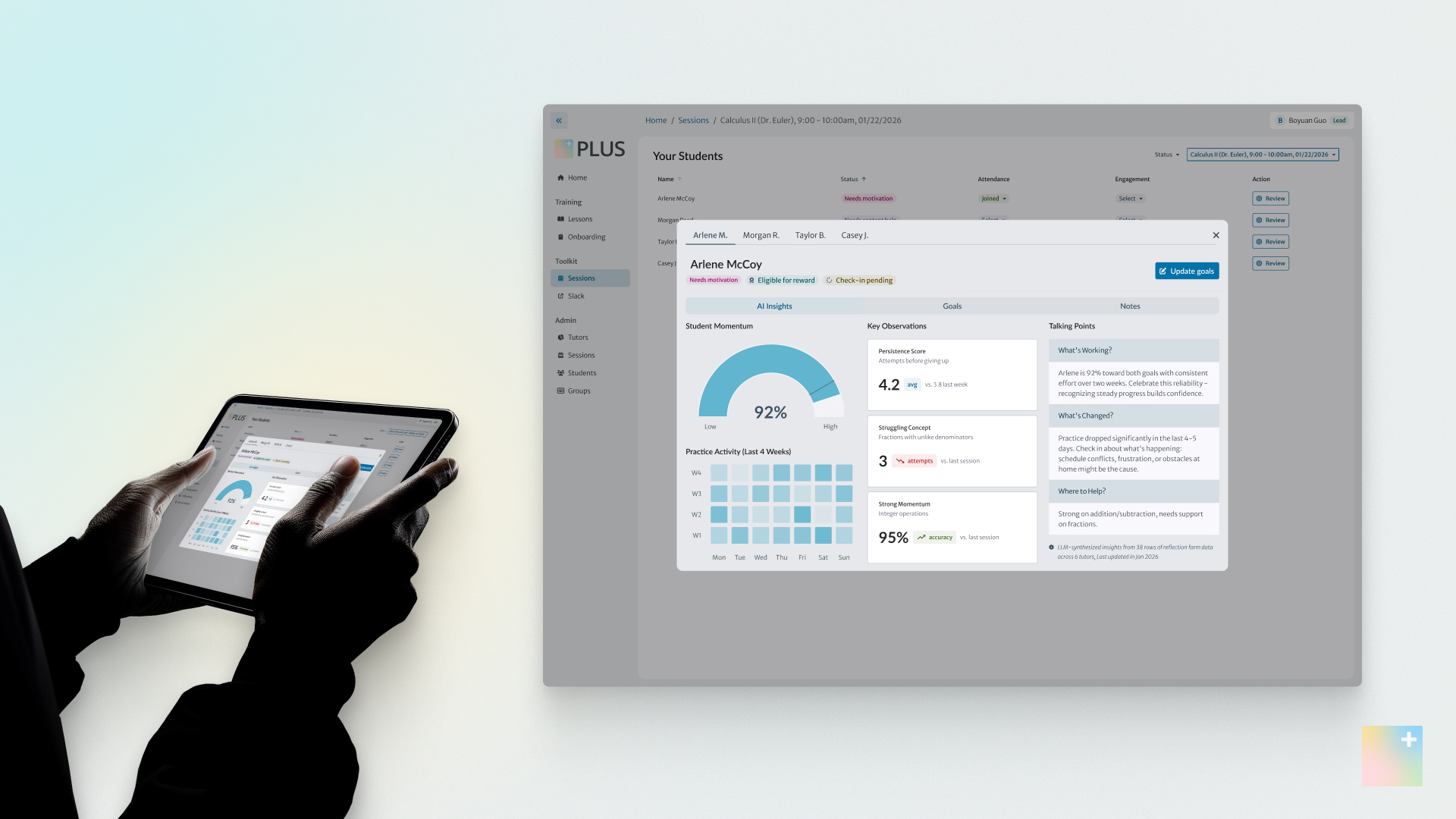
In PLUS, one key decision was how tutors interact with AI during live sessions. We tested different models—from passive dashboards to more active prompts. What emerged was the “co-pilot” approach: AI surfaces context-aware strategies and signals, but stays lightweight enough to not interrupt the tutoring flow. That balance only became clear through iteration with real tutors.
Mapping non-digital systems.
We built a full service blueprint across four roles and multiple timeframes. Treating the product as a service system—not just software—shifted the design direction. It showed that the most important interactions weren’t on-screen moments, but transitions between preparation, live tutoring, reflection, and oversight.
That good product design often means deciding what not to show.
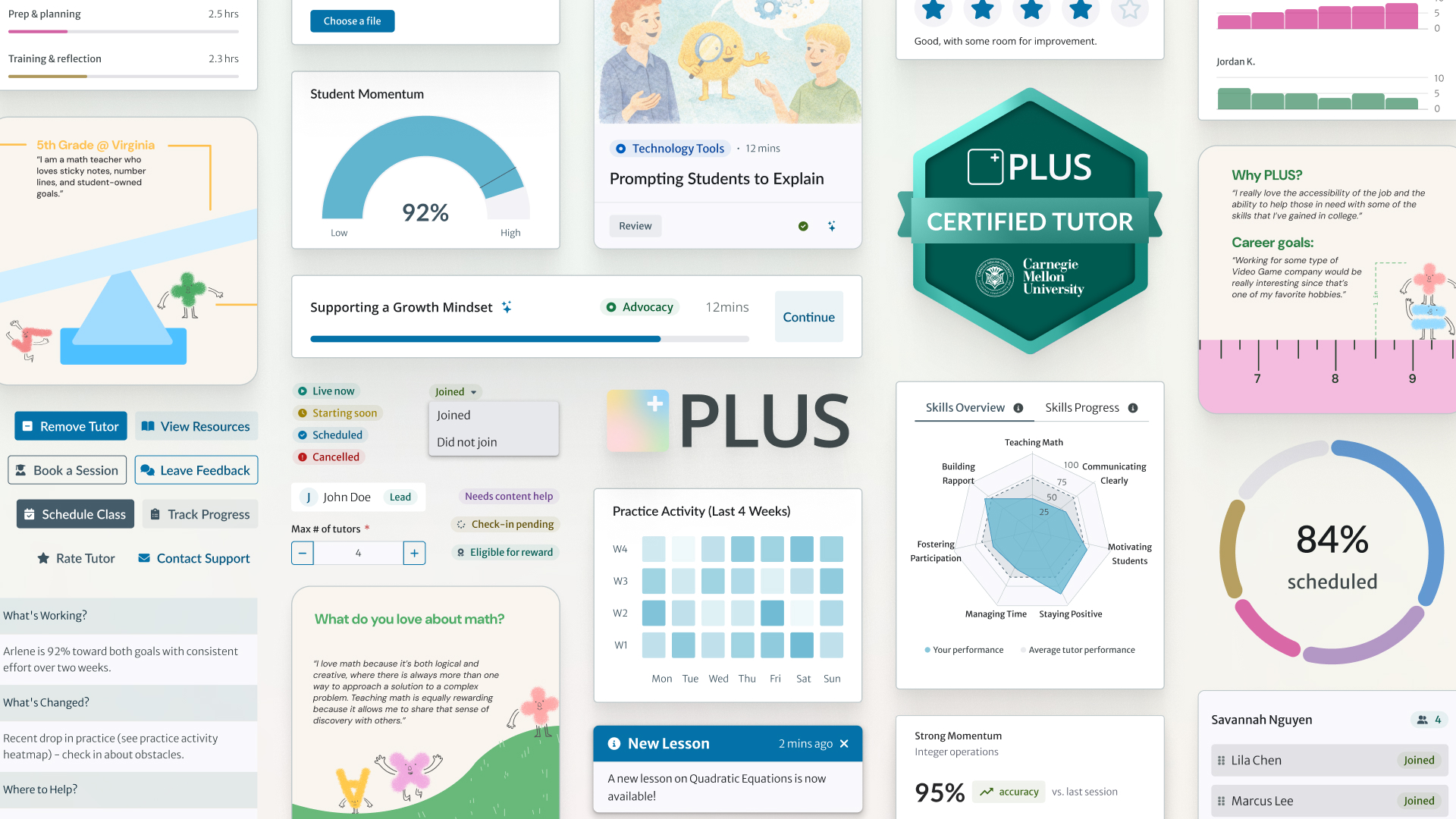
In AI products especially, there’s a tendency to surface everything the system can generate. In our case, we had to intentionally constrain outputs—showing only what a tutor can act on immediately. The quality of the system comes from those reductions.
I focus on aligning around the mechanism of impact.
For PLUS, the core belief is that the tutor-student relationship drives learning. AI is there to strengthen that relationship, not replace it. Once that principle is clear, it becomes easier to evaluate trade-offs and keep decisions consistent, even when expectations differ.
One challenge was designing a multi-stakeholder AI system that operates across different timescales.
Tutors need real-time support, supervisors need operational visibility, and researchers need long-term pattern synthesis. We addressed this by structuring the system into role-specific views while keeping a shared data backbone—so each group gets what they need without fragmenting the experience.
I step out of the interface and look at behavior.
Observing how tutors prepare for sessions or how supervisors decide where to intervene often reveals gaps that the interface needs to address. That shift—from screens to behavior—usually resets the direction.
A focus on leverage.
I’m interested in designs that scale impact—where small improvements in a system lead to large outcomes. In PLUS, that shows up in designing for tutors rather than replacing them. Supporting one tutor well can impact dozens of students over time.
Get comfortable working across boundaries.
The most impactful product decisions often sit between disciplines—design, engineering, operations, and domain expertise. If you can navigate those intersections, you can shape more meaningful systems.
Jeffrey Bernett. I recently attended his talk at Pentagram and was struck by how he approaches design as shaping environments.
His thinking around productivity, spatial systems, and how principles from sports translate into design practice feels very relevant. It’s a reminder that design isn’t just about objects—it’s about conditions that enable performance.
I wish more people asked: “What’s the role of AI in this product?”
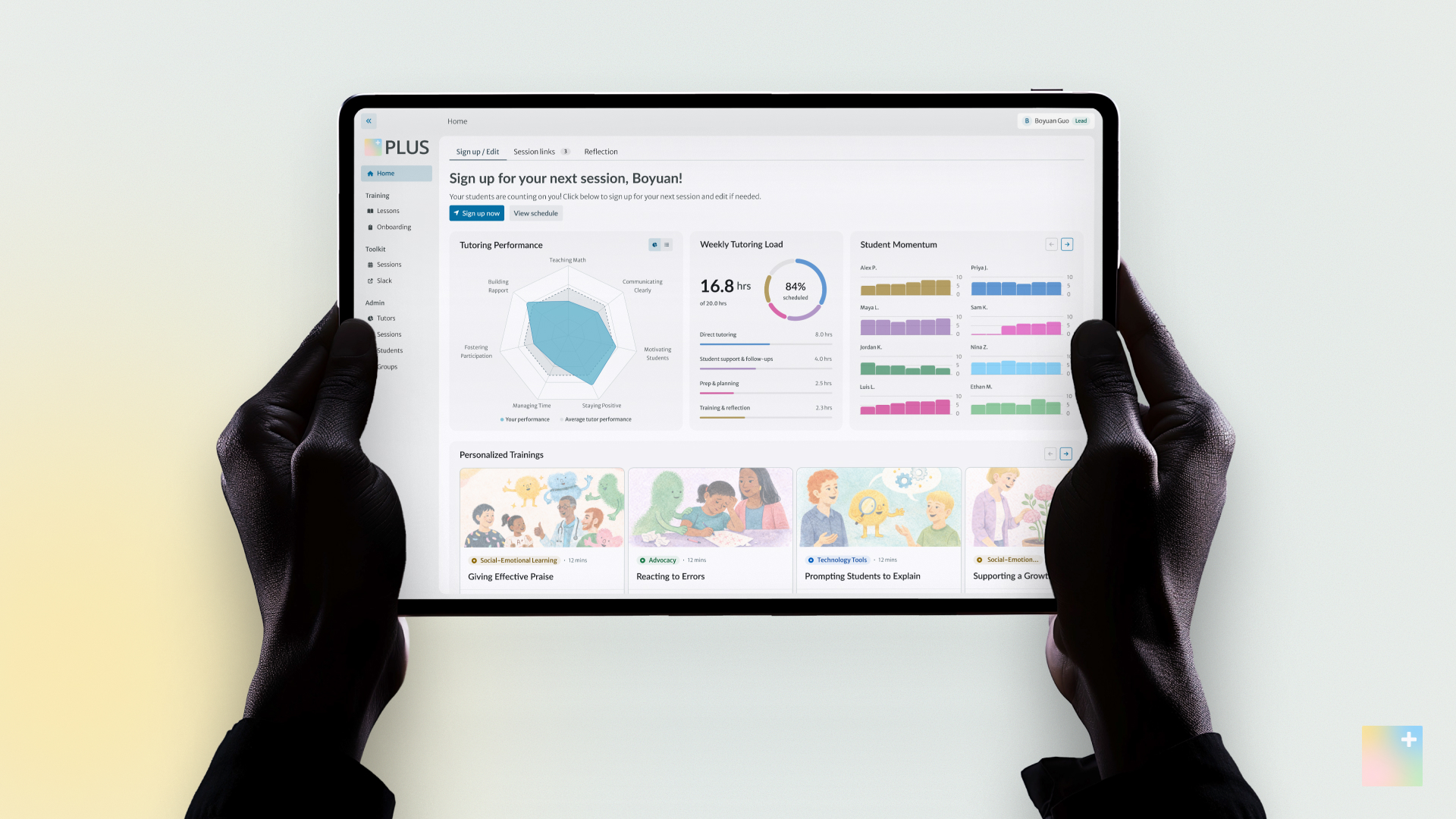
In PLUS, the answer is that AI operates behind the scenes. Most AI education products put a chatbot in front of the student. We took the opposite approach—AI supports the tutor through simulation, real-time guidance, and post-session feedback.
The goal isn’t to replace human interaction, but to make it more effective.
Explore more product design insights by clicking here to read about Rethinking Bath Comfort: The Story Behind BADESOFA.