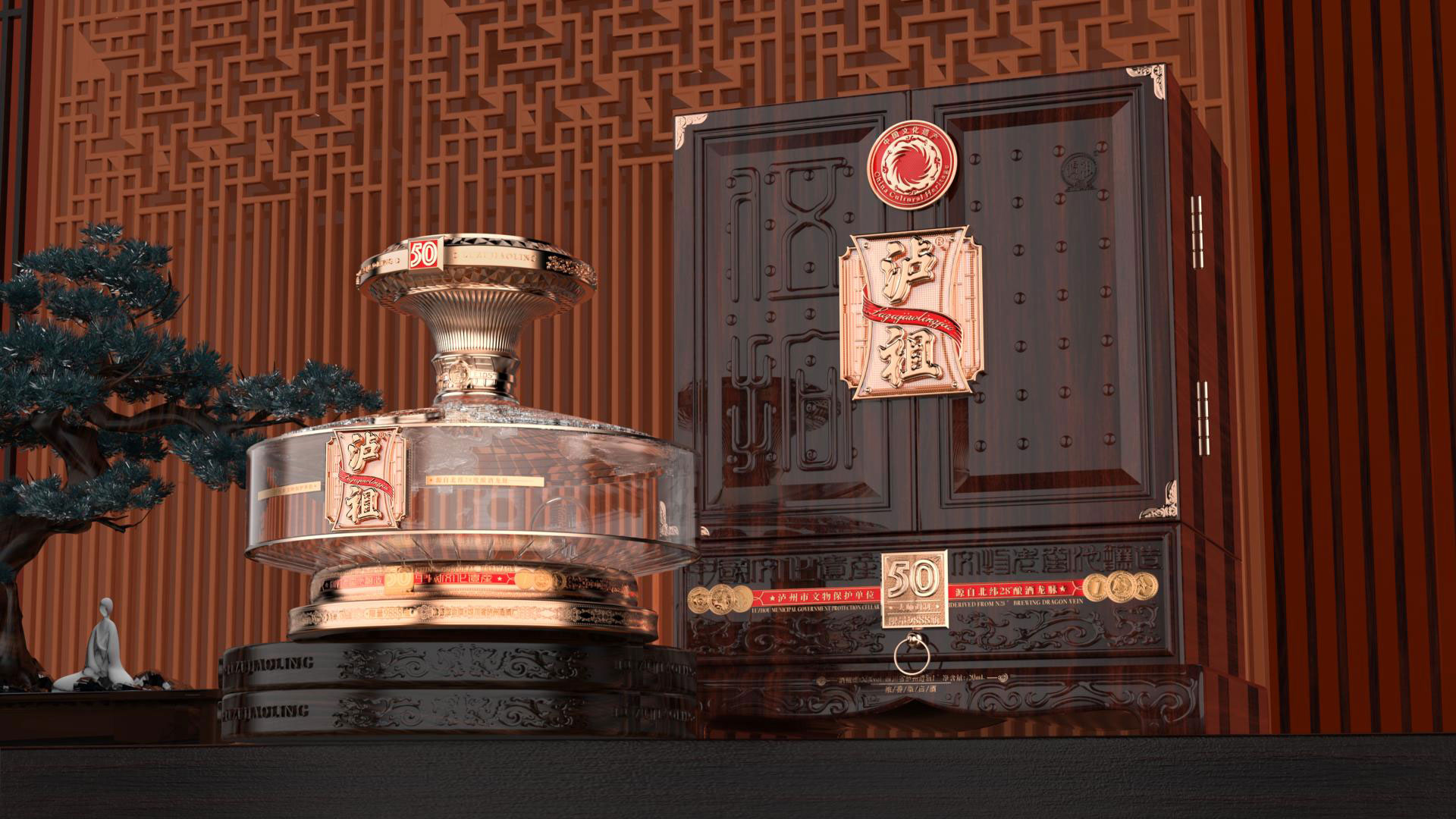
LUZU.50
The LUZU brand, originating from 28 degrees north latitude, is known as the dragon vein...
Thank you for your congratulations! I am honored to once again receive recognition from the MUSE Design Awards.
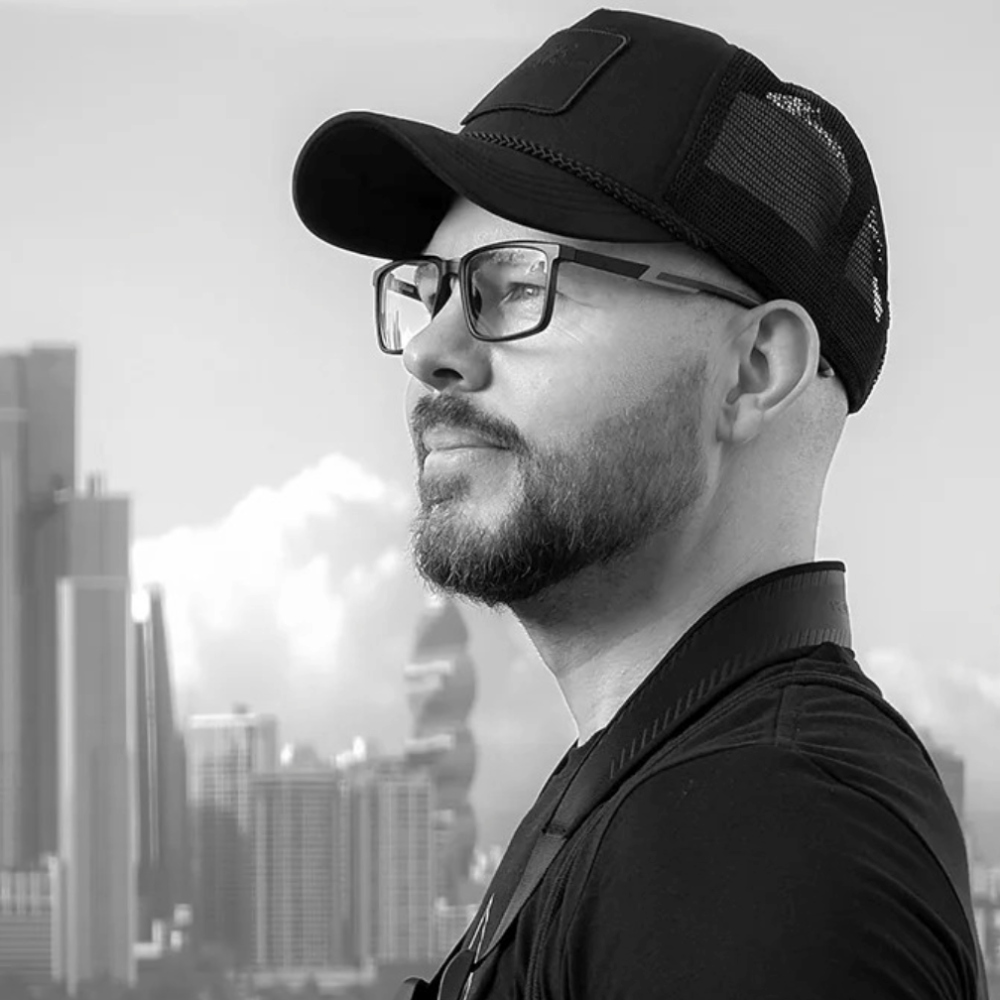
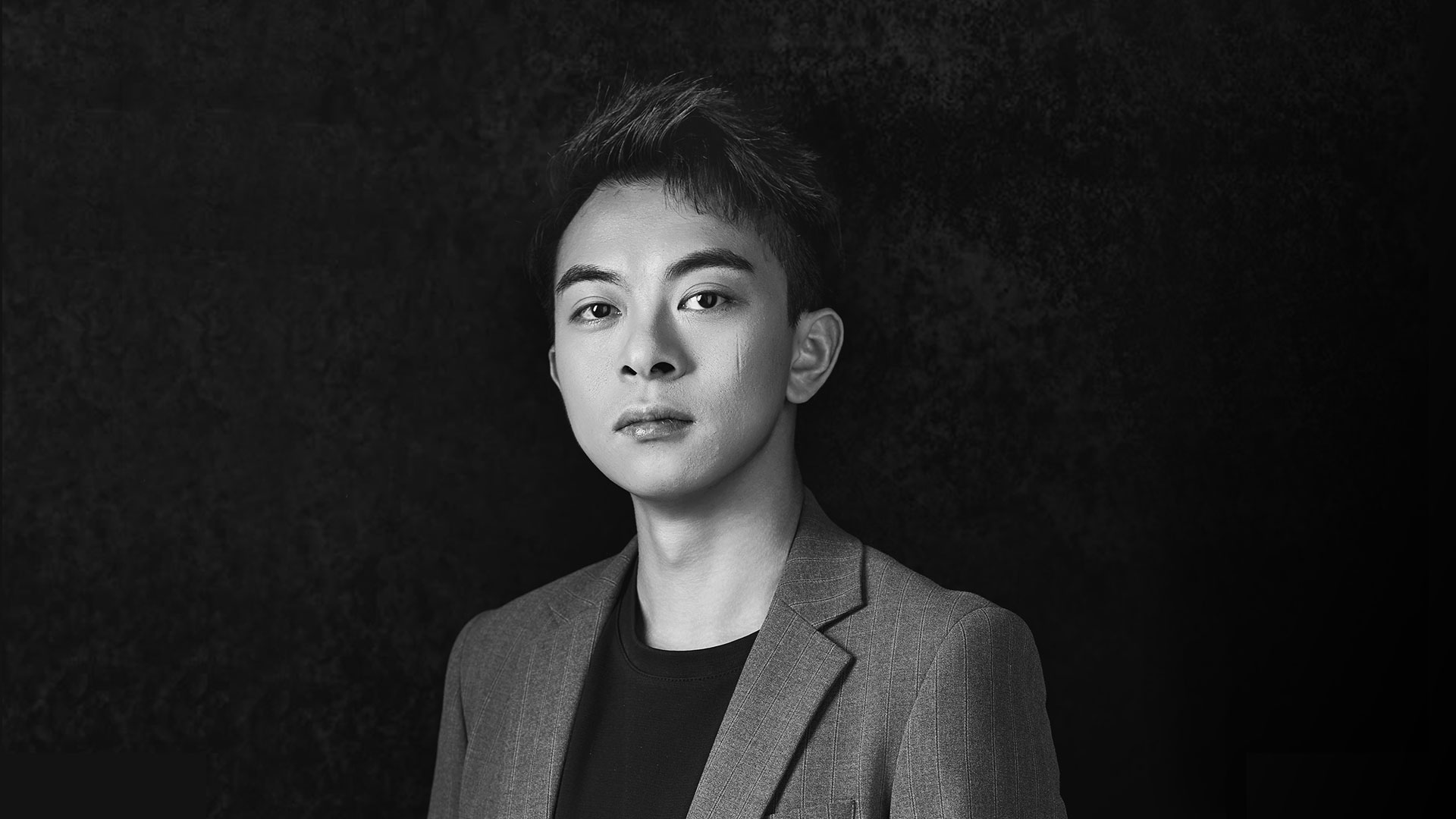
My name is Sinong Wu, and I am a wine packaging designer with more than 11 years of experience. I run my own company while also serving as its design director.
In China, I have had the privilege of providing packaging design and brand consulting services for well-known brands including Wuliangye, Fenjiu, Luzhou Laojiao, Yongfeng, and Diaoyutai.
For me, the power of design lies in its ability to transcend cultural and linguistic boundaries through visual language — connecting directly with people while also creating commercial value. Design is both problem-solving and aesthetic creation working together in harmony.
This recognition from the MUSE Design Awards reaffirms the original intention behind my work and strengthens my belief that good design has the power to illuminate everyday life and help people discover poetry within the ordinary.
This year marks the second consecutive year I have been recognized by the MUSE Design Awards. With a jury composed of experts from around the world, this recognition reflects how my design language resonates across cultures and connects with shared human emotions and needs.
For me, the MUSE Design Awards represent far more than an honor — they serve as both a mirror and a catalyst. They reflect the core values behind my design practice while continuously encouraging me to explore further and redefine what “victory” truly means.
In the past, I viewed awards as the endpoint of a project. However, my experience with MUSE changed that perspective. Winning an award is not the conclusion, but the beginning — giving both myself and my clients greater confidence to bring award-winning products and brands to a wider audience.
Moving forward, I want to approach design as a kind of social experiment: constantly questioning, exploring, and evolving. The recognition I’ve received has strengthened my belief that good design is never simply the final answer — it is often the beginning of a deeper conversation and a source of courage when facing new challenges in commercial design.
Winning the MUSE Design Awards had a significant impact on both my career and the growth of my team, opening the door to many new opportunities.
On a personal level, it expanded my influence within the industry. I transitioned from being a designer focused primarily on project execution to being invited to participate in industry forums and university lectures as a speaker and guest contributor. Following this recognition, I was also honored as “Best Designer of the Year” by the Sichuan Graphic Designers Association, which further strengthened the visibility of my design philosophy and broadened my professional path.
For the team, this achievement greatly enhanced both cohesion and a shared sense of purpose. Team members began holding themselves to even higher standards, actively exploring innovative design approaches while collaborating more closely and efficiently. At the same time, the recognition attracted more talented creatives to join us, bringing fresh energy and new perspectives to the studio.
The award also increased our brand visibility and reputation, helping us gain a stronger competitive presence in the market while earning the trust of more high-end clients and partners. In addition, I received invitations to participate in international design exhibitions and exchange ideas with leading creative teams from around the world.
More than just an honor, the MUSE Design Awards became an important milestone that strengthened both my reputation and long-term competitiveness within the design industry.
Experimentation allowed me to break away from traditional ways of thinking, test ideas quickly, and ultimately discover more innovative and effective design solutions.
For example, during the development of the award-winning project LUZU50 & Yinpiaolaohao, the traditional validation process would normally involve mold production and physical sampling — a method that requires significant time and cost. Instead, we adopted 3D prototyping to present the product at full scale directly to the client. This created a much more realistic experience than digital renderings alone could provide. Clients were able to understand the product’s proportions and physical presence in a short amount of time, while designers could refine details more efficiently and reduce both production costs and development time.
Through this process, I realized that experimentation is not only a method of technical verification, but also a catalyst for creativity. It pushes designers to move beyond assumptions about what “should” be done and instead explore what could be possible — helping us find balance between functionality, aesthetics, and sustainability.
Experimentation also taught me to challenge conventional design logic and replace subjective assumptions with real feedback and data. Design is not about creating a perfect blueprint from the beginning; it is about continuously refining ideas through testing until the most meaningful solution emerges.
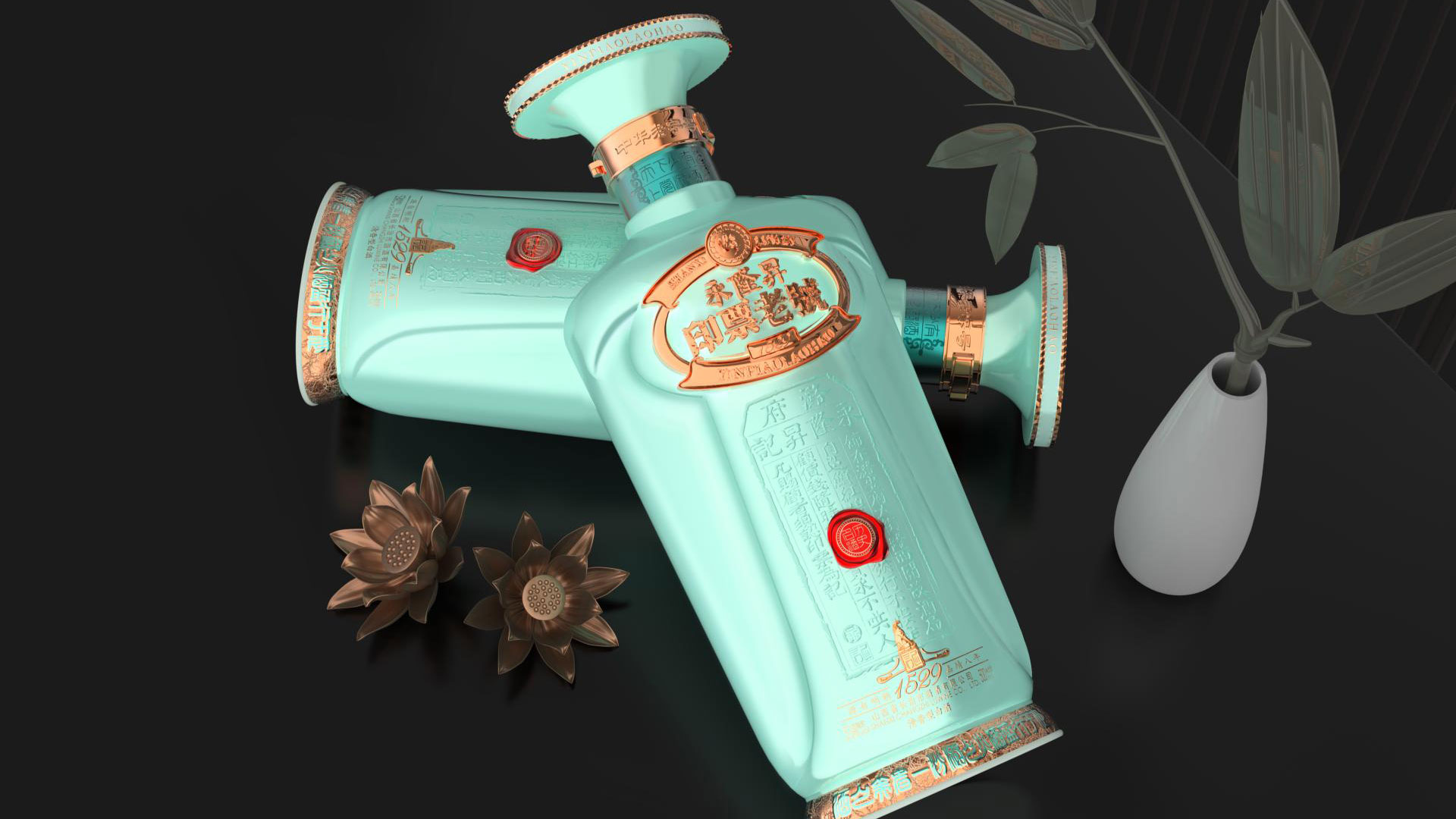
This is a very interesting question. In the award-winning design Yinpiaolaohao, the inspiration actually came from a historical poster — and “Yinpiao” itself refers to a traditional poster or notice.
The poster originally communicated the distillery’s location, the types of liquor it sold, and its commitment to operating with integrity and treating customers fairly. In many ways, the “Yinpiao” became a witness to history. By incorporating it into the design, consumers are not only able to understand the story behind the distillery, but also experience a sense of dialogue with the past — feeling the passage of time and the cultural heritage behind the brand.
After working in the industry for many years, this was the first time I used a poster as the central inspiration and naming concept for a product. To me, that made the project especially unique and meaningful.
In the LUZU50 design project, created to commemorate the distillery’s 50th anniversary, we incorporated geographical coordinates to highlight the uniqueness of the distillery’s location — an environment ideal for brewing and fermentation. At the same time, visual elements such as hourglasses and ribbons were used to symbolize the passage of time and the meaning of the anniversary itself.
The goal was to create a visual experience that felt both classically luxurious and deeply connected to the story and quality of the wine itself. Beyond aesthetics, we wanted consumers to experience the product on multiple levels — visually, emotionally, and sensorially — creating a dual enjoyment of sight and taste.
This question immediately made me reflect on many aspects of Chinese liquor packaging design. In this industry, consumers place great importance on cultural connection and are willing to pay for emotional and cultural value. For me, the core of liquor packaging design is not simply about beautifying a bottle, but about building a complete brand narrative through materials, structure, and interaction.
Many people outside the industry simplify design as decoration or visual beautification, and some even believe designers only wait for inspiration to appear. In reality, the design process is far more complex. Designers must deeply understand consumer psychology, the history and culture of the distillery, brand positioning, and even the practical limitations of packaging materials and production budgets. In many ways, designers are more like translators — transforming knowledge from different fields into a cohesive solution. Inspiration is only one small part of that process.
What I hope to achieve through design is to allow consumers to experience the spirit and history of a brand before they even open the bottle. Design is not decoration; it is a way of using physical objects and space to carry emotional value and cultural memory.
To be honest, in the field of alcohol packaging design where I work, this is a very complex issue. Different regions across China produce different types of liquor, each with its own cultural identity, and consumers are often willing to pay for that cultural value and authenticity.
At the beginning of every project, I spend a great deal of time communicating with clients to better understand their goals, ideas, and expectations. Reaching alignment often comes through continuous dialogue and questioning.
I also conduct extensive market and consumer research. This includes analyzing packaging materials, colors, and visual language used by competing products within the same price range in order to identify gaps and opportunities in the market. At the same time, I interview target consumers and ask them to describe their ideal liquor packaging using simple emotional keywords such as “warm,” “premium,” or “collectible.”
Historical research is equally important. I study old wine labels, distillery archives, and historical imagery to uncover cultural elements that have not been diluted by modern commercial design. Those details often become the emotional foundation of a project.
To reduce trial-and-error costs, I rely heavily on prototype testing. Clients are often concerned that innovative packaging may not perform well in the market, so I use low-cost prototypes to validate ideas quickly. Through 3D printing, we can create full-scale bottle models that allow clients to physically experience the size, proportion, and texture of the product. I also simulate retail shelf environments to observe whether the packaging immediately captures consumer attention, and conduct blind testing sessions where target consumers compare old and new designs while we observe their reactions and engagement.
For me, meeting client expectations and maintaining strong design principles are not contradictory. Designers should not act as passive executors, but as active guides who translate business needs into emotional and cultural value through design language.
The true balance is not about satisfying both sides equally, but about transforming commercial goals into meaningful consumer experiences. When clients see consumers responding emotionally to a design during testing, or realize that innovative packaging can strengthen premium positioning, they naturally become collaborators in the creative process.
Ultimately, I believe the best design outcome is when a client looks at the final result and says, “This is even better than I imagined.”
One of the biggest challenges I face is staying true to my design philosophy while also meeting a client’s business goals and ensuring the design stands out in the market.
For me, balancing client expectations with personal creative expression begins with deeply understanding the core of the brand. I spend a great deal of time communicating with clients to learn about the brand’s history, culture, target audience, and market positioning.
For example, while designing the packaging for Yinpiaolaohao, I researched century-old wine labels and historical photographs from the distillery to uncover the brand’s cultural identity. From that process, I extracted the concept of “Yinpiao” — a traditional poster that could be easily understood by consumers. More than just a visual element, the “Yinpiao” communicates product quality while also reflecting the distillery’s history, values, and business philosophy. In many ways, it becomes a storyteller that connects consumers to the brand across time.
Through packaging design, I aim to strengthen the emotional connection between users and the brand itself.
In the design of LUZU50, luxurious classical materials alone were not enough to express the uniqueness of the product. For consumers choosing this wine, the experience needed to go beyond visual luxury. I therefore incorporated elements of time, geography, and cultural history into the design, creating what I describe as a “dual enjoyment of taste and vision” that allows consumers to appreciate the product from multiple dimensions.
When I encounter a creative block in alcohol packaging design, I intentionally step away from the computer and look for inspiration in completely unrelated fields — such as traditional Peking Opera, films, documentaries, and even nature itself. Sometimes, simply allowing myself to fully relax and observe the world around me becomes the most effective way to reset my thinking.
For me, relaxation and cross-disciplinary exploration are often the best solutions when facing creative obstacles. I also believe communication is extremely important. I frequently discuss ideas with clients because, in many ways, they understand their products better than anyone else. Those conversations often introduce unexpected perspectives and become an important part of the creative process.
At its core, creative stagnation comes from what I call “thinking inertia.” The key to overcoming it is introducing new external stimuli that break existing patterns of thought. Whether through cross-disciplinary inspiration, hands-on experiences, changing environments, or meaningful conversations, the goal is to shift from passively waiting for inspiration to actively exploring possibilities.
When I eventually return to the studio with these “non-design” experiences, I often realize that the problem I was struggling with has already been solved subconsciously. That’s why I believe designers should actively step outside their comfort zones and search for inspiration in nature, history, and other industries — then use design thinking to transform those discoveries into creative solutions.
I have always believed that packaging serves as a “silent salesperson” between a brand and its consumers, and my design philosophy has consistently been built around that idea. This way of thinking can be clearly seen throughout my award-winning work and comes from both personal experience and years of observing the challenges within the industry.
In the packaging design for Yinpiaolaohao, I used the concept of the historical “Yinpiao” poster to communicate the story of the brand and its products. Beyond its cultural and historical significance, the design emphasizes the uniqueness of the product itself — almost like a storyteller appearing in front of consumers and guiding them through the distillery’s history and heritage.
I strongly believe that culture is not simply the accumulation of visual symbols, but the creation of genuine emotional resonance. Ultimately, a designer’s values will always be reflected in the final product. That is why I continue to emphasize developing a distinct design philosophy and becoming a designer guided by clear principles and cultural meaning.
- Find an industry that aligns with both your personal values and your commercial value as a designer. Only when design creates real value can long-term growth and stability be sustained.
- Be patient and think long term. Designers need resilience, endurance, and the ability to continue growing through challenges. Long-term persistence often creates opportunities that short-term thinking cannot.
- Participate in more award programs and design competitions. This is not simply about promotion, but about understanding your true abilities as a designer. In everyday work, it can be difficult to objectively evaluate your own level. Through international award programs, you can better understand your strengths, challenge yourself against global standards, and recognize the gap between yourself and the world’s top designers.
That’s an interesting question. In the past, I would have chosen to collaborate with Kenya Hara or Dieter Rams. Today, however, I would choose Philippe Starck because his design philosophy perfectly balances rebellious creativity with universal humanistic thinking.
What I admire most about Philippe Starck’s work is that it refuses to be confined by a single style. From his iconic juicer designs to furniture and interior projects, he combines humor, experimentation, and functionality in a way that feels both unexpected and deeply human.
For example, the famous citrus juicer he designed for Alessi appears almost sculptural at first glance, yet its elevated three-legged structure also serves a practical purpose by improving usability and reducing mess. That ability to transform exaggeration and humor into meaningful user experience is something I deeply respect.
This kind of design thinking — using creativity to awaken perception and challenge conventional expectations — inspires me to push beyond my current limitations, search for more breakthrough solutions, and continue developing both my personal design value and commercial value.
One question I wish people would ask me more often is: how do you transform environmental protection from a slogan into something consumers can genuinely feel through alcohol packaging design?
I believe sustainability should not exist as a simple “green label” attached to packaging. Instead, it should become a meaningful touchpoint that creates emotional connection between the user and the brand.
In Chinese liquor packaging design, consumers care deeply about cultural value, ceremony, and the sense of quality conveyed through packaging. Because of this, I don’t believe sustainability should come at the expense of emotional experience or product appeal. My approach is to balance environmental responsibility while still preserving the qualities consumers value most.
For example, in the award-winning LUZU50 packaging project, we developed two different packaging approaches. One version was crafted from solid wood with a trophy-like quality, intended for a limited group of recipients, such as special gift users and key contributors to the product’s promotion and sales. The second version used environmentally friendly recyclable cardboard combined with wood-grain paper, allowing us to preserve the luxurious visual identity of the product while also reducing material costs and improving sustainability.
To me, consumers are not moved by packaging that simply pretends to be environmentally conscious. They respond to authenticity — when environmental thinking is integrated naturally into the experience itself. Sustainability should never become a moral burden imposed by designers or brands, but rather a gentle evolution created together by brands and consumers.
When consumers discover that opening a package can simultaneously deliver a sense of ceremony, participation, emotional satisfaction, and environmental awareness, they begin to truly value sustainable design. That, to me, is the most meaningful form of environmental design.