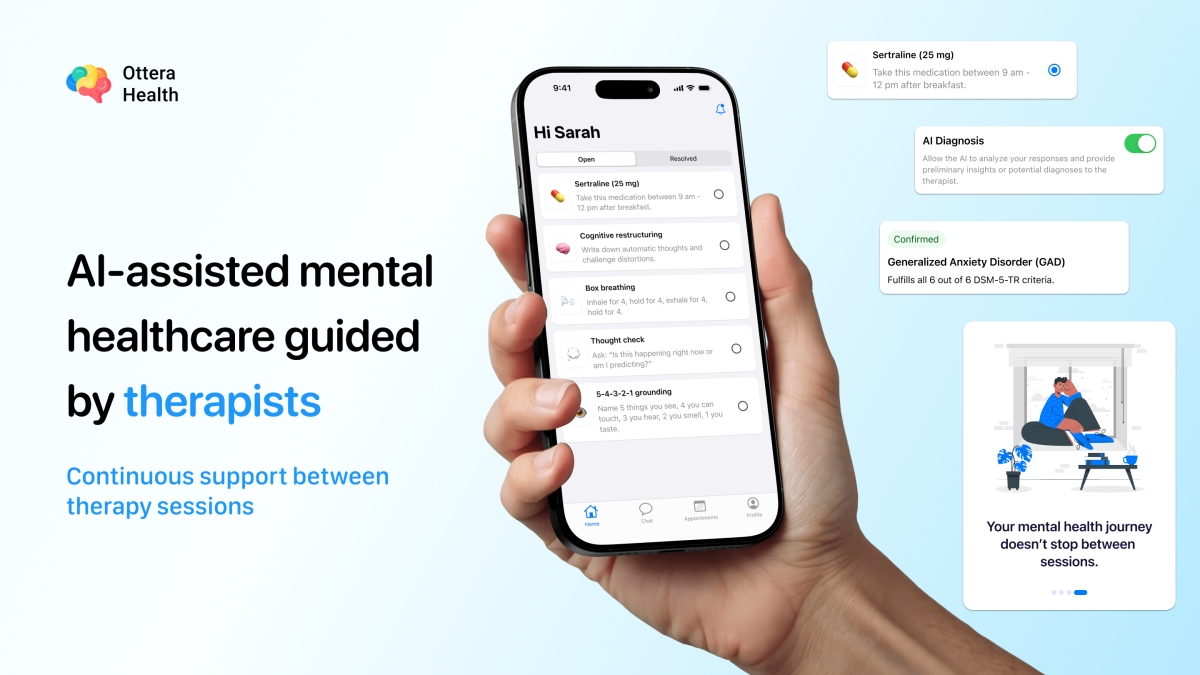
Ottera Health: Human-Centered AI for Mental Healthcare
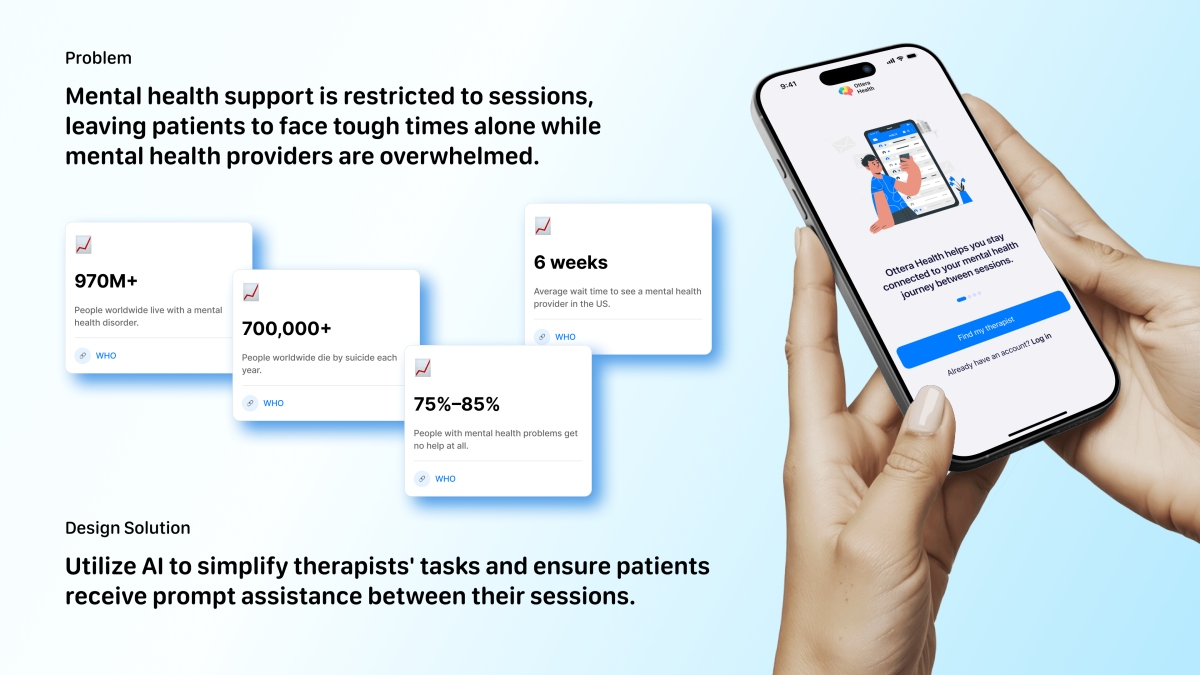
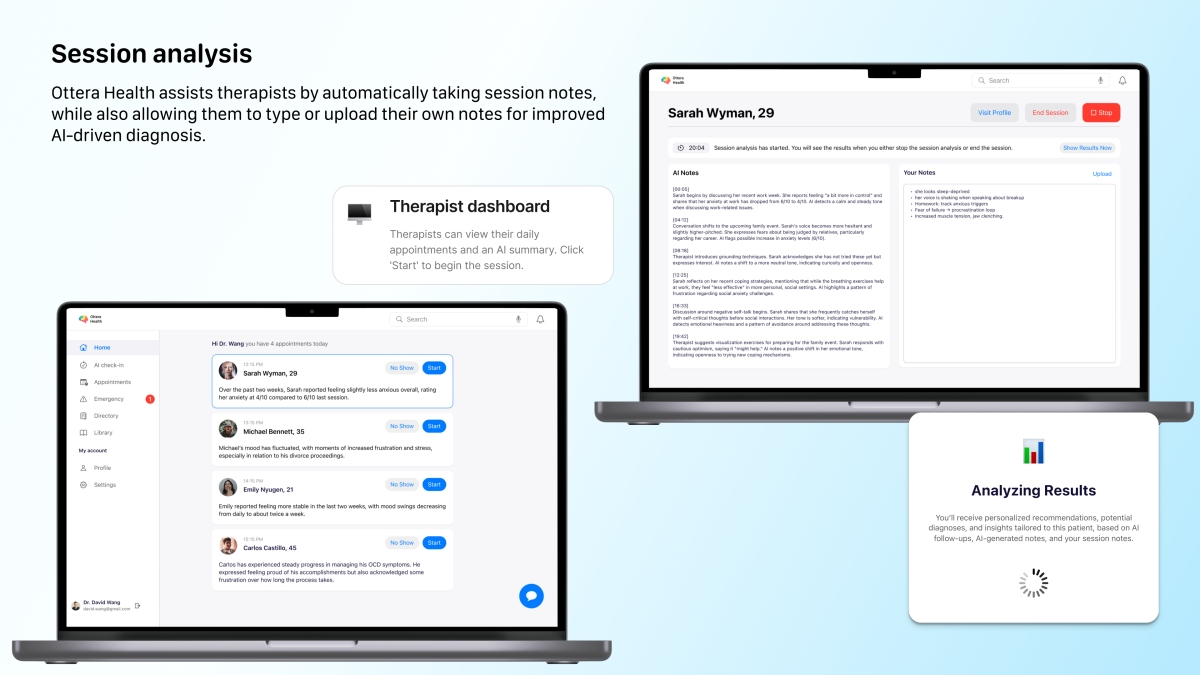
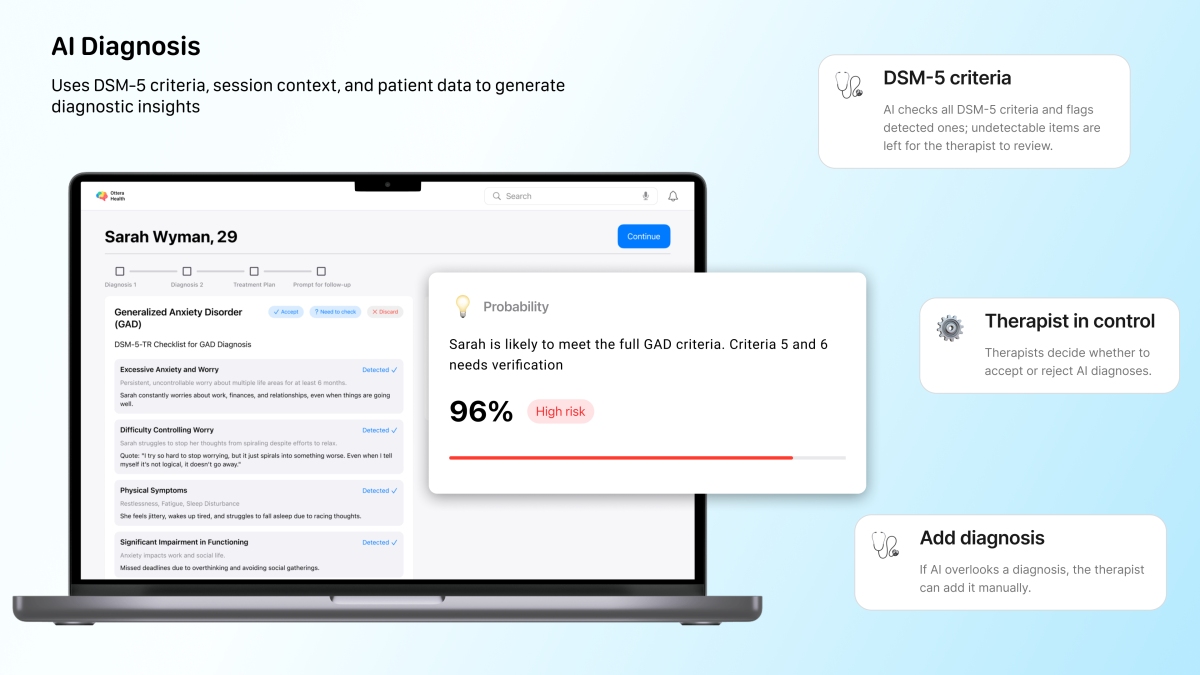
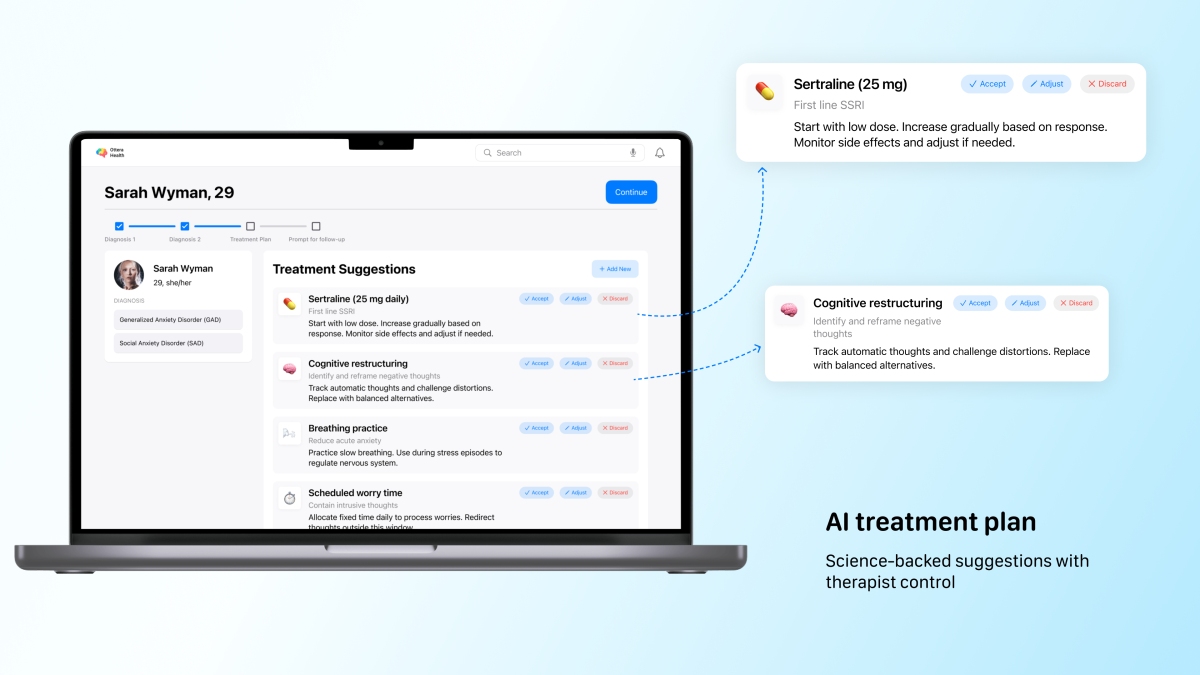
Ottera Health is an AI-assisted mental healthcare platform designed to support patients between therapy sessions...

As a Senior Product Designer at Clover, Zarina Majidova focuses on creating clearer and more intuitive digital experiences within commerce and fintech environments. Her process combines speculative thinking, experimentation, and behavioral insight to anticipate user needs and future interaction challenges.
My name is Zarina Majidova, and I’m a Senior Product Designer at Clover, where I work on commerce and fintech experiences at scale. I also hold a Master of Fine Arts degree in Design.
I was drawn to design because I’ve always been interested in how people interact with technology in stressful or complex situations. Design gave me a way to make those experiences clearer, more intuitive, and more human.
It’s encouraging to see work focused on human-centred digital experiences receive international recognition.
This recognition brought more visibility to my work and opened new conversations around design, innovation, and collaboration. It also gave me confidence to continue pursuing projects that combine technology with human experiences.
Experimentation plays an important role in my process because it helps me uncover weaknesses and think beyond expected solutions.
While working on Ottera Health, I explored multiple “what if” scenarios, including dystopian versions of the product where everything goes wrong. That helped me predict potential risks, emotional impacts, and shortcomings early in the design process.
Science fiction has probably been one of my most unusual sources of inspiration. I enjoy how sci-fi explores future human behaviour, technology, and emotional experiences.
It helps me think beyond current design limitations and imagine what products and interactions could look like in the future.
I wish more people understood that design is an iterative process grounded in real user behaviour. Designers are not the users themselves, so without research, testing, and feedback, design decisions can easily become guesswork.
I think open communication is essential. I try to closely collaborate with product managers, engineers, and stakeholders to understand their goals, constraints, and perspectives early in the process.
At the same time, I stay focused on the user experience and use research, testing, and data to support design decisions. Usually, the best outcomes come from collaboration.
One of the biggest challenges was condensing a very research-heavy project into a format people could quickly understand. I spent a lot of time researching, reading papers, and analysing similar products and concepts.
When presenting a project, you sometimes only have a few minutes or even 1 minute to communicate the idea clearly. I overcame this by focusing on the core user problem, simplifying the narrative, and being mindful that the audience did not have the same context I had after months of research and development.
When I hit a creative block, I try to make the ideation process less restrictive. Techniques like timed ideation sessions or Crazy 8s help me generate ideas quickly without overthinking.
I also try to approach the problem with the mindset that nothing is off limits in the early stages. That usually helps me break out of conventional thinking and discover unexpected directions.
I believe good design should feel almost invisible and never get in the user’s way. In UX, I try to make every element serve a clear purpose instead of adding features or visuals without value. I focus on clarity, usability, and reducing friction so users can achieve their goals as naturally as possible.
Keep experimenting, iterating, and building. I think many designers hold themselves back by waiting for perfection instead of putting ideas into the world and learning from them.
Design is a continuous process of testing and improving. Sometimes “better done than perfect” is what helps you grow fastest.
I would probably choose Dieter Rams. I really admire his philosophy around simplicity, clarity, and purposeful design. His approach aligns closely with how I think about UX: every element should serve a function and never distract from the user experience.
I wish more people asked, “Who are we really designing for?”
Different users have different mental models, expectations, behaviours, and levels of technical comfort. A design that works well for one audience may feel confusing or overwhelming to another. Understanding that difference is one of the most important parts of the design process.
Explore this link here to read about how Ji Yoon Ahn Creates Impact by Shaping Better Experiences for Healthcare, Ageing, and Human Connections.