ROSHN Group LIV Golf Riyadh
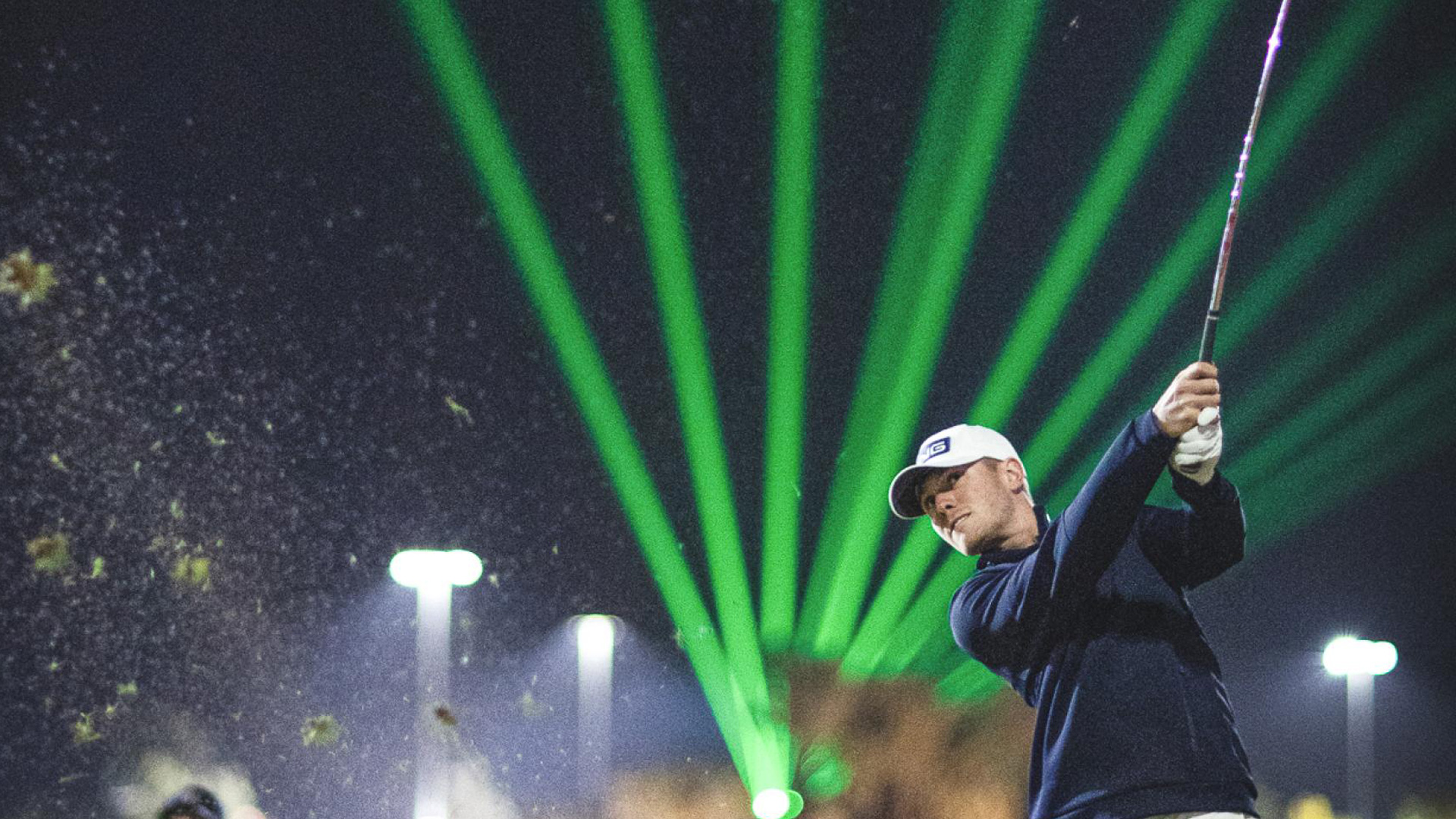
Behind The Volt transformed LIV Golf Riyadh 2026 into a world-first night golf spectacle, reimagining...
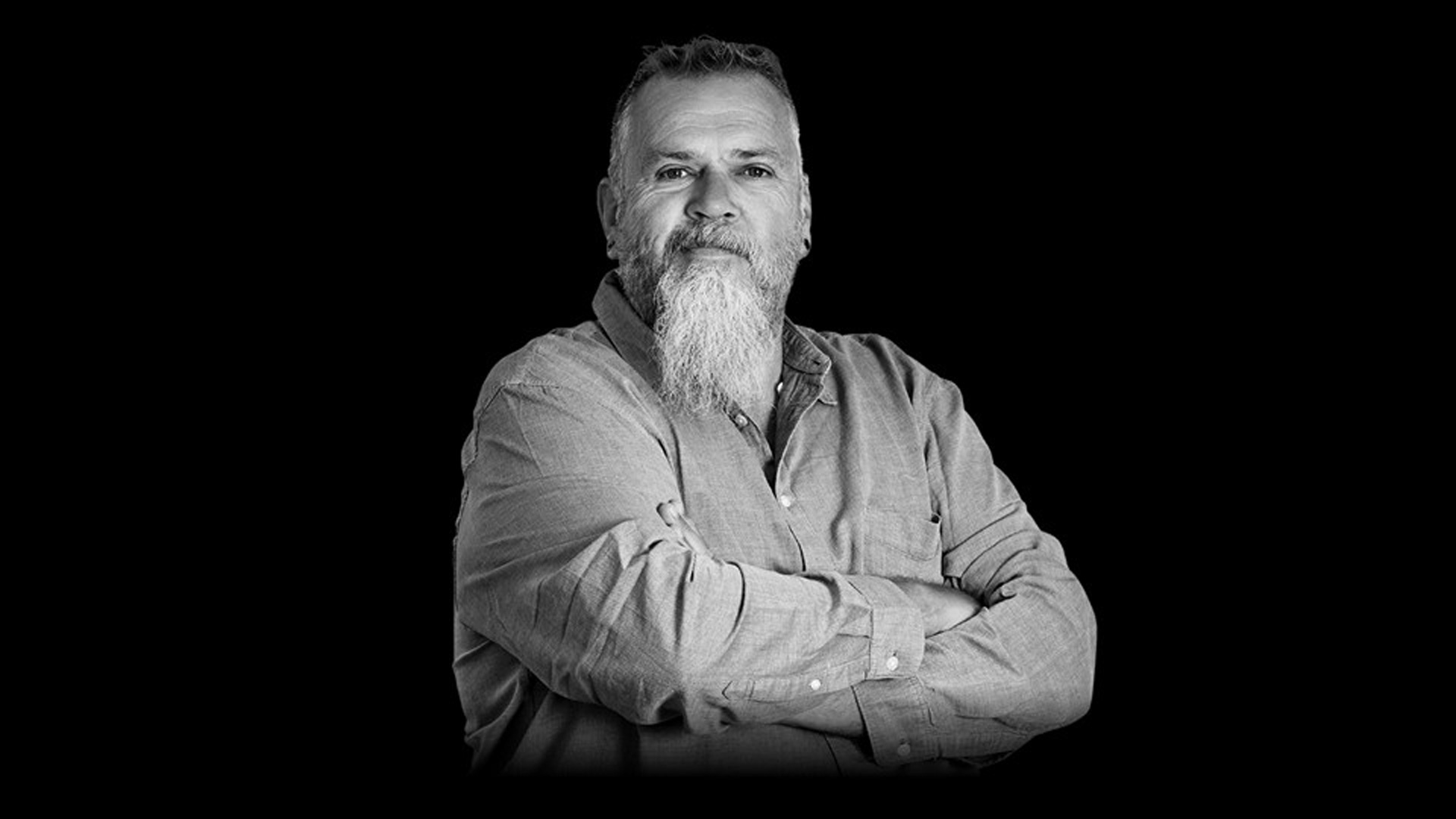
Alan Muller is the Managing Director of Behind The Volt, driven by a fascination with how design shapes emotion. Working across light, space, and movement, he creates live experiences where creativity and precision transform how audiences feel.
Thank you. I’m Alan Muller, Managing Director of Behind The Volt. I’ve always been drawn to how design shapes the way people feel in a moment.
In live events, light, space, and movement can completely transform an experience—and that blend of creativity, ambition, and precision is what drew me into this field.
It means a lot. The MUSE Design Awards is a respected global platform, so to be recognized at the Platinum level is a real honor. It’s a strong reflection of the team’s creativity, technical skill, and attention to detail.
It’s been a significant moment for the team. Behind The Volt is still a young business, so this recognition gives us meaningful momentum. It has also helped reinforce our position as a creative design and scenography partner—not just a technical delivery company.
A significant role. The best ideas often come from testing how different elements perform together in real-world conditions. On LIV Golf Riyadh, the Prestige Beams were selected for their ability to operate across both long distances and close-range projection.
In simulation, the concept worked across a 900,000 sqm golf course, but in practice we refined beam angles and optics to achieve the right result for both broadcast and live audiences. We also explored how beams, lasers, water, projection, and LED content could function individually, before bringing them together as one fully choreographed show.
Probably infrastructure. Sometimes the layout of a site, the way people move through it, or even how a venue sits on the horizon can spark a creative idea more effectively than a mood board.
Great design is rarely just a flash of inspiration—it’s usually the result of discipline, problem-solving, and refinement behind the scenes. Two things are essential: first, taking a holistic approach—you can’t design one element of an event without understanding the entire experience.
Second, being selective. With so much technology and so many visual possibilities available, the real skill lies in choosing and shaping them in the right way.
It starts with listening. Design is a dialogue, where both sides should be part of the process. Once you truly understand the ambition behind the brief, you can shape ideas that feel bold and original while still delivering exactly what the client needs.
Scale, complexity, and tight timelines. We were designing across a 1 km² live sporting venue, coordinating multiple suppliers, broadcast requirements, player sightlines, and complex operational demands.
The solution was detailed planning, strong collaboration with trusted partners, and a relentless focus on creative precision.
I usually step away rather than force it—I don’t try to push through creative blocks. A walk, a change of environment, or revisiting earlier notes to reconnect with the original intent often helps reset my perspective.
A blend of emotion, passion, honesty, and attention to detail—grounded in clarity and purpose. I always want the work to feel intentional. Even when something is spectacular, it should still carry meaning, feel authentic, and connect with the audience on an emotional level.
Stay curious, ask questions, and focus on mastering the craft—not just the aesthetics. The strongest designers understand both the creative and practical sides, especially in a world where technology is evolving so rapidly.
Es Devlin. Her work is bold, intelligent, and emotionally powerful. She has a remarkable ability to transform ideas into experiences that people genuinely remember.
I’d love more people to ask, “What do you want people to feel?” For me, that’s always the starting point. Once you define the emotion you want to create, the design becomes much clearer.