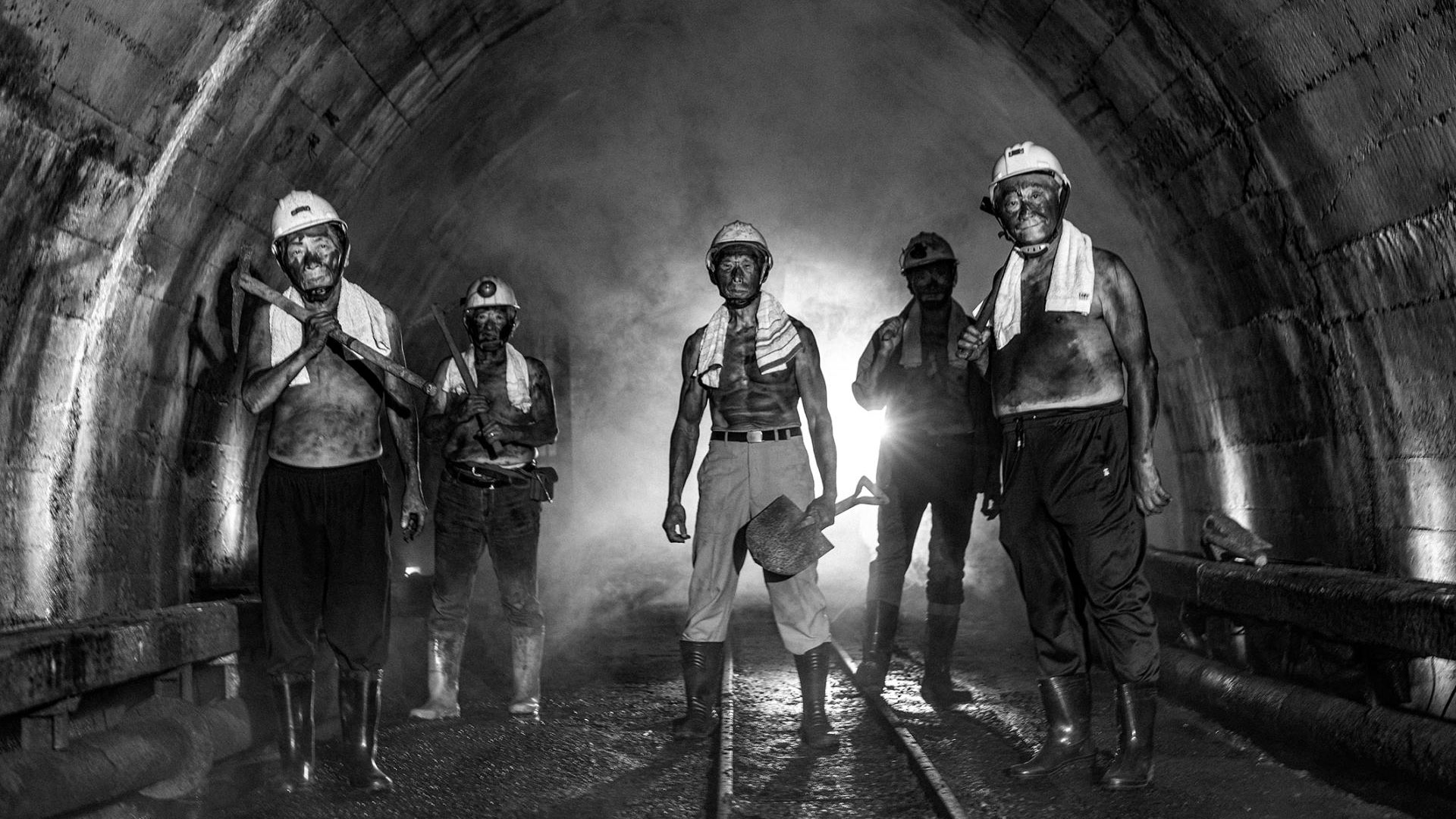
Miners' dark underground impressions
In order to record this topic, I went deep into the dark mine for half...
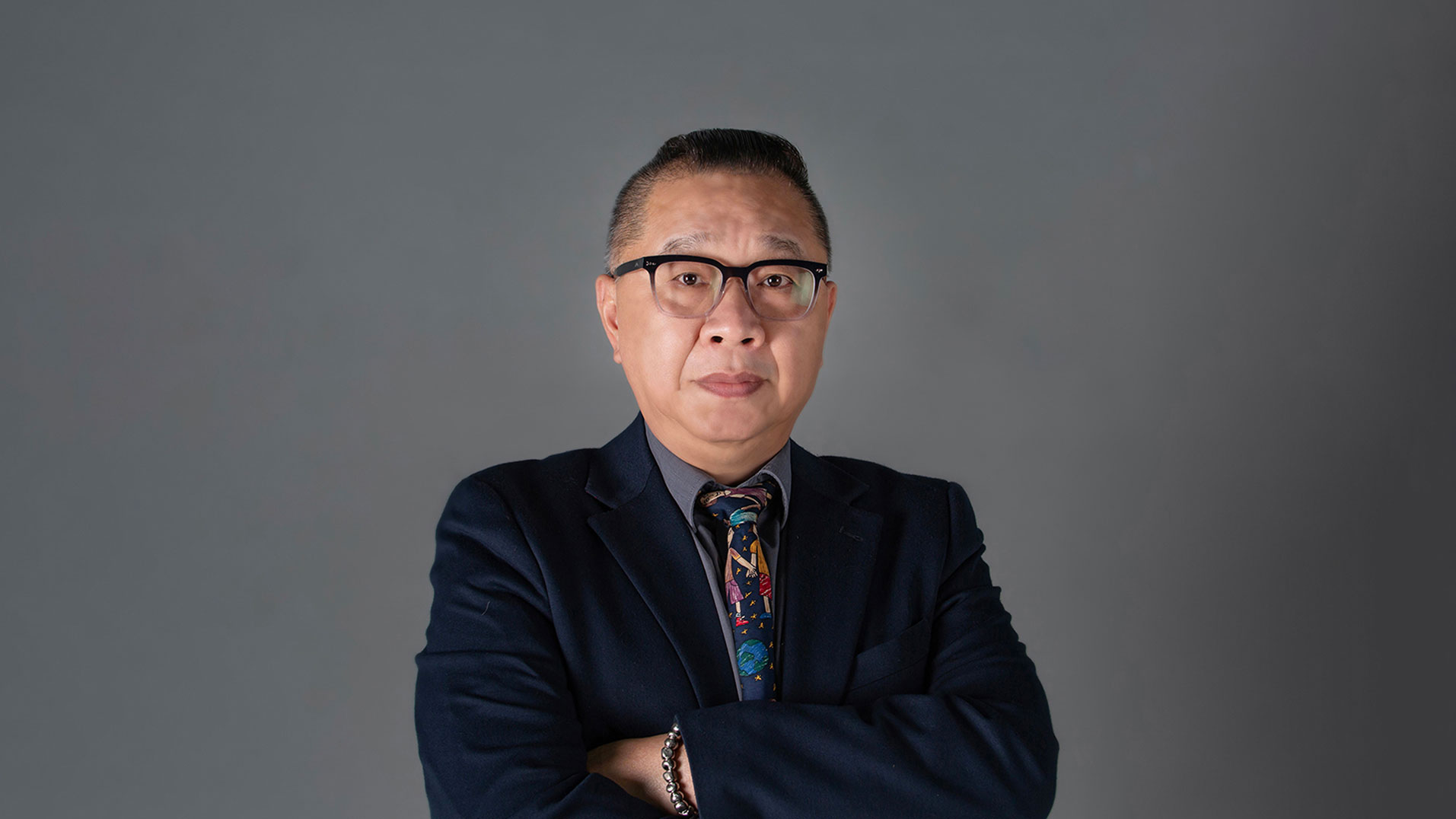
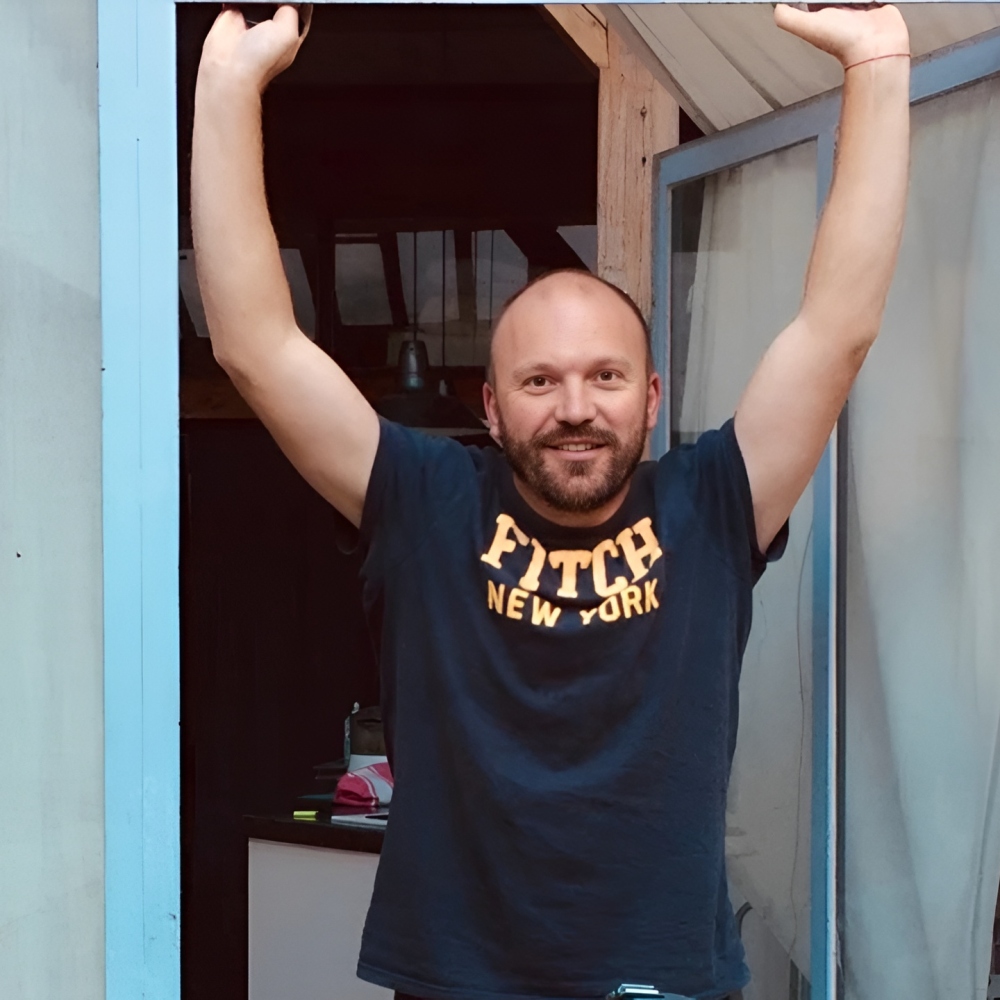
Award-winning photographer Shang Yao Yuan combines a creative strategist’s eye with a passion for visual storytelling. Drawing on his advertising background, he creates impactful images that blend atmosphere, emotion, and meaning.
As a senior creative working in an advertising agency, I am well aware of the power and influence of visual imagery.
Through photography, I have been able to achieve creative results and solve marketing challenges from a visual perspective. This allows me to approach visual communication from different angles and derive even greater enjoyment from both my professional work and photographic pursuits.
I enjoy exploring the award-winning work of leading photographers in international competitions each year, reflecting on why they approached a subject in a particular way, how I might have interpreted it, and whether I could express it through different themes or creative ideas.
I then put those ideas into practice by photographing my own work and participating in international competitions. By embracing feedback and suggestions from others, I continuously refine my approach and improve my craft. I firmly believe there are always better visual ways to interpret a subject, and I constantly challenge myself to discover them.
I continue to compare, evaluate, and refine my selections, often submitting my work at the last minute. In many cases, I reject five times as many images as I ultimately submit because I firmly believe that only the strongest work has a chance of capturing the judges’ attention. As a result, I am extremely critical when reviewing my own work.
I saw many classic and iconic photographs in photography books, and they left a lasting impression on me. I realized that a truly great image could be remembered for years and have a profound impact on those who viewed it.
When I was 16, I used all my savings to buy my first SLR film camera, and I have been photographing ever since—for more than 40 years.
Landscape photography allows me to calm my mind and temporarily set aside my worries, simply focusing on the scenery and pressing the shutter. I feel that those moments bring out the best in me.
I usually shoot in Manual mode, but when I need to react quickly, I switch to Aperture Priority or Shutter Priority, allowing the camera to handle the exposure settings while I focus on composition and capturing the moment.
This approach helps me concentrate on framing and seizing opportunities. For important assignments, I often return to a camera I know and trust rather than the latest model. Trust and a strong connection between the photographer and the camera are what matter most.
I usually try to evoke viewers' emotions through my images rather than simply describing the challenges involved in creating them. I truly appreciate it when others enjoy my work and share their own experiences and perspectives from photographing the same location, as these conversations often provide valuable insights and help me grow as a photographer.
When I create a photograph that surpasses similar work I have seen before—whether through stronger exposure, composition, timing, or capturing a fleeting moment—it brings me a sense of satisfaction that lasts for days.
Successfully challenging myself is an achievement that I believe is worth celebrating.
When I work on in-depth projects related to the Milky Way and historical or unique professions, I am often moved by the people, places, and stories behind the subjects I photograph.
It feels as though I am fully immersed in the moment, which is a truly special and rewarding experience.
As a photographer who has won first prize in international competitions, I not only study the work of historical masters through books, but also seek to understand their creative journeys and artistic processes.
Reviewing the work of each year's award-winning photographers is an important part of my learning after every competition. I enjoy exploring their work and discovering the aesthetic influences, visual trends, and creative directions that define each era.
As a university professor, I encourage my students to participate in international competitions because they can broaden their horizons and, in some cases, provide the encouragement needed to pursue photography more seriously.
I also share and discuss different styles and techniques, while offering insights from my own experience. This approach has proven effective in inspiring and developing many aspiring photographers.
Equipment is not the most important thing. Study more work from international competitions, take the time to understand it carefully, and listen to experienced photographers share their insights and experiences. This can be a valuable shortcut to growth.
I will use it, but it will not be my primary focus. I believe a strong photograph should be 80% complete when the shutter is pressed, with the remaining 20% refined through editing and post-production.
Excessive editing and post-production can diminish the authenticity that makes a work emotionally compelling.
This may be the direction the industry is moving, but I believe that genuine photographs captured through the act of pressing the shutter remain irreplaceable, even by technologies such as artificial intelligence.
Some AI-generated works lack the soul and emotional connection that come from the photographic process. As long as competitions maintain separate categories, I do not believe the impact will be significant.
I want to capture more images of the aurora, the Milky Way, and wildlife, which continue to inspire me to travel to different parts of the world in search of new photographic opportunities.