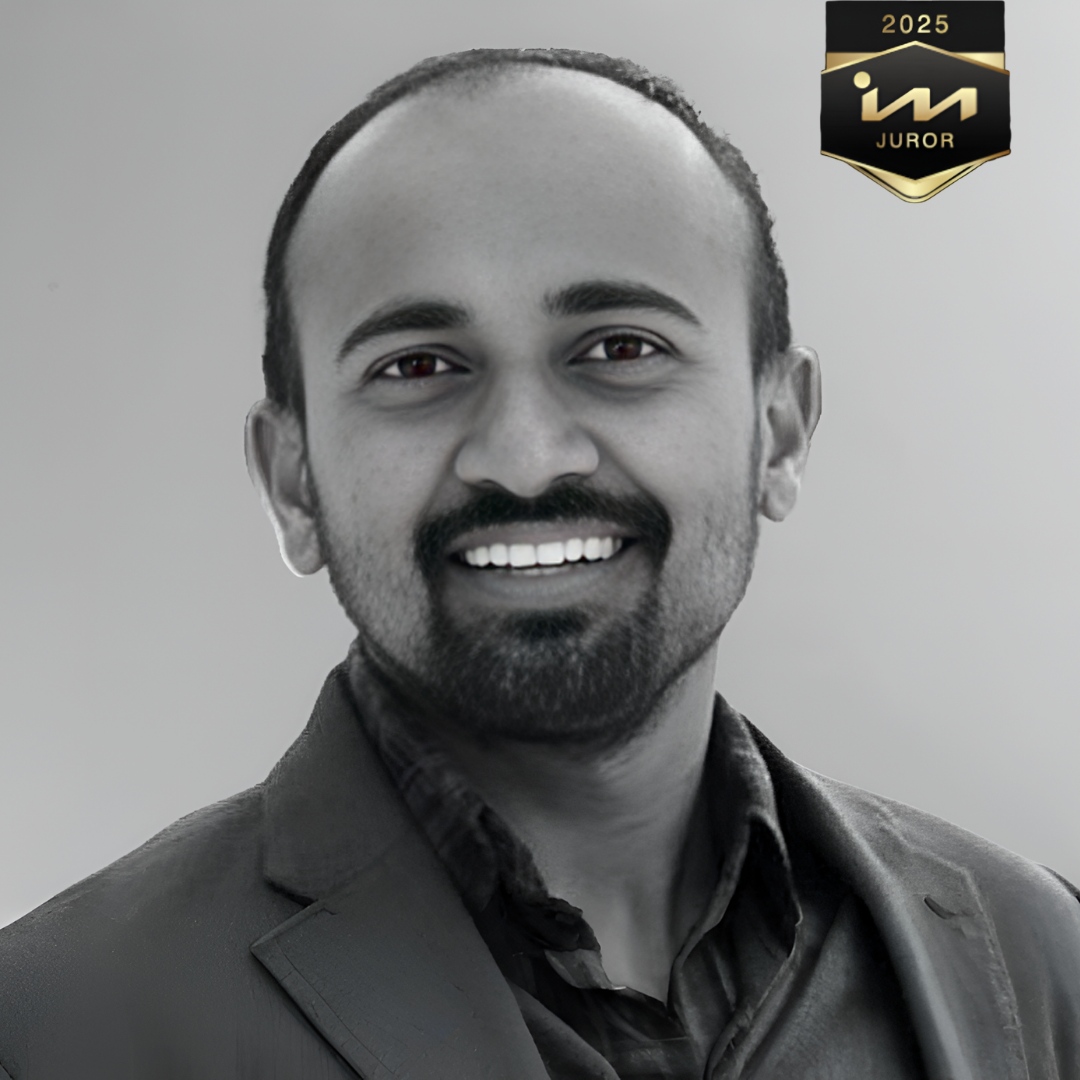
Banking Systems Modernization & Conversion Expert
Through her technical expertise, Swetha successfully modernized legacy applications including Relationship Management, Savings Time, and...

Swetha Lakkaraju is a banking systems modernization leader with over 18 years of experience transforming mission-critical core banking platforms within highly regulated financial institutions. She specializes in delivering large-scale conversion initiatives that modernize legacy systems while safeguarding operational stability, regulatory compliance, and long-term resilience.
Thank you! I’m honored to be recognized by the TITAN Innovation Awards.
I am Swetha Lakkaraju, a banking systems modernization and conversion expert with over 18 years of experience in the financial services technology domain. My background is rooted in building, modernizing, and stabilizing large-scale core banking platforms that support mission-critical commercial and retail banking operations in highly regulated environments.
Throughout my career, I have worked with leading global financial institutions, including Citibank and BMO, where I have led complex modernization and large-scale customer conversion initiatives. My expertise spans legacy-to-modern transformation, core banking platforms such as Systematics, batch and online processing, automation, integration, and production resiliency. I specialize in modernizing existing systems in a way that minimizes risk, ensures regulatory compliance, and allows banks to evolve without disrupting daily operations.
Beyond technical leadership, I am deeply involved in translating business and regulatory requirements into scalable, future-ready technology solutions. I focus on creating repeatable frameworks for system upgrades, batch automation, testing, and release management that improve operational efficiency, system reliability, and long-term maintainability.
I am passionate about solving complex banking challenges, mentoring teams, and delivering technology solutions that balance innovation with stability. Being recognized by the TITAN Innovation Awards is especially meaningful, as it reflects not just technical achievement, but the real-world impact of building resilient, reliable, and forward-looking banking systems that serve millions of customers every day.
What motivated me to develop this achievement was a recurring challenge I encountered across large financial institutions: mission-critical banking systems were expected to support modern digital experiences, regulatory demands, and rapid growth while still relying on legacy infrastructure. I saw how manual processes, rigid architectures, and high-risk upgrades limited innovation and increased operational strain. This drove me to pursue modernization approaches that enhanced capability and efficiency without compromising system stability or customer trust.
This work strongly aligned with my personal goal of becoming a trusted leader in large-scale, high-impact banking transformations. I focused on designing solutions that balanced innovation with resilience—introducing automation, phased modernization, and repeatable frameworks that reduced risk and improved reliability. Knowledge sharing and team enablement were equally important, motivating me to establish strong documentation and standardized practices that created long-term value beyond individual projects.
From an organizational perspective, these initiatives directly supported goals of operational excellence, cost optimization, and future readiness. By modernizing legacy platforms without disrupting day-to-day operations, the solutions delivered measurable gains in efficiency, scalability, and reliability, while positioning institutions to adopt new digital capabilities confidently and sustainably.
My award-winning work focuses on modernizing mission-critical banking systems in a way that delivers innovation without sacrificing stability or regulatory compliance. Instead of high-risk system replacements, I adopted an incremental modernization approach that enhanced legacy core banking platforms while keeping them fully operational. This allowed banks to evolve safely, improve performance, and support growing digital and business demands.
A key advancement was the introduction of automation-driven batch processing and monitoring frameworks. By redesigning batch orchestration and implementing proactive controls, I significantly reduced manual intervention, improved batch success rates, and increased system reliability during critical processing windows. These improvements strengthened operational resilience across high-volume commercial and retail banking environments.
I also developed phased deployment and conversion strategies for large-scale customer migrations, supported by robust testing and parallel-run frameworks. These repeatable, scalable solutions enabled seamless conversions of complex products with minimal disruption. Together, these innovations established a practical, resilient model for legacy banking modernization that delivers long-term value at enterprise scale.
My expertise and leadership were central to the success of this project, particularly in navigating the complexity and risk inherent in modernizing mission-critical banking systems. I brought deep hands-on knowledge of core banking platforms, legacy architectures, and batch-intensive processing environments, which allowed me to design solutions that were technically sound, compliant, and practical for real-world banking operations.
As a leader, I guided cross-functional teams through large-scale modernization and conversion efforts by establishing clear technical direction, phased execution plans, and rigorous testing and release frameworks. I worked closely with business stakeholders to translate complex requirements into scalable, cost-optimized solutions, ensuring alignment between technology decisions and business objectives. This approach minimized disruption while accelerating delivery and improving system reliability.
Equally important was my focus on team enablement and sustainability. I introduced standardized practices, automation frameworks, and comprehensive documentation that empowered teams to operate independently and maintain high production readiness. By combining technical depth with collaborative leadership, I was able to deliver measurable improvements in efficiency, stability, and uptime, ensuring the long-term success of the project beyond its initial implementation.
The innovation addresses a critical problem in large financial institutions: legacy core banking systems are reliable but rigid, heavily manual, and difficult to modernize without operational risk. These systems often rely on complex batch processing with limited automation, leading to frequent interventions, longer processing cycles, and higher chances of incidents—especially during upgrades or large customer conversions. This creates a bottleneck for banks trying to improve efficiency, scalability, and digital readiness while maintaining regulatory compliance.
My solution improves these processes by introducing automation-driven batch orchestration, proactive monitoring, and standardized recovery mechanisms within existing core banking platforms. Manual touchpoints were significantly reduced, batch stability was improved, and processing windows became more predictable. In parallel, phased deployment and robust testing frameworks enabled system upgrades and large-scale migrations to occur with minimal disruption, even during high-risk implementation periods.
As a result, existing processes became more resilient, efficient, and scalable. Banks were able to modernize incrementally rather than through risky system replacements, achieving higher uptime, fewer incidents, and improved operational transparency. This approach transformed legacy environments into future-ready platforms while preserving the stability and trust that mission-critical banking systems require.
What makes this innovation stand out is its ability to modernize legacy banking systems without disrupting live operations. Instead of replacing core platforms, the solution enhances existing systems through incremental, low-risk modernization. This approach allows banks to improve performance, reliability, and scalability while continuing to meet strict regulatory and availability requirements.
A key differentiator is the use of automation-driven batch processing and proactive monitoring. By redesigning batch orchestration, standardizing controls, and introducing early-warning mechanisms, the solution significantly reduces manual intervention and operational risk. This results in higher batch success rates, more predictable processing cycles, and improved system resilience during peak and critical processing windows.
Another standout aspect is the repeatable and scalable framework applied to large-scale conversions and deployments. Phased rollout strategies, comprehensive testing, and parallel-run models enable seamless migration of complex products with minimal disruption. Combined with strong documentation and knowledge-transfer practices, the innovation delivers long-term sustainability, empowering teams to maintain and extend the solution well beyond initial implementation.
My company played a critical role by providing the strategic direction, enterprise platforms, and governance needed to execute large-scale banking modernization initiatives. Leadership fostered a culture of innovation and continuous improvement, empowering me to implement automation-first strategies, phased deployments, and scalable architectures that reduced risk while accelerating delivery. This support enabled us to modernize complex legacy systems while maintaining strict regulatory and operational standards.
Success was driven by close collaboration across cross-functional teams. Business stakeholders ensured alignment with customer and compliance requirements, while engineering, DevOps, and QA teams partnered to build automated testing, monitoring, and deployment frameworks that improved reliability and efficiency. Together, we delivered seamless conversions, minimized disruptions, and created resilient, future-ready banking platforms that produced measurable operational and customer experience improvements.
The development phase presented several complex challenges, including modernizing deeply embedded legacy core banking systems while ensuring zero disruption to daily financial operations. Integrating multiple Systematics modules, managing large-scale customer data migrations, and maintaining strict regulatory and security standards added significant technical and operational risk. Tight timelines, high-stakes weekend cutovers, and dependencies across business, infrastructure, and vendor teams further increased the complexity of delivery.
I addressed these challenges by applying strong technical leadership, structured planning, and an automation-first mindset. My expertise in system architecture and batch processing enabled me to design phased deployment strategies, robust testing frameworks, and proactive monitoring solutions that minimized failures and reduced manual intervention. I also leveraged clear communication and stakeholder management skills to align cross-functional teams, quickly resolve issues, and maintain focus during critical implementations.
By combining analytical problem-solving with collaborative leadership, I transformed potential risks into controlled, predictable outcomes—achieving high system stability, faster releases, and seamless conversions while ensuring customer experience and operational continuity were never compromised.
I hope my innovation sets a new benchmark for how financial institutions approach core banking modernization—shifting from reactive, manual processes to automated, resilient, and customer-centric systems. By integrating legacy platforms with scalable digital architectures and intelligent monitoring, my goal is to help banks deliver faster, more reliable services while maintaining the highest standards of security, compliance, and operational stability.
For the industry, I aim to demonstrate that large-scale conversions and system transformations can be executed with minimal disruption through phased deployments, automation, and rigorous testing. These practices reduce risk, lower operational costs, and significantly improve uptime and processing performance. I believe this approach can serve as a repeatable framework for other institutions modernizing complex banking ecosystems.
Ultimately, the impact I seek is to enable banks to innovate confidently—accelerating digital capabilities, enhancing customer experiences, and building future-ready platforms that support growth, agility, and long-term sustainability.
Winning this award would strongly affirm my vision that meaningful technological progress in banking comes from modernizing with purpose—combining innovation, reliability, and customer impact rather than change for its own sake. I believe true innovation lies in transforming legacy systems into intelligent, automated, and scalable platforms that not only improve efficiency but also create seamless, secure experiences for customers and businesses.
This recognition would validate the automation-first strategies, phased modernization approaches, and resilient architectures I have championed to reduce risk, increase uptime, and enable continuous improvement. It reinforces my belief that large, complex financial systems can evolve rapidly when supported by strong technical design, collaboration, and disciplined execution.
More importantly, the award would motivate me to continue driving forward-thinking solutions that help the industry embrace digital transformation with confidence—building future-ready banking ecosystems that are agile, dependable, and capable of supporting the next generation of financial innovation.
The development process involved modernizing deeply entrenched legacy core banking systems that supported thousands of daily financial transactions, where even minor disruptions could impact customers and regulatory compliance. Integrating multiple Systematics modules, managing large-scale data migrations, and coordinating releases across several dependent teams created significant technical and operational complexity. Tight timelines and high-risk weekend cutovers added further pressure to deliver flawlessly.
To overcome these challenges, I adopted a structured, risk-mitigation approach centered on phased deployments, automation, and rigorous testing. I introduced batch monitoring, automated validation, and rollback strategies to proactively detect and resolve issues before they affected production. My strong analytical and system design skills helped simplify complex integrations, while clear communication and stakeholder alignment ensured cross-functional teams worked efficiently toward shared goals.
By combining technical expertise with disciplined execution and collaborative leadership, I was able to transform high-risk implementations into predictable, stable releases—achieving minimal disruption, improved reliability, and measurable gains in operational efficiency.
I see my innovation helping reshape the future of banking by accelerating the transition from legacy, manually intensive systems to automated, resilient, and digitally integrated platforms. By modernizing core banking infrastructure with scalable architectures, intelligent monitoring, and streamlined batch processing, financial institutions can deliver faster services, higher reliability, and seamless customer experiences while maintaining strict regulatory and security standards.
My approach demonstrates that even the most complex core systems can be transformed with minimal disruption through phased deployments, automation-first testing, and proactive risk management. These practices reduce operational costs, improve uptime, and create repeatable modernization frameworks that other institutions can adopt to confidently evolve their technology ecosystems.
Ultimately, I believe this innovation will enable banks to be more agile and future-ready—supporting real-time processing, digital-first products, and continuous innovation—so they can better serve customers and adapt quickly to changing market and compliance demands.
I am most excited by the rapid advancement of cloud-native architectures, intelligent automation, and AI-driven monitoring within financial technology. These innovations are transforming how banks modernize legacy systems—enabling scalable infrastructure, real-time processing, and predictive issue detection. The shift toward microservices, APIs, and platform-based ecosystems also allows financial institutions to innovate faster while maintaining security and regulatory compliance.
These trends strongly influence my work by reinforcing an automation-first and resilience-focused approach. I leverage automated testing, proactive monitoring, and streamlined deployment pipelines to reduce manual effort and improve reliability during complex conversions. AI-driven analytics and observability tools help anticipate failures, optimize batch performance, and ensure higher uptime, allowing teams to move from reactive support to proactive operations.
By incorporating these emerging technologies into core banking modernization, I aim to build future-ready systems that are agile, cost-efficient, and capable of supporting continuous digital innovation—positioning banks to better serve customers in an increasingly real-time, digital-first world.
My advice to individuals or teams working on transformative ideas is to start with a clear understanding of the problem you are solving and the value it creates for users or the business. True innovation is not just about adopting new technology, but about designing solutions that are practical, scalable, and sustainable. Focus on outcomes, measure impact, and ensure every technical decision aligns with long-term goals.
Equally important is building a culture of collaboration and resilience. Large transformations rarely succeed in isolation—engage stakeholders early, communicate transparently, and encourage cross-functional ownership. Embrace automation, testing, and phased delivery to reduce risk, and treat challenges as learning opportunities rather than setbacks.
Finally, be persistent and adaptable. Transformative work often involves navigating uncertainty and resistance to change, but strong leadership, continuous learning, and a willingness to iterate will turn bold ideas into lasting impact.

Looking to read more insightful stories? Click here to read how Engineering Intelligent Scale: Pavan Kumar Mantha Shares His Vision to Velocity.