
Design & Inspiration
Bringing OrenjiGO to Life: Yuye Jin on the Joy of Interactive Design
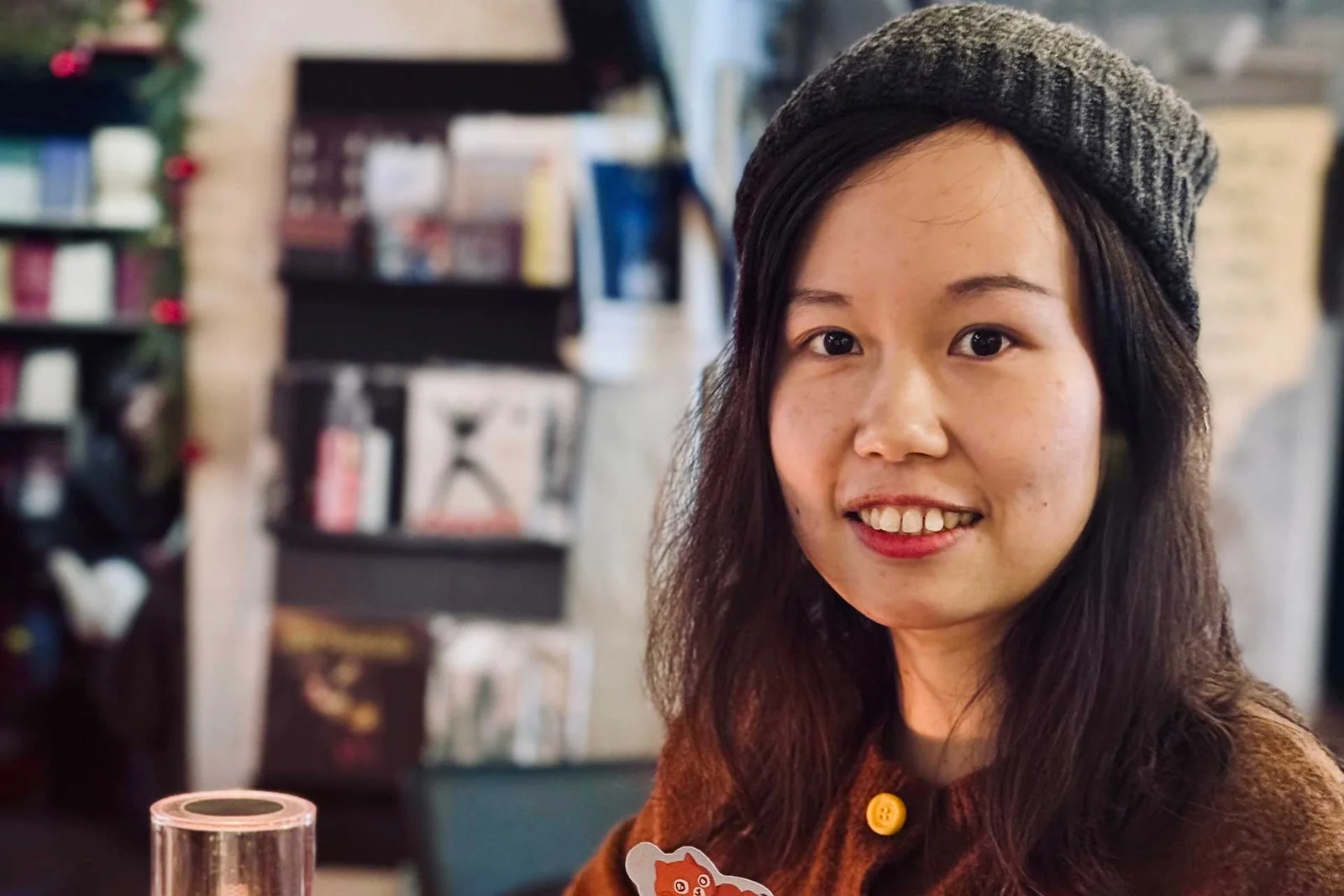
Yuye Jin
Yuye Jin is a freelance UX designer passionate about merging tactile and digital experiences. She explores how everyday objects like ceramics connect with the digital world, creating playful, immersive designs that feel both nostalgic and futuristic.I’m Julia Yuye Jin, a UX designer with a love for combining tactile and digital worlds. I switched from accounting to design, drawn by my passion for creativity and interactive experiences.
My background in design is rooted in problem-solving and storytelling, where each project feels like a journey of discovery, much like my own career shift.
I used to work 9-to-5, and while it paid the bills, it lacked spark and serendipity. I realized I craved more than routine—I wanted to create something that brought a bit of magic into people’s everyday lives. Design gave me that opportunity.
I’m currently a freelance UX designer, specializing in interactive, user-centered experiences. I love exploring the intersection of physical design and digital interaction, bringing everyday objects like ceramics into a digital context to surprise and delight users.
Design is problem-solving at its core. It’s not just about creating something visually appealing but about crafting experiences that work seamlessly for people. I’ve always admired Japanese design for its incredible execution and creativity.
It’s minimal, functional, and deeply thoughtful—how people experience it is tied to how well it’s executed, and Japanese designers do a fantastic job at that.
I love designs that blend the physical and digital, like playful installations or interactive experiences that feel both nostalgic and futuristic. These designs surprise people and invite them to engage in a deeper, more meaningful way.
A good design solves a problem, but great design elevates the experience through its execution. How people interact with it, how intuitive it feels—that’s where the magic happens.
Japanese design is a perfect example; it’s beautifully simple, but behind that simplicity is precision and care, ensuring it feels natural and effortless to the user.
My design style is playful, curious, and light-hearted. I like to create experiences that feel tactile and inviting, often using soft colors and simple, organic shapes to create a sense of warmth and exploration.
My process is nonlinear and filled with iteration. I start with a concept, sketch, test, and then go back to the drawing board. Every design goes through a lot of user feedback and prototyping until it feels right and makes people smile.
Definitely! Growing up in China, I was always surrounded by stories, traditions, and a love for craft. This cultural background made me appreciate the power of storytelling in design and how physical objects can carry a deeper meaning.
Winning the MUSE Design Awards is an incredible validation of my journey from accounting to design. It’s a reminder that following your passion can lead to amazing opportunities.
For me, it’s also proof that playfulness and creativity can make a real impact.
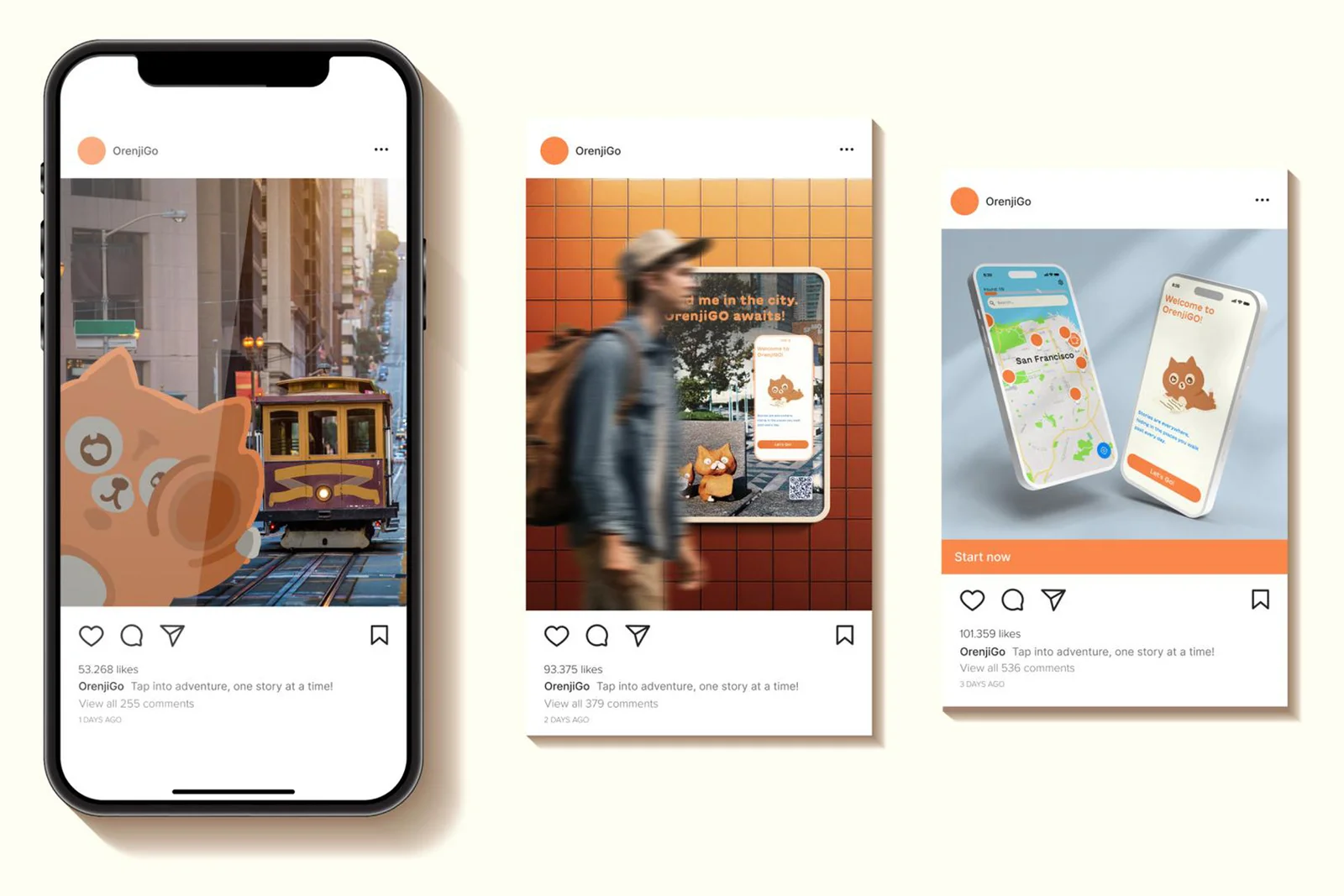
I entered OrenjiGO, a project born from my love of San Francisco and my desire to make life more playful. It’s an interactive experience using NFC-embedded ceramics that people can tap to unlock stories.
I wanted to share this project because it brings a sense of serendipity and fun to everyday life.
The biggest challenge was balancing the physical and digital aspects, making sure the NFC technology worked seamlessly with the handcrafted ceramics. It was a lot of trial and error, but seeing it all come together was incredibly rewarding.
Winning in the MUSE Design Awards has given me more confidence to take risks in my designs and push boundaries. It has also opened doors for collaborations and potential partnerships, allowing me to bring more playful, meaningful experiences to life.
Creativity, constant learning, and the way design connects people!
I love how the design industry allows you to blend technology, art, and storytelling into something that can make a real impact.
China has a deep appreciation for craftsmanship and storytelling. The culture values history, but at the same time, it’s pushing the boundaries of modern design. This creates a unique blend of tradition and innovation that’s really inspiring.
I think design will become even more immersive and experiential, with technology like AI and AR playing a big role. But at the same time, I think we’ll see a return to more tactile, physical experiences as people crave a break from screens.
Take risks, embrace failure, and don’t be afraid to experiment. The best designs come from the moments when things don’t go as planned. Stay curious and keep pushing your creative boundaries.
Books like “Don’t Make Me Think” by Steve Krug and platforms like Figma Community or UX Collective. They’re great for both practical design skills and staying inspired by other designers.
I once designed a project just like the Nintendo alarm clock but Nintendo has executed it in a better way.
My mother! She’s always found creative ways to solve problems, from sewing clothes to fixing things around the house. She taught me that creativity isn’t just about art—it’s about finding solutions in everyday life.
Stay curious and never stop learning. The design world is always evolving, and the more open you are to new ideas and experiences, the more you’ll grow.
Just that I’m incredibly grateful for the opportunities I’ve had, and I can’t wait to see where this journey takes me next. I hope OrenjiGO brings as much joy to others as it has brought to me in creating it!
Winning Entry
Explore the journey of Hongze Yang, the Gold Winner of the 2024 MUSE Design Awards. He is an industrial design teacher at Northeast Forestry University and a skilled handmade guitar luthier, merges artistry with innovation in acoustic design, visual perception, and virtual display. Passionate about craftsmanship, he enjoys bringing ideas to life.
ADVERTISEMENT
Latest Posts
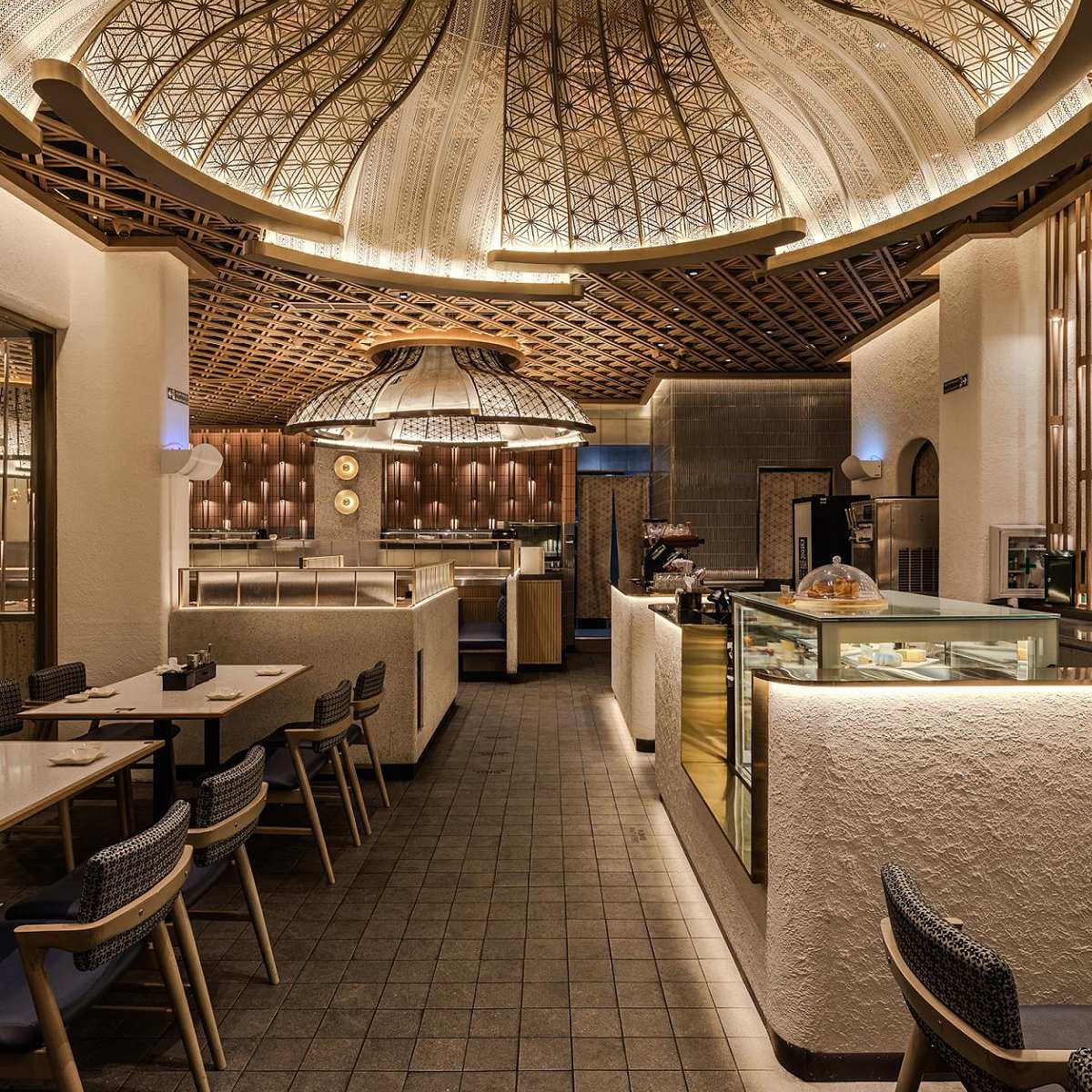
MoMo.Co.,Ltd. Creates a Refined Dining Environment for Sushi Tei Jawa
SEPTEMBER 28, 2026
2026 Global Photography Awards Reveals Photographers of the Year an...
SEPTEMBER 25, 2026
How Many Awards Should You Enter? (Strategy Guide)
SEPTEMBER 23, 2026
Interactive Light Installation: Before Fish Become Birds Creates a ...
SEPTEMBER 22, 2026
Creative vs Effectiveness Awards | Key Differences Explained
SEPTEMBER 21, 2026

Tonic DNA Brings Highmark’s (un)Hungry Community Story to Life Thro...
SEPTEMBER 17, 2026
Marketing Awards for Startups | Small Business Awards Guide
SEPTEMBER 16, 2026

National Geographic, SDRATS & CICC Capture Life at the Yellow River...
SEPTEMBER 16, 2026
2027 French Design Awards Opens Global Entries for Design Excellence
SEPTEMBER 15, 2026
2027 French Fashion Awards Opens Global Call for Entries
SEPTEMBER 15, 2026



IAA GLOBAL AWARDS
MUSE Awards
Vega Awards
NYX Awards
TITAN Awards
- TITAN Business Awards
- TITAN American Business Awards
- TITAN Property Awards
- TITAN Women in Business and Leadership Awards
- TITAN Health Awards
- TITAN Innovation Awards
- TITAN Brand Awards