
Design & Inspiration
The Sound of Innovation: Hongze Yang and LaceShadow
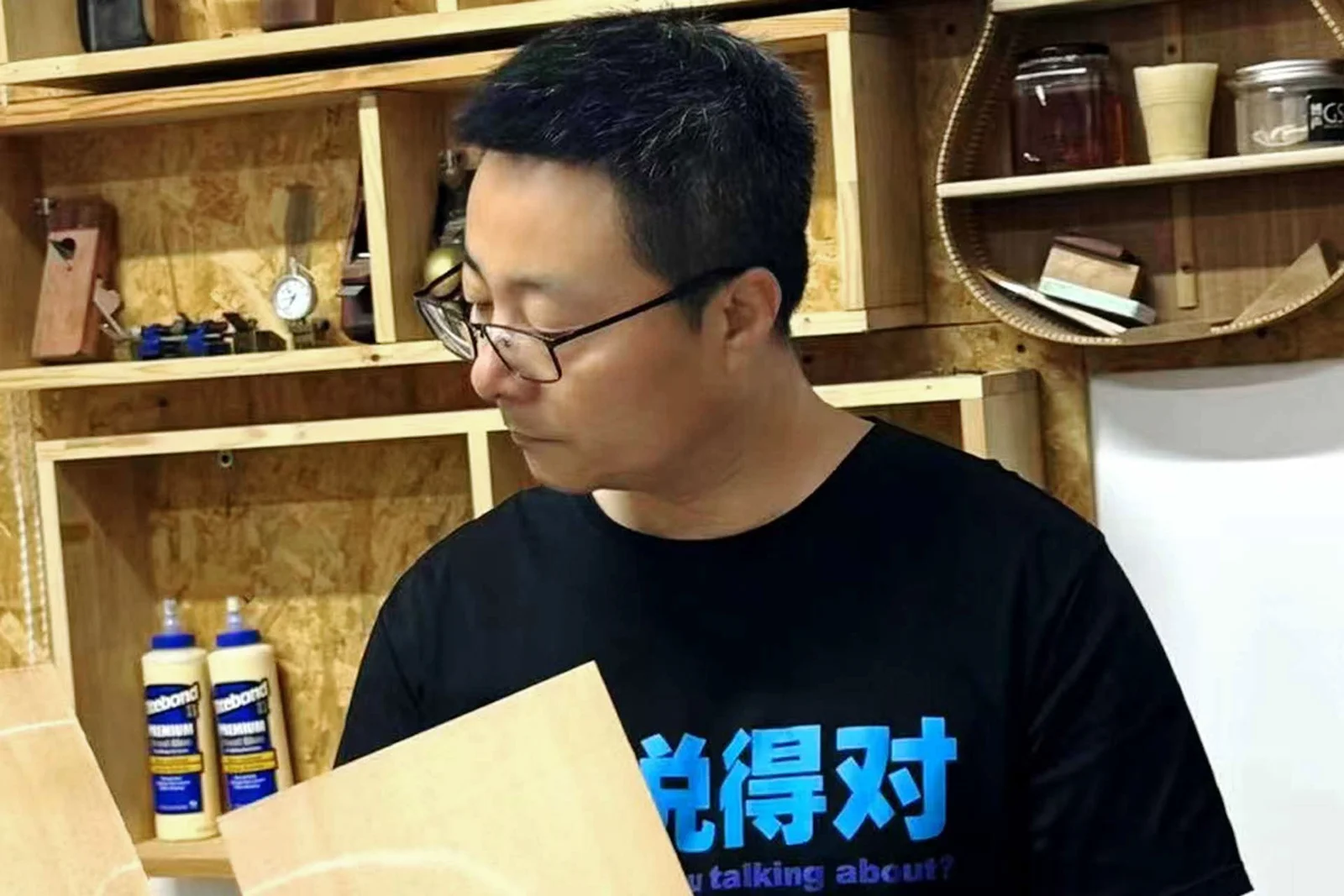
Hongze Yang
Hongze Yang, an industrial design teacher at Northeast Forestry University and a senior handmade guitar luthier, blends artistry with innovation in acoustic product design, visual cognition, and virtual display. Driven by a passion for craftsmanship, he finds joy in shaping ideas into tangible creations.My name is Hongze Yang. I graduated from Jilin University College of Art, majoring in art design, and I am now a teacher of industrial design at the College of Home and Art Design of Northeast Forestry University, as well as a senior handmade guitar luthier.
I mainly focus on teaching and research in acoustic product design, visual cognitive design, and virtual display design.
I love to build things, am fascinated by the process of objects coming to life in my hands, and am eager to bring the ideas in my head to life, so I chose the industry of industrial design to become a designer and a teacher of design.
I work in a university that specializes in forestry, and there is a lot of research on wood, including the acoustic properties of various types of wood. These rich research results provide good theoretical support for my designs, so I want to apply them to my acoustic guitar designs.
I've tried to do so in the hope of producing better guitars. There is no doubt that I have an inherent advantage in this area of research.
Design to me means innovation, the creation of new sensibilities, but also the birth of new life. It is our tool against the old world and our means of embracing a new life.
My favorite thing about thoughtful design is that it can be imperfect, but it should be somewhat adventurous because the world is boring enough as it is. Design shouldn't exacerbate the dullness of the world but should work to improve it and I believe that thoughtful design brings ideas to life.
For me, good design is the most appropriate design. It grows naturally, appearing at the right time, neither silent nor noisy—enthusiastically participating in life without dictating to it.
It's like someone you like and not destructively involved, but simply bringing warmth and attachment.
My design style is neo-romanticism, a style that emphasizes emotion, passion, fantasy, and personal expression. I hope my design promotes the freedom of individuality and the essence of nature while countering purely efficiency-driven machine processing with elements of natural craftsmanship.
My goal is to reinvent the mood of romanticism while maintaining practicality.
When I'm designing, I usually start with a strong desire, such as the urge to improve something. I then think about it deeply and create lots of sketches.
During this process, I keep reminding myself of the original desire to ensure I’m not becoming overly ambitious. After that, I model the design in 3D software, refining it until it reaches a strong visual form. Finally, I create a prototype to check whether the shape I envisioned compromises functionality.
Yes, Chinese culture has deeply influenced me and my work. Our country's culture is gentle, deep and introverted, and Chinese design emphasizes the harmony between man and nature, as well as the rapprochement between self and others, so these influences are intangible but ever-present in my entire design process.
Thank you, I am honored to receive a Gold win in the 2024 MUSE Design Awards. It's a great start for me and a great motivation for my workplace and my students.
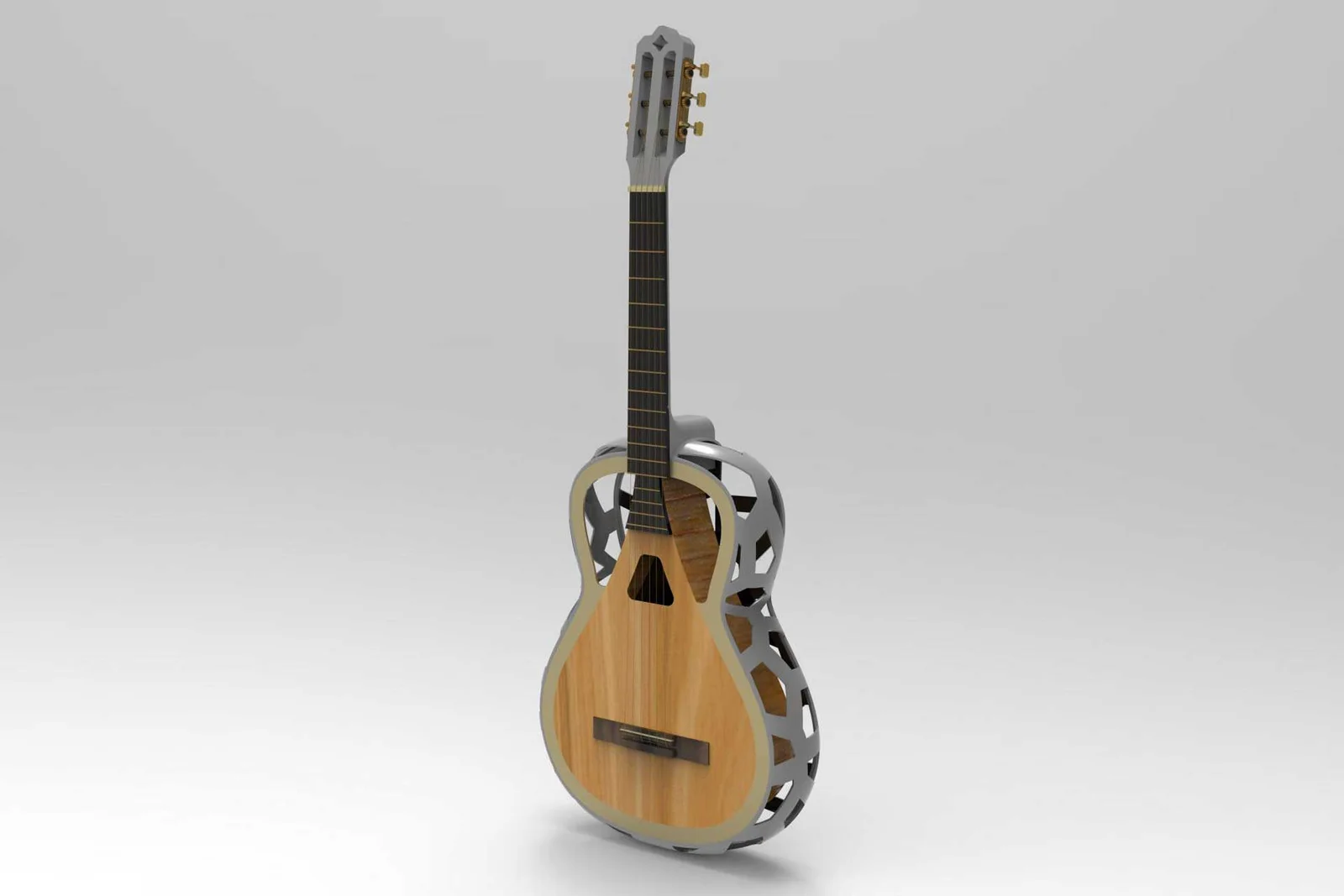
My design is a guitar that has been structurally modified to reduce the area on the top that is insensitive to vibration and to ensure that vibrations are not dampened by the body. This is achieved using a skeletonized, aesthetically pleasing structure that prevents the real back and side panels from coming into contact with the player's body.
I chose to participate in this project because I had been preparing for it for a long time, and I felt it was time to share my design with others.
The biggest challenge of this project was the change in the weight of the guitar case caused by the structural modification—would it still suit current players after the change? I can't ask them to re-adapt to an instrument.
Luckily, this challenge was successfully resolved. I didn’t alter the original guitar profile, which means players can still maintain their usual playing position. The difference is that the vibrations are now fully released, resulting in a much better sound.
This award is a recognition of both my design and my work. I will continue focusing on the design of acoustic products, including wooden musical instruments—not just guitars, but other creations as well.
Innovation and problem solving, cross-disciplinary collaboration, continuous learning and growth.
What makes our country's design unique is its deep cultural heritage. First of all, our culture itself is unique, which is key. China has a long history and a rich, splendid culture that provides an abundant source of inspiration for the design industry.
The design elements in traditional Chinese culture are distinct in the history of world design. Additionally, China's culture offers uniquely Chinese solutions to problem-solving—solutions that, of course, also belong to the world.
In the next 5–10 years, I believe the design industry will evolve toward diversification, intelligence, sustainability, and interdisciplinary integration, with a stronger focus on digital design and user experience.
I would advise them to develop a deeper understanding and love for their field, cultivate a passion for design, keep learning and practicing, apply their knowledge in real-world scenarios, and strengthen their understanding through hands-on experience.
They should foster innovative thinking and dare to explore new design concepts and methods. Throughout the design process, it's important to keep an open mind, embrace different perspectives, and challenge tradition and routine. Unique design solutions emerge through continuous thinking and experimentation.
I recommend those who want to improve their design skills to pay more attention to the world's high-quality online resources, because these online resources allow you to see in time what designers around the world are using to design and create.
As for specific resources, you will need to find them on your own to avoid any suspicion of advertising and to prevent personal bias. I recommend searching for them yourself, and if you can communicate directly with established designers, that would be even better.
I've designed and built many unsuccessful guitars and I've destroyed them myself, like burning them.
My family, friends and students - they inspire me!
I’d like to share an epiphany: it’s important to have a sustained love for design and a lasting focus on it, as these serve as its driving force.
Winning Entry
Explore the journey of Yi Ching Wang, the Silver Winner at the 2024 MUSE Design Awards. Driven by a passion for skincare and a background in nutrition, she first developed products for her family, laying the groundwork for MUUS. This personal journey inspired her to create natural and effective solutions, ultimately leading to becoming the founder of MUUS.

Latest Posts
MoMo.Co.,Ltd. Creates a Refined Dining Environment for Sushi Tei Jawa
SEPTEMBER 28, 2026

2026 Global Photography Awards Reveals Photographers of the Year an...
SEPTEMBER 25, 2026

How Many Awards Should You Enter? (Strategy Guide)
SEPTEMBER 23, 2026
Interactive Light Installation: Before Fish Become Birds Creates a ...
SEPTEMBER 22, 2026
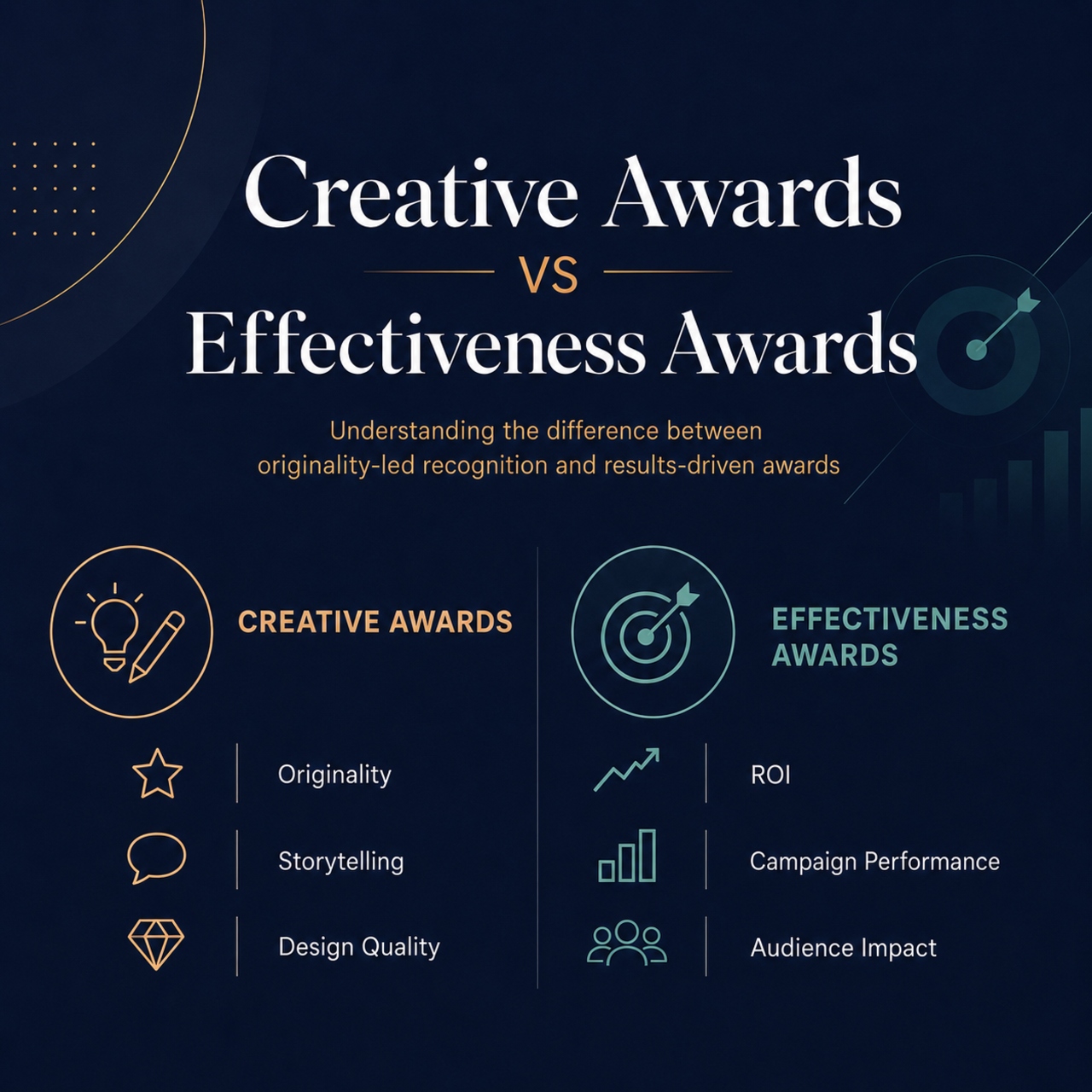
Creative vs Effectiveness Awards | Key Differences Explained
SEPTEMBER 21, 2026

Tonic DNA Brings Highmark’s (un)Hungry Community Story to Life Thro...
SEPTEMBER 17, 2026

Marketing Awards for Startups | Small Business Awards Guide
SEPTEMBER 16, 2026

National Geographic, SDRATS & CICC Capture Life at the Yellow River...
SEPTEMBER 16, 2026

2027 French Design Awards Opens Global Entries for Design Excellence
SEPTEMBER 15, 2026

2027 French Fashion Awards Opens Global Call for Entries
SEPTEMBER 15, 2026



IAA GLOBAL AWARDS
MUSE Awards
Vega Awards
NYX Awards
TITAN Awards
- TITAN Business Awards
- TITAN American Business Awards
- TITAN Property Awards
- TITAN Women in Business and Leadership Awards
- TITAN Health Awards
- TITAN Innovation Awards
- TITAN Brand Awards