REOCCUPATION: PROTOTYPE
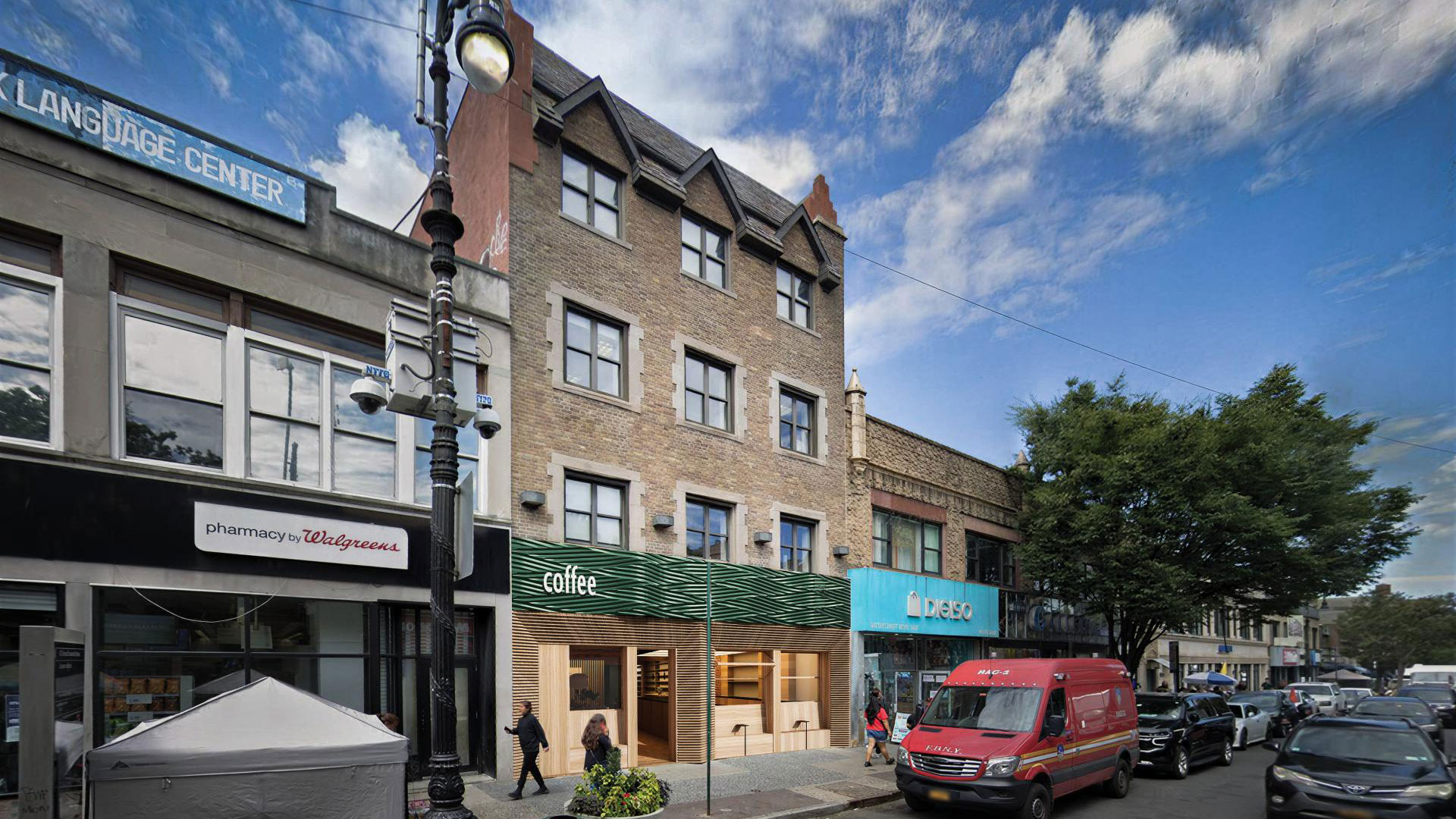
REOCCUPATION: Prototype is an extension of the larger REOCCUPATION project, which investigated how vacant spaces...
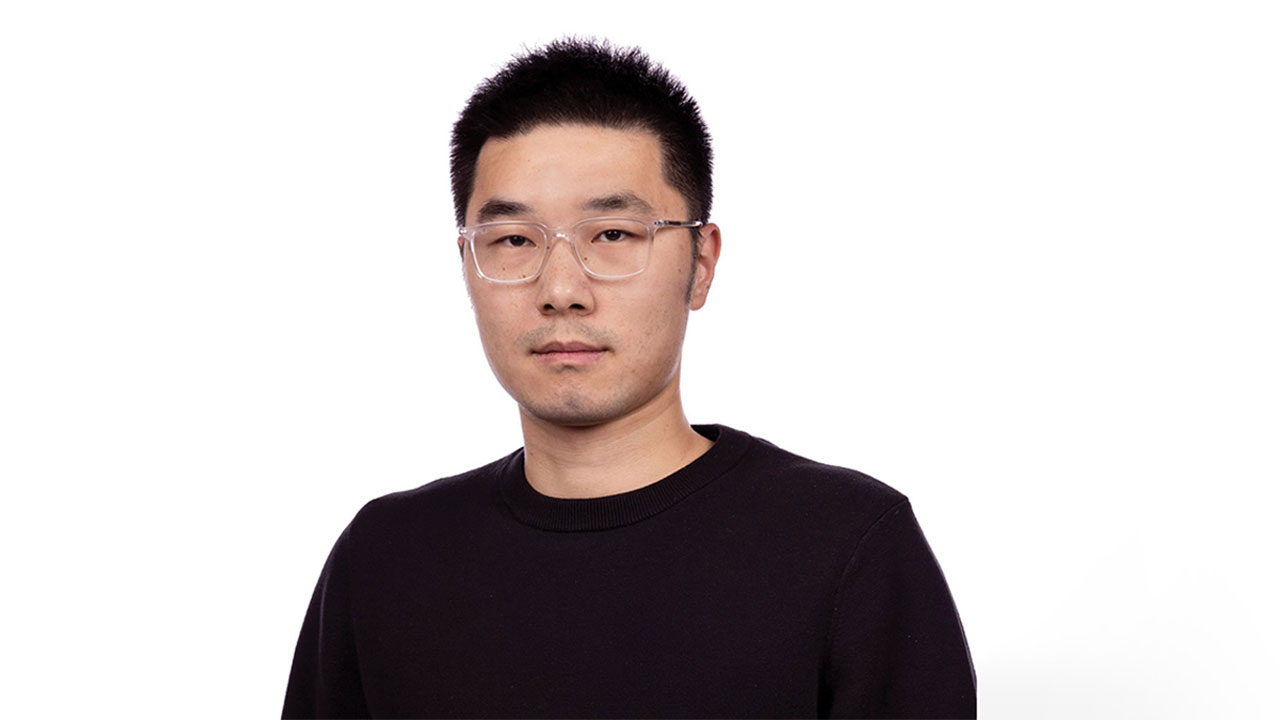
Chen Yang is an architectural designer focused on socially responsive and environmentally conscious design, transforming underused spaces and complex conditions into inclusive environments that strengthen the connection between people, communities, and place.
I am an architectural designer focused on socially responsive, environmentally conscious, and context-driven design. My work explores how architecture can transform underused spaces, limited resources, and complex sites into more inclusive, adaptive, and publicly valuable environments.
I was drawn to design because architecture shapes how people live, gather, learn, and connect with place. Design allows me to combine research, empathy, and imagination into work that serves communities and contributes to the broader built environment.
Being recognized by the MUSE Design Awards is meaningful because it validates not only the final design, but also the research, values, and social intentions behind the work.
For me, the award is an encouragement to continue pursuing architecture that connects people, place, culture, affordability, and environmental responsibility. It also brings greater visibility to my broader design direction as an independent designer.
This achievement has strengthened my confidence and helped me communicate my design agenda more clearly. It has also brought greater attention to my work on adaptive reuse, affordability, underused spaces, and the public value of architecture.
It has further reinforced my professional direction. In practice, I have contributed to Marcella Landing, a major U.S. resort and residential development involving complex land-use, environmental, infrastructure, and stakeholder coordination. That experience has deepened my understanding of how architecture can support regional development, long-term investment, and broader public interests.
Experimentation is central to my process. I often begin with a question rather than a fixed form: how can design create value from existing or overlooked conditions?
For example, in my reoccupation project in Jackson Heights, Queens, I explored how vacant storefronts could become community assets through AR and VR platforms. Using digital tools, the project enabled local residents and remote users to imagine, test, and participate in new possibilities for underused urban spaces.
One unusual source of inspiration came from the interaction of mist, sunlight, and color. In a memorial project, I studied how mist could refract light and create a temporary rainbow.
That phenomenon became a design strategy. Rather than creating a static monument, the project used atmosphere, water, and light to shape an evolving experience of memory, renewal, and ecological transition.
I wish more people understood that design is rarely a straight line. A clear final outcome is often shaped through research, testing, setbacks, revisions, and collaboration.
Good design is not driven by inspiration alone. It also requires listening, technical knowledge, responsibility, and the ability to respond thoughtfully to people, place, climate, budget, construction, and long-term use.
I see client expectations and design ideas as part of the same conversation. The key is understanding the deeper needs behind each expectation and responding with creativity, clarity, and purpose.
Through complex projects such as Marcella Landing, I have learned that strong design depends on collaboration among clients, consultants, contractors, site conditions, and regulatory requirements. Constraints often strengthen a project by making its vision more focused and responsible.
One major challenge was translating a strong concept into a clear and convincing architectural proposal. I wanted the project to be imaginative while remaining grounded in site, community, affordability, and function.
I addressed this by continually returning to the project's central narrative and evaluating how each design decision could support people, place, and the environment. Through research, iteration, and refinement, the concept, program, form, and user experience came together as a cohesive proposal.
When I encounter a creative block, I step away from the screen and return to observation. Walking through a city, visiting a site, hiking, sketching, cooking, or simply watching how people use space helps reset my perspective.
Many ideas emerge from everyday moments—how people gather, how light shifts throughout the day, how materials age, or how landscapes respond to changing weather.
I bring empathy, curiosity, and a deep respect for context into my work. My cross-cultural background has shaped my understanding of how architecture can serve diverse communities and foster meaningful forms of belonging.
Affordability is also important to me—not only in terms of cost, but also access. I am interested in who benefits from good design, public space, housing, education, and community infrastructure.
Stay curious, stay patient, and develop your own point of view. Design success rarely comes from a single perfect idea—it grows through consistent effort, critical thinking, and a willingness to keep improving.
I also encourage young designers to look beyond architecture. Inspiration can come from landscape, technology, art, construction, social issues, and everyday life, and some of the most meaningful ideas emerge from connecting different fields.
I would choose Lina Bo Bardi. Her work brought together architecture, culture, community, and everyday life in a deeply meaningful way.
I admire how her projects went beyond formal design to become platforms for public life and collective experience. That perspective strongly resonates with my own interest in architecture as a social and civic framework.
I wish people would ask: “What larger problem is your work trying to address?”
My answer is that I see architecture as a tool for transforming overlooked, underused, or complex conditions into spaces of public value. Through adaptive reuse, affordable housing, educational environments, digital platforms, and projects like Marcella Landing, I hope to contribute to more inclusive, resilient, and meaningful built environments across the United States.