Whispers in the Sand
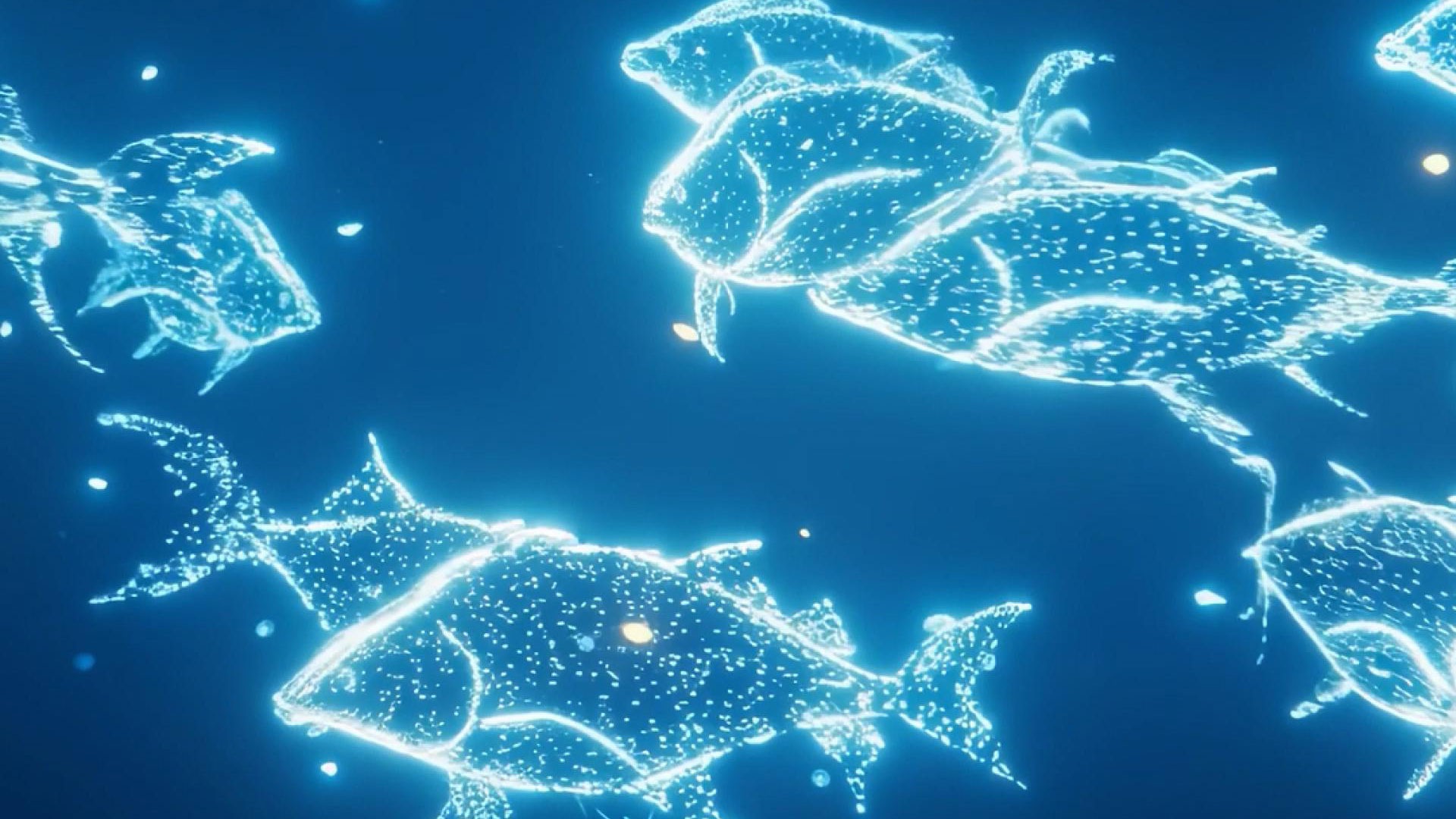
This AI music video was inspired by a dream I once had.In the dream, I...
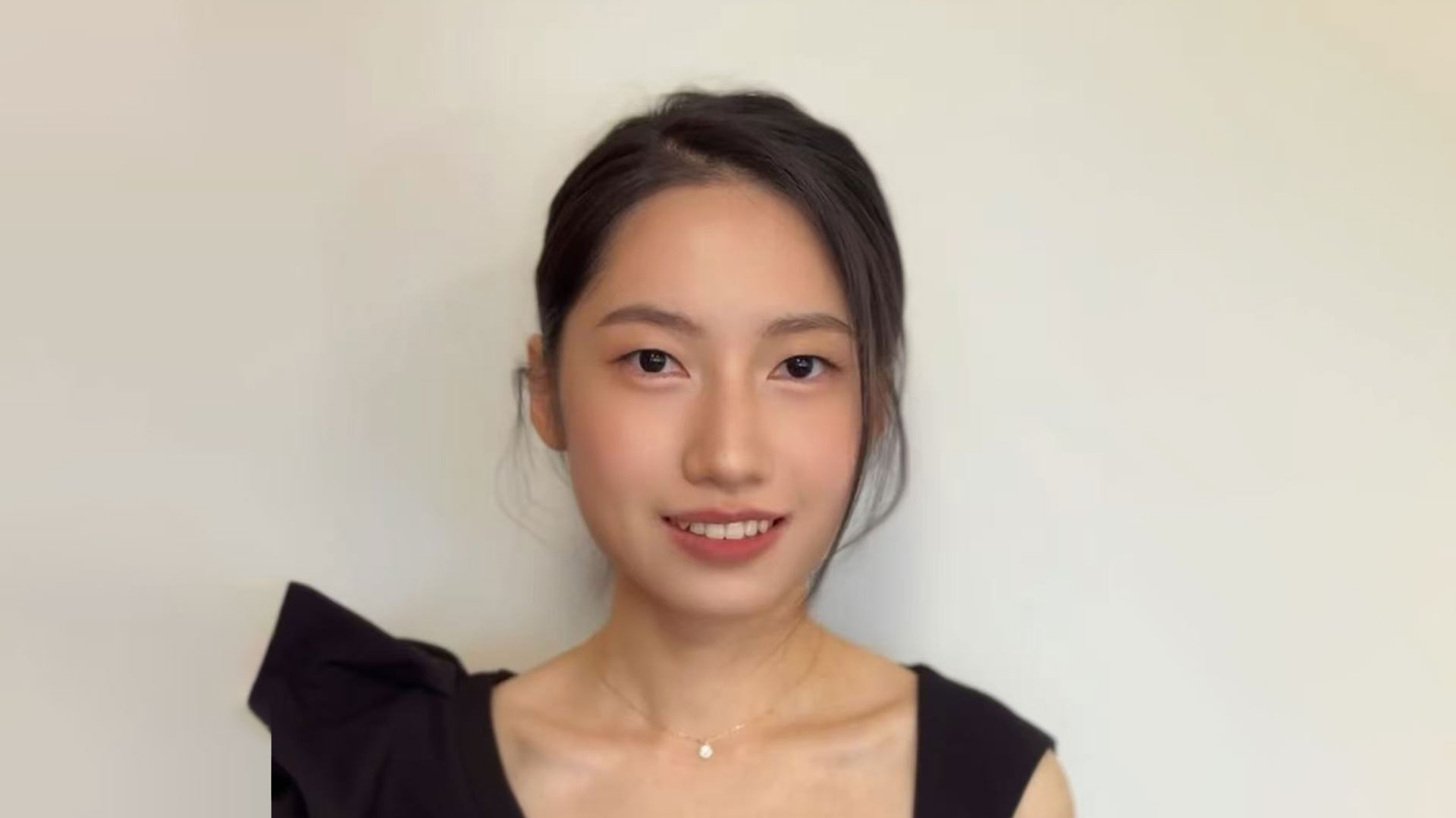
Yuqun Huang is a motion designer and visual artist who transforms dreams, memories, and music into evocative moving images, using design as a language for stories that cannot always be expressed in words.
I’m a motion designer and visual artist who loves translating imagination into moving images. I’ve always been fascinated by the way design can transform intangible emotions—like a dream, a memory, or a song—into something you can see and feel.
I pursued design because it allows me to tell stories that can’t always be expressed in words.
It’s incredibly meaningful. This project began as something deeply personal—a dream I wanted to preserve before it faded. Seeing it recognized on an international stage reminds me that even the most personal ideas can resonate universally.
It encourages me to continue trusting my instincts and creating from a place of genuine emotion.
It has opened new conversations about blending AI, music, and motion design in more artistic ways. Many people reached out, curious about the process and how I used AI tools not as shortcuts, but as creative collaborators.
It has given me the confidence to continue pushing the boundaries between technology and human expression.
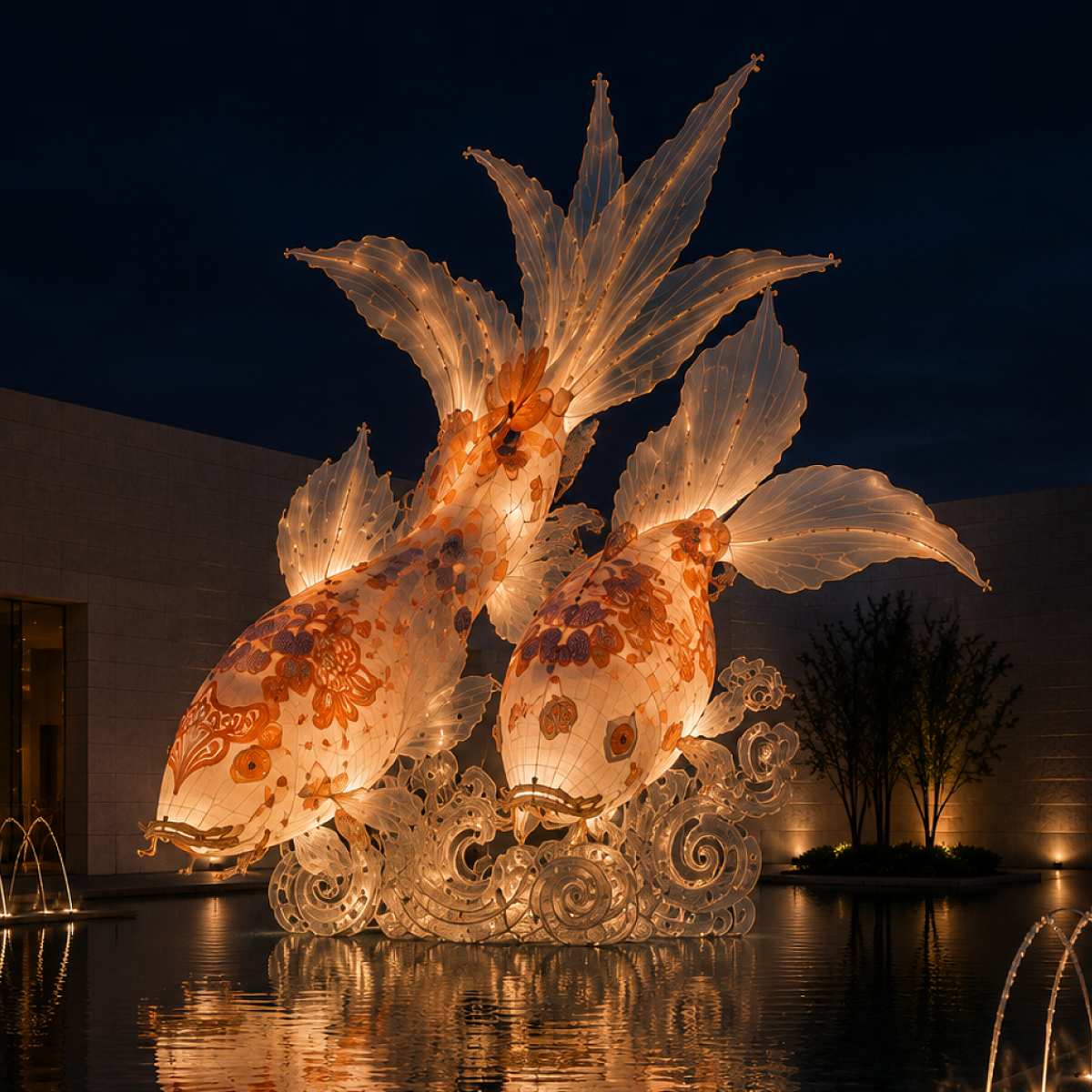
Experimentation is everything. For this piece, I didn’t start with a storyboard—I began with a sound and a mental image of fish fossils drifting beneath the sea. From there, I allowed the visuals to evolve organically through iterative AI image generation and compositing.
The process felt more like discovery than design, which kept the project alive, fluid, and unpredictable.
Dreams. They emerge from a place where logic dissolves and symbolism takes over. In my interpretation, the ancient fish fossils from my dream represented time, memory, and transformation. Translating that subconscious language into motion and music felt like decoding a part of myself.
That design is not just about beauty or perfection—it is about intention. Every color, sound, and rhythm carries emotional meaning. The process often involves uncertainty and iteration; what appears effortless in the final result is usually shaped by hundreds of unseen decisions and revisions.
For client work, I begin by listening closely—to the story they want to tell and the emotions behind it. Once I understand that essence, I look for ways to express it through my own creative lens. It is not about compromise, but alignment—ensuring the work feels authentic to both the client and myself.
The biggest challenge was integrating AI-generated visuals with the precision of traditional design. AI can produce haunting, unexpected imagery, but it often lacks control and consistency.
I had to find a balance between letting the AI “dream” freely and refining those results to align with my vision. It became a dance between chaos and clarity.
I step away from screens and return to sensory experiences—music, nature, and light. Sometimes, I record sounds, take walks at night, or sketch without a specific direction. Those quiet moments allow ideas to resurface naturally.
Creativity often returns when you stop trying to force it.
I strive to bring honesty and emotional depth to my work. Whether it’s a film title sequence or a music video, I want the audience to feel something genuine—nostalgia, tenderness, or wonder. My personal experiences, particularly moments of stillness or loss, often shape the tone and rhythm of my work.
Don’t chase trends—chase meaning. Tools and styles will constantly evolve, but what endures is your point of view. Stay curious, stay observant, and allow your own experiences to shape your creative voice. Authenticity is the one thing that cannot be replicated.
I would love to collaborate with Hayao Miyazaki. His worlds embody the kind of poetic surrealism I strive to create—where beauty and melancholy coexist. The opportunity to work with someone who sees the extraordinary within the everyday would be a dream.
I wish people would ask, “What were you thinking when you designed this?”
My answer would be that I was not exactly “thinking” in a conscious way. It felt more as though my subconscious was speaking to me, and I was simply translating what it was trying to say.
The images came from dreams—I merely drew what I saw. I believe the symbols within those dreams belong not only to my personal story, but also to a shared collective subconscious. That is why, even though they are deeply personal, they may still resonate with others in unexpected ways.