Sanctuary of Reintegration
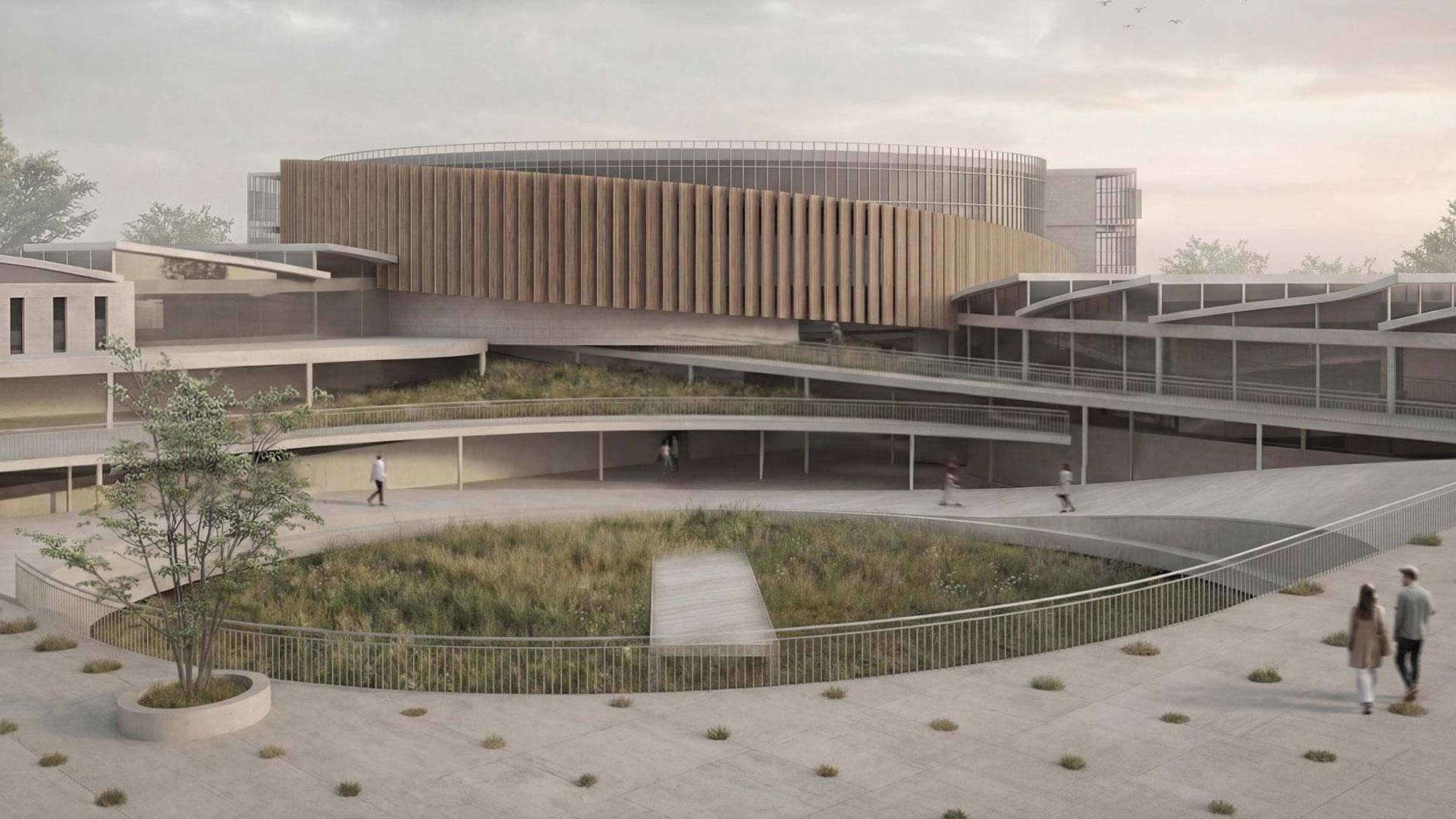
Sanctuary of Reintegration reimagines correctional architecture as civic infrastructure through adaptive reuse. Transforming an existing...
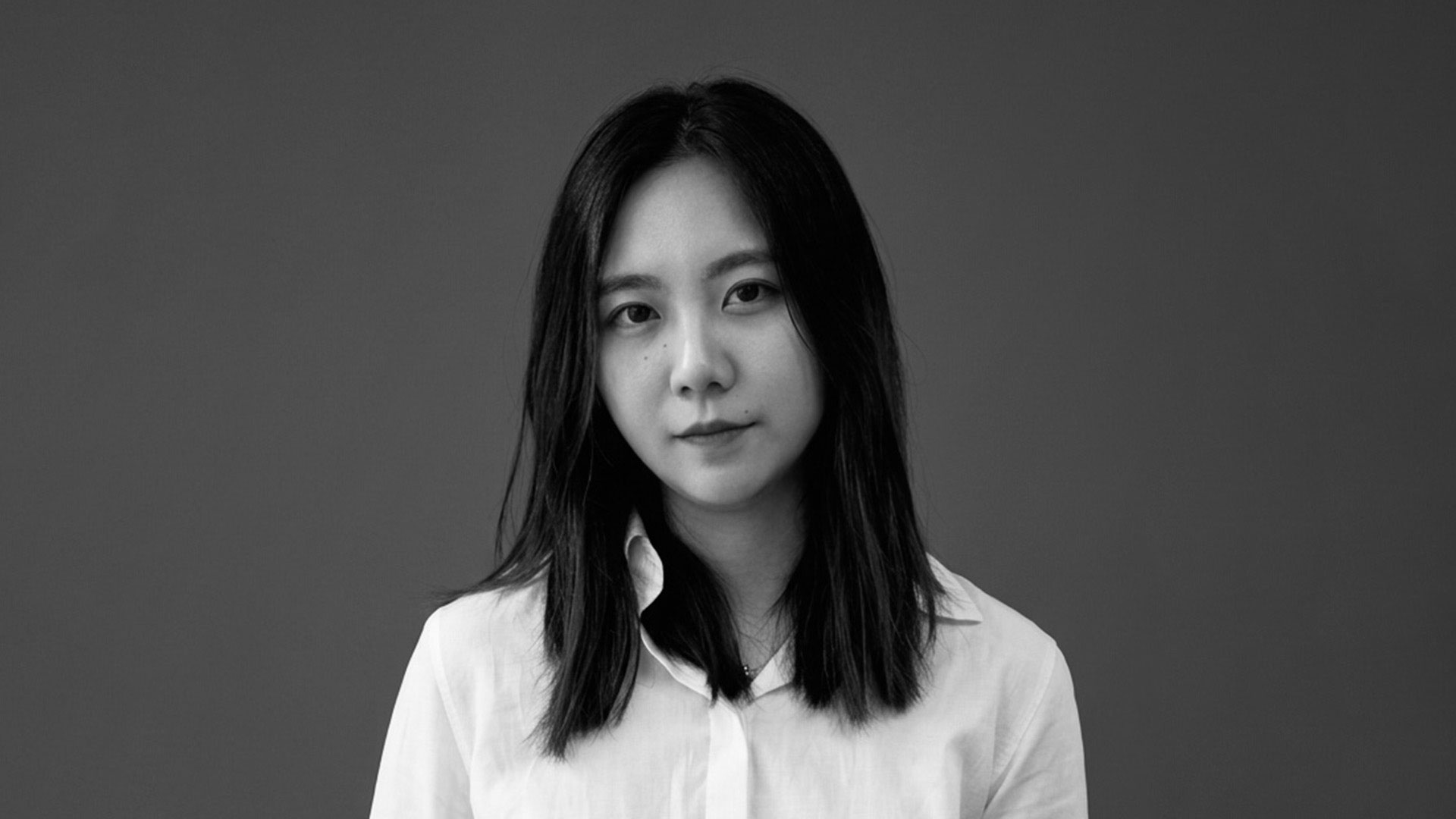
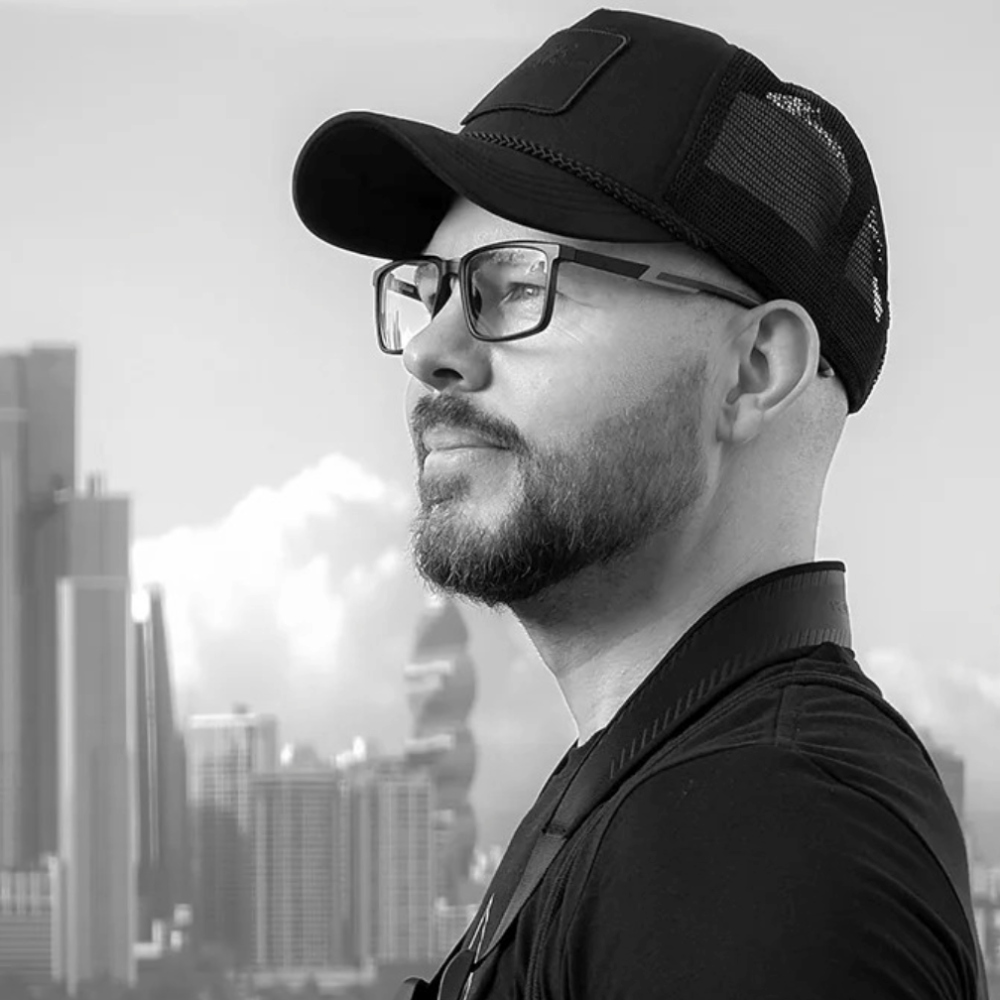
Ying Bi is an architectural designer focused on adaptive reuse and urban regeneration, exploring how architecture can revitalize underused spaces, reconnect communities, and support new forms of public life.
I am an architectural designer focused on adaptive reuse, urban regeneration, and civic infrastructure renewal. My interest in design stems from observing how cities evolve and how existing buildings can be transformed to support new forms of public life.
Living in St. Louis has also deepened my interest in urban revitalization and the social impact of architecture. I see design as a way to reconnect communities and reactivate underused urban spaces.
Receiving recognition from the MUSE Design Awards is both meaningful and encouraging. It affirms my long-term interest in adaptive reuse and socially driven architecture, and it is rewarding to see projects centered on urban reintegration and public impact recognized on an international platform.
This achievement has reinforced my commitment to adaptive reuse and urban transformation. It has also created opportunities to share my work with a broader audience and further explore how architecture can support more inclusive and resilient communities.
Experimentation plays an important role in my creative process, particularly when translating concepts into buildable spatial experiences. In urban renewal projects, balancing old and new often requires continuous exploration of scale, materials, light, and visual permeability.
For Sanctuary of Reintegration, I explored how architectural language could soften boundaries while maintaining security and privacy through thoughtful material choices and spatial transitions.
One unexpected source of inspiration came from woodworking and the mechanics of a screw. The project required separate yet interconnected circulation systems for three distinct user groups.
While studying rotational movement and assembly, I realized the circulation could spiral upward and intertwine like the threads of a screw, allowing distinct paths to coexist within a unified spatial framework.
I wish more people understood that design is not only about creating visual form, but also about solving complex social, spatial, and human challenges. Good architecture requires balancing concept, functionality, circulation, structure, materiality, and code requirements while creating experiences that are both meaningful and emotionally resonant.
The final outcome is often shaped through layers of research, testing, and refinement.
I believe the strongest projects emerge when architectural vision and practical needs work together rather than compete. I begin by understanding a project's goals, constraints, and social context, then develop concepts that respond to those realities while maintaining a clear design direction.
Throughout the process, I remain flexible while preserving the spatial and emotional qualities that give a project its identity.
One of the biggest challenges was balancing interaction and separation among user groups with different privacy and security needs. The project needed to create opportunities for reintegration without compromising safety, which I addressed through controlled checkpoints and layered spatial transitions.
Materials, transparency, and varying degrees of spatial openness were also used to signal different levels of privacy and accessibility throughout the building.
When I experience a creative block, I often look beyond architecture for inspiration. Installation art, painting, music, film, and everyday urban experiences help me see space and atmosphere from new perspectives.
Nature is also a constant source of inspiration, particularly in the way systems, movement, and balance exist organically without feeling forced.
I strive to bring empathy, openness, and social responsibility into my work. Living in different cities and observing how architecture shapes public life has strengthened my interest in adaptive reuse, urban renewal, and community-focused spaces.
I believe architecture should do more than solve functional challenges—it should foster dignity, connection, and opportunity for the people it serves.
I encourage aspiring designers to stay curious beyond architecture itself. Some of the most meaningful ideas come from art, music, film, nature, and everyday life, while a strong understanding of construction, materials, and technical systems is essential for turning ideas into reality.
Most importantly, develop your own perspective rather than simply following trends.
I would love to collaborate with Renzo Piano because of his ability to balance historic contexts with contemporary design. I admire how he uses lightness, materiality, and modern construction techniques to create architecture that feels both respectful and forward-looking.
His work has strongly influenced the way I think about adaptive reuse and urban public space.
One question I wish people would ask is: “What do you hope architecture can truly change?”
My answer would be that architecture has the power to address social challenges while creating more sustainable and meaningful urban environments. Design should go beyond aesthetics and serve as a tool for connection, dignity, and opportunity.
Through adaptive reuse and the revitalization of existing buildings, architecture can introduce new civic energy while reducing demolition, waste, and disruption to the urban fabric. Sanctuary of Reintegration brings these ideas together in a proposal designed to support reintegration and create positive pathways back into society.