Universal Bus
The Altro/Neomind Universal Bus addresses a critical gap in public transportation accessibility by designing specifically...

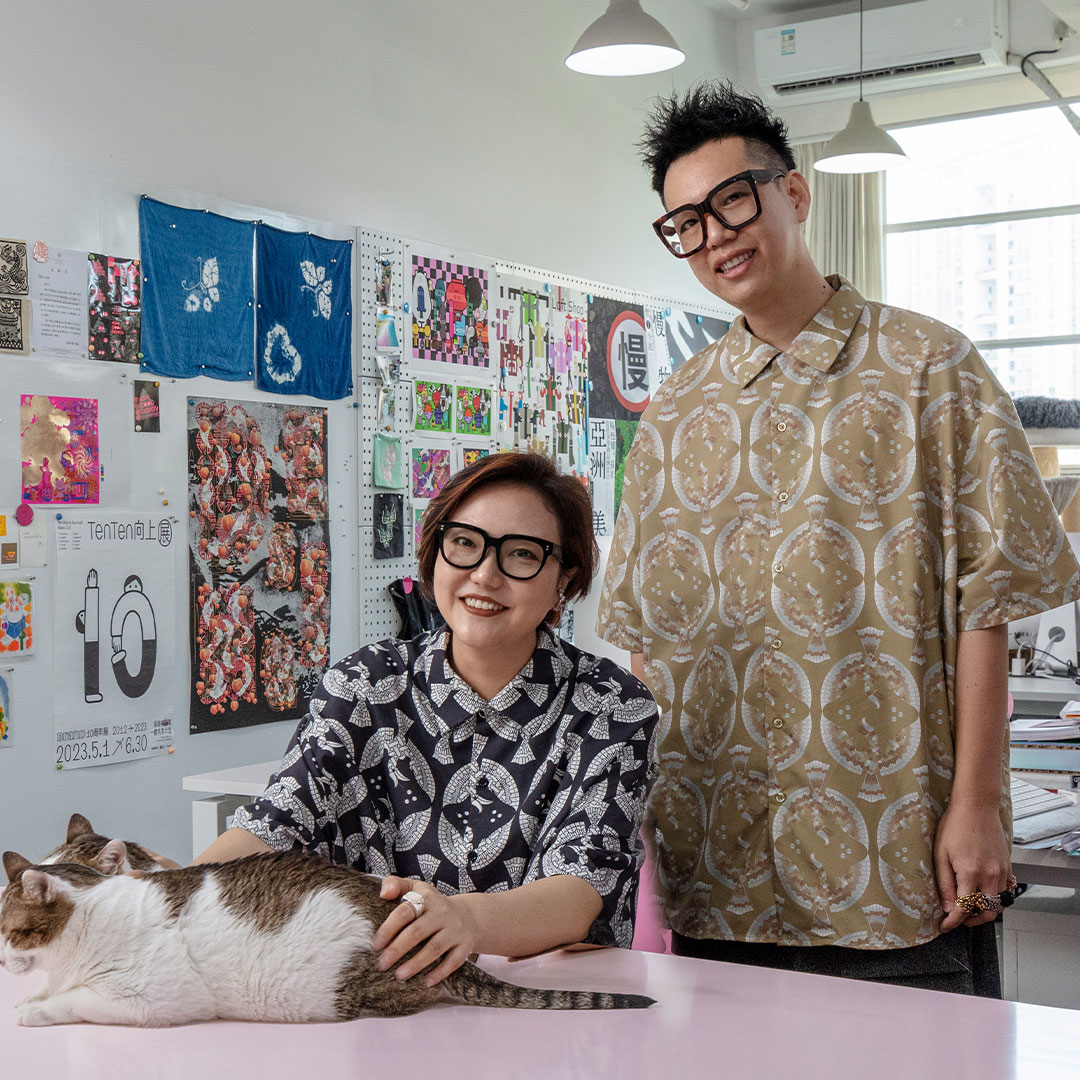
Chris Edwards-Thorne, Marketing Manager at Altro Global Transport, and Kasia Foljanty, Director of Customer Experience and architect at Neomind, bring a shared focus on human-centered design. Edwards-Thorne believes technical excellence should enhance, not compromise, the human experience, while Foljanty draws on her architectural background to design solutions that reduce friction and improve everyday interactions.
Chris Edwards-Thorne: Thank you. I’m the Marketing Manager for Altro Global Transport. I’m inspired by the idea that technical excellence should never compromise the human experience. For us, accessibility and aesthetics aren’t competing goals—they strengthen each other.
Kasia Foljanty: I’m the Director of Customer Experience and an architect at Neomind. I came into design through architecture because it sits at the intersection of people, space, and behavior. At its best, design quietly supports people: it reduces friction, builds confidence, and helps everyday moments run more smoothly.
It’s a powerful validation of our belief that designing for the most marginalized users ultimately improves the experience for everyone. Recognition like this reinforces the importance of inclusive design in public spaces, especially in transportation.
It highlights the strength of our partnership. By combining Altro’s material expertise with Neomind’s experience-led design approach, we have been able to translate inclusive design theory into practical, real-world solutions.
Experimentation is essential. During the ideation phase, we explored a series of “what if” scenarios based on real-life experiences of neurodivergent passengers.
These included testing sensory-calming materials, flexible seating arrangements, and adaptable transparency panels to improve passenger comfort and orientation.
Instead of studying traditional bus interiors, we focused on the sensory experiences of neurodivergent passengers. Factors such as light flicker, auditory and visual noise, and temperature fluctuations became key design considerations.
Inclusive design is not a single feature, but a system. Every element—from lighting and color to acoustics and layout—needs to work together to create a calm and predictable environment.
We rely on collaboration and evidence. Passenger focus groups and consultations with disability charities helped ground our ideas in real experiences, making it easier to align bold design decisions with the client’s vision.
Designing for hidden disabilities is still not consistently embedded in public transportation projects, so part of the challenge lies in building shared understanding with stakeholders.
We needed to translate needs such as reducing sensory overload, improving spatial orientation, and managing acoustics into practical design decisions—demonstrating both the benefits for passengers and the operational value of calmer, more predictable environments.
We revisit the passenger journey and focus on the moments where uncertainty tends to peak, such as arrival, boarding, finding a seat, and knowing when to get off.
We then map what a passenger needs to understand quickly and test small changes through sketches and prototypes—clearer cues, fewer competing signals, and more predictable transitions.
Dignity. Public transportation should empower people to travel confidently and independently. Freedom of mobility is an essential part of social interaction and independence.
Design with the intention of overcoming barriers, and validate your ideas early. Spend time with people who experience friction firsthand, and test your concepts in context—not just in theory. If you can design for those at the edges, the solution almost always works better for everyone.
Selwyn Goldsmith. He was a pioneer of inclusive design, and his work helped shift accessibility from a “special case” to a fundamental design responsibility.
We value how he bridged human needs, evidence, and practical solutions within the built environment, and how readily these principles can be applied to other public spaces.
I wish people would ask us, “Does designing for hidden disabilities require a higher level of financial investment from transport operators?”
Our answer would be: not necessarily. Many of the most meaningful improvements—such as clearer wayfinding, calmer color palettes, better lighting, and improved acoustic comfort—are the result of thoughtful design decisions rather than significant additional cost. When inclusive design is considered from the beginning, it can actually reduce the need for expensive retrofits later on.
Beyond that, inclusive environments improve the experience for all passengers, increasing confidence in public transportation and encouraging wider ridership. In that sense, inclusive design is not just a social responsibility—it is also a smart long-term investment for transport operators.