OurAbility Connect Platform Design
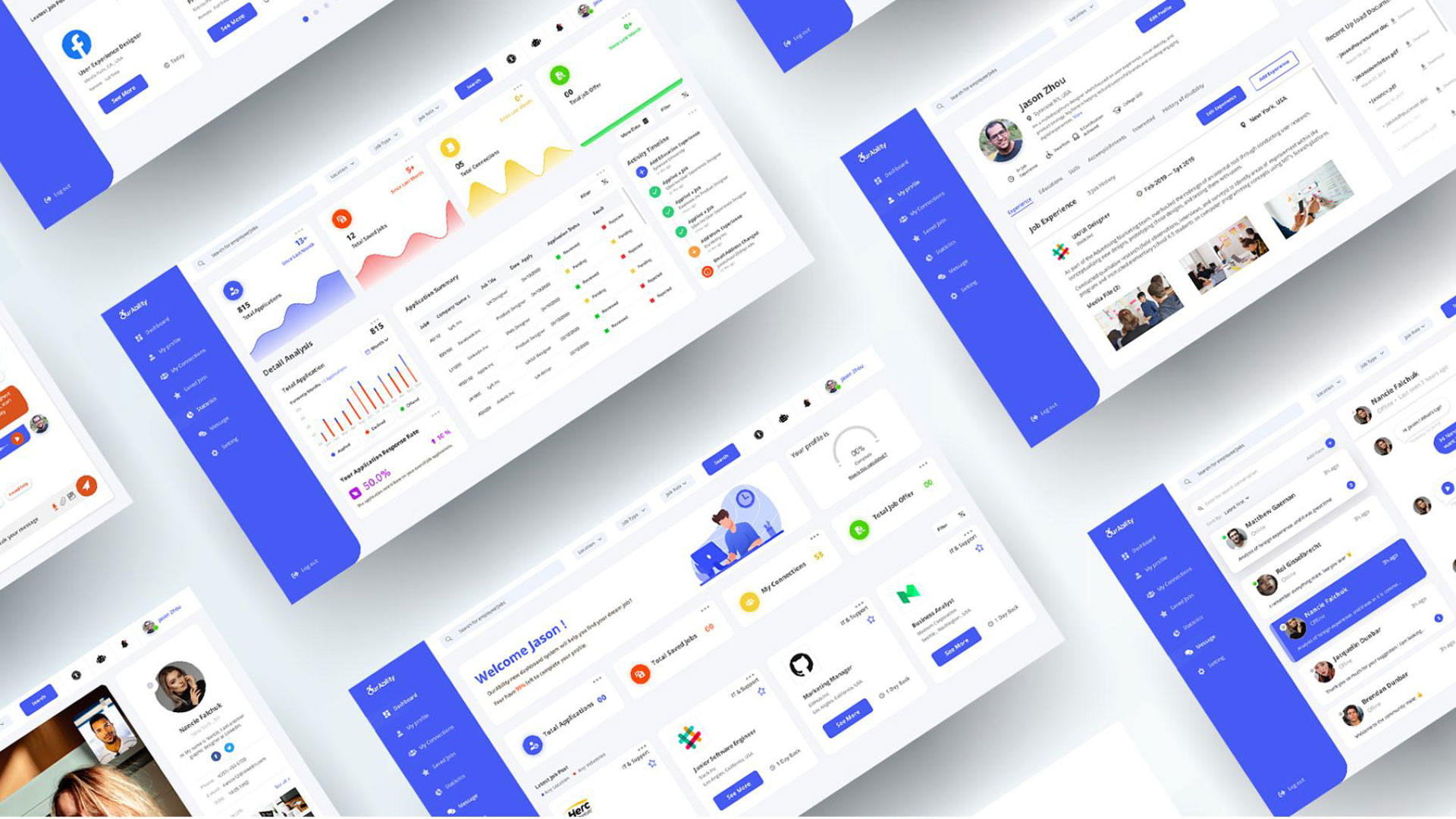
OurAbility Connect is an inclusive career platform designed to break down employment barriers for individuals...

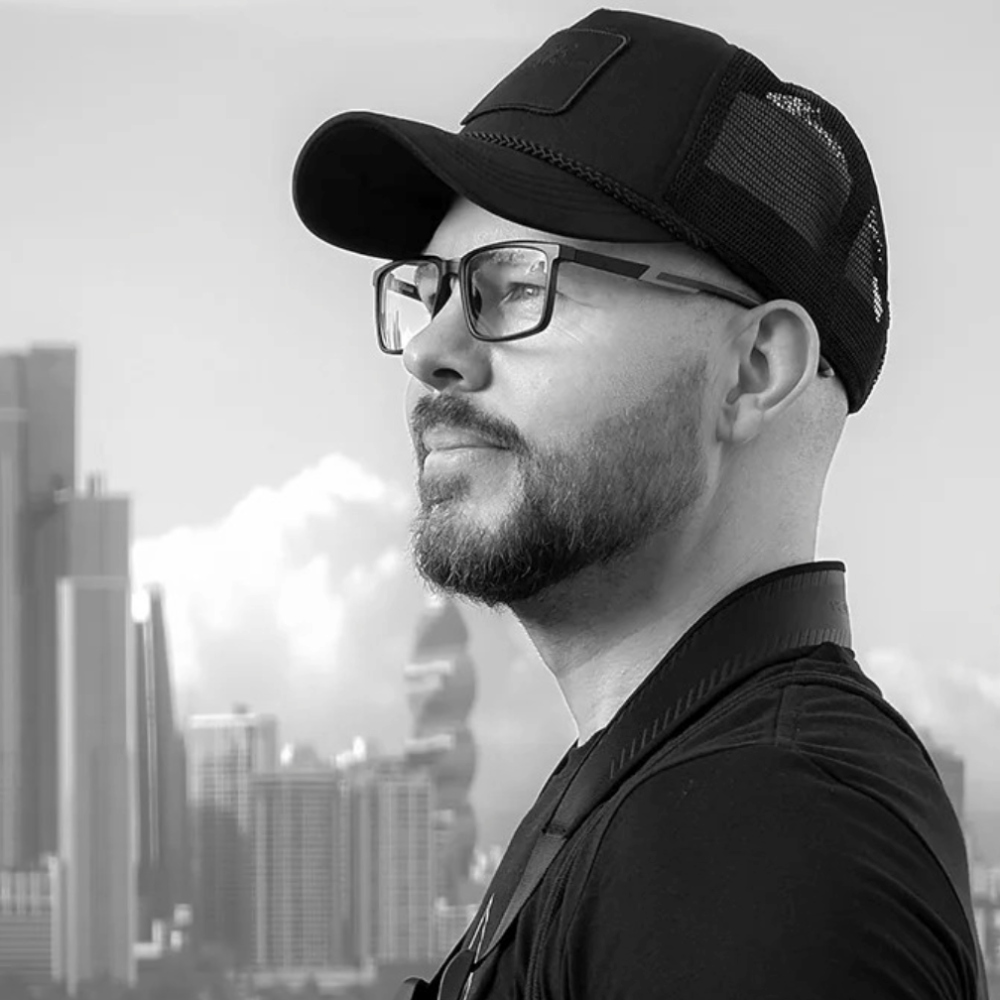
Driven by a belief that great design should be accessible to everyone, Zilin Zhou creates intuitive and inclusive digital experiences that balance usability, functionality, and meaningful human connection.
I'm a product designer focused on creating meaningful, human-centered digital experiences, particularly in the areas of accessibility and inclusive design. Becoming a designer has been a longtime dream of mine.
I've always been drawn to how things look, feel, and function, and was fascinated by the idea that design can shape how people experience the world. Over time, that curiosity evolved into a clear goal: to become a designer who creates experiences that truly matter.
What inspired me to pursue design as a career was the belief that good design should not be limited to a small group of people. To me, a truly great product is one that works for everyone and my goal is to create experiences that are not only visually engaging, but also intuitive, inclusive, and accessible, allowing people of all backgrounds and abilities to benefit from them.
I am driven by the idea that the experiences I design can make people's lives easier, more enjoyable, and more empowering. Seeing people use and benefit from something I have created is incredibly rewarding, and it continues to motivate me to champion thoughtful, impactful design in everything I do.
Being recognized in the MUSE Design Awards is incredibly meaningful to me. It is not only an acknowledgment of my work, but also a validation of the values and intentions behind my design approach.
I have always believed that design should create real impact, particularly by making experiences more accessible and inclusive. Receiving this recognition reassures me that work focused on improving usability and empowering underserved communities is being seen and valued on a global stage. It also serves as a reminder that design is not solely about visual outcomes, but about solving meaningful problems for people. This award motivates me to continue pushing boundaries, advocating for thoughtful design decisions, and maintaining a high standard for the experiences I create.
At the same time, the recognition is a moment of gratitude for the people I have worked with, the challenges that shaped the project, and the opportunity to contribute something meaningful through design.
This achievement has been both encouraging and motivating for me at this stage of my career. As a designer focused on impact-driven and accessibility-centered projects, recognition from this award program reinforces my belief that this type of work matters and deserves greater attention.
On a personal level, the recognition has strengthened my confidence in my design perspective and decision-making. It reassures me that prioritizing inclusive, user-centered solutions is not only meaningful, but also valued on an international stage.
For the project itself, the award brings greater visibility to the work I have been doing. It helps foster conversations with stakeholders and collaborators, making it easier to advocate for thoughtful design, accessibility, and long-term product value. In terms of opportunities, the recognition has enabled me to connect with a broader design community, gain wider exposure, and explore new possibilities for collaboration.
It also positions me to continue pursuing projects that align with her goal of designing experiences that are impactful, inclusive, and accessible to everyone.
Experimentation plays a critical role in my creative process. It is how I explore possibilities, challenges assumptions, and ultimately arrives at more thoughtful and effective design solutions. I view design not as a linear process, but as an iterative one in which ideas are continuously tested, refined, and sometimes completely reimagined.
Particularly when addressing complex or ambiguous problems, experimentation allows me to move beyond the most obvious solution. It helps uncover insights that may not emerge through discussion alone and creates opportunities for innovation while remaining grounded in user needs.
For example, while working on the OurAbility Connect platform, I explored multiple design directions to improve accessibility and usability for users with diverse needs. Rather than relying on a single approach, I experimented with different interaction patterns, layouts, and visual hierarchies to determine which solutions would best reduce friction and cognitive load.
Through prototyping and iteration, I identified solutions that were not only functional, but also more inclusive and intuitive. This process of experimentation ultimately led to a more refined product experience that better supports users in navigating the platform with confidence. It reinforced my belief that great design comes from continuously testing, learning, and remaining open to evolving ideas.
One of the most unusual sources of inspiration for me comes from observing how people adapt to constraints in their daily lives, particularly when systems are not originally designed with their needs in mind.
While working on accessibility-focused projects, I paid close attention to the ways users develop their own workarounds when interacting with digital products. For example, I observed how some individuals rely heavily on keyboard navigation, screen readers, or external tools to compensate for gaps in design. Although these behaviors are often overlooked, they reveal valuable insights into where traditional design falls short. Rather than treating them as edge cases, I viewed them as opportunities for learning and innovation. These observations helped me rethink interaction patterns and simplify user flows in ways that feel more intuitive and inclusive for a broader range of users.
This perspective has influenced my work by shifting my focus away from designing for the “average user” and toward designing for the diversity of real human experiences. It has reinforced my belief that some of the most meaningful design insights emerge not from ideal scenarios, but from the creative ways people navigate imperfect systems.
One thing I wish more people understood about the design process is that it’s not just about making things look good—it’s about solving the right problems. A lot of the work in design happens long before anything visual is created. It involves understanding users, clearly defining problems, and making intentional decisions based on real needs rather than assumptions. The visual outcome is only one part of a much deeper and more strategic process.
I also see design as a highly iterative discipline. The first idea is rarely the final solution. Meaningful design requires continuous testing, feedback, and refinement to arrive at an outcome that truly works for its intended audience. While this process may sometimes appear slow from the outside, it is what ensures that the final product is effective, usable, and meaningful.
In addition, I think people often underestimate how much design involves balancing different perspectives. Designers are constantly navigating the intersection of user needs, business objectives, and technical constraints. The most successful solutions emerge when these factors are thoughtfully aligned. Understanding this helps shift the perception of design from decoration to a strategic, problem-solving discipline that plays a critical role in how products succeed and how people experience them.
I approach this balance by grounding both client expectations and my own ideas in a shared goal: creating the best possible outcome for users. Rather than treating them as opposing forces, I strive to align them through clear communication, thoughtful design rationale, and user-centered thinking. When clients understand the reasoning behind a design decision, the process becomes collaborative rather than negotiative.
At the same time, I remain open and adaptable. Not every idea needs to be defended, and feedback often leads to stronger solutions. I use iteration and prototyping to explore different directions, helping validate ideas and making discussions more objective rather than driven by personal opinions.
When genuine conflicts arise, I advocate for the user and the long-term value of the product. I present trade-offs clearly and support my recommendations with research, data, or usability insights whenever possible. This allows me to stay true to my design principles while respecting client needs, fostering trust, and working toward solutions that benefit everyone involved.
One of the main challenges was designing for a diverse group of users with varying abilities, needs, and levels of familiarity with technology. It was important to ensure that the experience was not only functional, but also intuitive and accessible for everyone. Balancing simplicity with essential functionality required careful prioritization and continuous iteration throughout the design process.
Another challenge was navigating ambiguity and evolving stakeholder expectations. In fast-paced environments, feedback can sometimes be fragmented or unclear, making it difficult to align everyone around a single direction. To address this, I focused on developing clear design narratives and interactive prototypes that helped communicate ideas more effectively, foster collaboration, and reduce potential misalignment.
I overcame these challenges by maintaining a user-centered and iterative approach from start to finish. By testing different solutions, gathering feedback, and refining the design at each stage, I was able to transform uncertainty into clarity and ultimately deliver a solution that is both inclusive and impactful.
When I encounter a creative block, I usually step away from the screen and shift my focus to something completely different. Whether it’s going for a walk, observing everyday interactions, or exploring other forms of design such as architecture or physical products, creating a bit of distance helps reset my perspective and often allows new ideas to emerge naturally.
I also find it helpful to revisit the core problem and reconnect with the user’s needs. Sometimes creative blocks occur because I have become too focused on a particular solution. By reframing the problem or simplifying it, I can uncover new possibilities and approach the challenge with greater clarity.
Another strategy I rely on is studying how others have addressed similar challenges—not to replicate their work, but to spark new ways of thinking. Inspiration from different industries, disciplines, or unexpected sources often helps me break out of familiar patterns and approach the problem with a fresh perspective.
My designs are deeply influenced by my belief that good products should be accessible, meaningful, and beneficial to everyone. I value inclusivity and empathy, and I strive to create experiences that are not only usable, but also respectful of different backgrounds, abilities, and needs. This perspective encourages me to think beyond the concept of the “average user” and design for the diversity of real-world experiences.
My experience working on impact-driven and accessibility-focused projects has also shaped the way I approach design. I have seen firsthand how seemingly small design decisions can either create barriers or remove them, which has made me more intentional about clarity, simplicity, and usability in my work.
At the core of everything I do is the belief that design should improve people’s lives. I want the products and experiences I create to feel intuitive, empowering, and thoughtfully crafted, enabling users to navigate them with confidence and ease. Ultimately, my goal is to create designs that leave a positive, meaningful impact on the people who use them.
I would encourage aspiring designers to focus on understanding people, not just mastering tools. Design is ultimately about solving real problems, and developing empathy while learning to think critically about user needs will take you much further than simply creating visually polished work. It is equally important to remain curious and continue experimenting throughout your career.
Growth in design comes from exploring different approaches, learning from feedback, and not being afraid to make mistakes. Every project—even the challenging ones—offers an opportunity to refine your thinking, expand your skills, and develop your own unique perspective.
Most importantly, define what success means to you. For me, success is not measured solely by recognition, but by creating work that has a meaningful impact and improves people’s experiences. If you stay true to that purpose, remain open to learning, and continue growing, the opportunities will naturally follow.
I would choose to collaborate with Jony Ive, as he has been a significant source of inspiration throughout my design journey. I deeply admire his ability to combine simplicity, elegance, and functionality into products that feel both intuitive and timeless. His work demonstrates how thoughtful design can elevate everyday experiences in subtle yet powerful ways.
What resonates with me most is his attention to detail and his belief that design is not only about how something looks, but also about how it works and feels. That philosophy has greatly influenced my own approach to design, particularly when creating experiences that strive to be seamless, meaningful, and user-centered.
Collaborating with him would be an incredible opportunity to learn how to push simplicity even further while maintaining depth, purpose, and intention. I believe such an experience would challenge me to think more critically about every design decision and continue growing both personally and professionally as a designer.
One question I wish people would ask me is, “Who are you really designing for, and who might be left out?”
My answer would be that I strive to design for people who are often overlooked. In many cases, products are built around the assumption of an “average user,” but that approach can unintentionally exclude individuals with different abilities, backgrounds, or circumstances. I believe truly great design considers these so-called edge cases as part of the core experience rather than as an afterthought.
By prioritizing inclusivity and accessibility from the very beginning, the outcome is not only better for specific groups of users, but ultimately better for everyone. This mindset shapes the way I approach every project and continues to guide my decisions as a designer. It is also something I hope more people will recognize as a fundamental part of creating meaningful and effective design.