
Design & Inspiration
Dr. Qian Mao on Balancing AI Innovation and Care Through SONICVEIN: AI Remote Diagnostic System

Dr. Qian Mao
Dr. Qian Mao is a researcher and designer focused on AI driven and human centered gerontechnologies, exploring how digital health, VR, and interactive systems can support healthier, more independent aging through inclusive and meaningful care experiences.
Thank you. I am Dr. Qian Mao, a researcher and designer focused on AI driven and human centered gerontechnologies. My work explores how digital health, wearable sensing, VR, interactive systems, and media design can better support older adults’ health, independence, and quality of life.
I was drawn to design because it is where technology becomes meaningful in people’s lives. I wanted to create work that is not only innovative, but also inclusive, culturally sensitive, and genuinely supportive of healthy aging and aging in place.
It means a great deal to me. Design for aging, health, and care is sometimes viewed as a niche field, when in reality it is one of the most urgent and meaningful areas of design today.
Being recognized by the MUSE Design Awards affirms that work grounded in empathy, accessibility, and social relevance belongs at the center of contemporary design conversations. It is both an honor and a reminder that thoughtful design can shape how we age, how we care for one another, and how we live.
It has strengthened the visibility and credibility of my work, particularly at the intersection of design, digital health, and emerging technology. It has also helped communicate the value of human centered care innovation more clearly to collaborators, institutions, and wider audiences.
Most importantly, it has created more opportunities for conversations around how design can contribute to healthier and more inclusive futures.
Experimentation is central to my process because many of the challenges I work on do not have ready made answers. I often explore how emerging technologies can be shaped into experiences that feel practical, intuitive, and human centered rather than purely technical.
In SonicVein, experimentation played an important role in balancing intelligent screening functions with a care oriented user experience. The goal was not only to make the system functional, but also to ensure it felt approachable, meaningful, and relevant within real world healthcare contexts.
One unexpected source of inspiration for me has been everyday care routines. Small and ordinary actions, such as how someone adjusts a wearable device, responds to feedback, or interacts with health information, can often reveal far more than formal technical assumptions.
I find these subtle moments especially inspiring because they demonstrate how design can support dignity, trust, and comfort within everyday life.
I wish more people understood that design is not only about making things visually appealing. It is also about careful listening, identifying the right problems, testing assumptions, and refining ideas through evidence and feedback. Meaningful design is often the result of patience, iteration, and deep attention to context.
I try to begin with shared goals rather than fixed positions. In most cases, both the client and the designer want something meaningful, effective, and relevant. I use research, user insight, and clear reasoning to connect expectations with design decisions.
This helps keep the process collaborative while still protecting important values such as accessibility, human centeredness, and long term impact.
One of the biggest challenges was balancing technical innovation with usability and real world relevance. In health related design, a product cannot succeed through advanced technology alone.
It also needs to be understandable, low burden, and genuinely accessible to the people using it. I addressed this by keeping the design process grounded in human needs and by treating accessibility, trust, and clarity as equally important as technical capability.
I usually step away from the screen and return to observation. I revisit people’s lived experiences, reexamine the real context of use, and sometimes shift temporarily into another medium such as sketching, writing, or visual mapping.
Conversations with users, researchers, or collaborators also help me reset my thinking. For me, creativity often returns when I reconnect with purpose rather than trying to force ideas.
I bring empathy, inclusivity, and responsibility into my work. I care deeply about reducing barriers, especially for older adults who may be excluded by rapidly evolving digital systems. I also value dignity, cultural sensitivity, and clarity.
These values influence how I approach interfaces, interactions, communication, and the broader role of technology within healthcare and care experiences.
Start with people rather than trends. Learn how to observe carefully, listen deeply, and understand context. Build strong foundations in research, communication, and iteration.
It is also important to remain open to working across disciplines, as many of today’s most meaningful design challenges exist between fields rather than within a single one.
I would choose Dieter Rams. I admire his clarity, restraint, and deep respect for the user. His approach demonstrates that good design does not need to be loud in order to be powerful.
That philosophy strongly resonates with my own interest in designing technologies that feel thoughtful, unobtrusive, and meaningful within everyday life.
I wish more people would ask, “How can design make care feel more human?”
My answer would be that design can achieve this by reducing friction, supporting dignity, and making complex technologies feel more understandable and trustworthy. In care related contexts, the most meaningful innovation is often not about adding more features, but about helping people feel supported, respected, and confident in their ability to engage.
Winning Entry
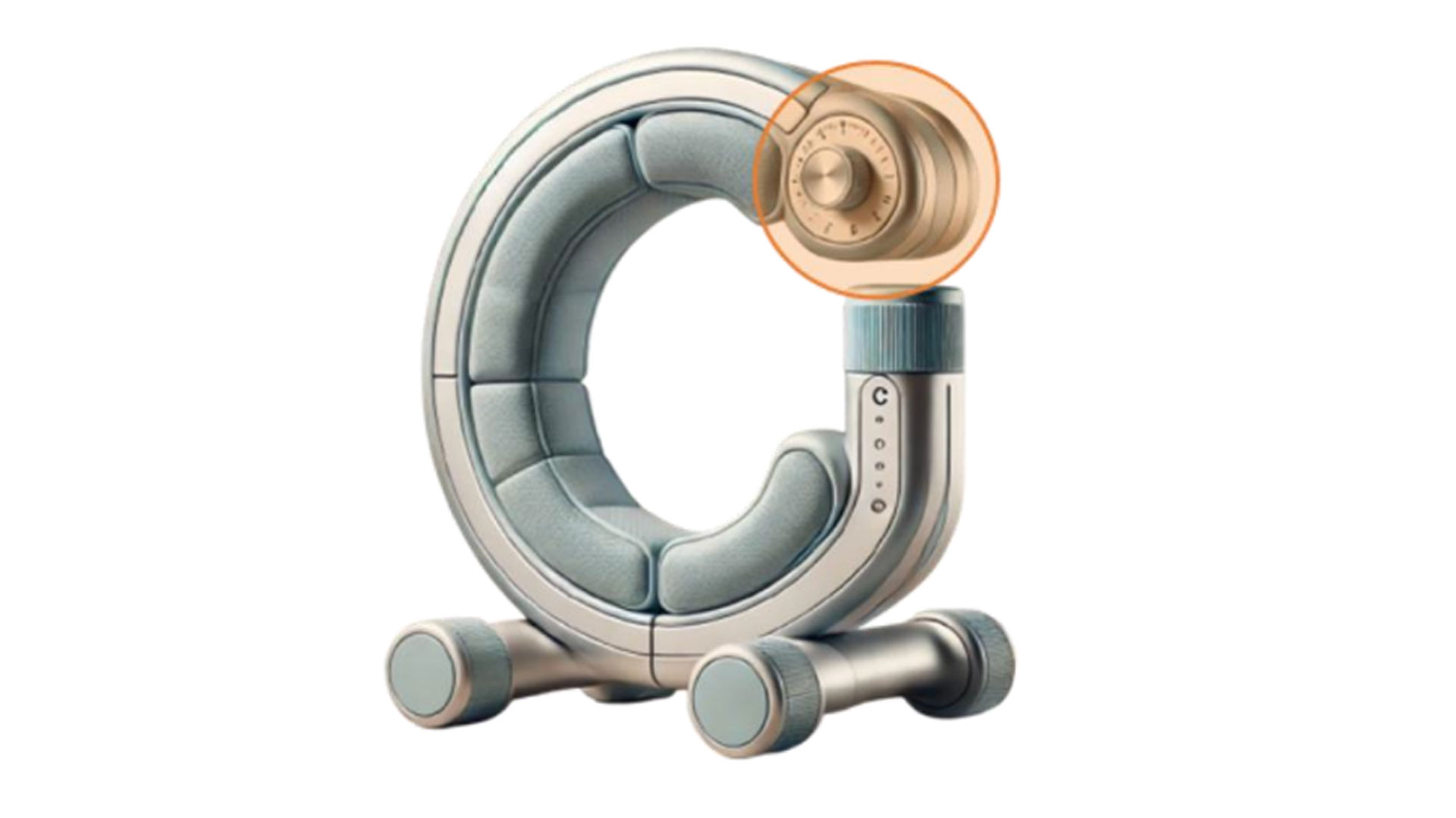
Explore the journey of Yuanhao Zhu, the Gold Winner of the 2026 MUSE Design Awards. She explores furniture and object design through precisely crafted forms that shape movement, interaction, and the body’s relationship with space.
ADVERTISEMENT
.jpg)
Latest Posts

International vs Local Awards | Which Is Better for Marketing?
OCTOBER 14, 2026
DESIGN COMMUNITY | Who Gets Credit for Great Design?
OCTOBER 12, 2026
DESIGN PERSPECTIVES | What Makes Good Design?
OCTOBER 12, 2026
How Awards Build Personal Brand | Marketing Awards Benefits
OCTOBER 7, 2026

Cloud Banquet Transforms Eastern Inspiration Into Modern Design
OCTOBER 1, 2026

Maxim Hair Restoration Is Shaping a New Era of Personalized Hair Re...
SEPTEMBER 30, 2026
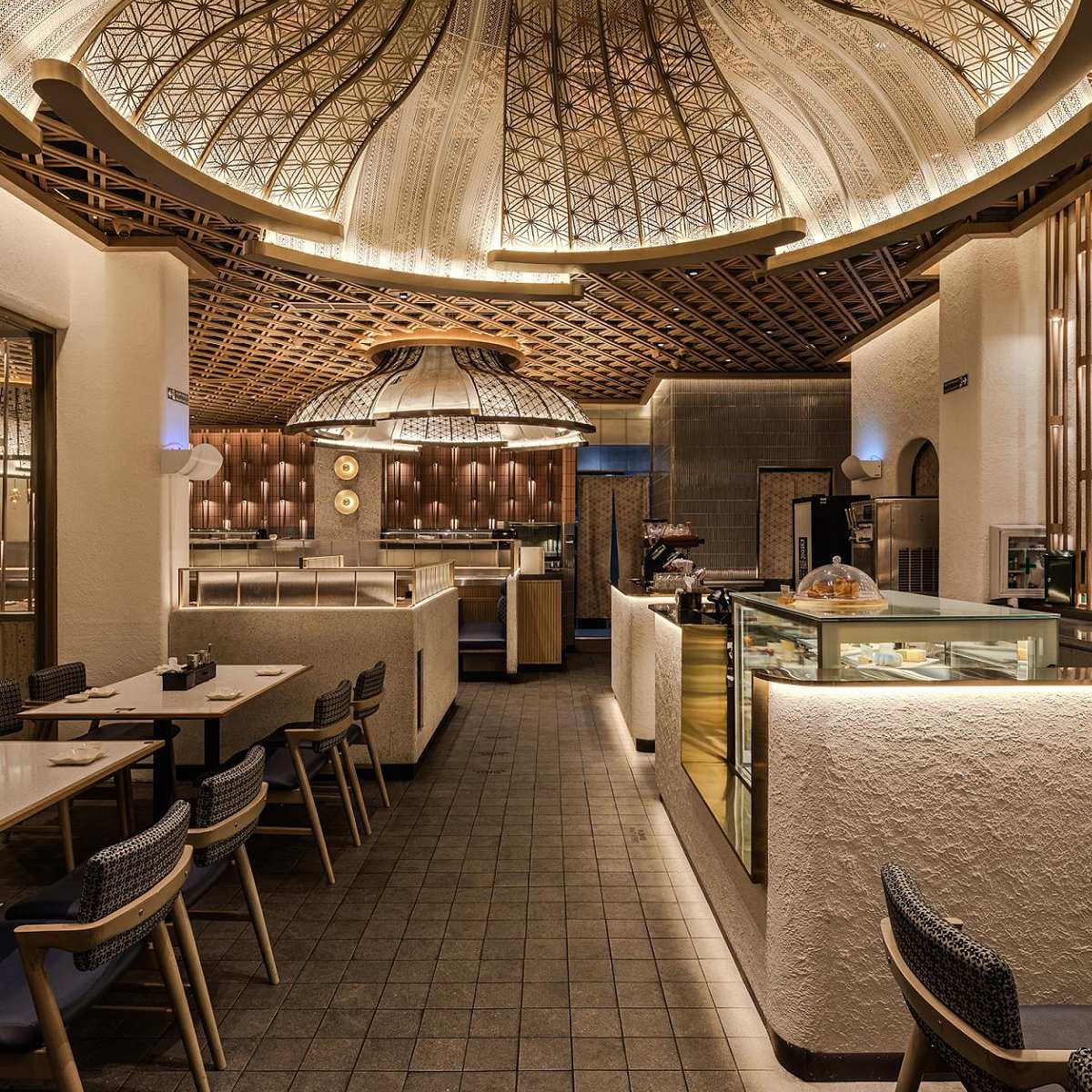
MoMo.Co.,Ltd. Creates a Refined Dining Environment for Sushi Tei Jawa
SEPTEMBER 28, 2026

2026 Global Photography Awards Reveals Photographers of the Year an...
SEPTEMBER 25, 2026
How Many Awards Should You Enter? (Strategy Guide)
SEPTEMBER 23, 2026

Interactive Light Installation: Before Fish Become Birds Creates a ...
SEPTEMBER 22, 2026


IAA GLOBAL AWARDS
MUSE Awards
Vega Awards
NYX Awards
TITAN Awards
- TITAN Business Awards
- TITAN American Business Awards
- TITAN Property Awards
- TITAN Women in Business and Leadership Awards
- TITAN Health Awards
- TITAN Innovation Awards
- TITAN Brand Awards