The Ephemeral Petunia Garden
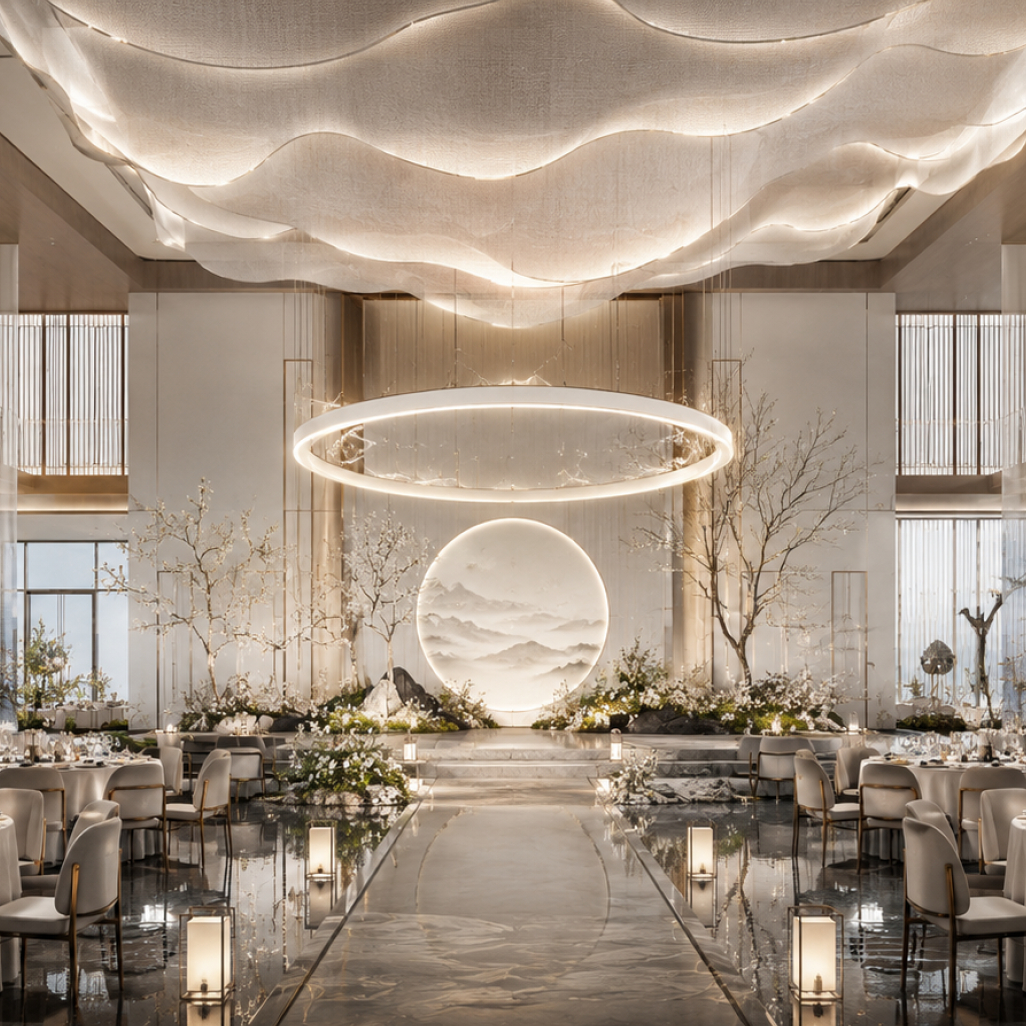
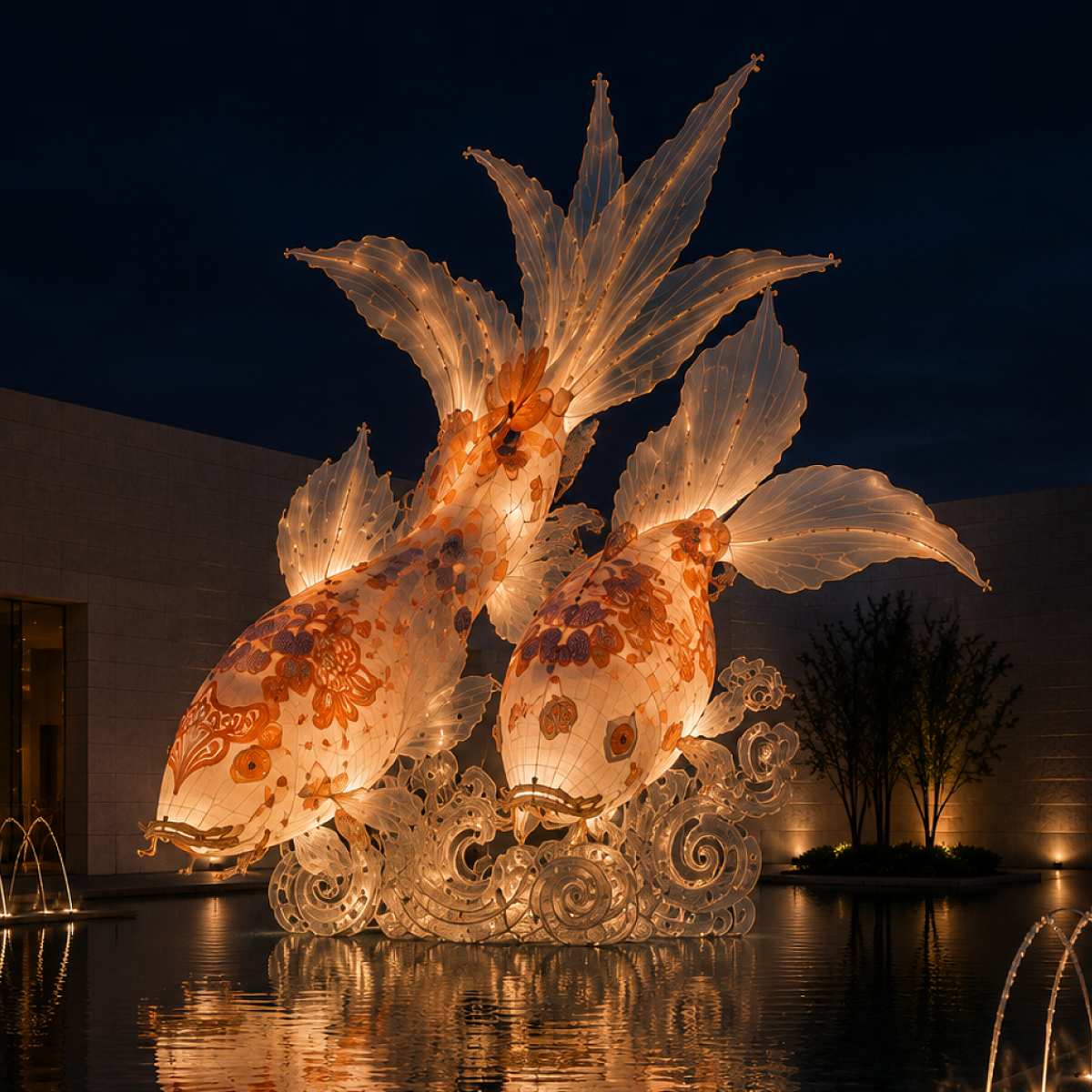
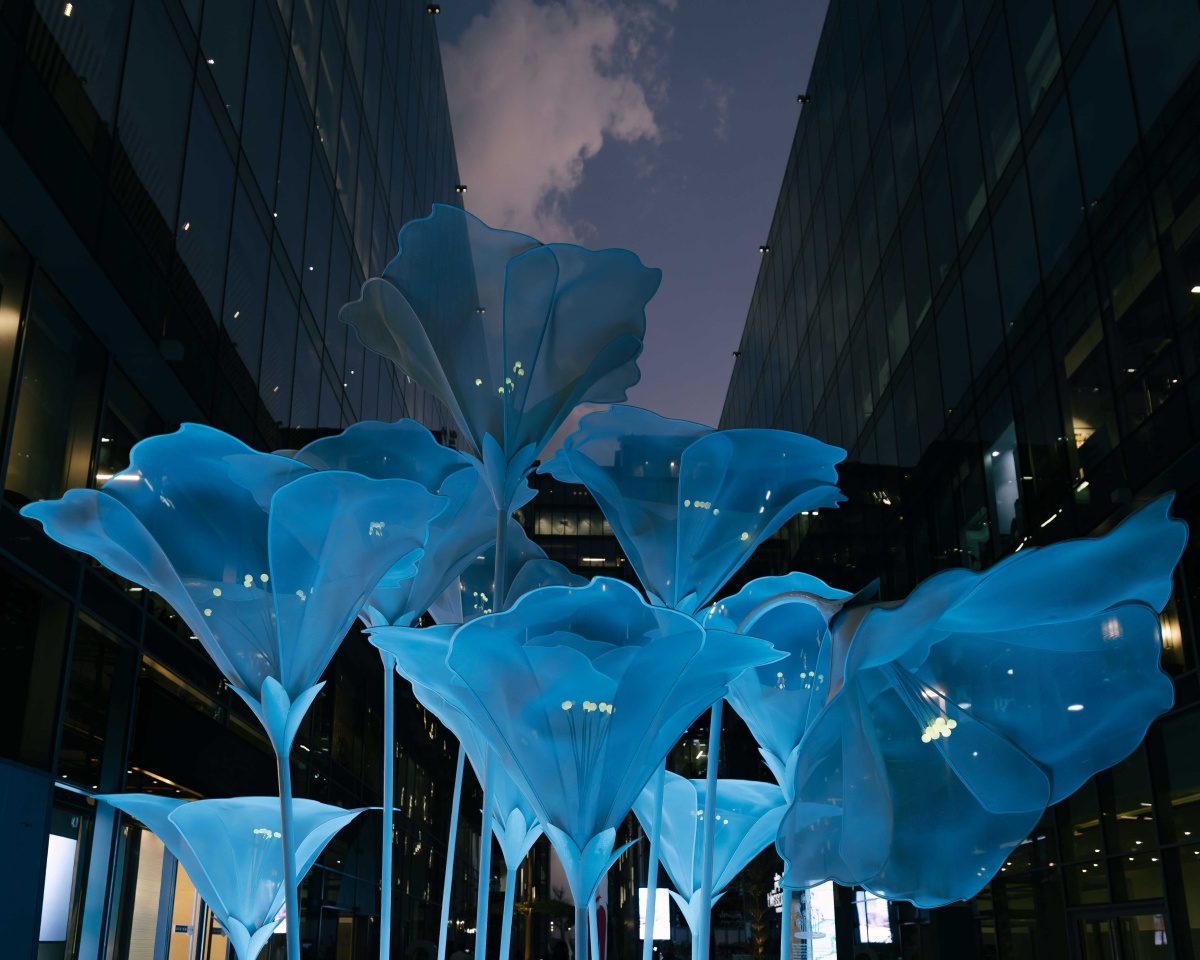
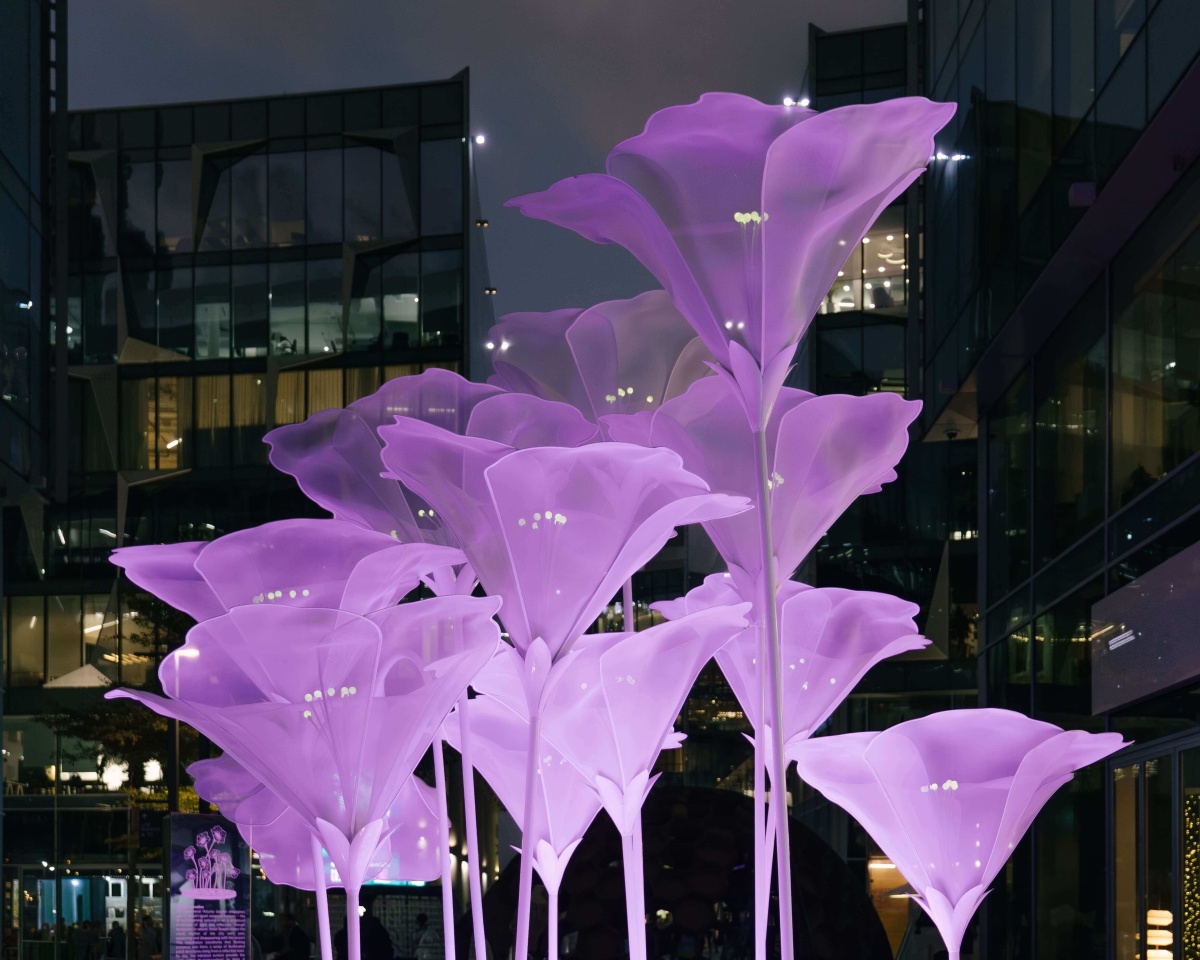
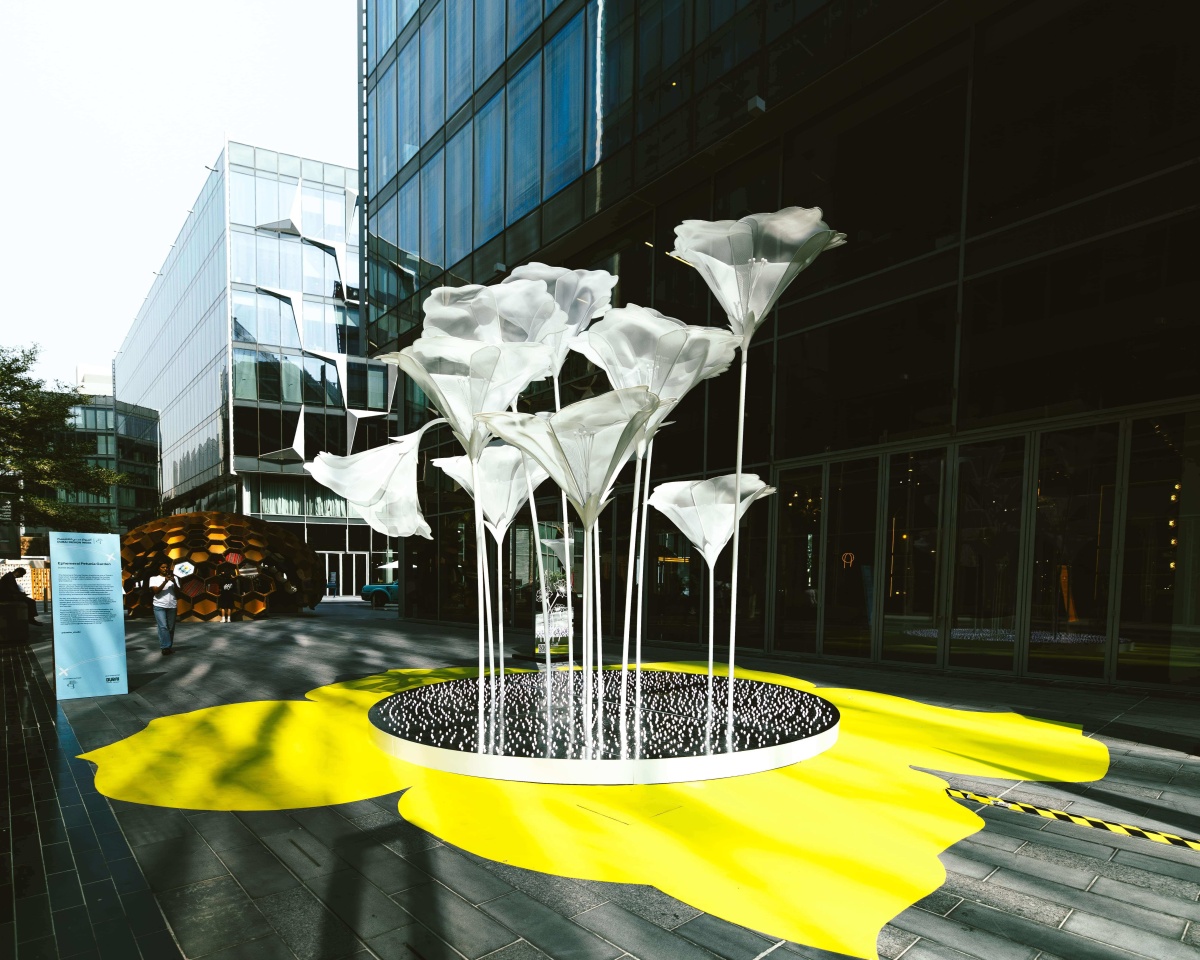
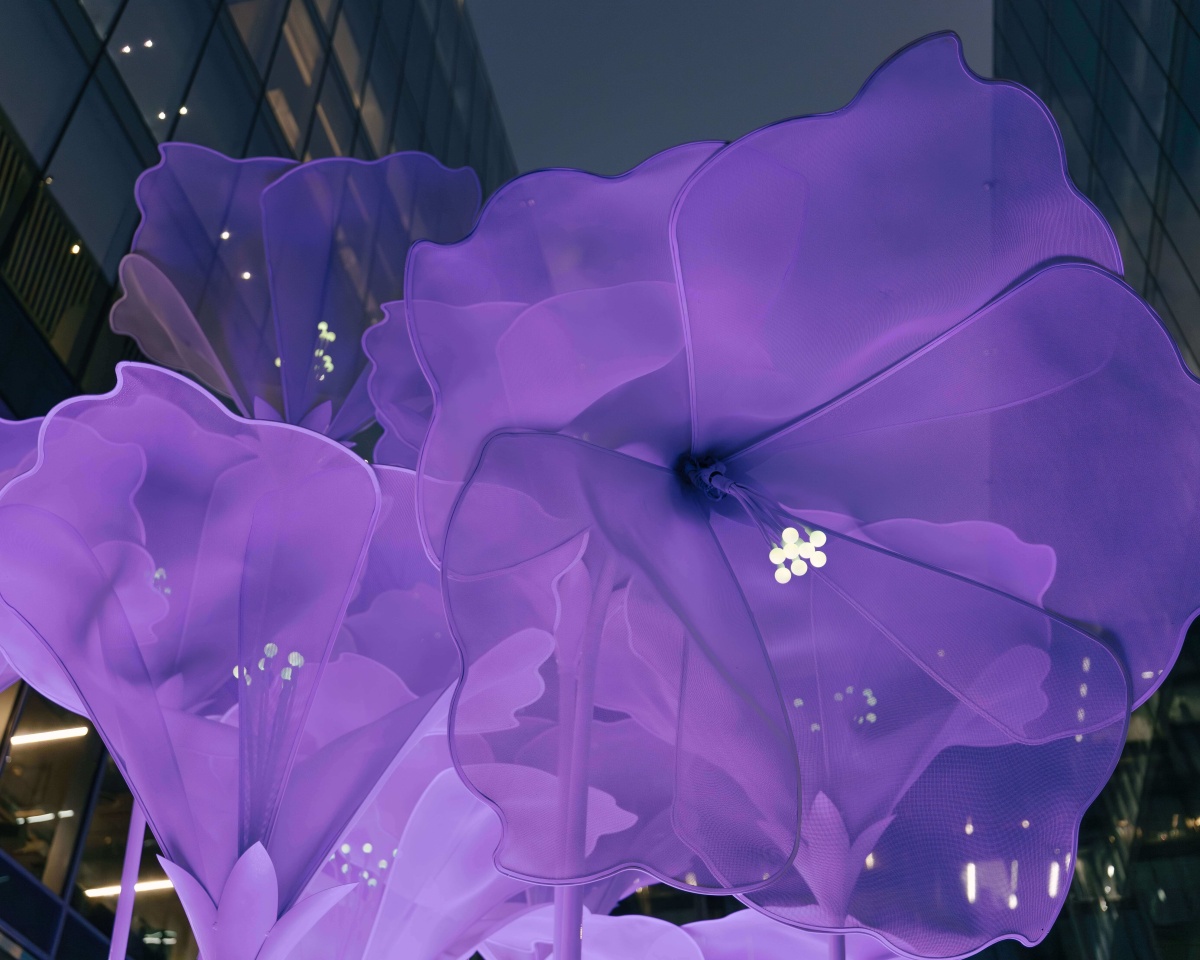
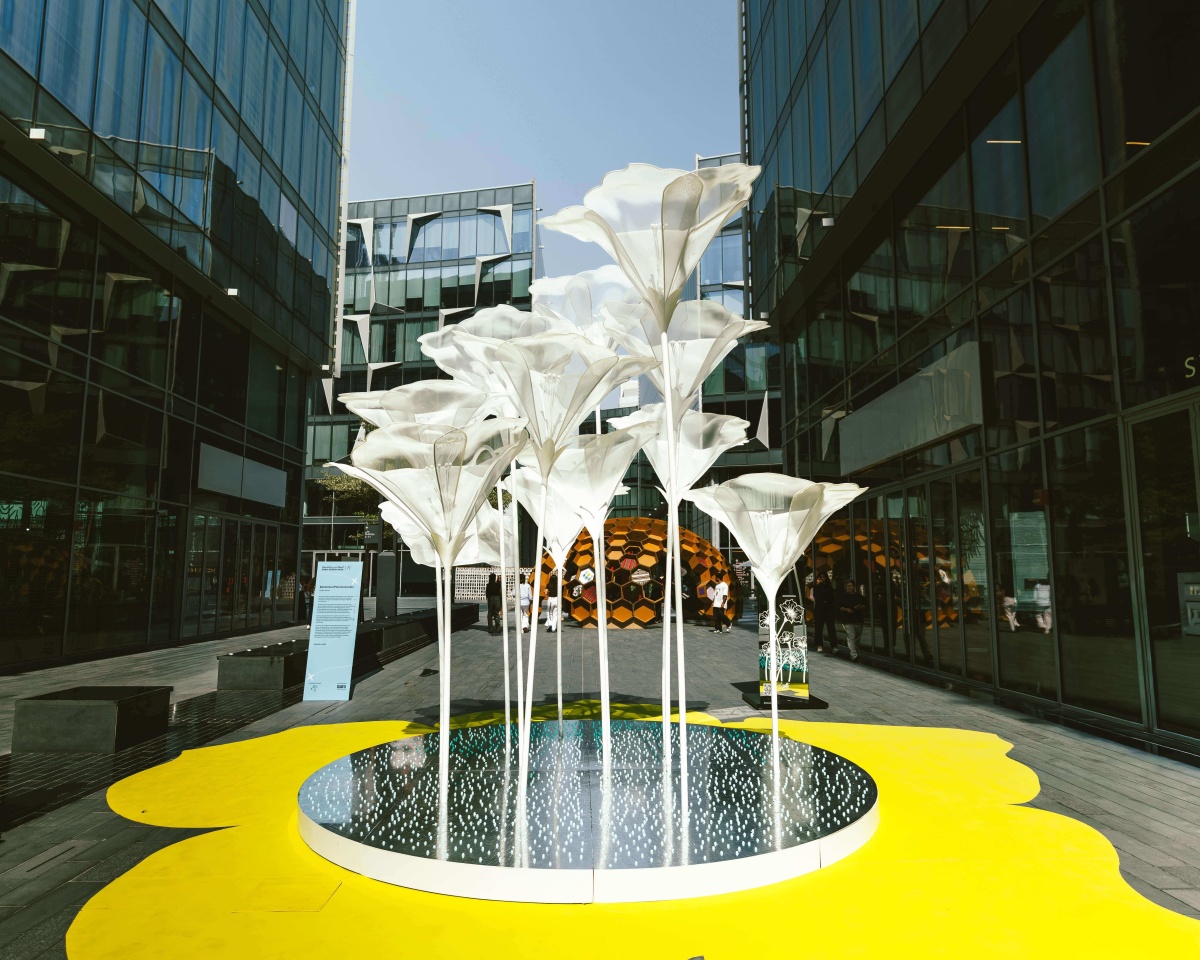
The Ephemeral Petunia Garden is a large-scale public art installation unveiled during Dubai Design Week...
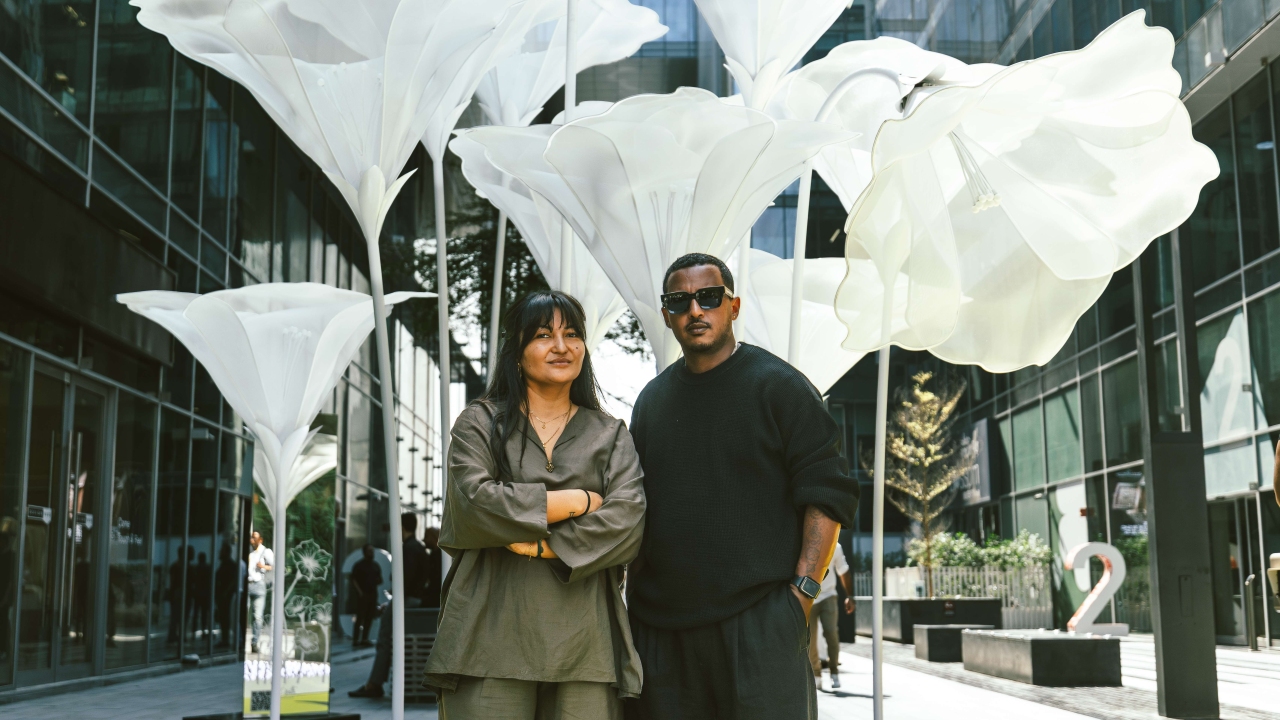
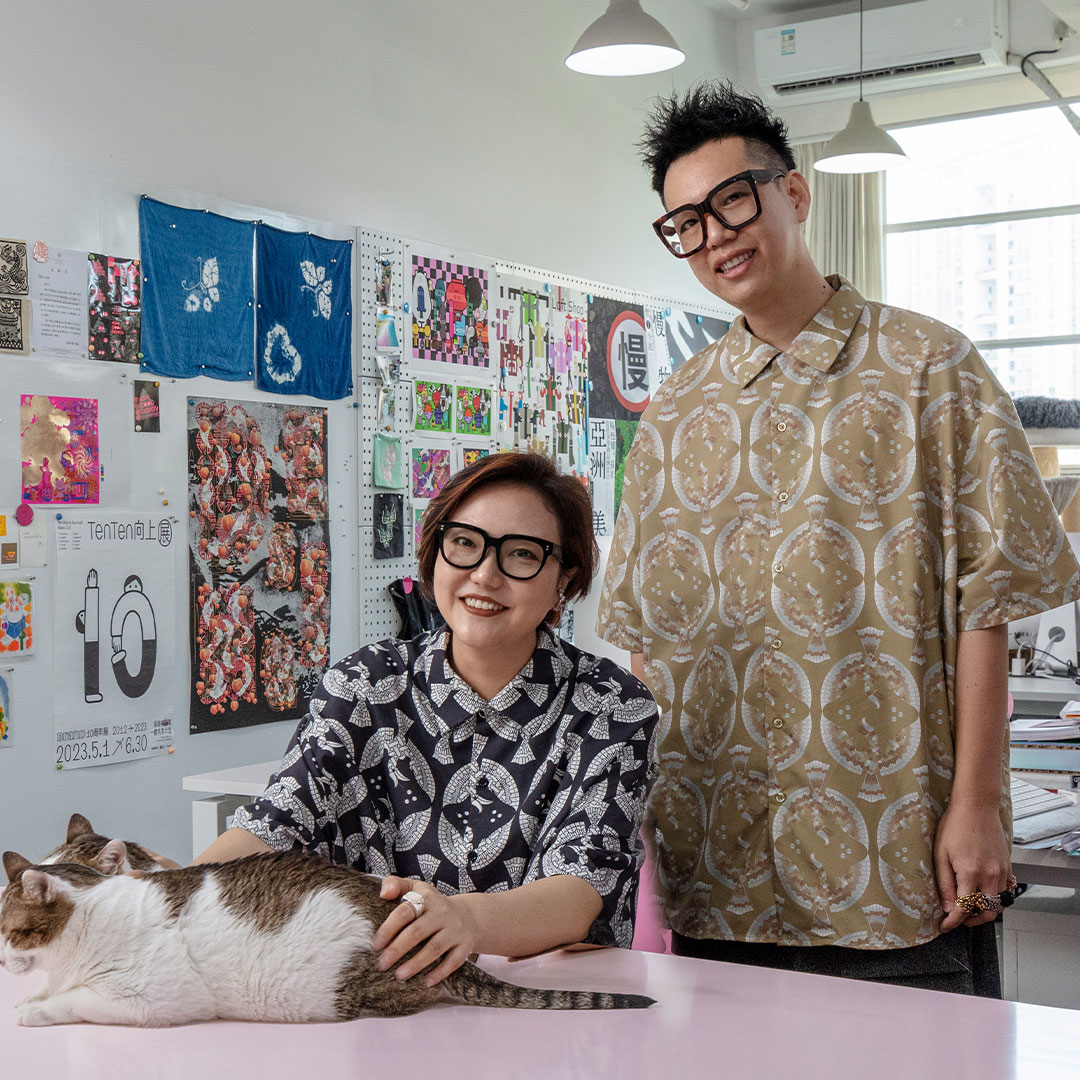
At Duette Studio, Fuad Ali and Rahat Kunakunova approach design as a meeting point between art, architecture, and public experience. Their award-winning project, The Ephemeral Petunia Garden, reflects an interest in atmosphere, cultural identity, and the emotional connection people build with spaces.
We are Fuad Ali and Rahat Kunakunova, co-founders of Duette Studio, a Dubai-based creative studio working across public art, spatial experiences, installations, and cultural storytelling.
Our relationship with design started long before we understood it as a profession. It came from observing cities, markets, temporary structures, music, fashion, gatherings, and the emotional connection people build with spaces and objects. We were always interested in how environments can shape memory, feeling, and human interaction.
Both of us come from different creative backgrounds and perspectives, and somewhere in the middle, the work finds its voice. Fuad often approaches projects more structurally and conceptually, while Rahat brings a more emotional and intuitive lens. That balance has become an important part of how Duette operates.
What inspired us to pursue design professionally was the realisation that design is not only about aesthetics or objects, it is about creating experiences people carry with them long after they leave a space. We are especially drawn to work that feels culturally grounded and emotionally honest, work that can exist between art, architecture, and public experience.
Dubai has also played a huge role in shaping our journey. It is a city that allows people to imagine freely and build things that might not exist anywhere else. As a studio, we are interested in contributing to that evolving cultural landscape through work that feels both locally rooted and globally relevant.
Being recognised at the London Design Awards means a lot to us, especially because The Ephemeral Petunia Garden was a very personal project for the studio.
The installation was originally created for Dubai Design Week and was rooted in ideas around impermanence, memory, gathering, and public interaction. Seeing a project that emerged from our regional context receive international recognition reassures us that stories and perspectives from this part of the world can resonate globally without needing to lose their identity.
Winning the Platinum award is also an important milestone for Duette as an independent studio. Much of our work exists between disciplines, somewhere between public art, spatial design, architecture, and cultural programming, so recognition at this level gives us confidence to continue exploring that space further.
More than anything, the award feels like recognition not only of one project, but of a way of thinking and working. It encourages us to continue creating work that is experiential, human, and culturally meaningful.
The recognition has already created meaningful conversations and opened new doors for the studio internationally. It has strengthened the credibility of our work, particularly within the public art and cultural design space, and has given us confidence to continue pushing the scale and ambition of future projects.
Internally, it has also been an important moment for reflection. As a relatively young independent studio, we often move quickly from one project to another, so receiving this level of recognition allowed us to pause and realise the value of building work that carries long-term cultural and emotional impact.
One of the most exciting outcomes so far is the opportunity to further archive and expand the life of The Ephemeral Petunia Garden beyond its original installation. We are currently exploring new ways for the project to continue existing through publications, conversations, collectable scaled pieces, and future cultural presentations.
The achievement has also reinforced our belief that projects emerging from Dubai and the wider region can contribute meaningfully to global design conversations.
Experimentation is a very important part of our process because many of our projects sit between disciplines and do not always have a clear reference point. We often approach projects as open systems rather than fixed outcomes, allowing ideas to evolve through material testing, conversations, sketches, sound, lighting, and spatial interaction.
Sometimes experimentation is conceptual, and sometimes it is physical. We test how people move through a space, how a material reacts to light, or how an atmosphere changes emotionally during the day and night. We are interested in creating experiences that people can feel, not just observe.
The Ephemeral Petunia Garden is a good example of this approach. The project began as a conversation around impermanence and collective memory, but evolved through experimentation with scale, reflection, movement, and interaction. Rather than creating a static object, we wanted the installation to behave almost like a living environment that changed depending on light, weather, and the presence of people around it.
For us, experimentation is not about being experimental for the sake of it. It is about remaining open enough for the work to become something more meaningful than the original idea.
Some of our biggest inspirations come from very ordinary or overlooked moments rather than traditional design references.
We are often inspired by temporary structures, old markets, street gatherings, bus stations, construction sites, cassette culture, roadside cafés, community rituals, or even the way people naturally occupy public space without being instructed to. There is something very honest about environments that evolve organically over time.
One project, for example, was heavily inspired by the atmosphere of late 80s and 90s Abu Dhabi and Dubai, specifically the visual language of old cafeterias, transport stations, hand-painted signage, plastic chairs, television shops, and informal social spaces. These environments carry a kind of emotional memory that many people recognise immediately, even if they cannot explain why.
We are interested in observing how culture exists in everyday life, not only inside galleries or design institutions. Often, the most powerful inspiration comes from spaces that were never intentionally designed to be inspirational in the first place.
We wish more people understood that design is not only about creating something visually appealing. A large part of the process is listening, observing, questioning, editing, and sometimes removing more than adding.
Good design often takes time because it requires emotional, cultural, and contextual understanding. Especially in public or experiential work, you are not only designing an object or a space, but you are also designing how people feel, gather, remember, and interact.
We also believe the process is rarely linear. Some of the most important decisions happen through doubt, mistakes, conversations, or unexpected discoveries during production. There is usually a huge amount of invisible thinking behind work that may appear simple at first glance.
At its best, design should create a connection. The final outcome matters, but the care, collaboration, and intention behind the process matter just as much.
For us, the best projects happen when the relationship feels collaborative rather than transactional. We never see clients as people we need to “convince,” but as partners we are building something meaningful together.
At the same time, we believe it is important to protect the core idea behind a project. Budgets, timelines, technical realities, and feedback will always shape the process, but we try not to lose the emotional or conceptual essence that made the idea worth pursuing in the first place.
Usually, the balance comes through conversation and clarity. If clients understand why certain decisions matter emotionally, culturally, or experientially, they become part of the process rather than obstacles to it.
We also try to stay flexible without becoming generic. A project should evolve through collaboration, but it should still carry a clear point of view.
One of the biggest challenges with The Ephemeral Petunia Garden was creating something that felt visually light and emotional while still functioning technically and structurally at a large public scale.
Because the installation was temporary and experiential in nature, we were constantly balancing poetry with practicality. Materiality, weather conditions, production timelines, public interaction, transportation, and installation logistics all became part of the design conversation from the very beginning.
Another challenge was resisting the pressure to over-design the project. Sometimes public installations can become visually loud very quickly, but we wanted Petunia to feel calm, open, and emotionally accessible. Achieving simplicity often requires a surprising amount of editing and restraint.
What helped us overcome these challenges was staying very close to the original intention of the project. Every decision eventually came back to one question: Does this still support the feeling and experience we want people to have?
Usually, by stepping away from design completely.
We often find that creativity returns when we stop forcing it. Some of our best ideas come while running, driving, listening to music, cooking at home, walking through cities, or having completely unrelated conversations with friends and family.
Travel is also important for us, not necessarily for famous landmarks or design destinations, but for observing ordinary life, how people gather, move, eat, rest, or occupy public space differently across cultures.
Music plays a huge role in our process as well. Sometimes a feeling, rhythm, or atmosphere from a record can shape an entire spatial direction before we even sketch anything.
We have learned that creative blocks are usually not a lack of ideas, but a sign that the mind needs space to absorb new experiences again.
A lot of our work is rooted in ideas of gathering, memory, hospitality, and emotional connection.
Both of us come from multicultural backgrounds and have lived in different cities, communities, and ways of experiencing space. That naturally influences how we think about design. We are very interested in spaces that feel human and welcoming rather than overly controlled or intimidating.
We also care deeply about cultural context. Even when a project feels contemporary or minimal, we try to ensure there is still an emotional or cultural layer underneath it. We are less interested in creating trends and more interested in creating work that people can emotionally relate to or remember years later.
Another important value for us is honesty. We try not to create work that feels disconnected from who we are or from the communities and environments it exists within.
Try not to chase trends too early.
It is important to develop your own perspective before trying to fit into what the industry expects from you. The most memorable designers and studios are usually the ones whose work carries a recognisable point of view, even if it takes longer for people to fully understand it.
We would also say that patience matters more than people realise. Design careers are often presented as fast and glamorous, but most meaningful work is built slowly through consistency, curiosity, collaboration, and years of learning.
And finally, spend time observing life outside the design industry. Inspiration does not only come from design books or social media. Some of the most important lessons come from people, cities, music, films, conversations, and everyday experiences.
There are many people we admire, but two names that come to mind are Virgil Abloh and Jonathan Anderson.
What inspires us about both of them is their ability to move fluidly across disciplines without feeling restricted by category. Their work exists between fashion, art, objects, spatial design, culture, and storytelling while still maintaining a very clear point of view.
We are especially drawn to creators who can adapt their language depending on the medium they are working with, while still remaining recognisable and emotionally consistent. Whether it was Virgil’s approach to cultural dialogue and accessibility, or Jonathan Anderson’s ability to bring craft, art, surrealism, and emotion into contemporary design, both created work that felt human and culturally aware.
That balance is something we constantly think about in our own practice. We are interested in creating work that can exist across different formats and disciplines while still carrying a strong emotional identity.
We wish more people would ask not only “what does this project look like?” but “how does this project want people to feel?” For us, that is usually the real starting point of the work.
Many of our projects are less about creating objects and more about creating atmospheres, interactions, memories, or moments of connection between people. Sometimes the most successful outcome is not the physical installation itself, but the conversations, emotions, or sense of belonging that emerge around it.
Design has the ability to shape behaviour and emotion in very subtle ways. We are interested in exploring that invisible layer as much as the visual one.
Click here to visit how Zarina Majidova Explores Future-Oriented UX Through Ottera Health in her winning interview with the London Design Awards.