Sors | French Design Awards
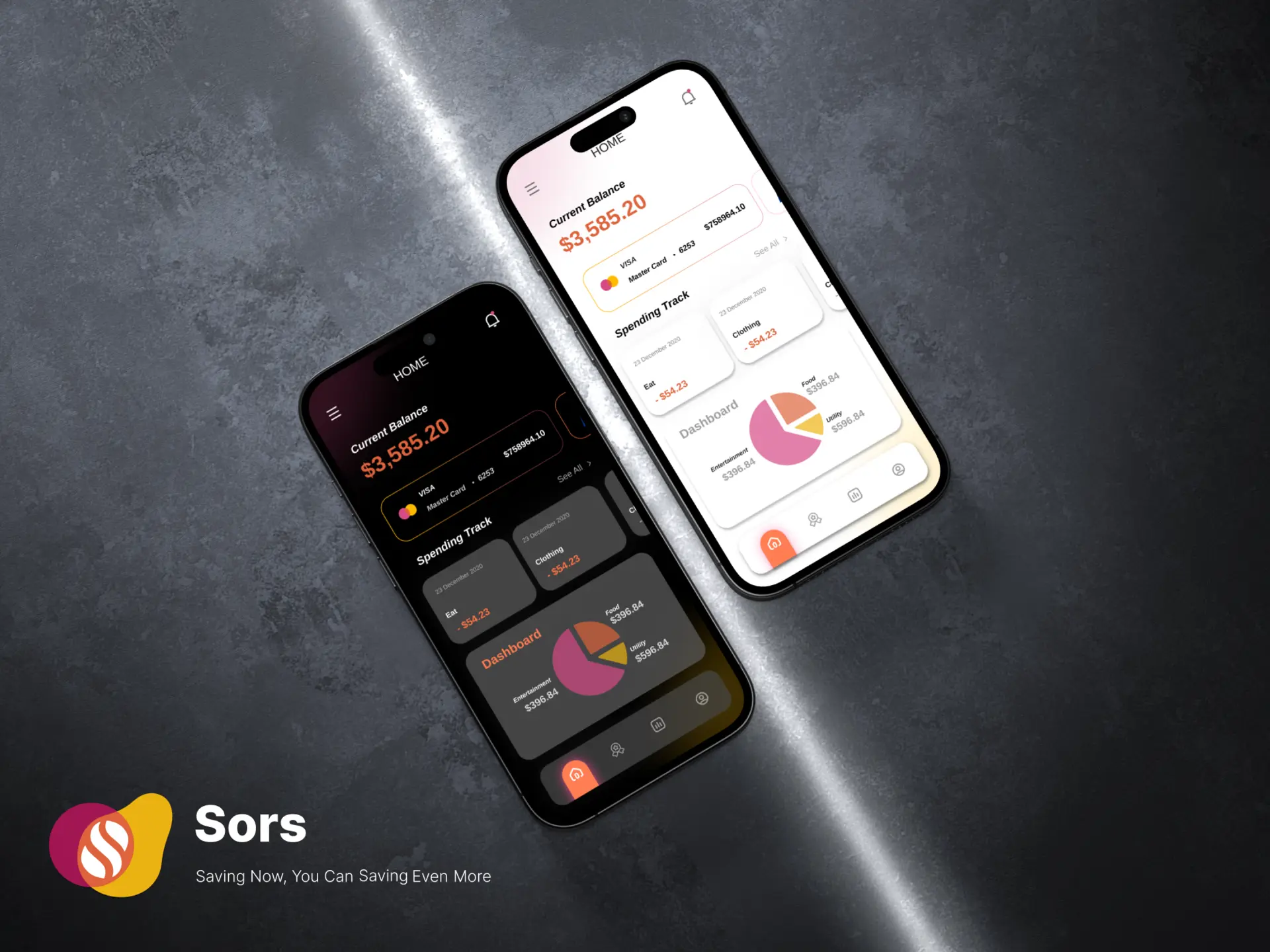
Sors is a financial management app designed to meet the unique needs of Chinese international...
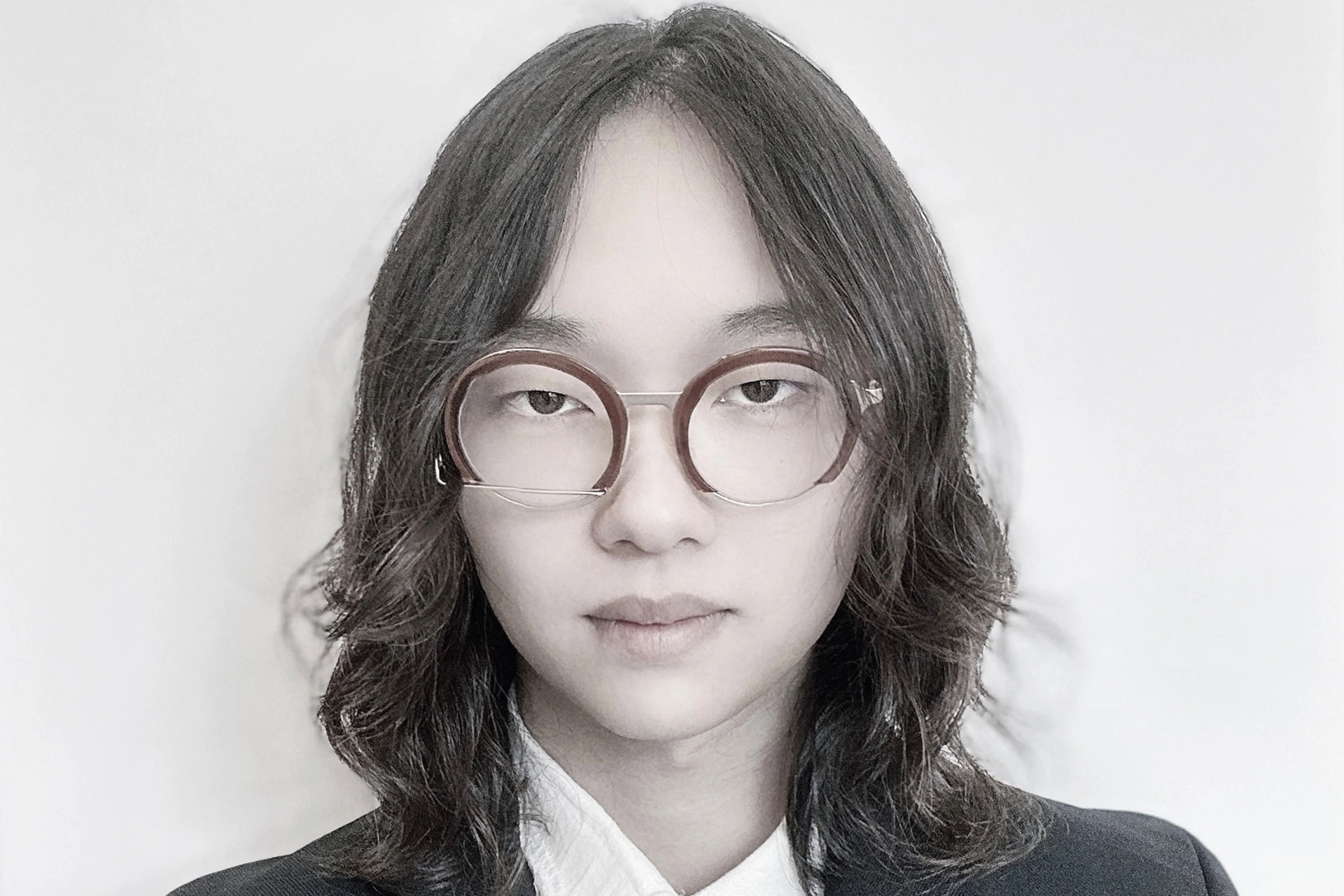
I’m a designer from China and have had a long-standing adventure studying and working abroad. My design journey started with a mix of curiosity and too much doodling in the margins of notebooks. Over time, I realised design isn’t just about making things look cool—it’s about solving problems, connecting people, and maybe sprinkling a bit of joy into their lives. I specialise in UX/UI design, love blending Chinese and Western cultures, and firmly believe that a good design should feel as natural as a good cup of tea.
I blame my family and my early exposure to Buddhist culture. Growing up, I was inspired by the idea of bringing balance and harmony to the world—big ideas for a kid who also loved drawing cartoons. It clicked when I learned that design wasn’t just about making things look nice but also about helping people and improving the world. Being a designer felt like a modern form of practising compassion—just with more coffee breaks and fewer robes.
I run DC Design Studio, which sounds fancy, but I wear many hats—designer, researcher, and occasional barista myself. My studio focuses on creating user-centred designs that are thoughtful, functional, and sometimes sprinkled with a bit of cultural flair. I work on everything from UX/UI projects to branding, aiming to blend creativity with real-world solutions. It’s a one-person show with a global mindset—and maybe a slight addiction to reorganising Figma files.
Design is like a good conversation—it’s about listening, understanding, and responding thoughtfully. It’s not just making things look pretty (though that helps); it’s about solving problems and creating something meaningful. I think of design as a way to bring balance and harmony, much like tidying up your life—except instead of organising socks, I’m organising user experiences. It’s a mix of art, empathy, and figuring out how to make the world easier to navigate.
I have a soft spot for minimalist design. It’s like the art of saying a lot with very little. There’s something magical about distilling complex ideas into something simple. It’s also a good excuse to keep things tidy and avoid clutter, which my desk could learn from. For me, minimalist design feels like storytelling without unnecessary words—focused, impactful, and just enough to make people think, “Wow, that’s clever.”
A “good” design is like a good friend—it understands your needs, doesn’t overcomplicate things, and makes life easier. It’s functional, intuitive, and leaves you thinking, “Why wasn’t it always like this?” Bonus points if it brings a little joy or surprise along the way. Good design isn’t about showing off; it’s about quietly doing its job so seamlessly that you almost don’t notice—until you can’t imagine living without it.
The idea for Sors came from watching Chinese international students wrestle with finances abroad—think overspending on bubble tea and forgetting to save for rent. I wanted to create something that didn’t just track expenses but helped build healthy habits. Inspired by cultural nuances and Buddhist wisdom about balance, I designed Sors as a financial sidekick—one that’s part accountant, part cheerleader, and totally judgment-free.
My main inspiration for Sors was watching how Chinese international students navigate life abroad—budgeting struggles, impulse spending, and the occasional “I deserve this” splurge. I wanted to design something that felt like a financial coach and a supportive friend. Plus, turning dry financial management into something engaging and culturally relevant motivated me. It’s all about finding balance—financially and emotionally—and maybe leaving some room in the budget for bubble tea.
Absolutely! Growing up in China, I was surrounded by philosophies like Buddhism and Taoism, emphasising balance, simplicity, and mindfulness. These ideas naturally seep into my design process and influence how I approach problem-solving. For example, I focused on making the app functional and harmonious with Sors, addressing practical financial needs while respecting cultural nuances. My heritage constantly reminds me to prioritise empathy, clarity, and creating solutions that connect on a deeper level.
Thank you! Winning the French Design Awards is an honour and a massive encouragement for me and DC Design Studio. It’s a validation of the thought, empathy, and cultural understanding I strive to bring to my work. This recognition means a lot for a small studio like mine—it shows that even small-scale projects can have a meaningful impact. It motivates me to keep exploring designs that connect people, solve problems, and bring balance and harmony. Plus, it’s a great excuse to celebrate with a croissant or two!
The winning work, Sors, is a financial app for Chinese international students navigating life abroad. It addresses budgeting struggles, spending habits, and goal-setting with features like personalised savings plans, gamified rewards, and culturally relevant financial tips. I chose to enter Sors because it’s more than just an app—it’s a companion that empowers users to build sustainable financial habits while adapting to new environments.
This project reflects my passion for blending functionality with cultural understanding, and I felt it perfectly aligned with the French Design Awards’ celebration of thoughtful, impactful design. Who doesn’t love a project that makes managing money a bit less dull?
One of the biggest challenges was designing for cultural nuance while keeping the app engaging and intuitive. Understanding Chinese international students' financial habits and emotional needs required extensive research—think interviews, surveys, and way too many cups of coffee.
Another challenge was balancing functionality with simplicity so the app didn't feel overwhelming. I tackled this by embracing an iterative process: testing, failing, tweaking, and testing again. The key was staying empathetic and letting user feedback guide the design decisions.
Winning this award is like a giant high-five from the design world—it’s incredibly motivating and a reminder that thoughtful, user-centred work resonates. It encourages me to explore designs that blend functionality, empathy, and cultural understanding.
This recognition also opens doors to new opportunities, collaborations, and projects that challenge me to grow as a designer. Most importantly, it’s a nudge to stay curious and continue creating work that improves people’s lives—and maybe a bit more balanced, too!
1. Solving Real Problems: The design industry lets us tackle everyday challenges creatively, turning complex issues into simple, functional solutions. There’s something incredibly satisfying about making life easier for people.
2. Continuous Learning: Design is ever-evolving, and I love how it pushes me to stay curious and adapt—to master new tools, gain cultural insights, or explore emerging technologies.
3. Human Connection: At its heart, design is about people. I enjoy creating experiences that resonate emotionally, bring joy, or make someone’s day just a bit better. It’s like leaving little design “hugs” in the world.
What sets Sors apart is its focus on cultural relevance and emotional connection. It’s not just about tracking expenses—it’s about understanding the unique challenges of Chinese international students and creating a supportive financial companion. Sors combines gamified savings, personalised insights, and a sense of community, making money management engaging rather than overwhelming. It’s designed with empathy, turning a practical tool into something meaningful and culturally attuned.
In the next 5-10 years, I see the design industry shifting from solving technical problems to addressing deeper emotional and social needs. With AI handling much of the functional work, designers will focus on creating experiences that bring comfort, connection, and meaning.
Design will also emphasise inclusivity and sustainability, finding ways to harmonise technology with human values. It’ll be less about “wow” and more about “how does this truly make life better?”—a balance of innovation and mindfulness.
Focus on solving real problems with empathy. Start by truly understanding your users' needs, challenges, and emotions. Great designs come from listening, not just creating. Keep things simple and purposeful; complexity doesn't equal innovation. Be curious, experiment, and don't fear failure—it's part of the process. Most importantly, the design should be authentic and heartfelt. When your work is rooted in making a genuine impact, awards are just the cherry on top.
Start with books like Hooked: How to Build Habit-Forming Products by Nir Eyal for behavioural insights and Steal Like an Artist by Austin Kleon for sparking creativity. In Sprint: How to Solve Big Problems and Test New Ideas in Just Five Days, Jake Knapp offers a practical approach to problem-solving. Laws of UX by Jon Yablonski is essential for understanding user experience principles. Pair these with tools like Figma and Adobe Creative Suite, and explore online platforms like Domestika or Interaction Design Foundation to sharpen your skills.
I’ve never shared here: I often get my best design ideas when I’m not designing at all—usually while taking a walk, staring at a blank wall, or halfway through a cup of tea. My brain needs a little quiet space to connect the dots. So, if you ever see me looking like I’m daydreaming, I promise I’m“working”!
Buddha has been a profound inspiration in my life. His teachings on mindfulness, compassion, and finding balance resonate deeply with how I approach life and design. The idea of creating harmony and alleviating suffering aligns perfectly with the purpose of design—solving problems, simplifying complexities, and making the world a little better for others. It’s a quiet yet powerful reminder to design with empathy and intention.
My key to success is designing with empathy and staying curious. Understanding people—their needs, emotions, and challenges—is at the heart of good design. Also, never stop learning. The world constantly changes, and great designers adapt by asking questions and exploring new perspectives.
My advice? Keep it simple, stay authentic, and remember that design is about creating for others, not just yourself. Success follows when you focus on making a genuine impact.
Read about the interview: Eric Wu Crafts a Unified User Experiences with Design, Product, & Engineering here.