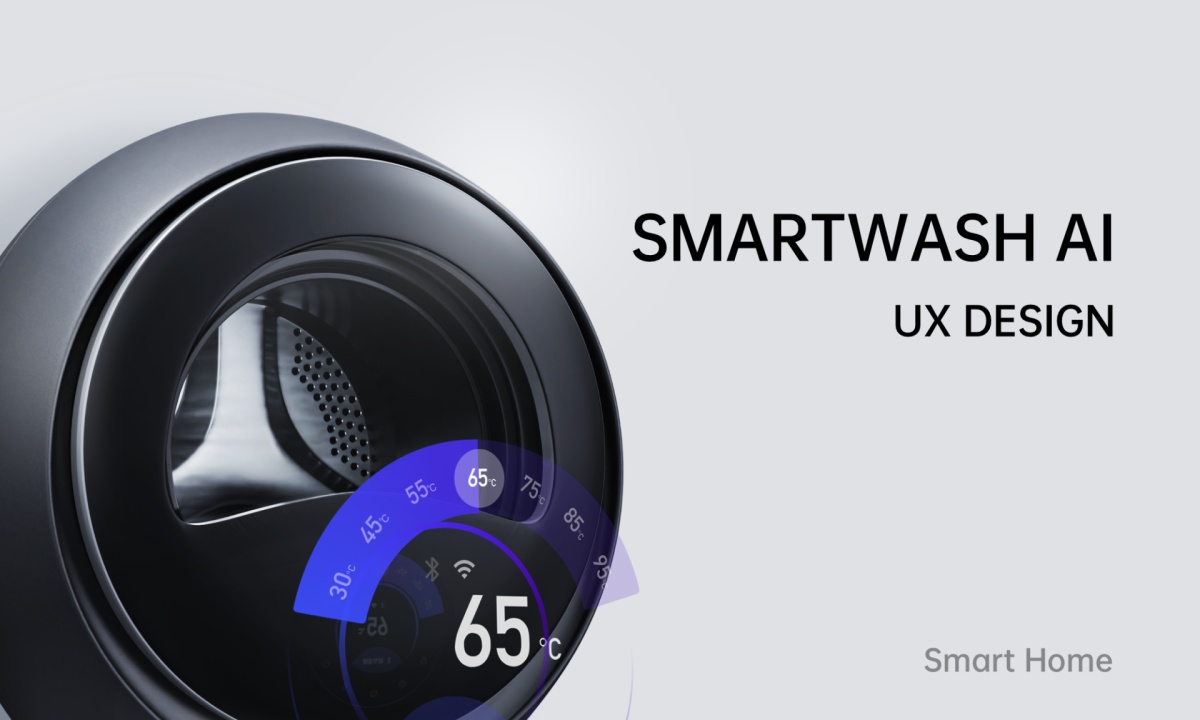
Smartwash AI
SmartWash AI is designed to address these issues through a more intuitive, user-centered interaction system....
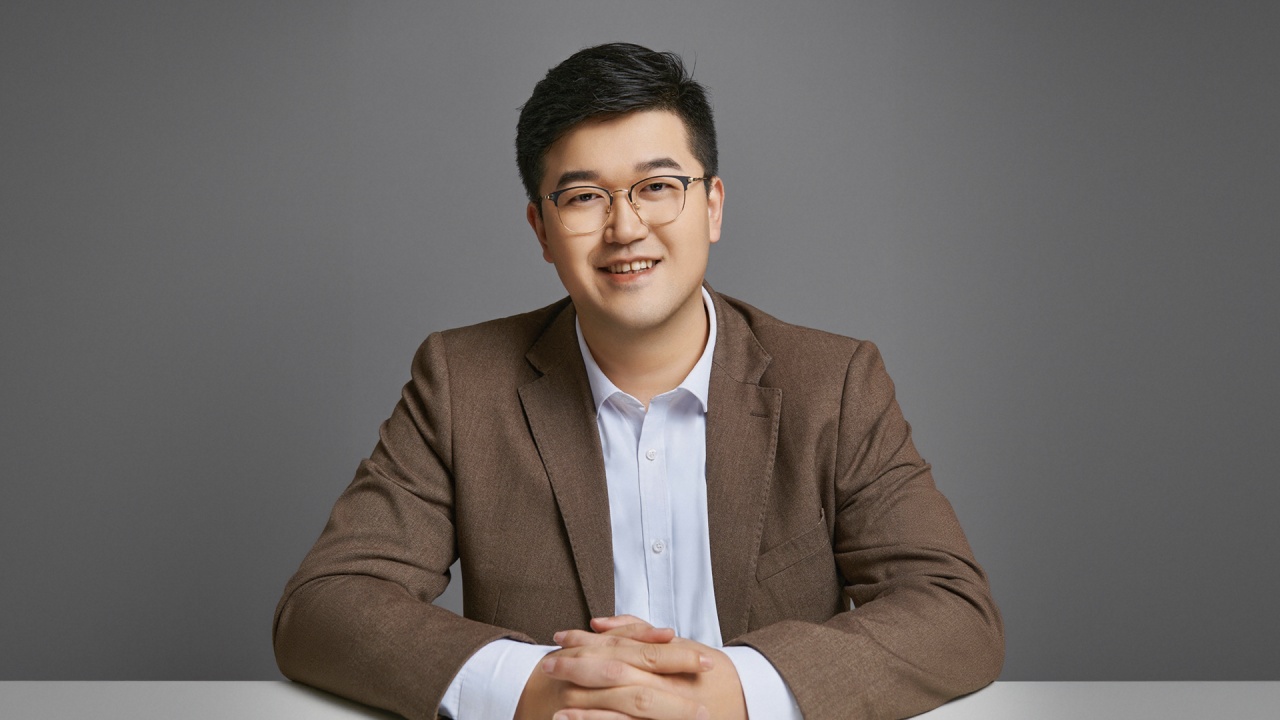
With more than ten years of designing high-impact digital platforms at Alibaba Group and DiDi Global, Xin Wei brings deep expertise in user experience and interaction design. Through projects like SmartWash AI, he explores how AI can quietly guide more sustainable behaviours in daily life.
Thank you very much. My name is Xin Wei, and I am a user experience and interaction designer, as well as a design educator and researcher. Over the past decade, I have worked at leading technology companies such as Alibaba Group and DiDi Global, designing large-scale digital products used by millions of people in everyday, high-frequency scenarios.
Working at this scale reshaped my understanding of design. I realised that design is not only about usability or aesthetics, but also about responsibility—small decisions can influence user behaviour, resource consumption, and daily habits. This awareness gradually led me to focus on human-centred systems with long-term social and environmental impact.
SmartWash AI emerged from this mindset. As AI becomes part of everyday life, I wanted to explore how it could support more sustainable living rather than simply improve efficiency. Laundry is a routine household activity with significant water and energy consumption, yet it is often overlooked. SmartWash AI uses AI to adapt to user behaviour, fabric conditions, and environmental factors, helping families reduce waste without adding complexity.
At the core of my work is the belief that design should bridge advanced technology and everyday life—making AI calm, supportive, and meaningful in real human contexts.
Being recognised by the French Design Awards is both an honour and a meaningful affirmation of the approach I take to design. It shows that focusing on human-centred systems, sustainability, and integrating AI into everyday life resonates beyond my immediate community.
For me, this recognition is not only a personal milestone but also an opportunity to highlight the potential of thoughtful, responsible design to improve daily life, promote sustainable habits, and inspire other designers to consider long-term social and environmental impact in their work.
Being recognised by the French Design Awards has had a meaningful impact on my career and our team. The award has increased our visibility within the design community and generated interest in our approach and work. It has also strengthened the confidence and cohesion of our team, reinforcing the value of human-centred and sustainable design.
This recognition has opened new opportunities for collaboration with companies, research institutions, and international design platforms, and has also led to invitations for lectures and educational engagements.
More importantly, it allows me to further promote the philosophy of responsible design and the integration of AI into sustainable, everyday family life, inspiring other designers and organisations to consider long-term social and environmental impact in their work.
Experimentation is central to my creative process—it allows me to explore ideas beyond assumptions and discover unexpected solutions. For SmartWash AI, we ran multiple prototypes to test how AI could adjust washing cycles based on fabric type, water hardness, and user habits.
Some experiments failed, but they revealed subtle interactions and behaviours that ultimately shaped a more intuitive and sustainable design.
One of the most unusual sources of inspiration came from observing family routines in everyday life. Simple acts like sorting laundry or noticing how clothes wear over time sparked ideas about how AI could support sustainable habits and reduce waste. I realised that meaningful design often emerges from close observation of ordinary, overlooked moments.
I wish more people understood that design is not just about aesthetics—it’s about empathy, systems thinking, and long-term impact. Great design considers how people interact with products over time, the social and environmental effects, and how technology can serve human needs without creating complexity or harm.
I approach this balance by listening carefully to clients’ goals and constraints, then framing my design proposals in a way that highlights long-term value and user benefit.
For SmartWash AI, I worked closely with stakeholders to show how sustainable, AI-driven solutions could meet both business and user needs, allowing innovation while aligning with practical requirements.
One major challenge was integrating AI into a household routine without adding complexity. Users don’t want to manage complicated interfaces for laundry.
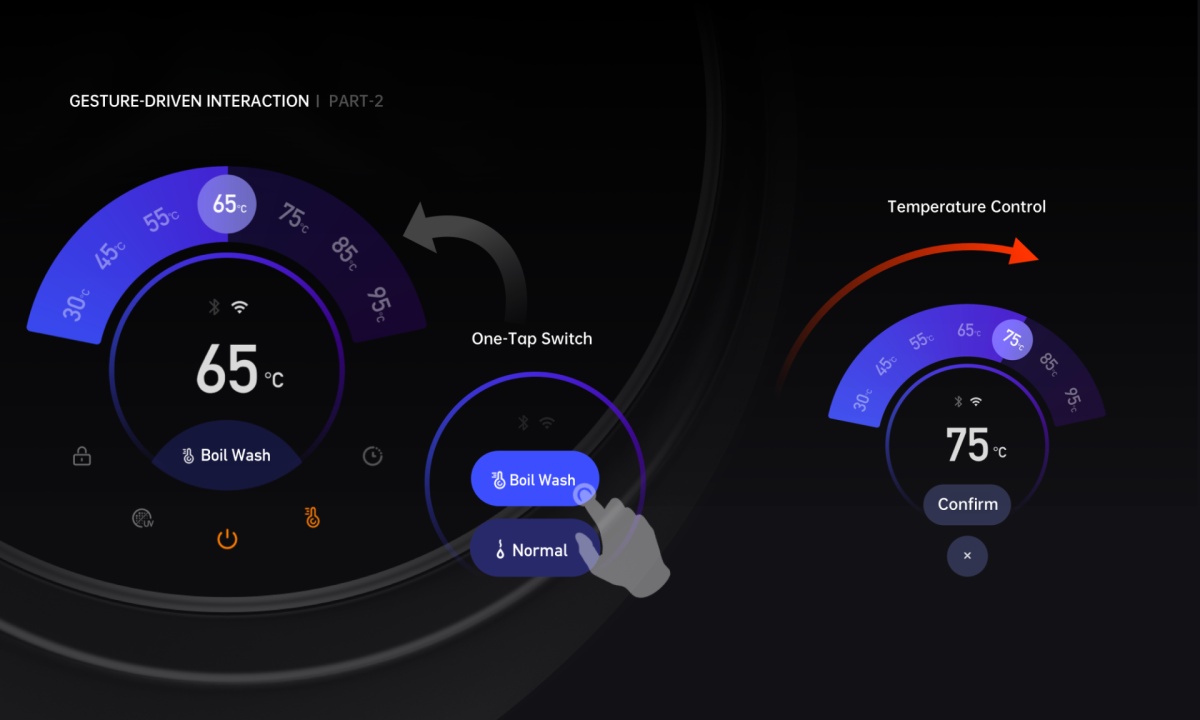
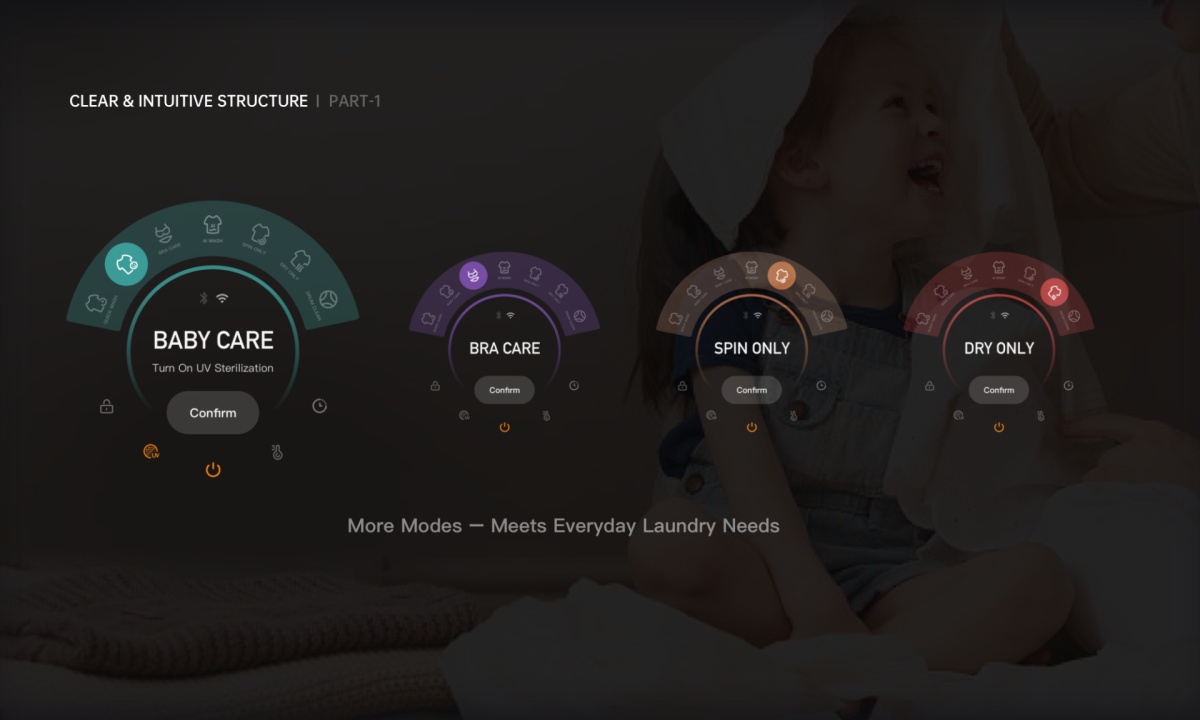
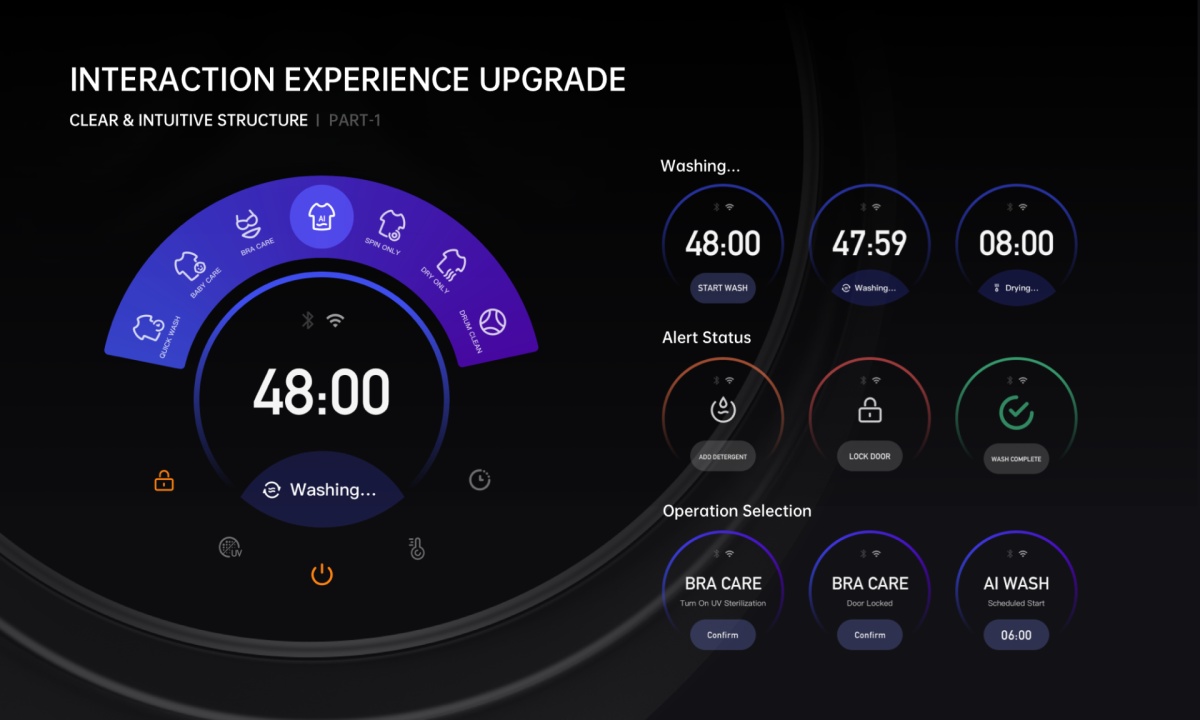
To overcome this, we conducted extensive user testing, observing real behaviours, and iterated on a simple, predictive, and adaptive interface. This human-centred approach helped balance intelligence with usability.
When I face a creative block, I step away from screens and immerse myself in everyday life—observing routines, nature, or even mundane household tasks.
Sometimes, inspiration comes from the smallest details. I also discuss ideas with my team or students, as dialogue often sparks new perspectives.
I infuse empathy, sustainability, and human-centred thinking into my designs. My experiences observing family life, working on high-scale technology products, and teaching design all inform my belief that technology should serve people responsibly, minimising environmental impact while enhancing daily life.
Focus on understanding people, systems, and the context in which your designs exist. Skills are important, but empathy and long-term thinking distinguish good designers. Always consider the broader impact of your work—social, environmental, and emotional.
I would love to collaborate with Dieter Rams. His philosophy of “less, but better” and emphasis on responsibility in design resonates deeply with my work. His approach to simplicity, clarity, and sustainability continues to inspire how I integrate AI into everyday life responsibly.
I wish people would ask: “How does your design improve everyday life beyond aesthetics?”
My answer is that SmartWash AI aims to seamlessly integrate advanced technology into daily routines, reducing waste, energy use, and cognitive load, while supporting mindful and sustainable living. Design, to me, is about meaningful impact, not just appearance.
Read about Experimentation as a Creative Engine: Inside Tairan Space Design with Albert Liu by clicking here.