Seicento Baroque Ensemble
Based in Boulder, Colorado, Seicento Baroque Ensemble is a nonprofit organization that presents concerts of...
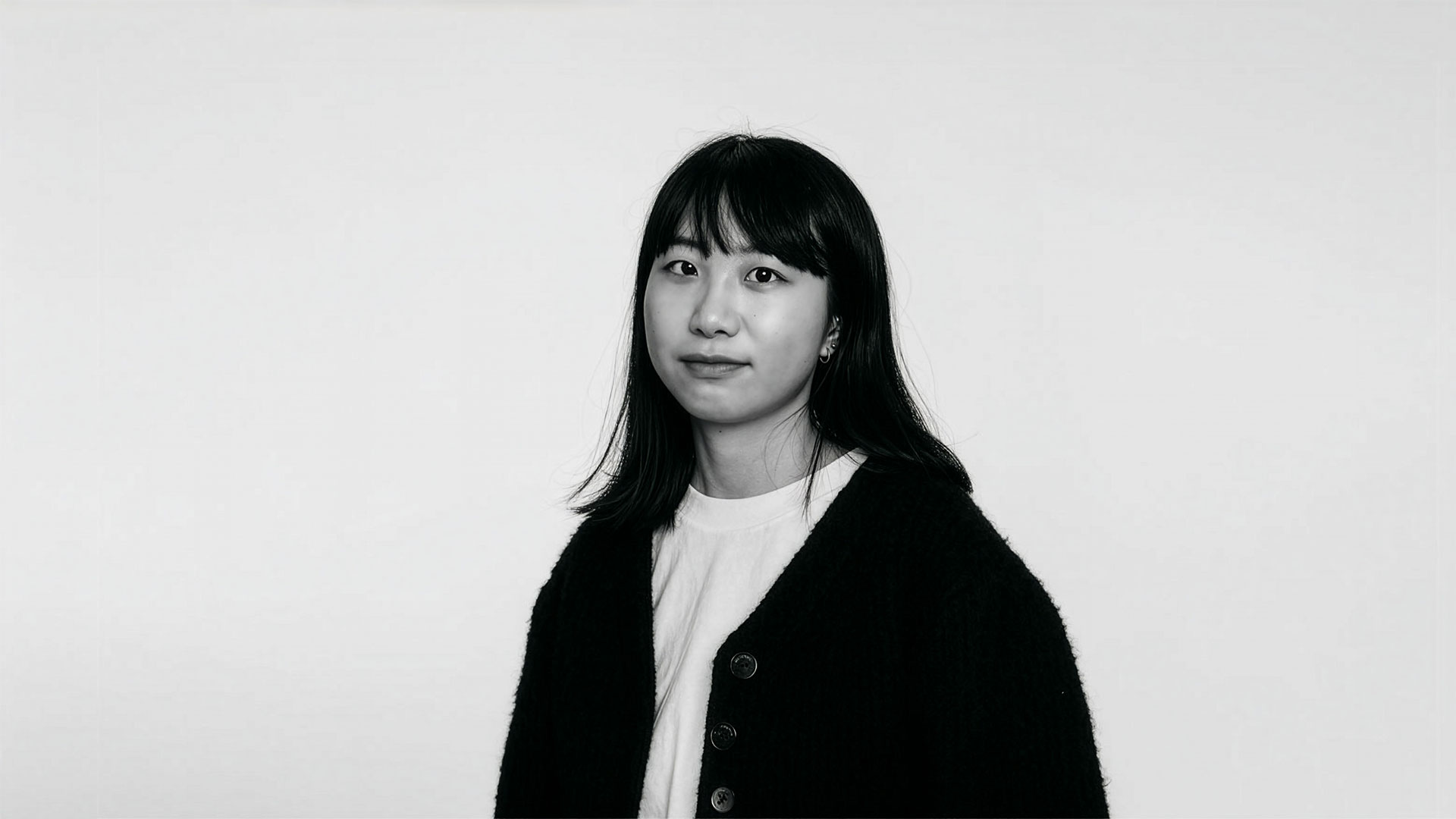
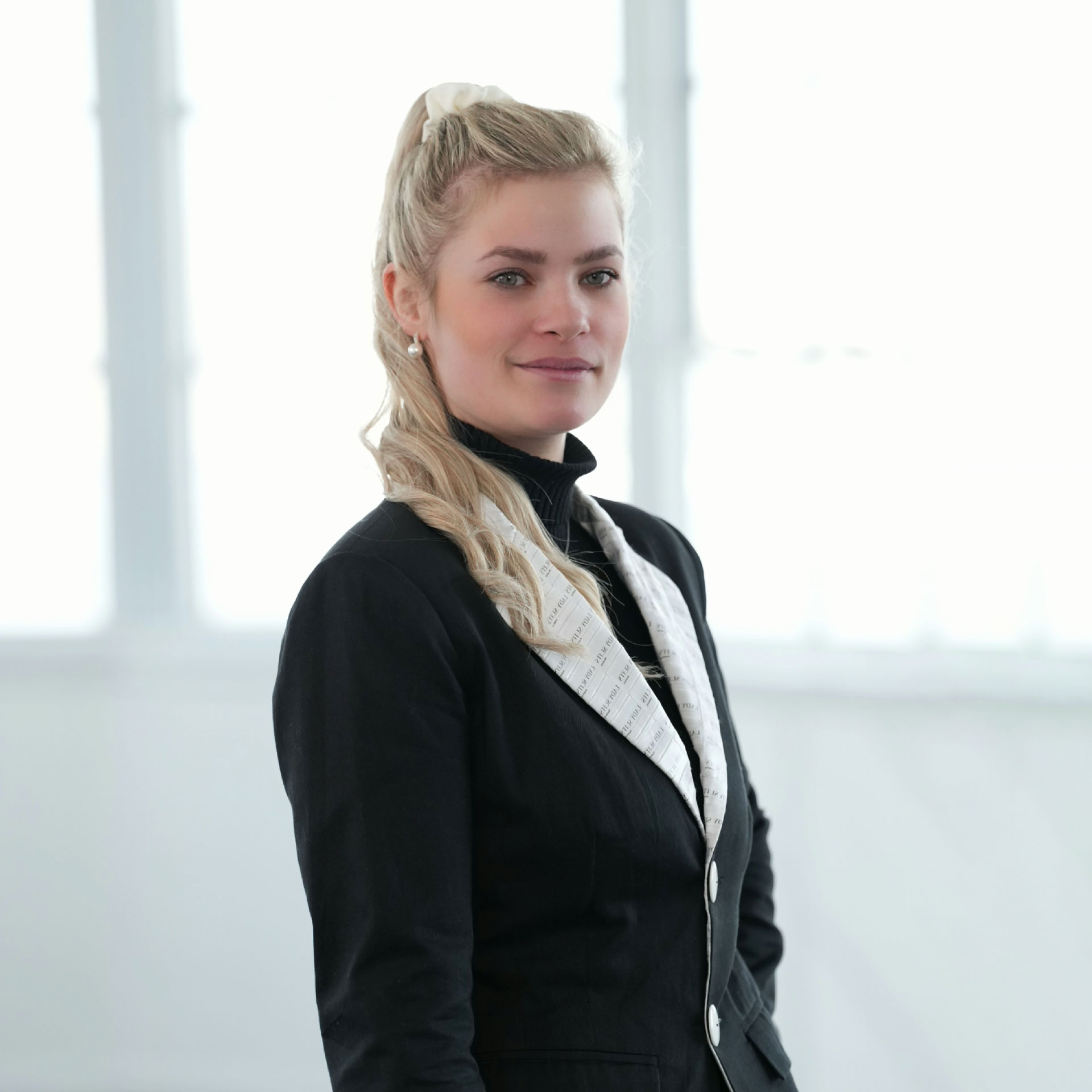
Xinyi Shao is a visual designer at Design Dept whose work spans brand identity, packaging, and digital experiences. Drawn to building visual systems, she brings typography, color, and form together to craft cohesive narratives that turn complex ideas into clear, compelling stories.
Thank you! I’m Xinyi, a visual designer working across brand identity, packaging, and digital experiences. Right now, I’m at Design Dept, where I’ve had the chance to work on a wide range of projects. Over time, I’ve found myself especially drawn to building visual systems—where typography, color, and form come together to tell a story.
I studied finance as an undergraduate, and while I didn’t pursue it as a career, it gave me a structured, analytical way of thinking. I carry that into my design practice today—whether it’s organizing complex brand systems, aligning with business goals, or balancing creativity with strategy.
I decided to submit my work because I wanted to put it into dialogue with the broader design community. Competitions like MUSE are a way to test whether the ideas and systems I build resonate beyond the immediate client or project.
Winning is meaningful because it validates the thought and craft that go into my process, but it also opens new opportunities to collaborate and grow. Personally, it’s a reminder to keep pushing myself, and professionally, it helps strengthen credibility when working with clients and studios.
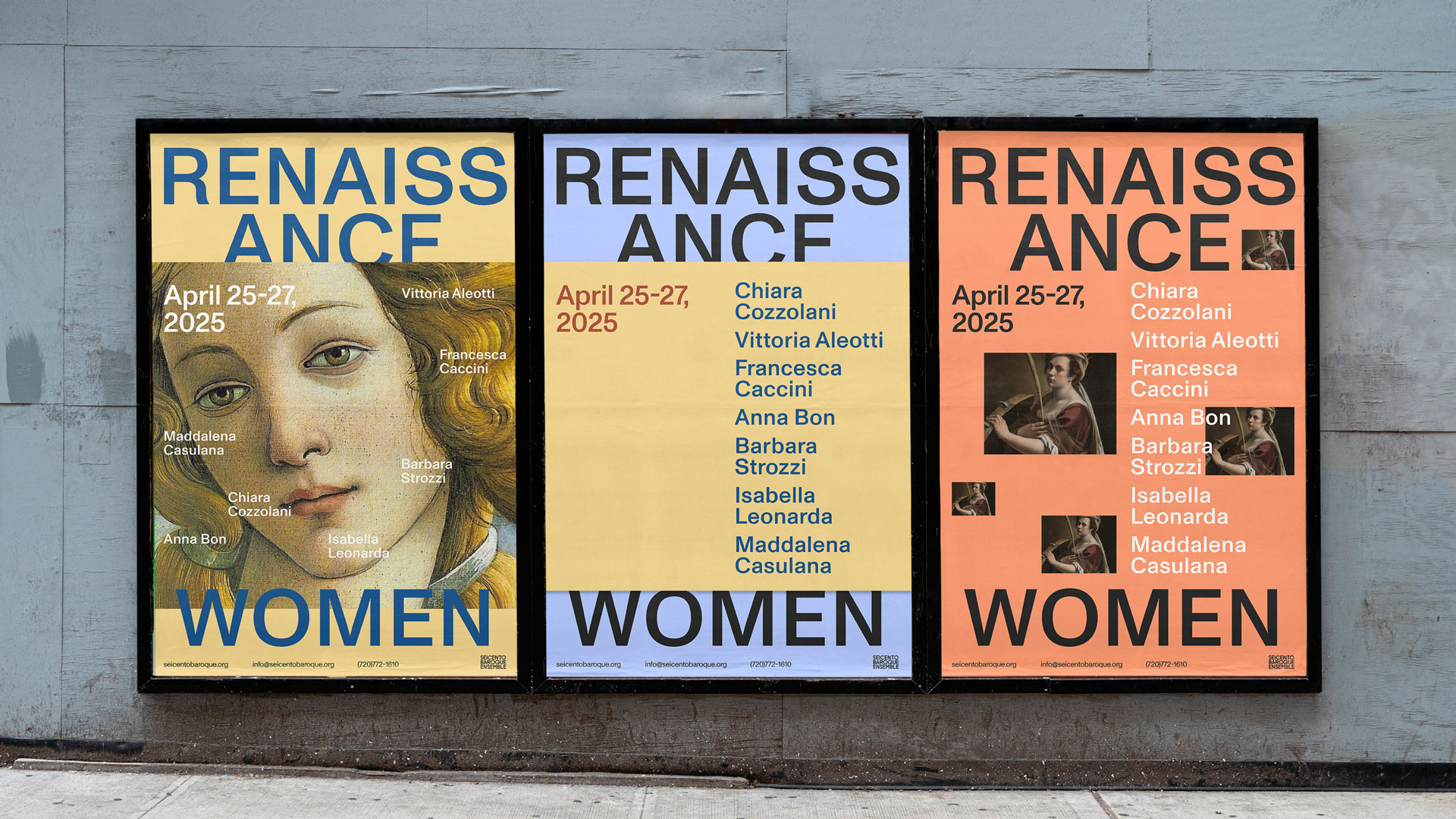
The Seicento Baroque Ensemble project was inspired by the idea of bringing Baroque music’s expressive energy into a contemporary visual form. I wanted the identity and poster system to echo the conductor’s gestures—the sweeping, precise strokes that guide the music. That became the foundation for the logo mark and typographic rhythm.
What it represents in today’s industry is the value of cultural storytelling through design. Even in a digital-first world, there’s power in grounding design in human movement, history, and craft. It shows that design doesn’t have to be trend-driven to resonate—it can draw from something centuries old and still feel fresh and relevant.
What set Seicento apart was the way it translated sound into form. Instead of simply decorating around Baroque motifs, I built the visual system from the physical act of conducting music. The logo, with its gestural strokes, becomes almost like a score in motion.
Another key element was restraint: the palette and typography were deliberately pared back so the gestural mark and rhythm of the layouts could carry the emotional weight. That balance between historical reference and modern minimalism made the work distinctive—it felt timeless but also bold enough to stand out in a competitive field.
One of the main challenges with Seicento was how to translate the richness of Baroque music into a modern visual identity without falling into clichés. A lot of Baroque-inspired design can feel overly ornamental or dated, and I wanted to avoid that.
To overcome it, I looked beyond decorative motifs and instead studied the conductor’s gestures—the fluid, precise strokes that bring the music to life. Those movements became the basis for the logo mark and the rhythm of the poster layouts. By focusing on the human energy behind the music rather than literal historical references, I was able to create a system that feels both authentic to the ensemble’s heritage and fresh for contemporary audiences.
I think the most important thing is to stay deeply connected to the why behind your work. Award-winning projects usually aren’t just beautiful—they’re grounded in a clear idea, a thoughtful process, and an authentic point of view. If you keep honing your voice and trusting your instincts, the work will naturally grow into something that stands out.
I think the biggest shift in the creative industry is how fluid and multidisciplinary it has become. Design is no longer confined to a single medium—it has to live across digital, physical, and experiential spaces, often all at once. That means designers today need to build systems that are adaptable and strategic, while still carrying strong storytelling.
Looking ahead, I hope to continue positioning myself at that intersection—where craft and clarity meet flexibility. I want to keep collaborating on projects that don’t just look good, but also help brands and organizations communicate in a way that feels human, memorable, and future-proof. My goal is to grow into a practice that bridges design thinking with cultural impact.
I think the most important thing is to stay curious and connected to the human side of our work. Creativity doesn’t happen in a vacuum—it grows when we listen to different voices, share ideas openly, and take inspiration from places outside our immediate field. For me, even something like the movement of a conductor’s hand became the seed for a whole visual identity.
To fellow creatives, marketers, and advertising professionals, I’d say: don’t be afraid to look beyond trends and find meaning in the details. The work that resonates most often comes from that balance of empathy, storytelling, and craft. When we support each other and share those discoveries, the whole community moves forward together.
The Seicento Baroque Ensemble identity translates the expressive gestures of a conductor into a modern visual system, capturing the movement and emotion of Baroque music in a way that feels both timeless and contemporary.
Looking ahead, I’m excited to keep working at the intersection of brand identity and storytelling. I’m also hoping to push my practice further by taking on work that blends research, visual craft, and long-term brand thinking. It feels like a really energizing moment in the industry, and I’m excited to be part of it.
Explore the journey of Barry Cheng, the Gold Winner of the 2025 MUSE Creative Awards. He grew up in broadcasting and went on to found Beyond Space Technology, bringing real-time virtual production beyond high-end TV and into reach for companies across industries.