Design & Inspiration
Interview with Weijing Wang, A Landscape Designer / Environmental Artist
Weijing Wang
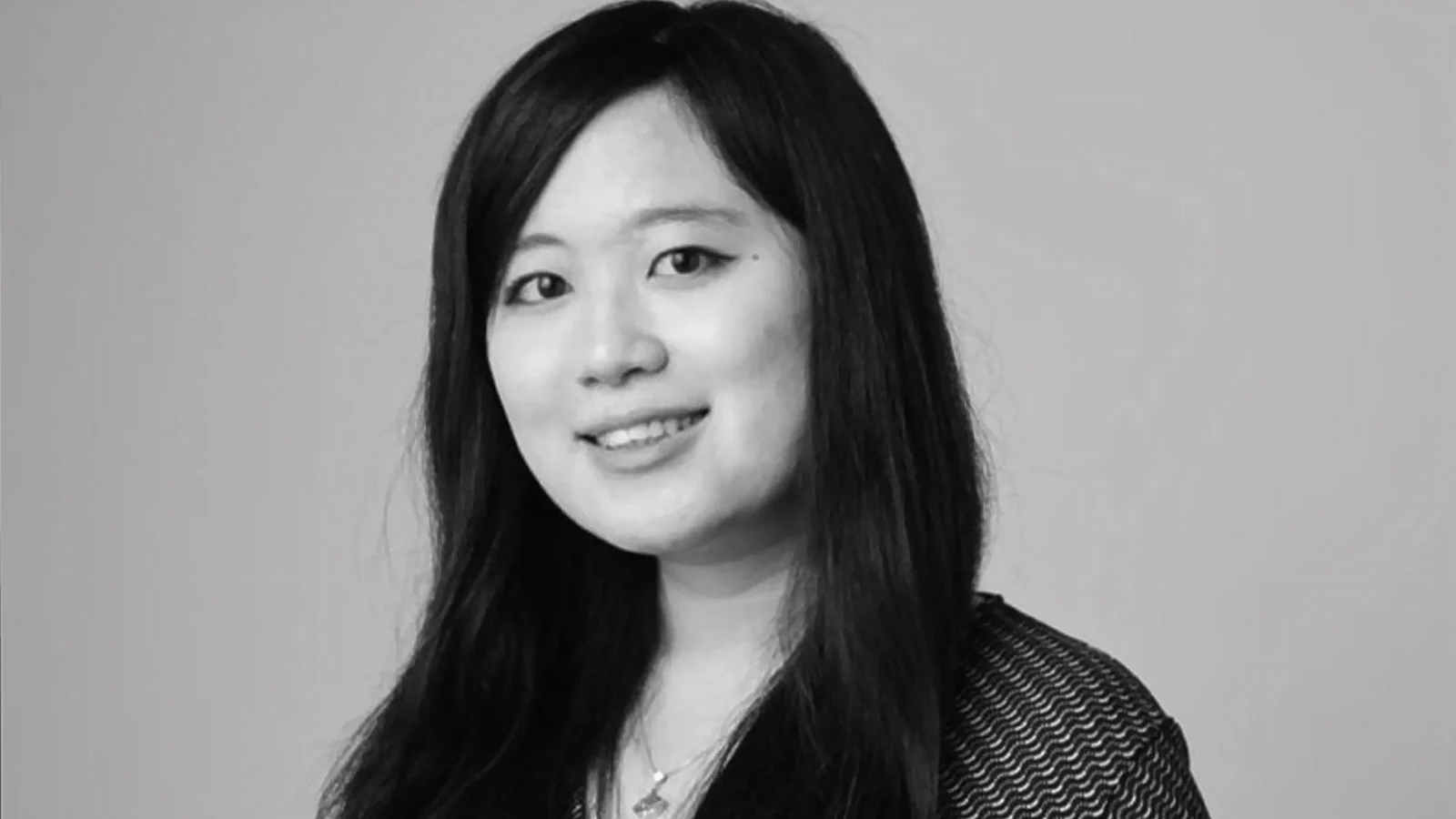
Weijing Wang is a landscape designer and environmental artist with experience across China, Europe, and the United States. She has worked at Snøhetta in Oslo, PLACE Studio in Portland, and Zhu Yufan Landscape Atelier in Beijing, contributing to projects ranging from large-scale opera houses and gardens to installation and performance art.My name is Weijing Wang but you can call me Lulu and I am a landscape designer / environmental artist practicing in China, Europe and the United States.
I have a diverse design background in both urban and landscape design, with a strong interest in culturally and artistically driven landscapes, as well as projects focused on sustainability.
I used to work at Snøhetta Oslo, Norway; PLACE Studio in Portland, the United States and Zhu Yufan Landscape Atelier in Beijing, China.
I have worked on a range of scale of landscape projects form mega opera houses and gardens to installation and performance art. Spanning three containments in my early career gives me an edge on being exposed to different culture and be sensitive to the relation between space and people.
I feel at ease while exploring in the design world, it is my way to tell stories.
Installation arts, I am always amazed by the inventive blend of material and forms.
Personally, I am more intrigued when a project has a good storyline and it aligns well with the representation. Projects that invites me to read.
First example that comes to my mind is the railroad park in Wudaokou, transformed from the old "JingZhang" rail, which encapsulate the old within the new.
I use my hands a lot and don’t mind getting them dirty in the process. I like to be on the design site to 'feel' it first, sketching inspirations while standing and observing. I also enjoy talking to local people and drawing inspiration from them.
It depends on the type of project. Usually, there is a 'concept'—the idea and main goal I want to convey with my design. I then use sketches and draft models to quickly express the concept, which could be a system diagram for larger projects or drawings for aesthetic appeal.
We then communicate with the client (or 'imaginary client') to find better solutions and ensure the construction aligns with our mutual goals.
Definitely. I love digging into Chinese calligraphy and arts for wisdoms especially for garden plantings and detail design.
I am glad to receive this honor. It's a milestone for my career.
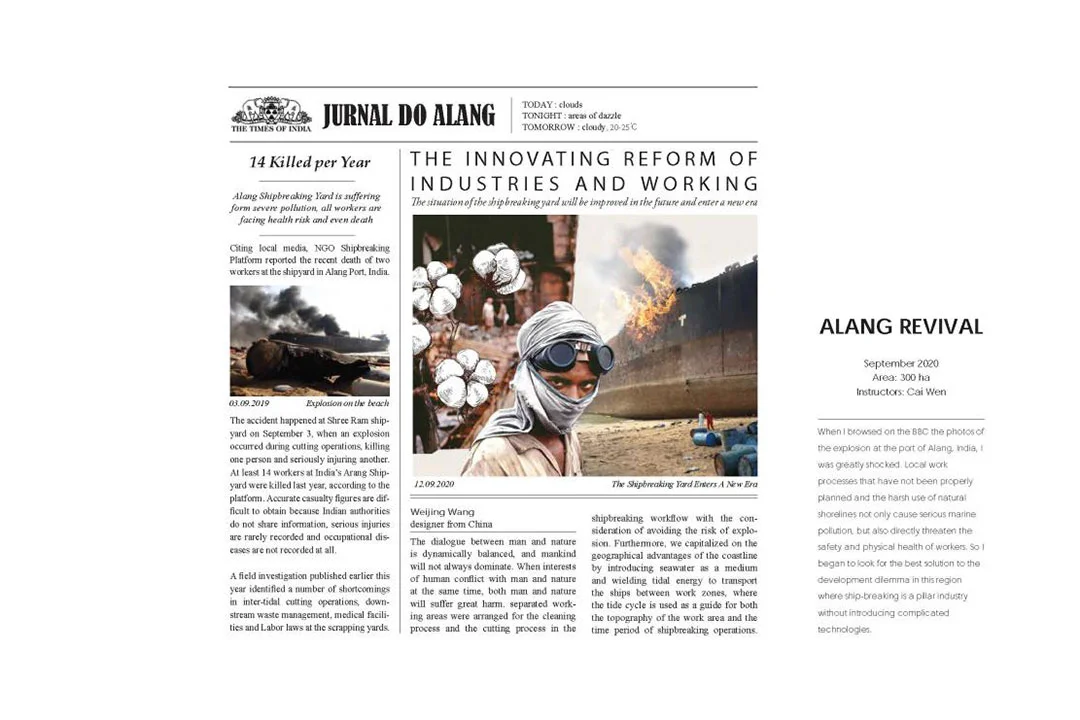
When I browsed the photos of the explosion at the port of Alang, India, on the BBC, I was deeply shocked. The poorly planned local work processes and the harsh exploitation of natural shorelines not only cause severe marine pollution but also directly threaten the safety and health of the workers.
I began searching for a viable solution to the development dilemma in this region, where ship-breaking is a pillar industry, without introducing complicated technologies. My approach combines cotton production with ship-breaking industries to create a better, safer, and more sustainable system for the locals.
The project aims to modify the shoreline with a series of 'feather islands' extending from the coast, incorporating cotton farms and other industrial infrastructures to optimize the workflow of both industries. These 'feather islands' are designed to accommodate ships of various sizes, allowing them to be pre-cleaned and dismantled. They are also contoured to utilize tidal forces, assisting in towing ships ashore.
With its aesthetic and technical innovations, the project has the potential to significantly contribute to sustainability and, most importantly, save lives.
I spent a lot of time researching waste management and making problem solving diagrams. There are quite a few struggles on finding a proper link between the two industries and optimizing the ship-breaking workflow, which is a new and challenging subject for me to learn.
Winning this award helps me with getting more acknowledged in the field and have my work published.
First, the people I love working with and have friendships with.
Second, the nuances of interpretation.
Third, creating possibilities for the public.
China is a country with a rich history and ancient architecture and landscape, which makes designers easier to learn from old wisdoms for aesthetics and methodologies.
I feel that the industry is reaching a turning point, shifting from focusing on new projects to prioritizing preservation and restoration.
Don't be afraid to submit your works! It is better not to procrastinate.
Travelling, in my opinion, is the best way to learn design.
I have had 14 cats.
Egon Schiele. I greatly enjoyed his paintings while studying in Europe. I made some copies of his works to help develop my own style.
Curiosity. I would describe myself as a person who is always hungry for knowledge and craves new stimulation, it helps me to dive into anything that interests me and I find myself starting new hobbies easily.
Winning Entry
Read more about this interview with Yue Hu from the United States, the Silver Winner of the 2024 MUSE Design Awards.
ADVERTISEMENT
Latest Posts
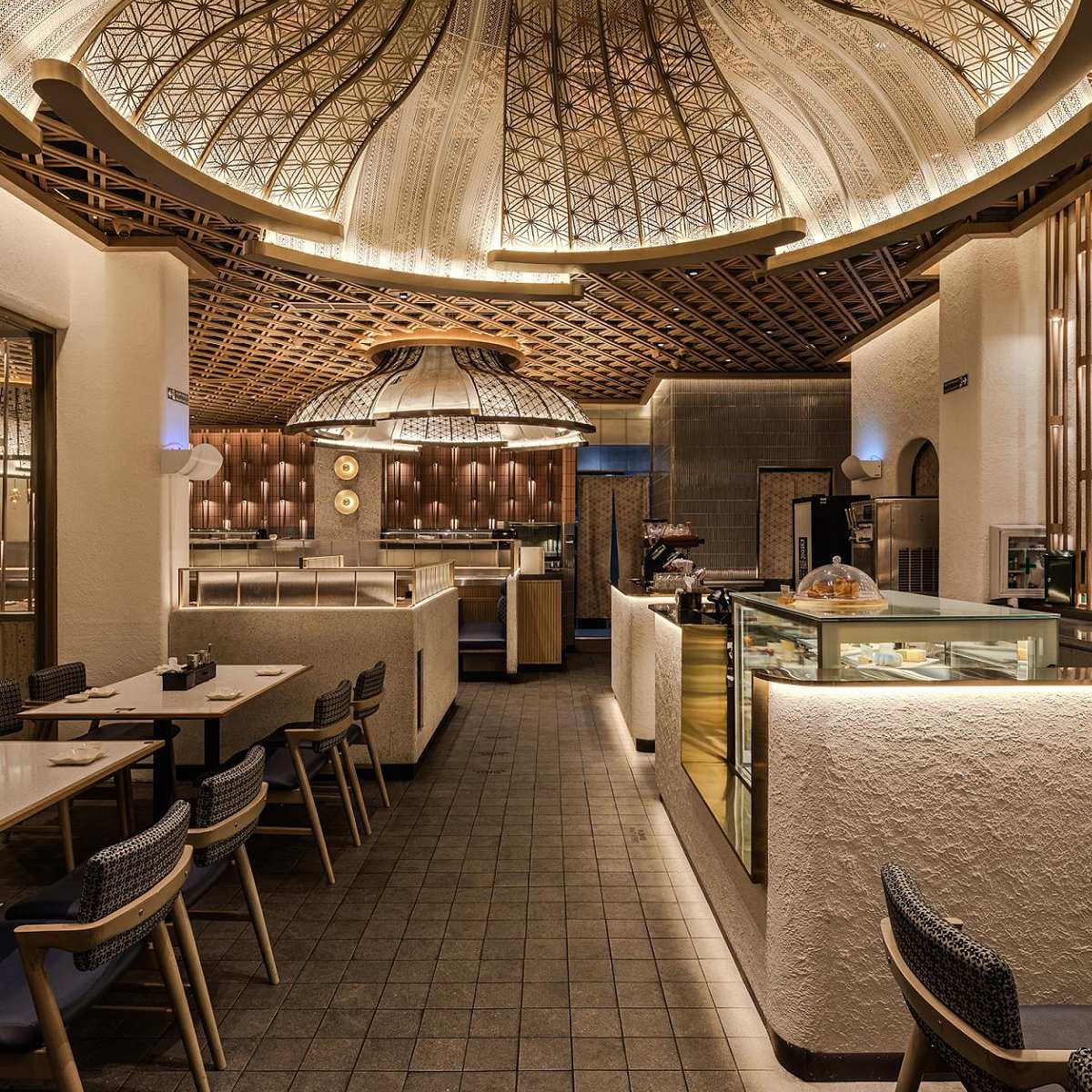
MoMo.Co.,Ltd. Creates a Refined Dining Environment for Sushi Tei Jawa
SEPTEMBER 28, 2026
2026 Global Photography Awards Reveals Photographers of the Year an...
SEPTEMBER 25, 2026
How Many Awards Should You Enter? (Strategy Guide)
SEPTEMBER 23, 2026
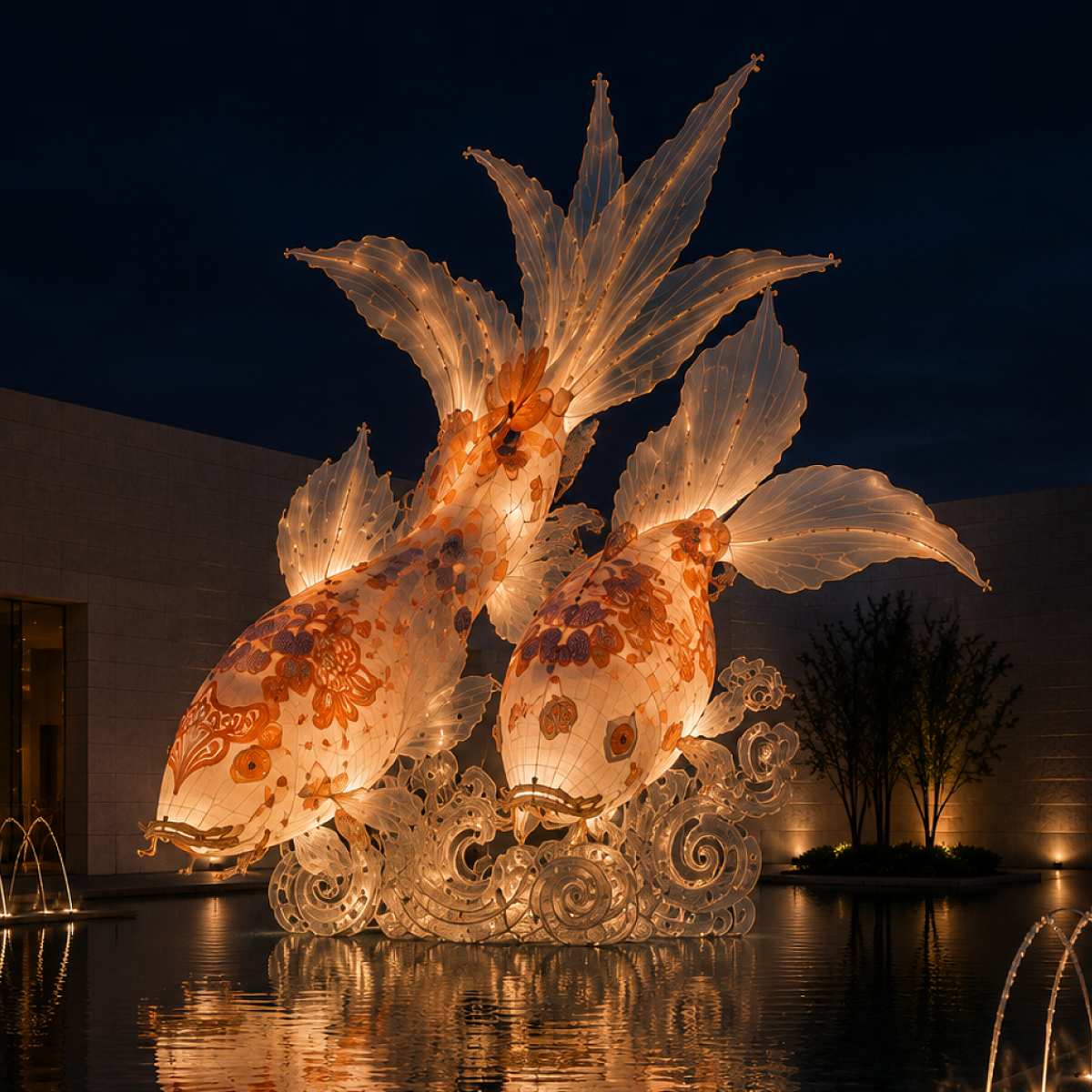
Interactive Light Installation: Before Fish Become Birds Creates a ...
SEPTEMBER 22, 2026
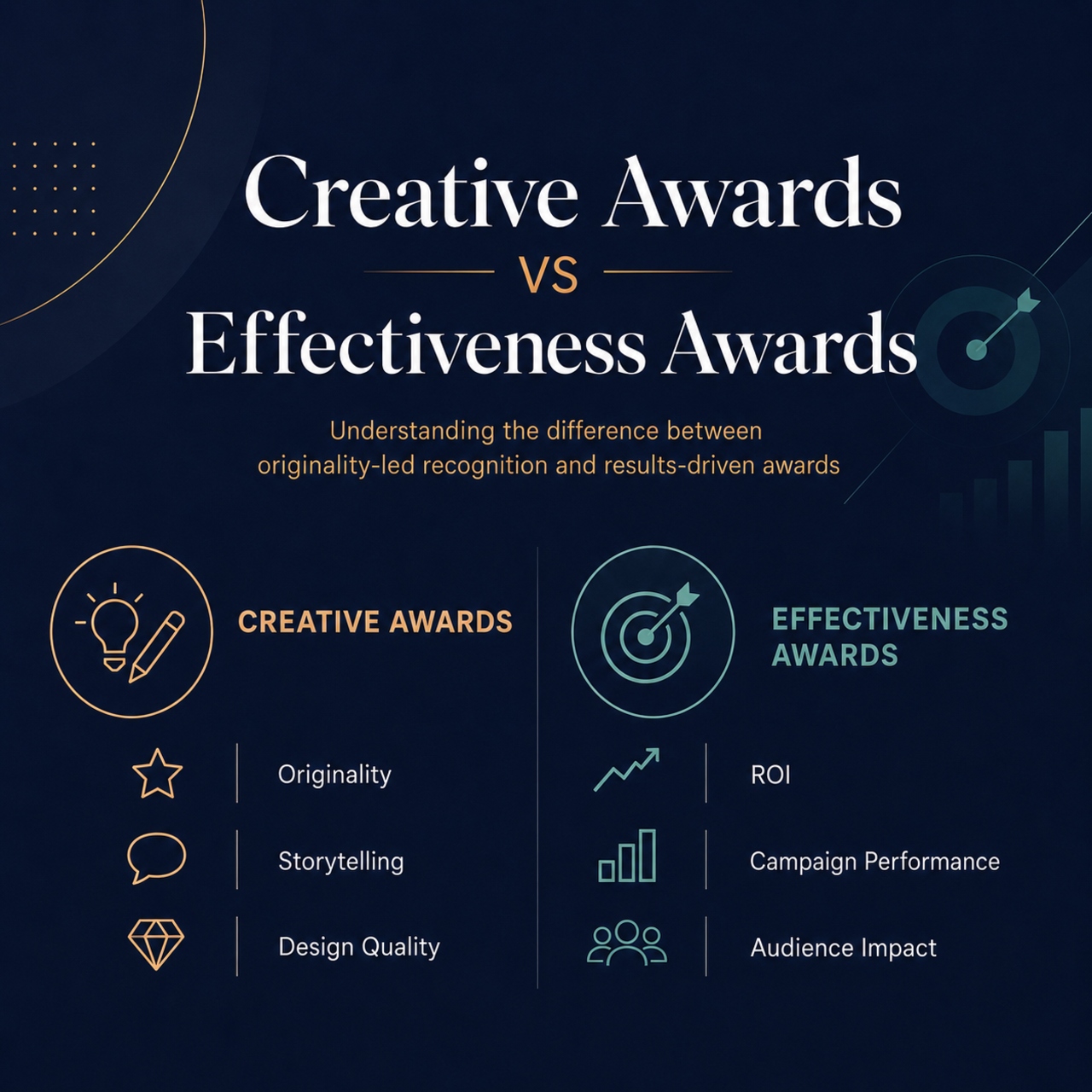
Creative vs Effectiveness Awards | Key Differences Explained
SEPTEMBER 21, 2026

Tonic DNA Brings Highmark’s (un)Hungry Community Story to Life Thro...
SEPTEMBER 17, 2026
Marketing Awards for Startups | Small Business Awards Guide
SEPTEMBER 16, 2026
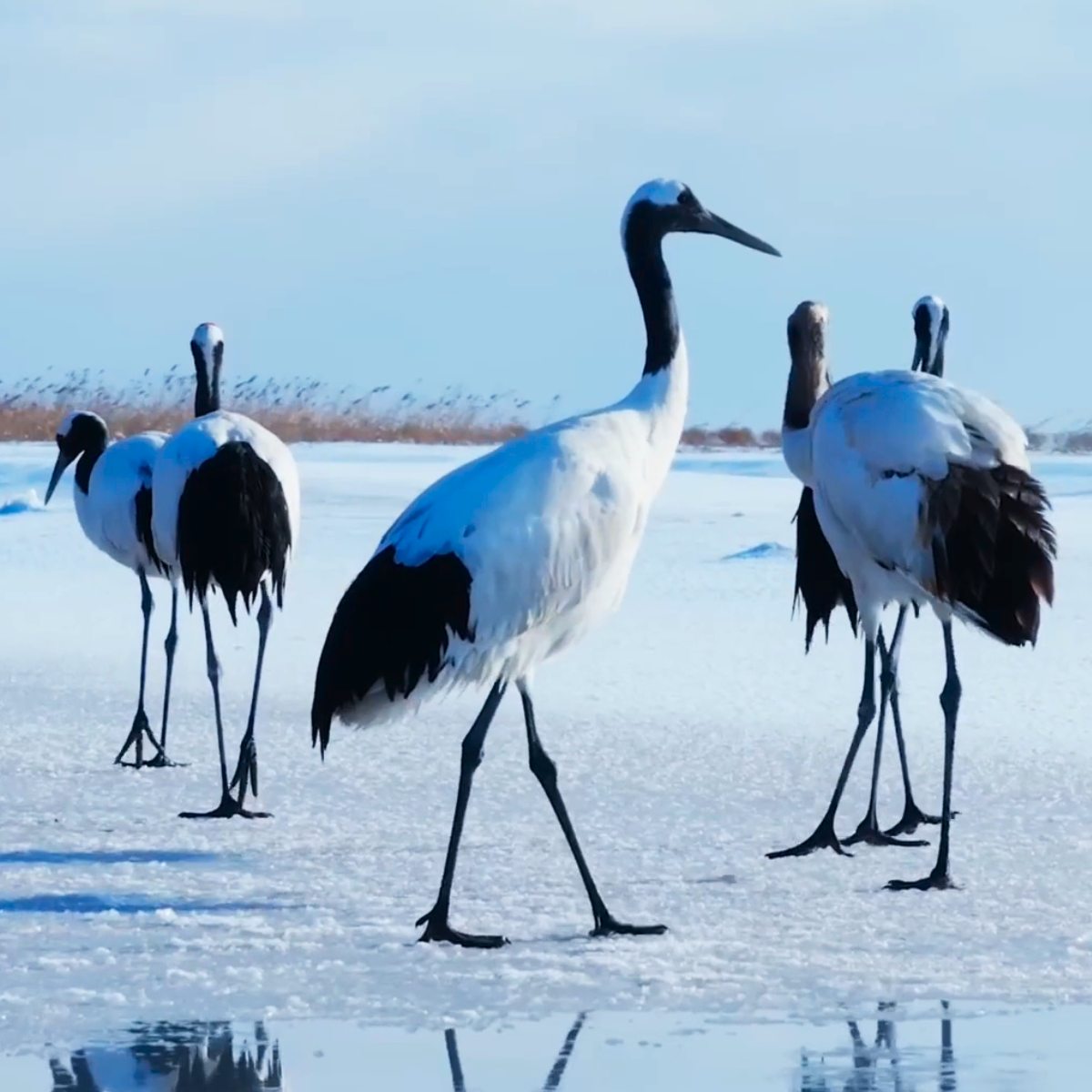
National Geographic, SDRATS & CICC Capture Life at the Yellow River...
SEPTEMBER 16, 2026
2027 French Design Awards Opens Global Entries for Design Excellence
SEPTEMBER 15, 2026
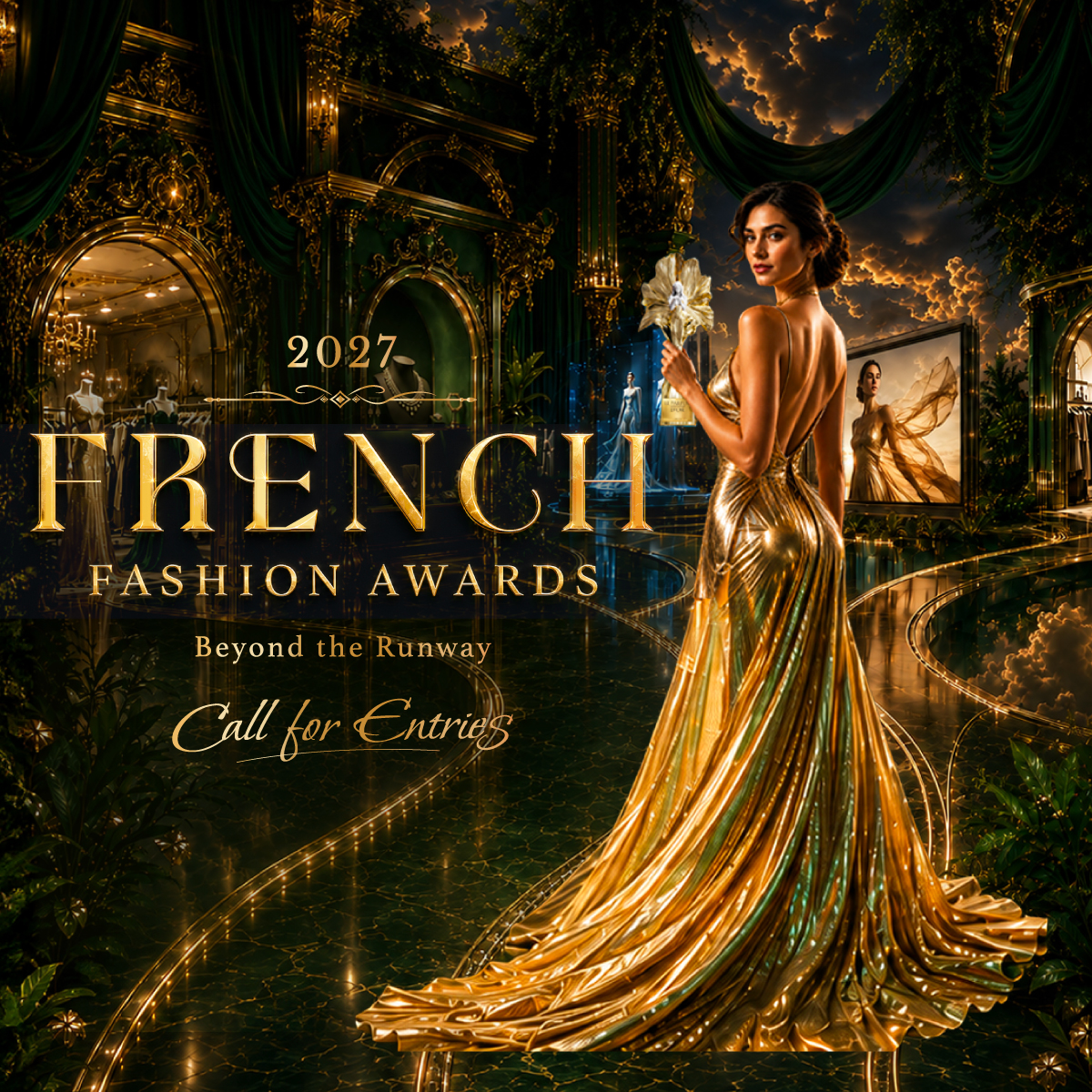
2027 French Fashion Awards Opens Global Call for Entries
SEPTEMBER 15, 2026


IAA GLOBAL AWARDS
MUSE Awards
Vega Awards
NYX Awards
TITAN Awards
- TITAN Business Awards
- TITAN American Business Awards
- TITAN Property Awards
- TITAN Women in Business and Leadership Awards
- TITAN Health Awards
- TITAN Innovation Awards
- TITAN Brand Awards