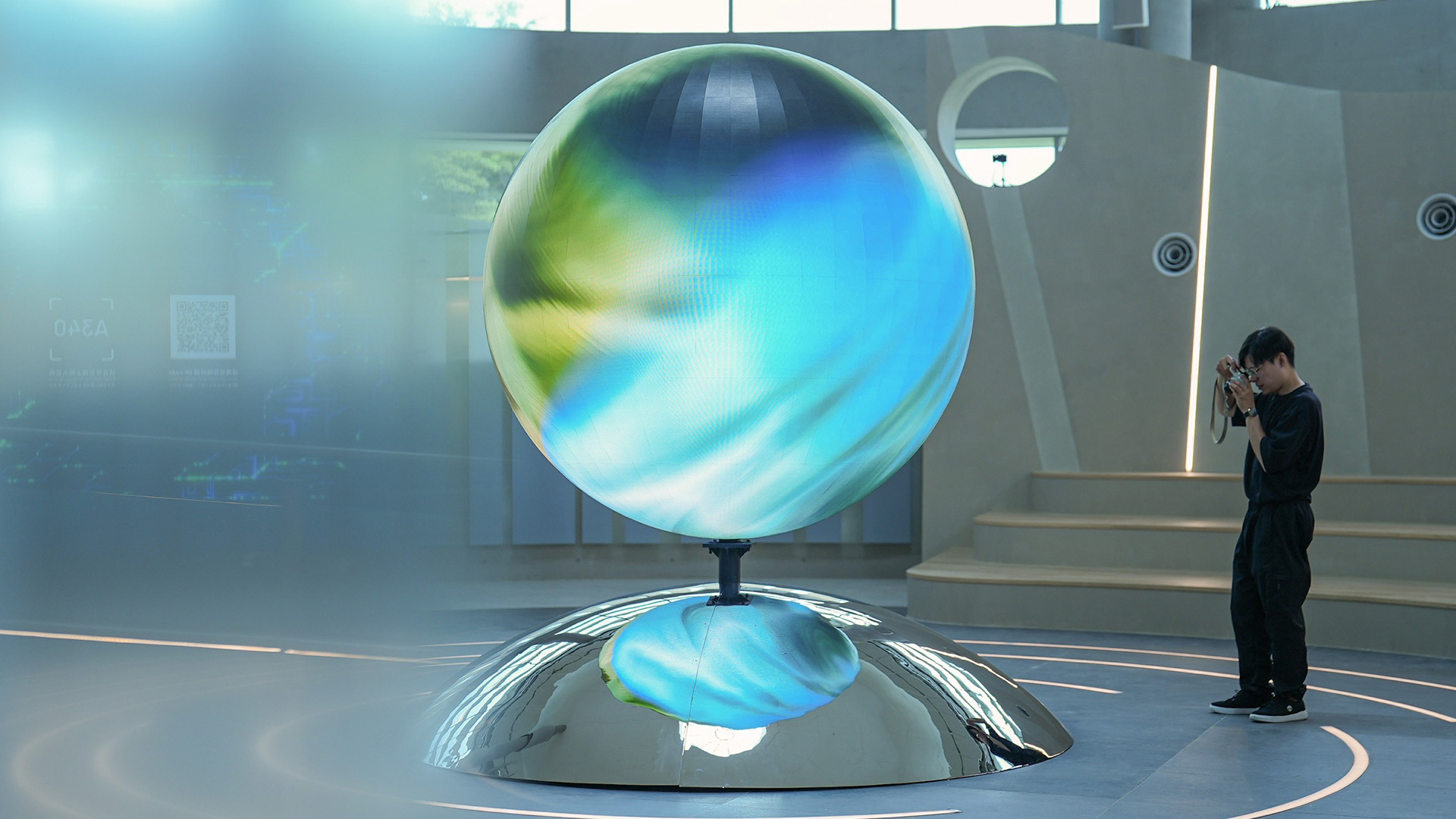
Circular Economy & Recycling Innovation Center
In response to the urgent challenges of climate change, the semiconductor industry has been pioneering...
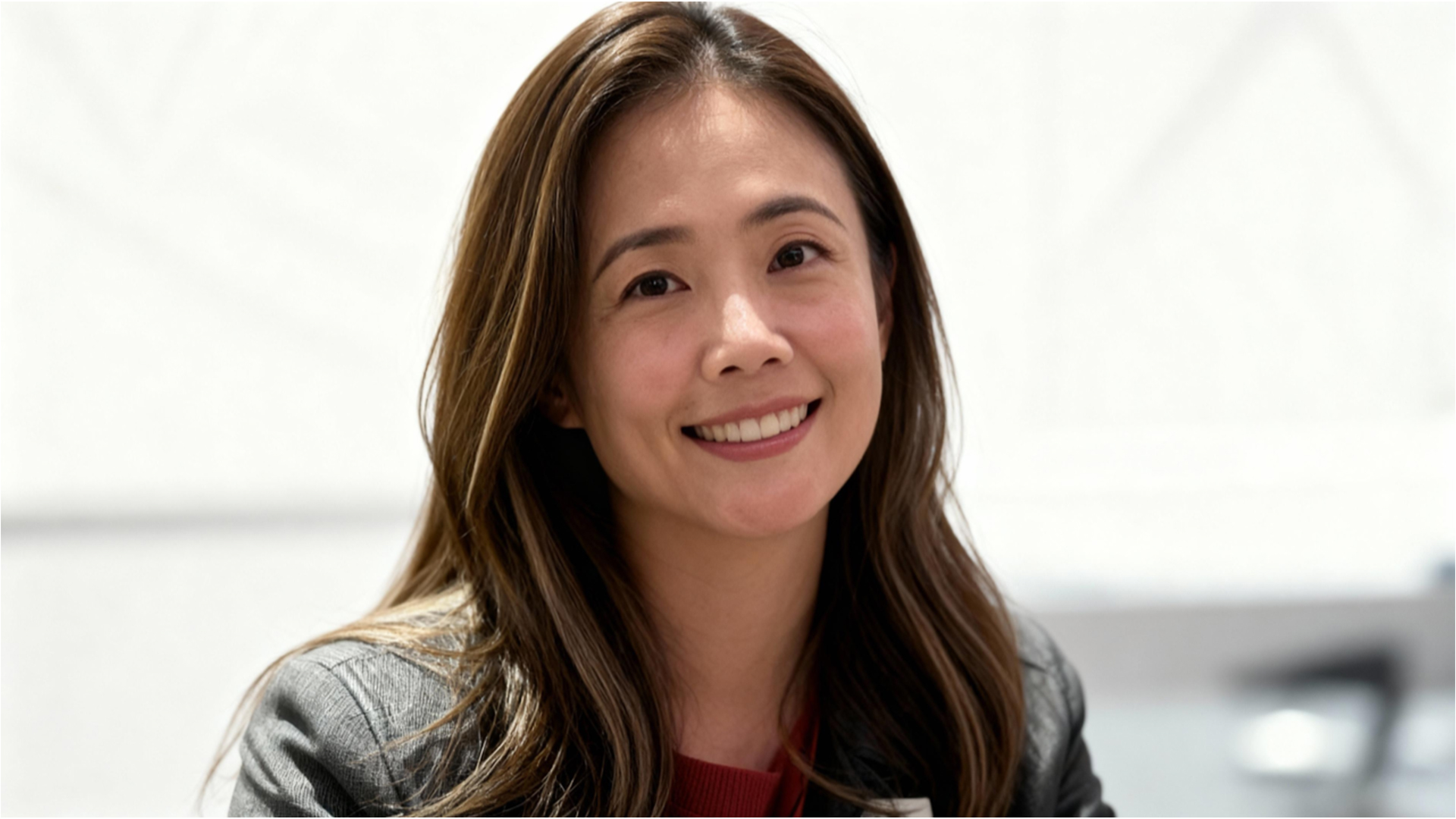
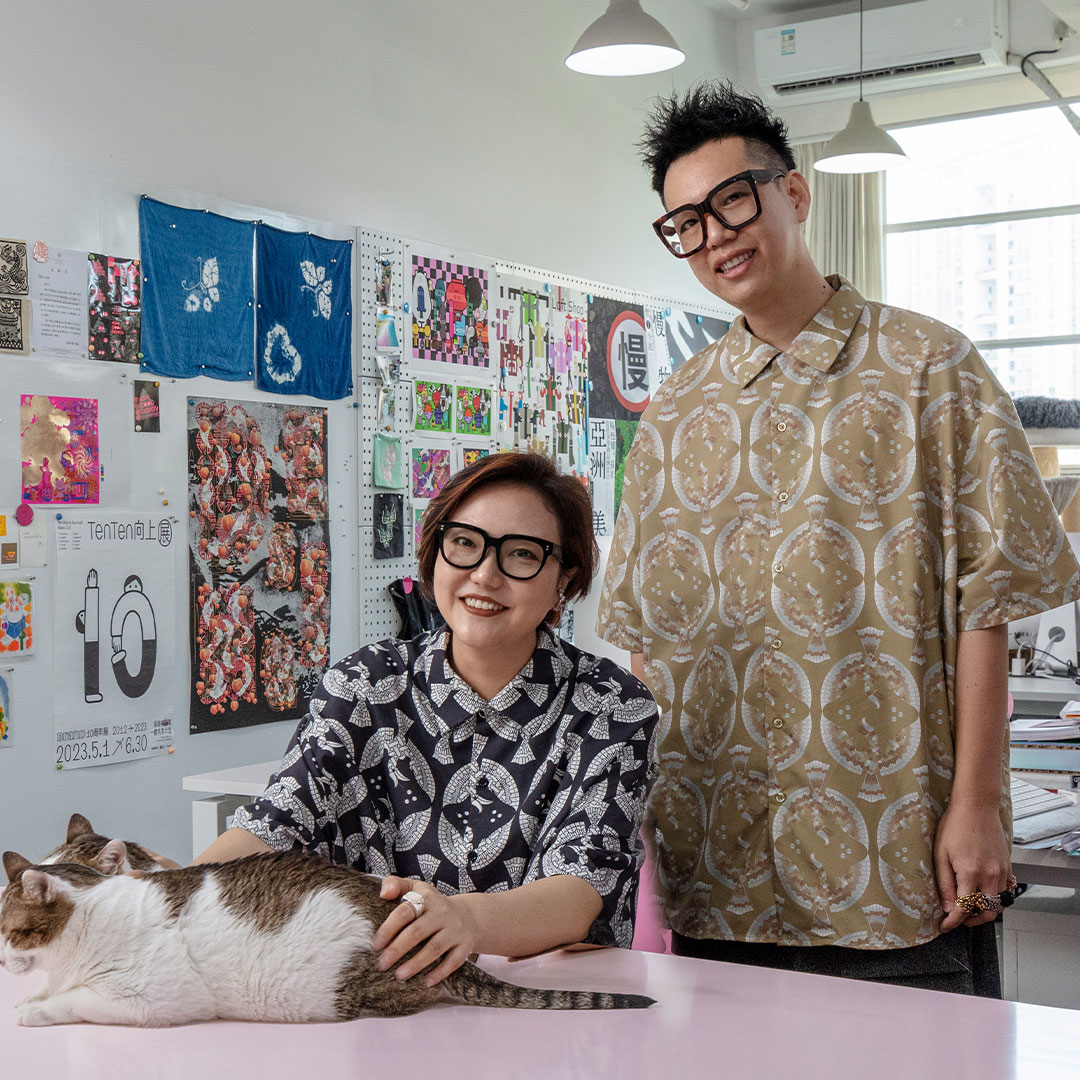
My name is Kai Tzu Lu, the founder and creative director of DigiPuppet Design, an immersive experience studio focused on sustainability, education, and data-driven spatial storytelling. With a background that bridges interaction design, exhibition storytelling, and digital media, I have always been fascinated by how space can communicate ideas and transform behavior.
My journey into this field began with a belief that exhibitions can be more than static displays—they can move people, teach people, and inspire people to act. Over time, I became deeply involved in projects related to environmental education, circular economy, cultural storytelling, and experiential learning.
That eventually led me to establish DigiPuppet, where our mission is to turn complex topics—like climate change, recycling systems, and cultural narratives—into memorable, interactive experiences that spark awareness and curiosity.
Today, our work integrates immersive storytelling, sensor-based analytics, and sustainable design strategies to serve museums, technology brands, public institutions, and educational spaces. Whether for a school, a city, or a global enterprise, our goal remains the same: to create meaningful spaces where design drives understanding, participation, and positive change.
We decided to submit this project because we believe design has the power to influence culture, especially on urgent topics like sustainability and the circular economy. This work was not just an exhibition—it was an effort to translate complex environmental technology into an experience that inspires awareness, responsibility, and action. We felt the MUSE Creative Awards, with its emphasis on creative excellence and global impact, was the right platform to amplify that message.
Winning the Gold Award is both an honor and an affirmation. Personally, it strengthens my confidence in pursuing meaningful design—design that not only looks beautiful, but also sparks conversation and drives change.
Professionally, it validates DigiPuppet Design’s direction and encourages our partners, clients, and collaborators to continue investing in sustainable and educational experiences. This recognition motivates us to go further, push boundaries, and create work that contributes positively to our industry and our planet.
The success of this project began with a simple but powerful question: How do we turn highly complex semiconductor recycling technology into a story that anyone—from students to industry experts—can understand within minutes? The semiconductor process produces materials like calcium fluoride sludge, ammonium sulfate, and copper sulfate—substances that are often seen as “waste,” but can actually be transformed into valuable resources and sold back into new industries.
We spent significant time with engineers, environmental teams, and industry specialists to truly understand these processes. Only after studying how wastewater is purified, how chemical by-products are recovered, and how these materials are reused in other supply chains could we begin to simplify the narrative. Our goal was not to show every step, but to clarify the meaning behind it.
The exhibition uses visual metaphors, circular flow diagrams, tactile materials, and interactive storytelling to break down complicated engineering into intuitive moments of understanding. Instead of technical documents, visitors experience a clear cycle: waste → extraction → transformation → new value. By turning science into a story, we help audiences feel the impact of circular design—not just learn about it.
In today’s industry, where sustainability is no longer optional, this project represents a shift in mindset. It demonstrates that transparency, education, and environmental responsibility can coexist with high-tech innovation. When brands open up their process and invite society to learn, trust grows, impact spreads, and sustainability becomes a shared mission—not just a corporate slogan.
What set this project apart was our commitment to clarity, immersion, and purpose. Many sustainability exhibitions focus on data, statistics, or technical diagrams that overwhelm audiences. We took the opposite approach. We distilled a highly complex semiconductor recycling system into a simple, story-driven journey that anyone could understand in under a minute—without losing scientific integrity.
In a competitive field, our project stood out because it bridged technology, education, and environmental responsibility through design. It proved that sustainability communication can be scientifically accurate, emotionally compelling, and visually captivating—all at the same time.
One of our biggest challenges was not design itself, but building trust as a small studio working with a highly technical, large-scale client team. At the beginning, it was difficult for them to believe that a creative studio could truly understand semiconductor waste systems or communicate such complex processes responsibly.
To overcome this, we committed to deep communication and transparent visualization. We spent time with engineers, aligned with different departments, and continuously transformed technical details into visual storyboards, immersive spatial mockups, and UI simulations.
By making every idea visible and tangible early in the process, we reduced uncertainty, built confidence, and demonstrated that we could convert engineering knowledge into meaningful user experiences.
Over time, trust grew—not through claims, but through clarity, patience, and consistent delivery. The final exhibition successfully communicated the recycling journey in a way that was both accurate and easy to understand for all audiences.
Winning the MUSE Award became a powerful affirmation—not only of the project itself, but of our studio’s professional capacity, resilience, and belief that small teams can achieve big impact when they stay committed to vision and communication.
Winning a Gold Award is more than a milestone—it is a turning point for our studio. In the past, our work focused primarily on design execution. Today, this recognition reinforces our evolution toward a studio that combines data-driven insight, sustainable environmental thinking, and immersive storytelling to shape more meaningful spatial experiences.
In the long run, I hope this achievement will strengthen our credibility as a partner—not just for aesthetics, but for strategic, research-based, and sustainability-focused experience design. For our team, it is a source of confidence and motivation, proving that a small studio can influence important conversations such as the circular economy, environmental education, and climate awareness. For our clients, it signals that investing in purposeful design creates real cultural value, not just visual impact.
We have already begun to see doors opening—new collaborations, inquiries from organizations that care about sustainability, and greater trust when discussing data, measurement, and long-term environmental value.
This award is not an ending, but a beginning. It encourages us to continue growing as a studio that measures impact, inspires behavior, and designs for a more sustainable future.
The reactions from our client, audiences, and partners have been overwhelmingly encouraging. For the client’s internal team—especially the engineers and sustainability officers—the exhibition became a proud moment. Many told us that for the first time, their invisible work was made visible, understandable, and emotionally resonant to the public. That meant a great deal to us.
Educators and students also responded with curiosity and excitement. Teachers shared that the exhibition helped them explain difficult environmental topics in a way that felt concrete and inspiring, not abstract. When we saw students touch the materials, follow the circular flow, and say, “So waste can become new resources?”—that was a moment we will never forget.
One of the most memorable moments came shortly after the announcement, when the client’s executive team told us, “This exhibition didn’t just show our process—it gave our sustainability mission a voice.” That feedback reaffirmed why we do this work. For our team, it proved that design can bridge complexity and clarity, industry and education, purpose and emotion.
My advice is simple: go beyond “making” and focus on “meaning.” Award-winning work is not just visually impressive—it has clarity, purpose, and impact, whether in sustainability, experience design, or any creative industry.
Success is not about chasing awards—it’s about creating work that deserves them. When your project genuinely serves people, recognition becomes a natural extension, not the goal.
The creative industry is evolving rapidly—from spatial storytelling and emerging technology to data-driven decision-making and sustainability-focused design. Today, audiences no longer want to simply look at content; they want to participate, interact, measure, and understand.
I see this shift as an exciting catalyst because it pushes us to design experiences that are not only immersive but also accountable, educational, and environmentally responsible. Ultimately, I hope our work can prove that creativity is not just decoration—it is a force that shapes values, accelerates understanding, and helps build a more sustainable future.
For many young designers or small studios, entering awards can feel intimidating—especially when you don’t have years of experience or a large portfolio. But I believe growth happens through “doing by learning.” Confidence is built through action, not waiting.
By participating, you gain visibility, feedback, and momentum. And even if you don’t win at first, you win experience, self-awareness, and a clearer path forward. Over time, those steps will shape not just your portfolio, but your voice, purpose, and direction as a creator.
Creativity is not a competition of scale—it is a journey of growth. To fellow creatives, marketers, and advertising professionals, I would say this: don’t measure yourself against large agencies; measure yourself against your previous self. The true benchmark of creative progress is not how big you are, but how much you’ve evolved in your thinking, your craft, and your purpose.
We thrive as a community when we support each other, share knowledge, and push forward together. Celebrate small wins. Stay curious. Keep experimenting.
And remember that meaningful ideas can come from any stage, any team, any city, and any background. When we focus on consistent self-improvement—not comparison—we unlock the kind of creativity that moves industries, influences culture, and inspires change.
Although I am honored to receive this award, it truly belongs to our team. I would especially like to thank Yang, Ting-Shuo (Ashuo), who led the exhibition spatial simulation from the very beginning. From the first proposal to the final execution, we faced many moments of uncertainty, revision, and intense problem-solving. The process lasted over half a year, and throughout it all, he remained consistent, reliable, and deeply committed—always delivering on time and always searching for a better solution.
His dedication, creative discipline, and collaborative spirit were essential to this project’s success. I am grateful to have him as a partner from day one. This achievement is not just mine—it is ours.
Our award-winning entry is “a story that transforms complex semiconductor recycling technology into an immersive and accessible experience, inspiring audiences to understand and embrace sustainability,” because it turns invisible processes into visible impact and makes environmental responsibility easy for everyone to grasp.
Next, I am excited to be working on a new immersive exhibition with the National Museum of Natural Science, focusing on climate change and the coexistence between humans and nature.
This project will continue our mission of transforming urgent environmental topics into meaningful spatial experiences that educate, engage, and inspire action. Our goal is to create a journey where visitors not only learn about climate issues, but also feel a personal connection to the planet and understand the role each of us plays in shaping a sustainable future.
Looking ahead, we will keep advancing our work in data-driven design, environmental storytelling, and sustainable spatial experiences—collaborating with institutions, educators, and forward-thinking organizations that share a vision for positive impact.
We believe creativity can accelerate cultural change, and we are committed to using design as a catalyst for awareness, responsibility, and hope.