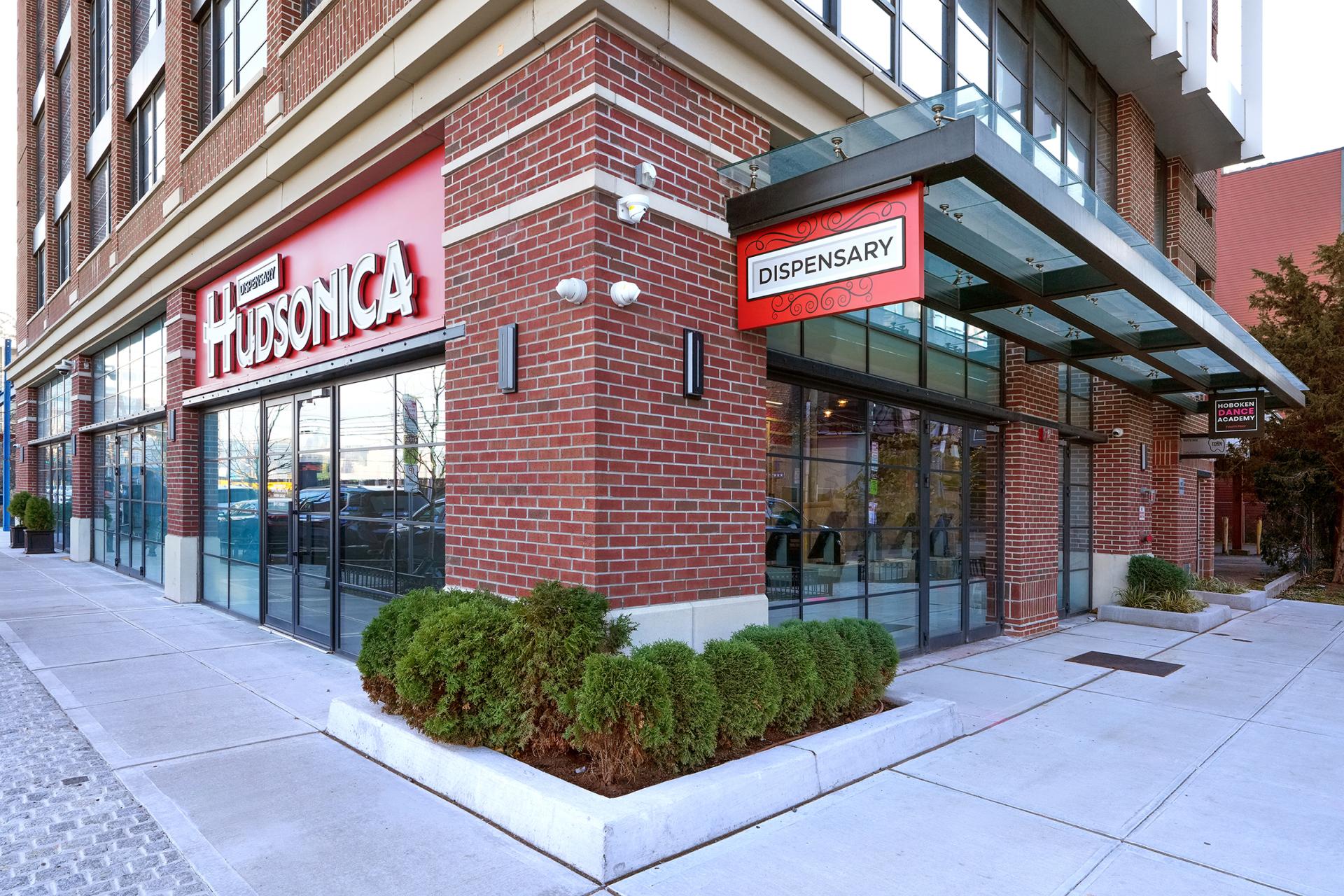
Hudsonica Dispensary
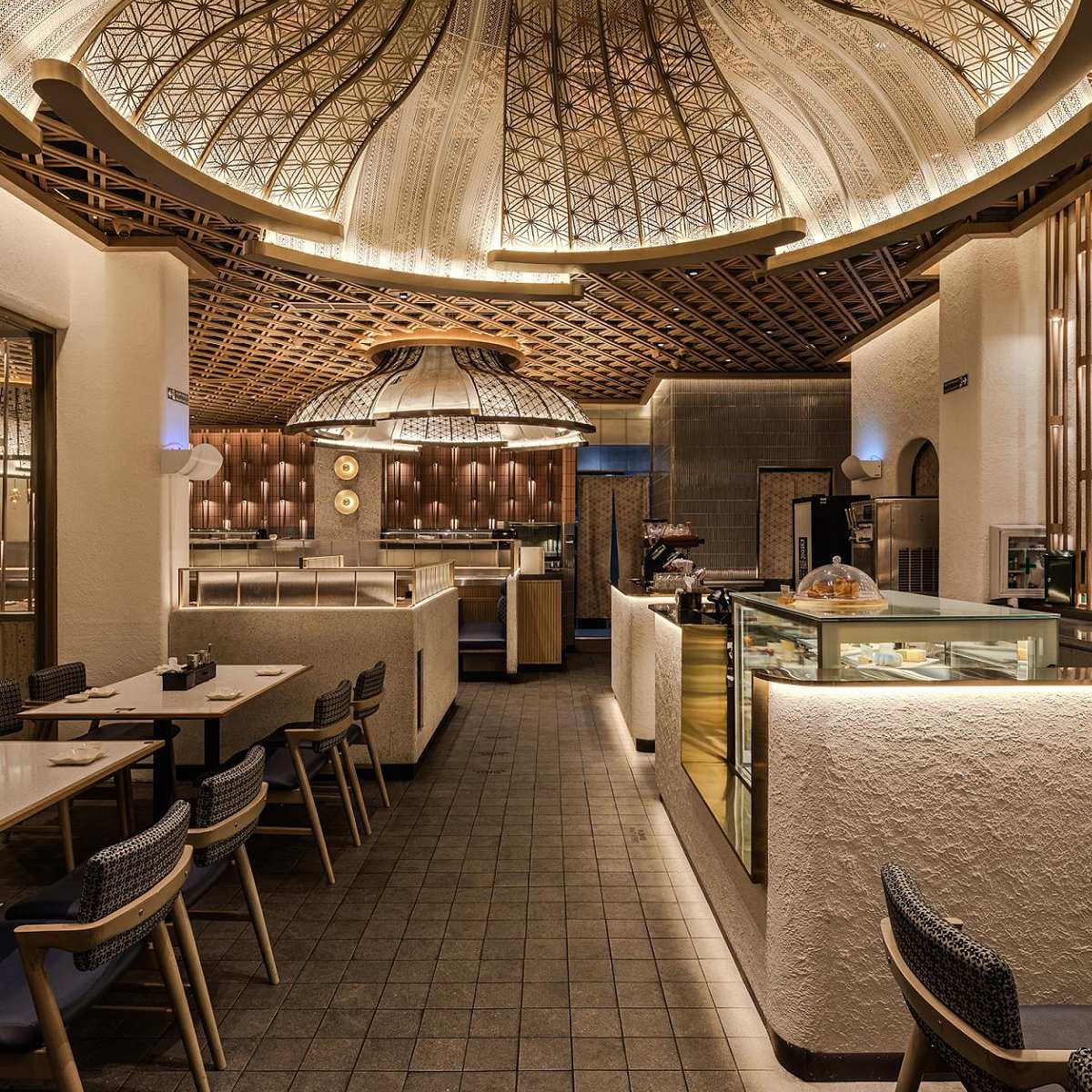
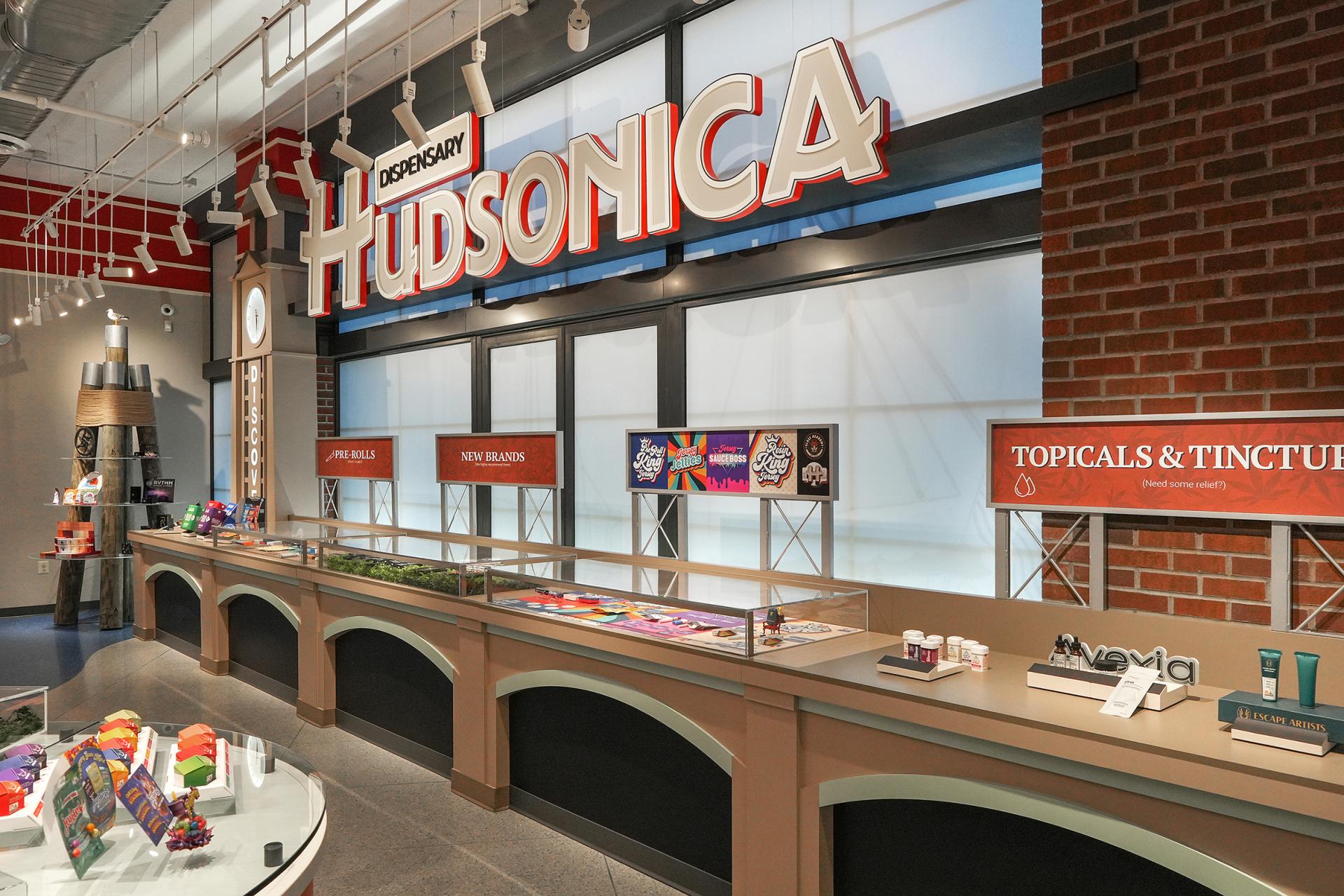
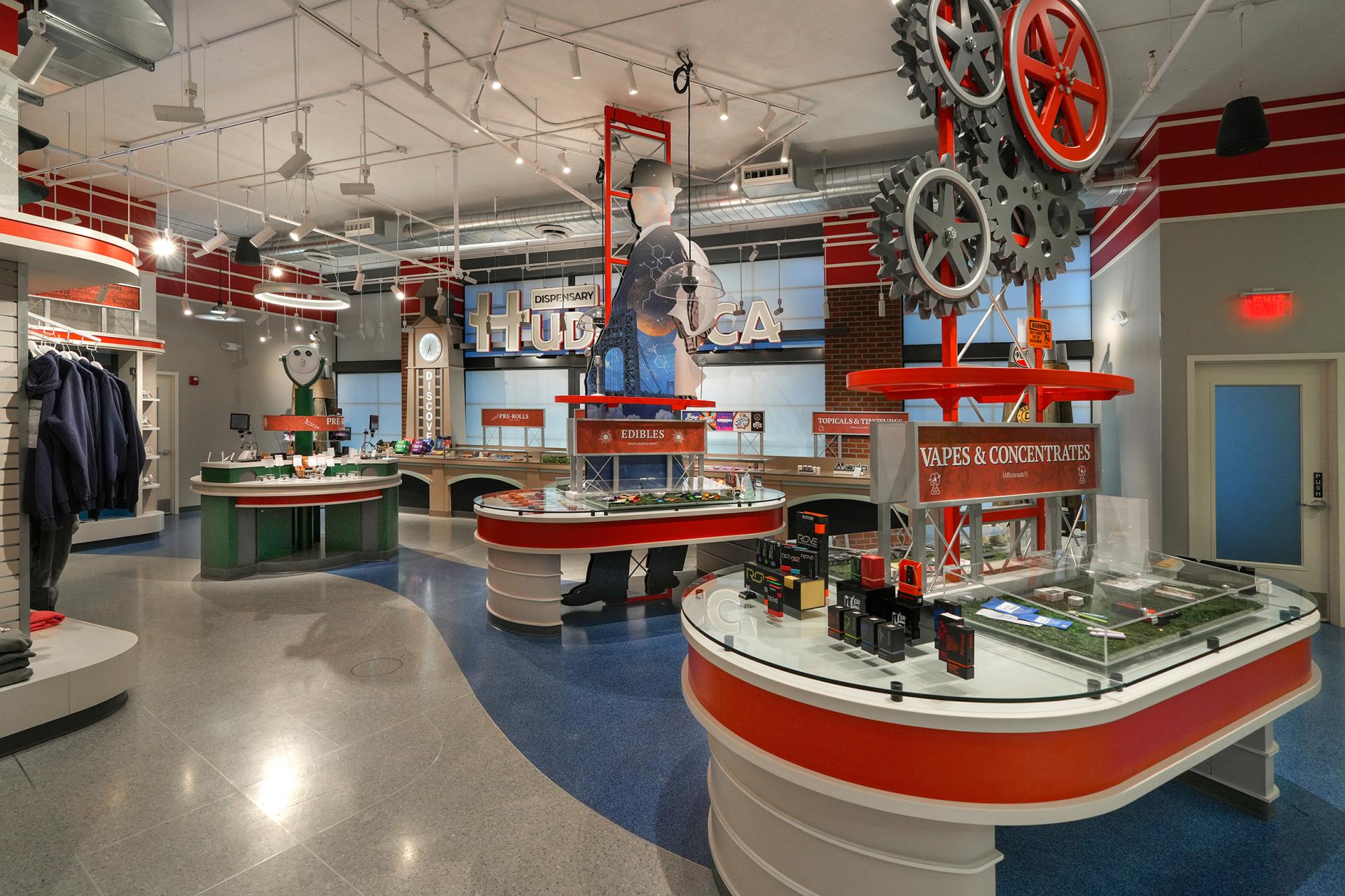
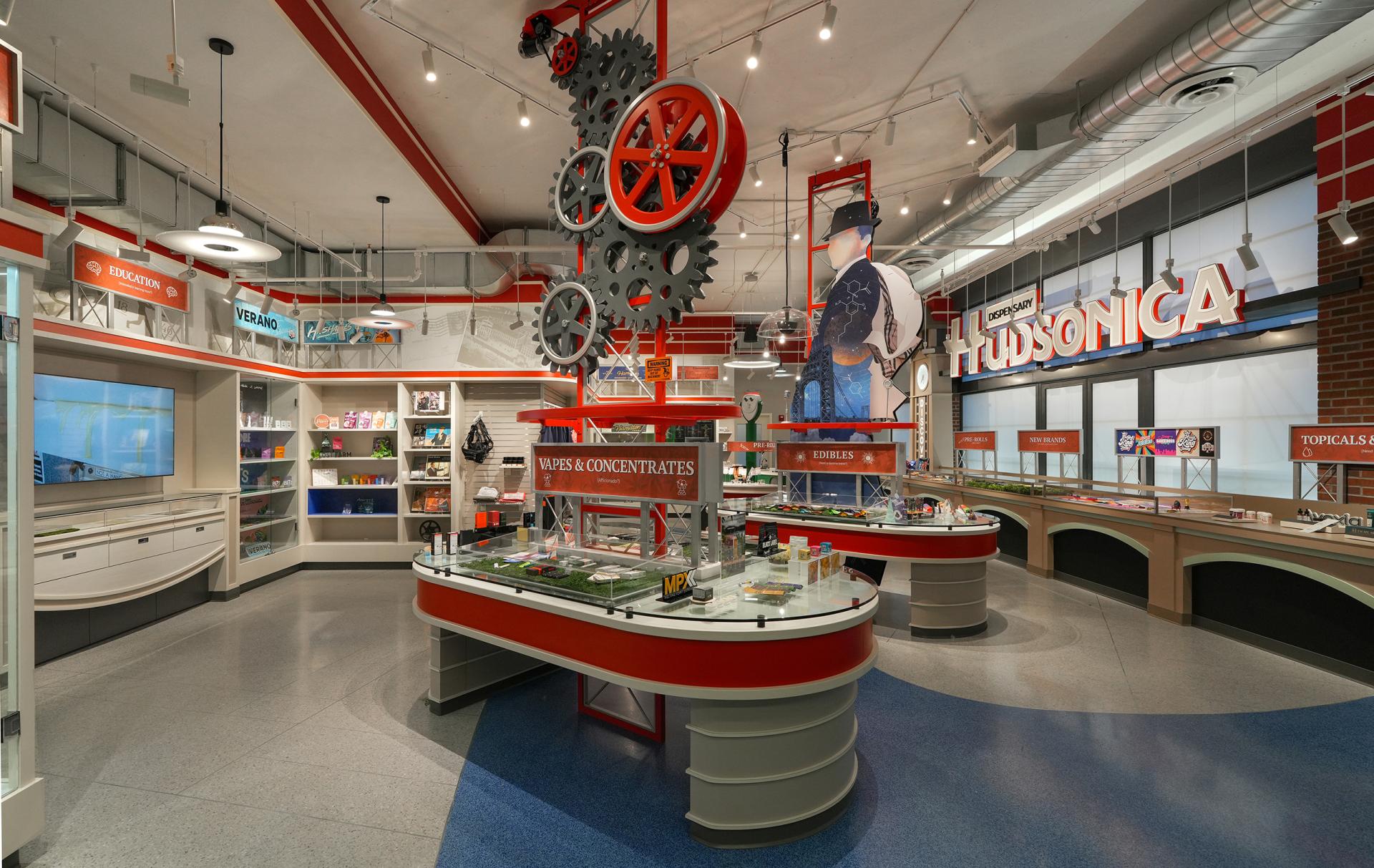
Hudsonica, a Hoboken, New Jersey-based cannabis dispensary, opened in 2025. Our client desired a licensed,...
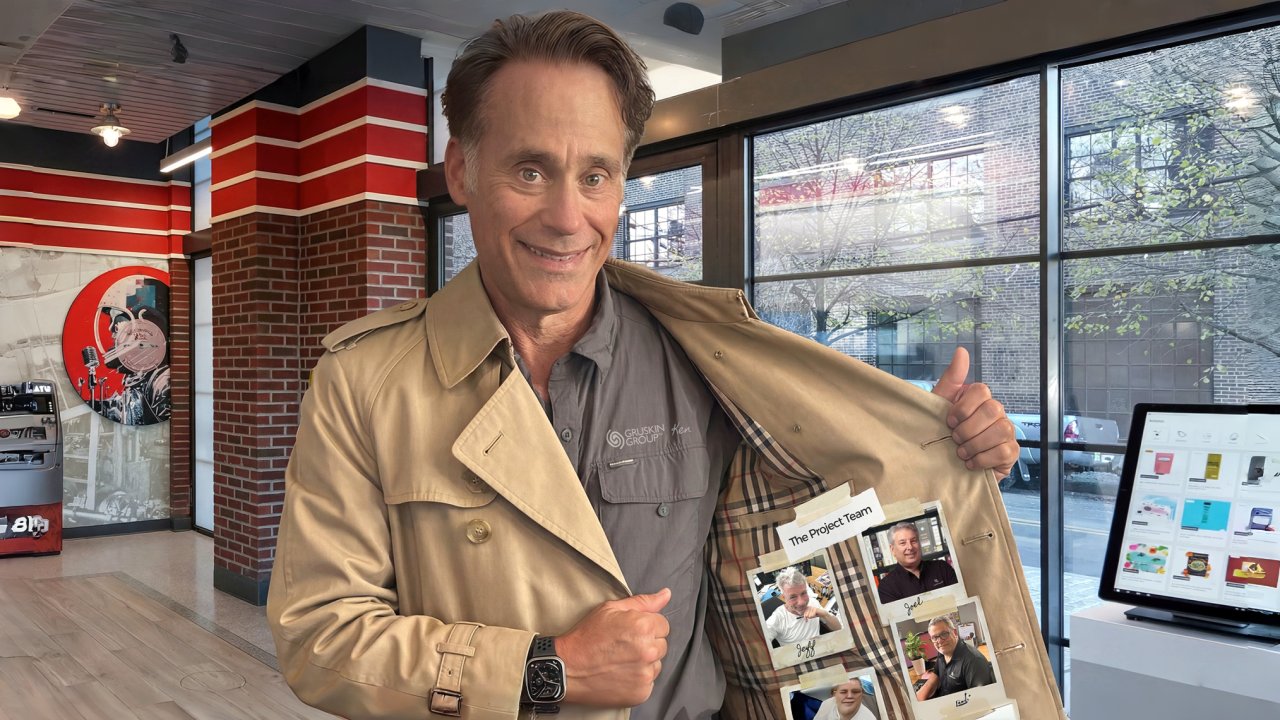
Kenneth Gruskin, Principal at Gruskin Group, plays a key role in leading the firm’s integrated approach to architecture and design. His work reflects a commitment to creating environments that balance strategic intent with experiential quality.
The opportunity to have our design recognized.
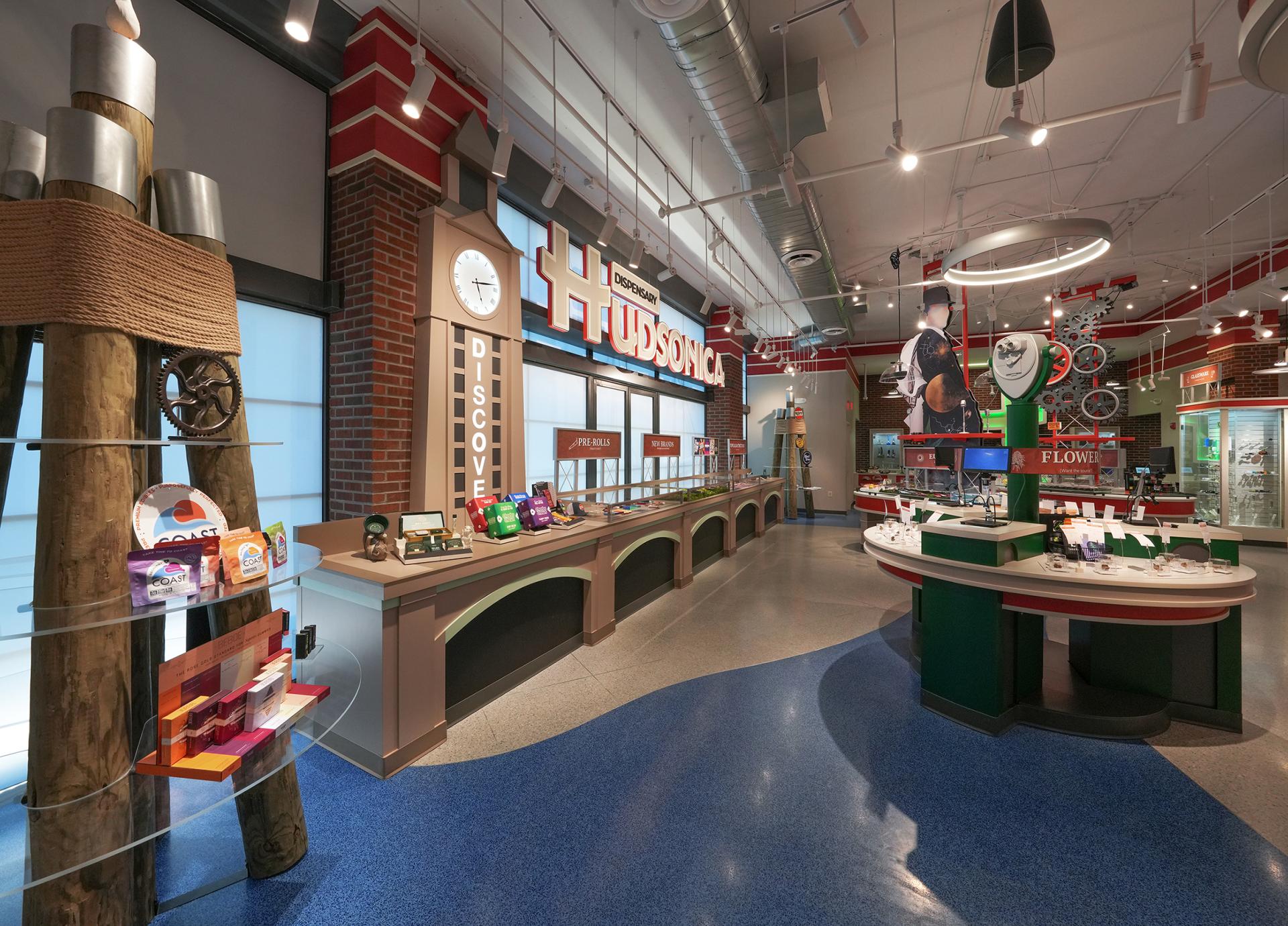
The client sought to create a highly interactive, localized experience that showcases their cannabis product mix in a Hoboken-centric store environment.
I've always been interested in design since the age of eight. I began by cutting up my mother's House Beautiful magazines featuring the houses they showcased, and by seventh grade, I had identified architecture as the primary direction I wanted to pursue. I was also interested in graphic, industrial, and interior design, and felt that, based on the work of famous architects like Frank Lloyd Wright, architecture would offer me the most opportunities to practice across all the areas that interested me.
With Gruskin Group, we’ve created an integrated design firm that we often describe as an architecture firm combined with an ad agency.
To create highly impactful and experiential buildings and places which will be memorable and meaningful to those who live, shop, work in, or experience these locations.
Compared to the typical retail environment, the State of New Jersey cannabis requirements specify that customers must go through a control point / be screened to ensure they are legally eligible to shop. The Hudsonica Dispensary’s lobby serves this purpose while also introducing the Hudsonica brand to customers.
The wall art here showcases a railroad repair shop with postcard insets, the first baseball field illustration, and a large-scale 78-style record that evokes Hoboken’s musical heritage. In addition, the lobby serves as an area where customers can research and pre-order products at the row of kiosks.
New Jersey cannabis requirements also stipulate that windows must be blocked, preventing those outside the store from seeing inside, which is counter to almost all retail design approaches. Therefore, the window-covering graphic needed to be designed to be two-sided (viewable from both the outside and the inside).
We used this opportunity to highlight Hoboken’s history by covering the windows with historically themed graphics, including figures dressed in Victorian garb and a ship from Hoboken’s earlier history.
We begin with client meetings and discussions to determine their project and business/operational goals. For the Hudsonica Dispensary, we began by creating the brand and logo, which led us to transfer these to store design concepts and architectural expression.
Next, we usually brainstorm as a team, which includes architecture, branding/graphic design, and industrial design teams. Then, we do quick concept sketches to flesh out the store's flow, test various layouts and arrangements, and create the desired customer experience and shopper flow.
From there, we go to floor plan studies and simultaneously work in 3D modeling to develop the overall look and feel, customer journey and flow, fixture design and interaction, and the overall architectural experience of the store and its environment. These stages also include developing the store’s branding and logo, creating a brand book, and preliminary designs for the various graphics to be used throughout the store.
Once the client has approved the schematic design and initial design development, we proceed to obtain any required planning board approvals, design signage, and, in some cases, hold preliminary discussions with the building department and approach the landlord regarding architectural coordination challenges that will require their assistance.
Next, our architectural and industrial design teams prepare construction documents for the store and fixtures. Once these are complete, we assist with bidding the project to contractors and provide construction administration to ensure that the store and fixtures are built in accordance with the documents and design intent.
When the store is complete and ready to open, we assist with arranging product merchandising and fine-tuning the directional lighting to maximize the store’s “fixture/product-pop” and enhance the customer experience.
A fun experience.
The client has told us that their customers are wowed by the in-store experience.
We appreciate being recognized by our peers, in the company of other great projects, as we truly enjoyed creating the Hudsonica brand, retail environment, and shopping experience. This project is a great representation of the type of work we enjoy doing and captures our overall company goal of undertaking integrated design projects — meaning projects in which we provide architecture, interiors, branding, graphics, and industrial design.
It's hard to say, however, we hope that it will lead to more clients seeking us out to do integrated design projects.
I've always wanted to create a vertical campground (8-15 stories) with “trailer rooms” in an urban environment. I love the great outdoors, but it's often far from where many people live.
Creating this unexpected experience in urban settings would not only provide a much-needed opportunity for city dwellers but also create an unusual urban experience and a business opportunity.
As AI impacts everything around us, including my profession, I anticipate that much of the manual drafting, building code and zoning analysis, and possibly some engineering tasks will be handled by AI. Architects and designers will still need to focus on creating experiences, placemaking, and envisioning new ideas and approaches, which may elude AI, which tends to treat its work as a derivative of others' projects and to use them as the basis for its designs.
I hope that my firm and design teams can continue to create integrated, impactful, and meaningful designs and experiences, while AI can focus on the drudgery and liability aspects that often dominate projects.
By integrating sustainable approaches into our work, so they do not stand out or become the focus, they are simply “baked” into the design and “there.” For us, on most projects, metaphorically speaking, the sustainable aspects are meant to be part of the chorus, not the star of the show.
In Graduate School, my thesis was composed of a skyscraper in midtown Manhattan. If I could design anything, I would love the opportunity to design a super-tall skyscraper.
Read another insightful interview through this link: A Critical Perspective on Urban Change | Qiyuan Liang Shares His Insight.