Plain Shadow · Boundary
Li Ming Interior Design Studio presents a holistic residential interior rooted in modern minimalism and...

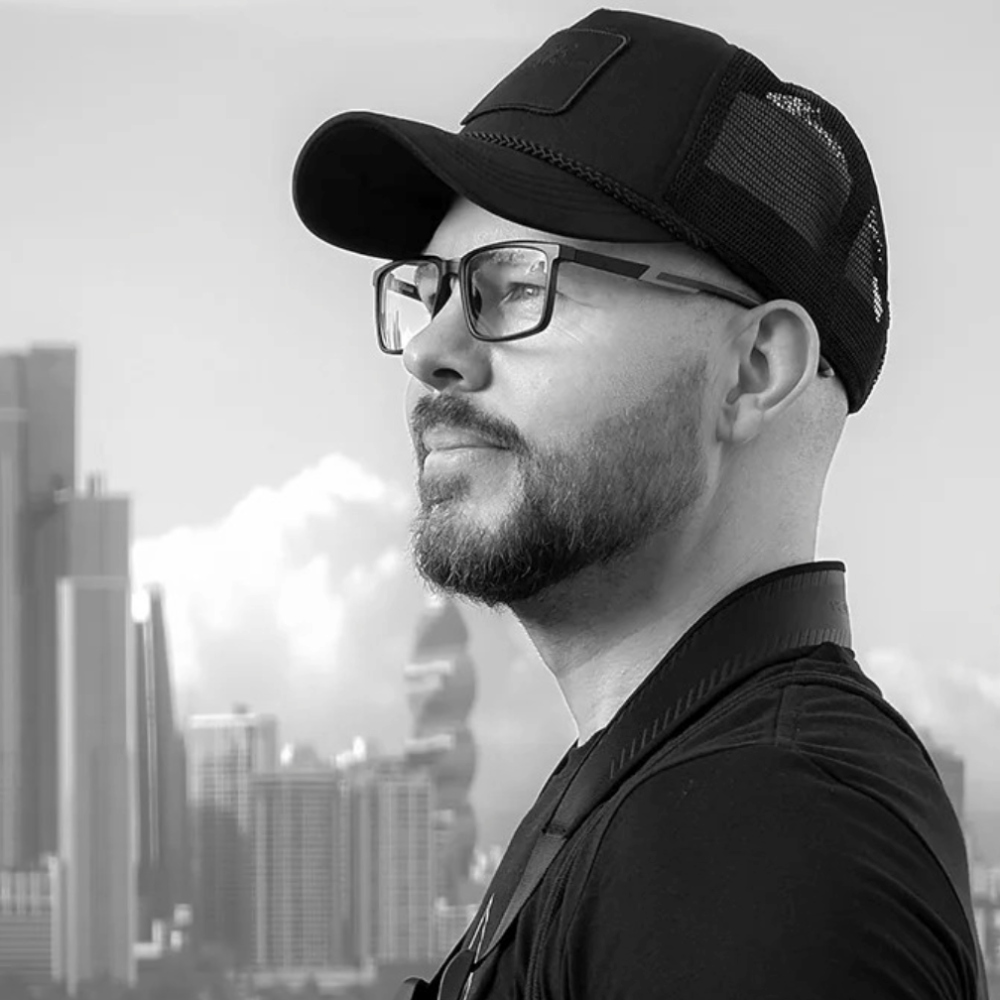
Li Ming is a spatial designer focused on “quiet luxury” and material storytelling. Inspired by childhood moments of sunlight filtering through lattice windows, he views space as a vessel for emotion, creating sanctuaries of stillness within a noisy world.
I am Li Ming, a spatial designer focused on “quiet luxury” and material storytelling. As a child, I was captivated by sunlight filtering through lattice windows in old houses—this silent yet powerful atmosphere made me realize that space is not merely a container, but a vessel for emotion. My goal is to create sanctuaries of stillness and resonance within a noisy world.
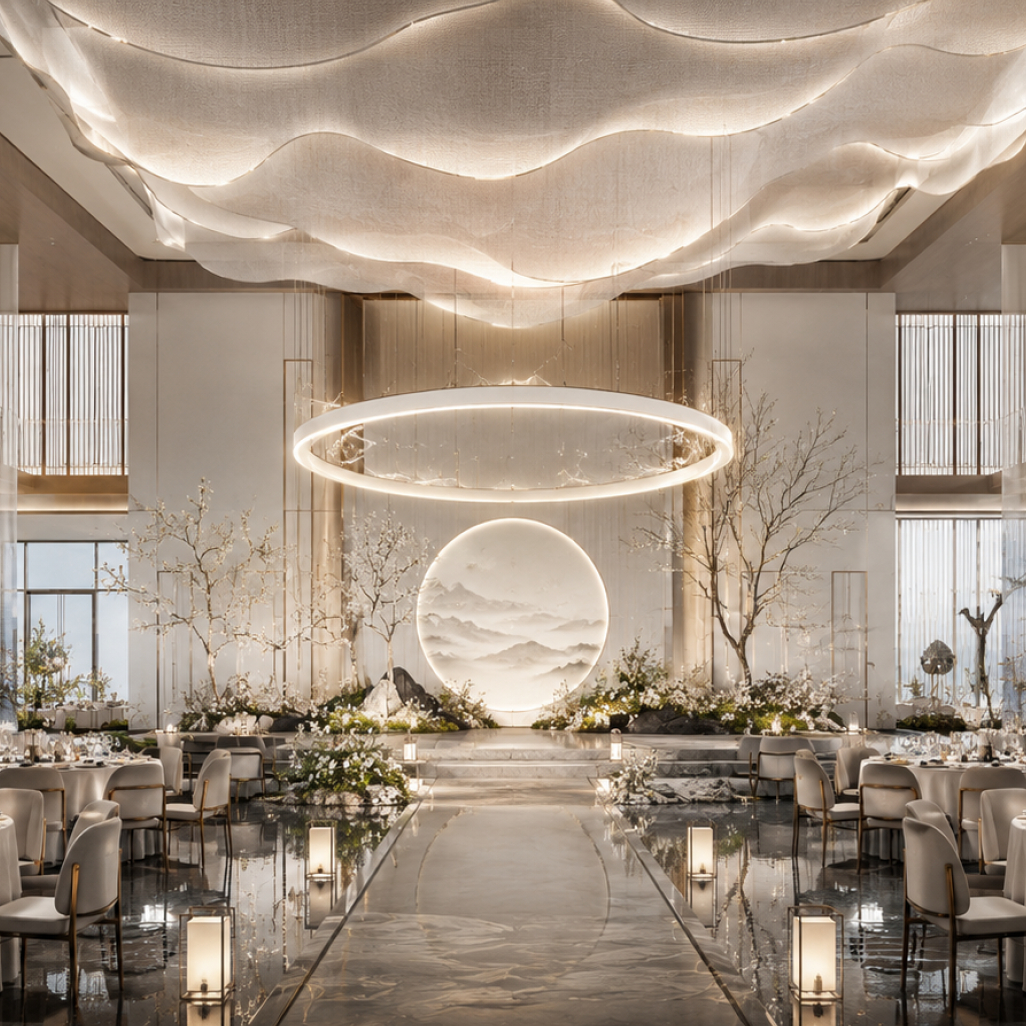
Winning a Silver in the MUSE Design Awards validates my philosophy of “simplicity through materiality.” As seen in the images, I avoid ornate decoration, instead using wood grain, stone texture, and micro-cement to define spatial order.
The jury recognized this “less is more” ethos, as well as my technical approach to concealed storage, ambient lighting, and seamless material transitions.
This accolade has elevated my global visibility; clients now actively seek my “understated luxury + functional precision” aesthetic. It has also strengthened my practice, attracting young designers eager to explore the fusion of Eastern Zen and modern minimalism, and contributing to the growing presence of Chinese design on the global stage.
Experimentation is central to how I challenge conventions. For instance, in the living–dining area, I achieved a zero-transition junction between micro-cement flooring and the marble island.
Traditionally, metal strips would be used, but I developed a flexible interface agent and a layered pouring technique that allow the materials to fuse seamlessly—visually reinforcing the theme of “flowing order.”
I drew inspiration from “the creases and ink bleed of rice paper.” Observing how ink diffuses naturally across its surface, I translated these organic boundaries into wall lines and furniture silhouettes.
The thin black frames behind the bed and the transparent glass legs of the desk echo the interplay of void and form found in ink wash painting, giving the space an Eastern poetic rhythm.
Design isn’t “drawing”; it’s problem-solving. Every seemingly simple element—like the floating TV console, hidden AC vents, or adjustable blinds—results from rigorous ergonomic testing, structural calculations, and construction simulations. True elegance stems from meticulous control of every detail.
I use “scenario-based demonstrations” rather than persuasion. When clients worry that a design may feel “too plain,” I create physical mock-ups that allow them to touch wood grains, experience layers of light, and test the comfort of the sofa.
Once they understand that minimal does not mean boring, their trust in my expertise deepens. Consensus is built through tangible experience.
The biggest challenge was achieving “visual invisibility” in functional integration. The TV wall needed to accommodate speakers, outlets, and storage without disrupting the overall aesthetic.
I addressed this by developing custom modular panels, magnetic covers, and recessed LED strips—concealing all technical elements seamlessly. During construction, I repeatedly refined tolerances to ensure precise alignment across every panel.
I visit art galleries or forests, observing the dialogue between natural textures and architectural structures. The cracks in tree bark inspire aged metal handles, while mountain contours inform curved ceiling designs.
At times, a cup of tea or a guqin melody helps me recalibrate—reminding me that design serves people, not the display of skill.
I believe in “long-termism” and “restrained beauty.” Influenced by Japanese wabi-sabi and Song Dynasty aesthetics, I pursue “perfection within imperfection”—expressed through hand-polished stone edges and visible wood knots.
These so-called “flaws” imbue spaces with warmth and narrative, allowing residents to feel the passage of time and the traces of life.
Don’t rush toward recognition; focus on mastering your craft first. Observe, touch, and build—engage with materials firsthand, spend time on construction sites, and learn from real user feedback. True design strength comes from insight into life, not just technical proficiency.
Stay humble and keep learning—time rewards those who work with quiet dedication.
I would choose Tadao Ando. His poetic use of concrete and masterful manipulation of light and shadow align closely with my “quiet luxury” vision.
He excels at shaping spiritual spaces through minimal geometry. Collaborating with him, I believe I could create work that blends Eastern philosophy with a sense of modern tension.
I wish people would ask, “What do you most want people to forget in this space?”
My answer would be “time and pressure.” Through soft lighting, tactile materials, and fluid circulation, I aim to help people shed their social masks and return to a sense of authenticity—where one simply exists, rather than performs.