
Design & Inspiration
Na Lyu on Landscape Design Excellence: Balancing Macro & Micro Perspectives

Na Lyu
As a seasoned landscape designer with over 23 years of experience, Na Lyu has led and contributed to award-winning projects recognised both internationally and domestically. Her approach blends scientific analysis of environmental factors with a deep understanding of user habits and cultural aesthetics, creating harmonious and impactful landscapes tailored to each project’s unique context.Hi, I'm Na Lyu, I have been engaged in landscape design for approximately 23 years. I am a member of the Chinese Society of Landscape Architecture, a lifetime member of the Taiwan Landscape Society, and a member of the International Society of Design. Currently, I serve as the Landscape Design Director at Shanghai Ximang Architectural Design Co., Ltd.
Over the years, I have led and participated in projects that have won several international and domestic awards. In 2016, I earned a PhD in Landscape Planning and Design from Tongji University. My primary research focuses on ecological landscapes and Jiangnan-style gardens. Additionally, I have been invited to serve as a university lecturer, teaching practical courses in landscape design, such as commercial space landscape design, environmental art design, and graduation project guidance.
Growing up in the countryside, my only entertainment was drawing with chalk on walls. I would draw from the walls of our courtyard to the streets and alleys of the village. Everyone in the small village knew me as someone who was good at painting. After returning to the city for school, I took charge of designing class bulletin boards and decorating for class festivals from elementary school through high school.
Beautifying the environment brought me great joy. Seeing people feel the beauty of their surroundings because of my efforts gave me a strong sense of accomplishment. As a result, I chose to study Environmental Art Design in college. After graduation, I have been working in landscape design ever since. I not only enjoy the creative process but also take pride in inspiring others to experience how design can make life better.
Shanghai Ximang (ROD) Architectural Design Co., Ltd., founded in 2010, is a design firm specialising in interior and landscape design for commercial, office, and residential spaces. Its major partners include government institutions such as the Wuxi New District Government and Suzhou Metro Group, as well as renowned international and domestic enterprises like Citibank, Hang Lung Properties, Siemens, PPG Industries, Huawei Group, and BASF SE.
As the Landscape Design Director of the company, my primary responsibilities include early-stage planning and design management for landscape projects, team management and collaboration, on-site project implementation coordination, and industry networking. I conduct detailed preliminary discussions with project owners, perform site surveys and analyses, and develop tailored design solutions while maintaining close communication with the clients.
During the construction phase, I work closely with professionals across disciplines, adhering to the principles of integrated architectural, landscape, and interior design to oversee the entire project process.
At the end of each year, my team and I review the projects completed over the year, participate in both international and domestic conferences, share insights from our project designs, and stay updated on the latest trends in the landscape design industry.
Landscape design requires a comprehensive and scientific study of both the macro and micro environments. On a macro level, it involves effectively addressing connections with the surrounding environment, such as traffic, noise, visual impact, and odours. On a micro level, it requires optimising the site’s best features, including sunlight, wind direction, temperature, and vegetation.
It is also essential to engage in thorough communication with users to understand their habits, cultural background, and aesthetic preferences. By integrating all these aspects of research, the goal is to find the most suitable solution for the project’s landscape design.
From the perspective of landscape project scale, I particularly enjoy small to medium-scale projects. These scales are ideal for leisurely walks, allowing individuals to appreciate the finer details and develop a deeper connection with the environment. They also provide a better opportunity to experience how design enhances life.
I love focusing on the details that touch people’s hearts—it could be a comfortable outdoor platform that stays sunny during winter, seat decorations that reflect the user’s cultural aesthetics, the intricate textures of plant leaves, the soothing sounds of trickling water and birdsong along a pathway, or the fragrance of flowers carried by a gentle breeze in the right season. I aim to create spaces that evoke emotional resonance through a holistic sensory experience.
The best design is no design at all. I hope that every landscape project, once completed, feels as though the space was always meant to be that way. Users should naturally engage with it, enjoying the optimised microclimate, coexisting harmoniously with the native vegetation, and experiencing minimal disruption to the existing ecosystem. The architecture and environment should seamlessly integrate into one cohesive whole, rather than relying on deliberately eye-catching elements or novelty to draw attention.
I am honoured that two of my landscape design projects have received awards this time:
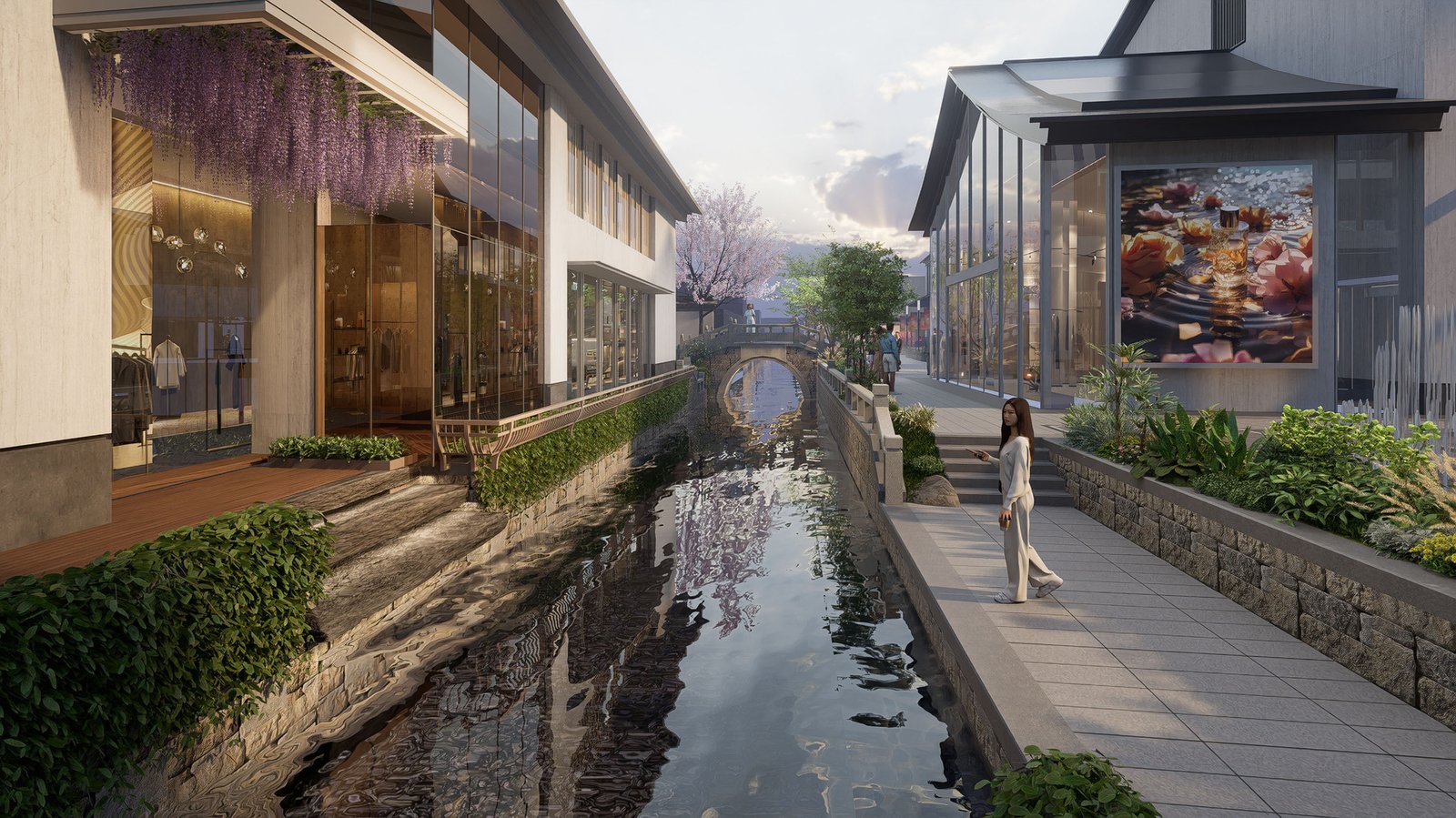
Suzhou Pingjiang Historic District Urban Renewal
Picture boats gliding gently along the river, the melodies of Suzhou Pingtan resonating over the water, and the air filled with the scents of flowers and tea. Trumpet vines, wisteria, and roses successively adorn the gray-tiled white walls of the alleys. Residents and visitors leisurely stroll through the narrow streets. Isn’t this the ideal riverside commercial street? This vision inspired me in my approach to the Suzhou Xuanqiao Lane TOD urban renewal project.
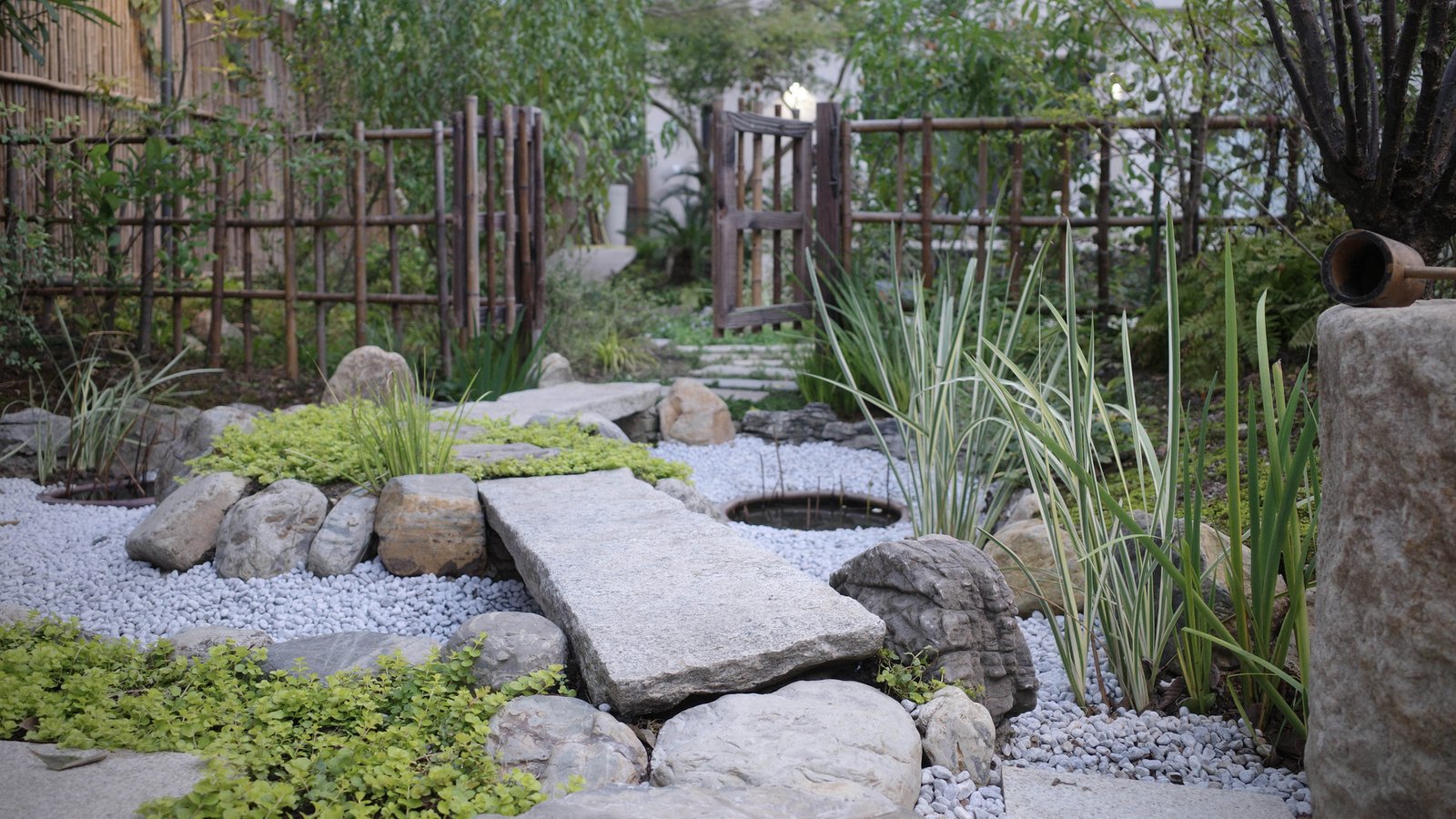
Six Pleasures-Courtyard That Can Be Explored and Resided In
In this design, the living room, dining room, study, and reception hall are transformed into pavilions, terraces, and towers scattered throughout the garden, connected by corridors. Living within this space allows one to traverse nature daily, seamlessly blending human life with the natural environment. The five senses are immersed in nature’s embrace. Translating this concept into contemporary villa courtyard landscapes, I strive to extend indoor spaces outward, integrating them with nature. This approach maximises opportunities for people to connect with nature, even within the compact constraints of modern villa living.
The main inspiration for both design projects stems from rebuilding the connection between humans and nature: the restoration of the human-water relationship in Suzhou’s water towns and the close bond with nature found in Suzhou gardens. This connection is re-established through spatial design that engages all five senses and even evokes a deeper, intuitive perception.
This has had a profound influence. China’s majestic mountains and vast waters have instilled a deep reverence for nature, while the reliance on nature for sustenance—food, clothing, shelter, and transportation—has fostered a sense of dependence on it. This, in turn, has shaped the philosophy and aesthetics of “following nature’s way” and the harmony between heaven and humanity.
When designing landscapes of various scales, I aim to embody respect for nature and to uncover and enhance microclimatic advantages. In shaping spatial rhythms, I prioritise a more restrained, narrative, and gradual progression. The refinement and creation of sensory elements adhere to an elegant aesthetic. For historical and cultural continuity, I delve deeply into the local cultural heritage, such as Suzhou embroidery and calligraphy, to integrate them into the landscape design.
For both projects—whether for commercial leisure or residential living—I strive to create spaces that evoke elegance, a natural charm, relaxation, and the refined leisure of a literati lifestyle.
First of all, it is truly an honour. This recognition acknowledges all the efforts of our team—every thoughtful discussion about design plans, in-depth communication with clients, and diligent problem-solving on-site. It is a tremendous encouragement for every member who participated in the projects and serves as motivation for us to continue upholding our commitment to thoughtful design in the coming year.
Moreover, this recognition enhances our company’s strengths in urban renewal and residential landscape design, supporting our promotion and outreach efforts. It opens up more opportunities for us to contribute to urban renewal and residential landscape projects in the future.
The elegant leisure of Jiangnan’s water towns and the refined cultural charm of Jiangnan private gardens are unique features worth sharing with the world. I hope to carry forward this elegant culture and lifestyle in contemporary times and present it to the world, allowing more people to experience its beauty.
In commercial projects related to urban renewal, the main challenge is the conflict between the goal of commercial profitability and the creation of an environmental atmosphere and enhancement of ecological naturalness. By engaging in in-depth communication with the clients and recommending that they visit actual built projects, I guide them to recognise the importance of environmental atmosphere creation and ecological restoration in urban renewal projects.
I help them realise that these aspects can complement, rather than contradict, the commercial value of the site. This leads to aligning the project’s goal to reconnect people with the site, rejuvenate the site’s vitality, and ultimately achieve successful commercial operation.
In landscape projects for residential spaces, one of the greatest challenges is handling the boundary space between the interior and exterior of the building. While interior designers focus more on maximising indoor space and comfort, as a landscape designer, I aim to create a seamless connection between the interior and exterior, blurring the boundaries.
Through communication with interior designers, we find the most suitable architectural boundaries and use vertical landscape design to maximise indoor lighting (especially for underground spaces). Additionally, by extending the grey space outward, we can blur the boundary between indoors and outdoors, bringing people closer to nature.
This award has greatly boosted my confidence, reinforcing my belief that by staying true to what I love, I can create something unique and share my insights with more people. I also believe that the uniqueness of culture deserves to be further promoted and showcased to the world.
1. Creating a Connection with Nature: The first thing I love about the landscape design industry is the ability to connect people with nature through design. Whether it’s a green space in an urban environment or the design of a private courtyard, landscape design brings about a harmonious coexistence between humans and nature, offering tranquillity and beauty.
2. The Multifunctionality of Spaces: Landscape design is not just about aesthetics; it also addresses practical issues such as comfort, flow, and ecological function. Designing a space that is both beautiful and functional enhances the quality of life for users, allowing everyone to find their own comfortable corner within it.
3. Impacting Society and the Environment: Landscape design has a broad social and environmental impact. Through landscape projects, we can promote sustainable development, raise ecological awareness, and improve the livability of cities. Seeing how my designs not only improve the environment but also contribute to society is one of the aspects I truly love and appreciate about the landscape design industry.
In-depth observation of nature(such as China’s scientific Feng Shui), comprehensive research into local culture, and deep consideration of users’ needs.
I believe the development trends of the landscape design industry in the next 5 to 10 years will be as follows:
• Ecology First: Emphasis on ecological restoration and protection, with widespread adoption of sustainable design strategies, such as using locally sourced renewable materials and rainwater collection technologies.
• Integration of Technology: The widespread use of digital design tools, with the emergence of smart landscape features that enhance both design and user experience.
• Diverse Needs: Focus on health and well-being, catering to personalised customisation demands, and creating spaces with distinct themes.
• Cultural Features: In urban renewal, landscape design will deeply explore historical and cultural contexts, incorporating regional characteristics into public spaces and architecture to shape unique urban identities. In rural areas, culture will be the soul, preserving traditional village textures and integrating local customs to create meaningful landscapes.
• Cross-Disciplinary Collaboration: Collaboration across multiple disciplines and industries to solve complex problems and add value to the industry.
By consistently observing, thinking, and doing in daily life, constantly learning and reflecting, you will inevitably draw closer to success.
It’s worth studying renowned competition-winning works in the industry. For example, I have studied the past winners of the London Design Awards, which has been incredibly beneficial. Additionally, learn from nature itself—what landscapes or details have moved you? Take time to truly experience and understand why they resonate with you. By doing so, you can recreate and reintroduce these elements in the right project and at the right moment, making them touch others in the same way.
Every night, I fall asleep while imagining and creating my dream garden! If during the day I see a particular space—whether it’s my project or not—I think about how to make it more comfortable and intriguing to explore. If it’s a courtyard, I imagine creating each space along the route someone would take when returning home. I analyse which areas get the best sunlight year-round and create various dreamy, comfortable resting spots.
I imagine what beautiful views can be seen from the dining room or living room, and consider which flowers to plant in each area throughout the seasons to enjoy their fragrance and experience the changing seasons. This is my favourite time of the day and also the best form of relaxation for me!
My doctoral advisor, Professor Wang Hsiao-Lin, is a leading figure in Taiwan’s landscape industry and academia, and also a successful mother. She is undoubtedly a successful woman, but she does not intentionally seek a balance between family and career. Instead, she dedicates herself wholeheartedly to her passion for education and landscape design, guiding students with great care, taking each design project seriously, and continuously reflecting on her work. She publishes papers and books to share her theories and insights with the industry and has been recognised by the World Skills Competition, being invited as an expert judge in landscape gardening.
Her love for landscape design, continuous effort, and selfless sharing have subtly influenced her students and silently set an example for her children, both of whom have independently chosen their own fields of passion and achieved success. Her approach shows that by doing what you love, contributing to society, working hard, and selflessly sharing, one can experience a beautiful life.
Choose the direction that interests you, eliminate distractions, go with the flow, and move forward with courage.
The London Design Awards have allowed me to experience the joy and sense of accomplishment that comes from sharing my personal works and insights in a world-class professional design competition. I have great trust in the expertise and fairness of the judges, which serves as a tremendous encouragement for every designer who works hard. I hope the London Design Awards continue to thrive, providing a stage for more designers to showcase their work and drive the design industry forward.
Winning Entries
Read the interview with Dalanda Cobb: A Pharmacist’s Approach to Creative Problem-Solving Designs here.

Latest Posts

Maxim Hair Restoration Is Shaping a New Era of Personalized Hair Re...
SEPTEMBER 30, 2026
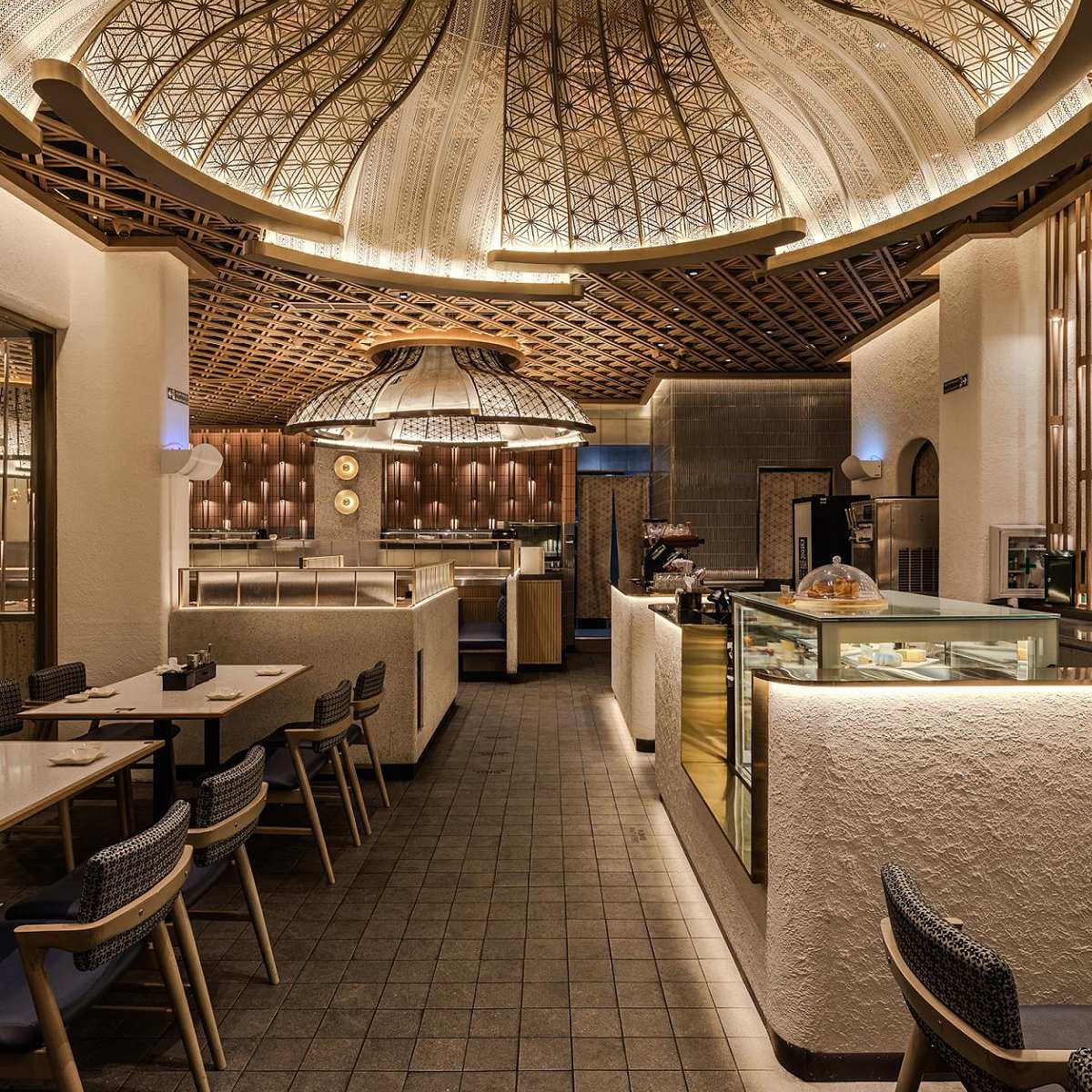
MoMo.Co.,Ltd. Creates a Refined Dining Environment for Sushi Tei Jawa
SEPTEMBER 28, 2026
2026 Global Photography Awards Reveals Photographers of the Year an...
SEPTEMBER 25, 2026

How Many Awards Should You Enter? (Strategy Guide)
SEPTEMBER 23, 2026
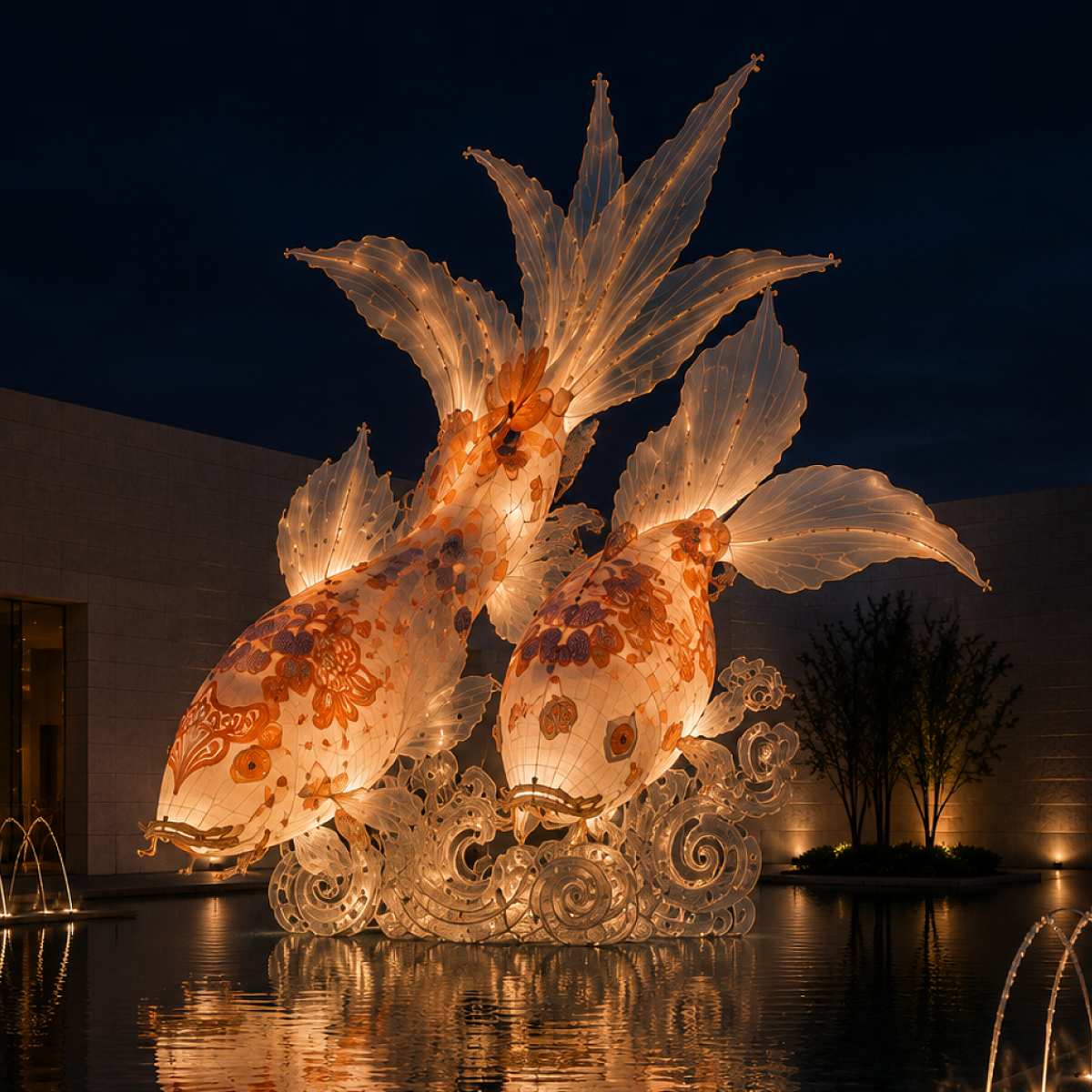
Interactive Light Installation: Before Fish Become Birds Creates a ...
SEPTEMBER 22, 2026
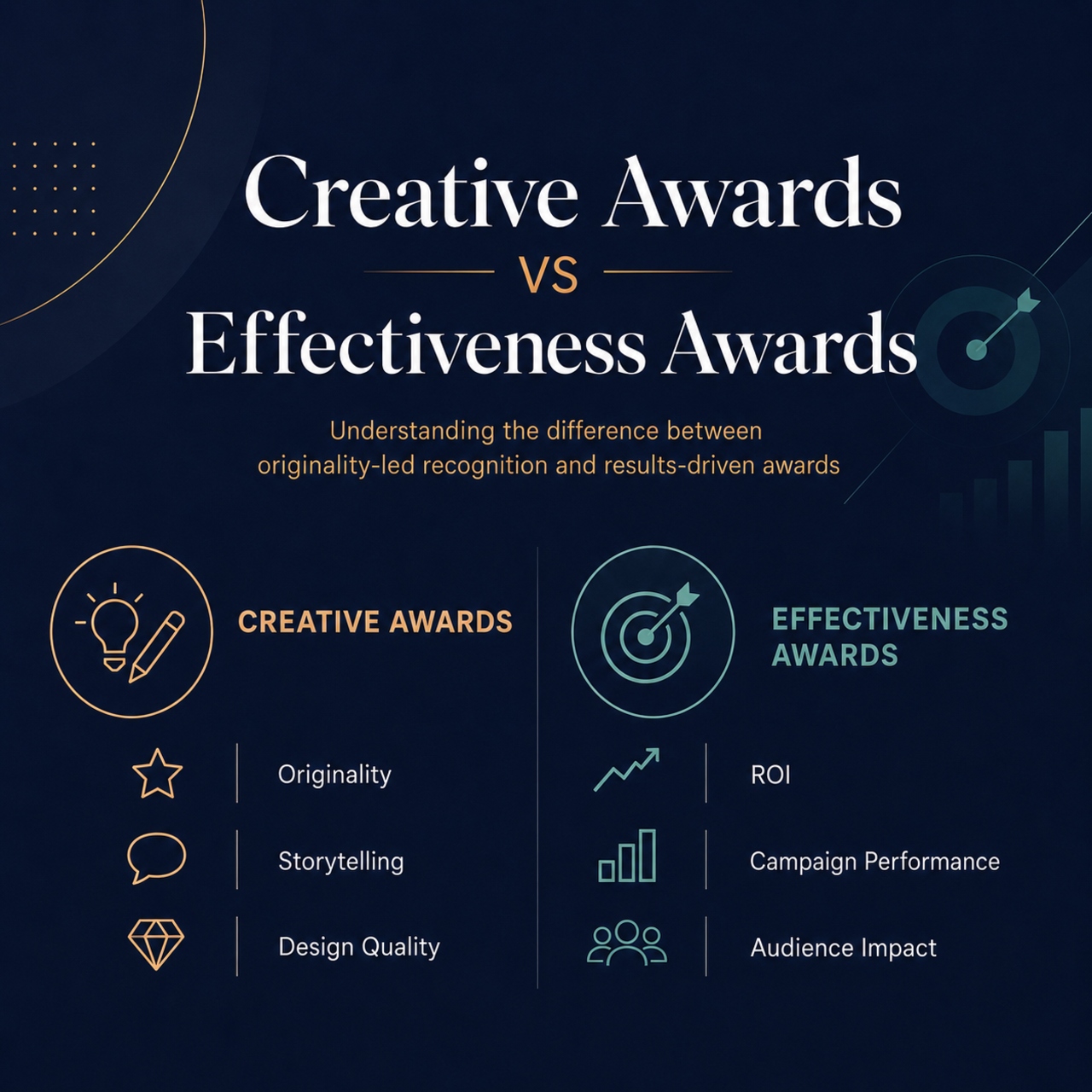
Creative vs Effectiveness Awards | Key Differences Explained
SEPTEMBER 21, 2026

Tonic DNA Brings Highmark’s (un)Hungry Community Story to Life Thro...
SEPTEMBER 17, 2026

Marketing Awards for Startups | Small Business Awards Guide
SEPTEMBER 16, 2026
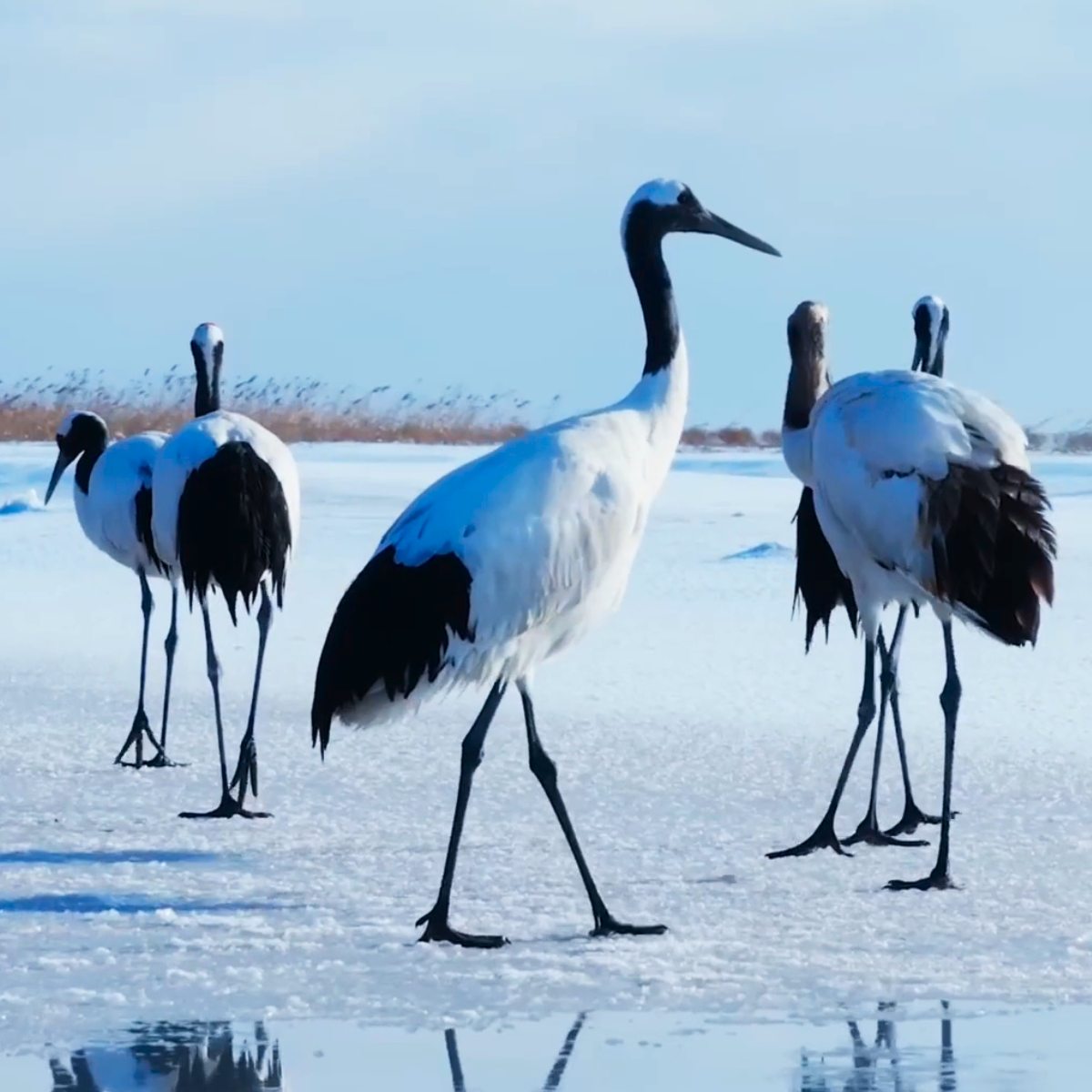
National Geographic, SDRATS & CICC Capture Life at the Yellow River...
SEPTEMBER 16, 2026

2027 French Design Awards Opens Global Entries for Design Excellence
SEPTEMBER 15, 2026


IAA GLOBAL AWARDS
MUSE Awards
Vega Awards
NYX Awards
TITAN Awards
- TITAN Business Awards
- TITAN American Business Awards
- TITAN Property Awards
- TITAN Women in Business and Leadership Awards
- TITAN Health Awards
- TITAN Innovation Awards
- TITAN Brand Awards