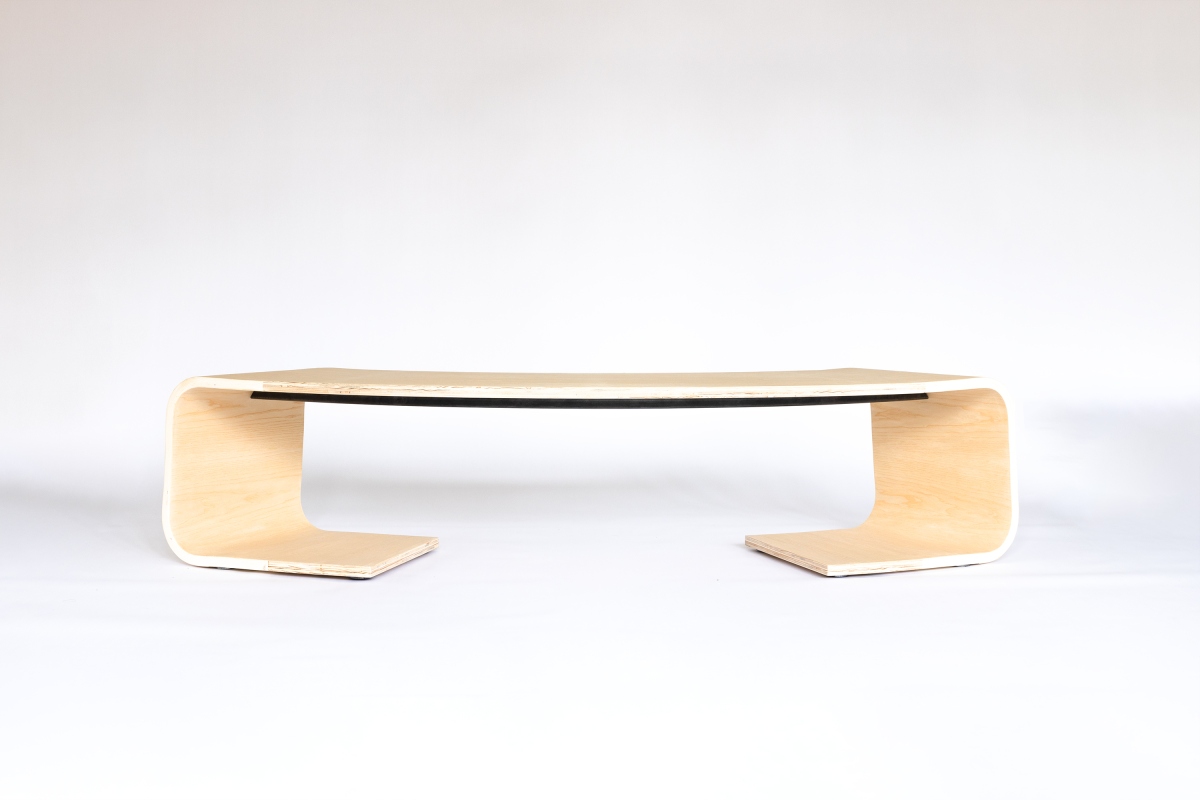
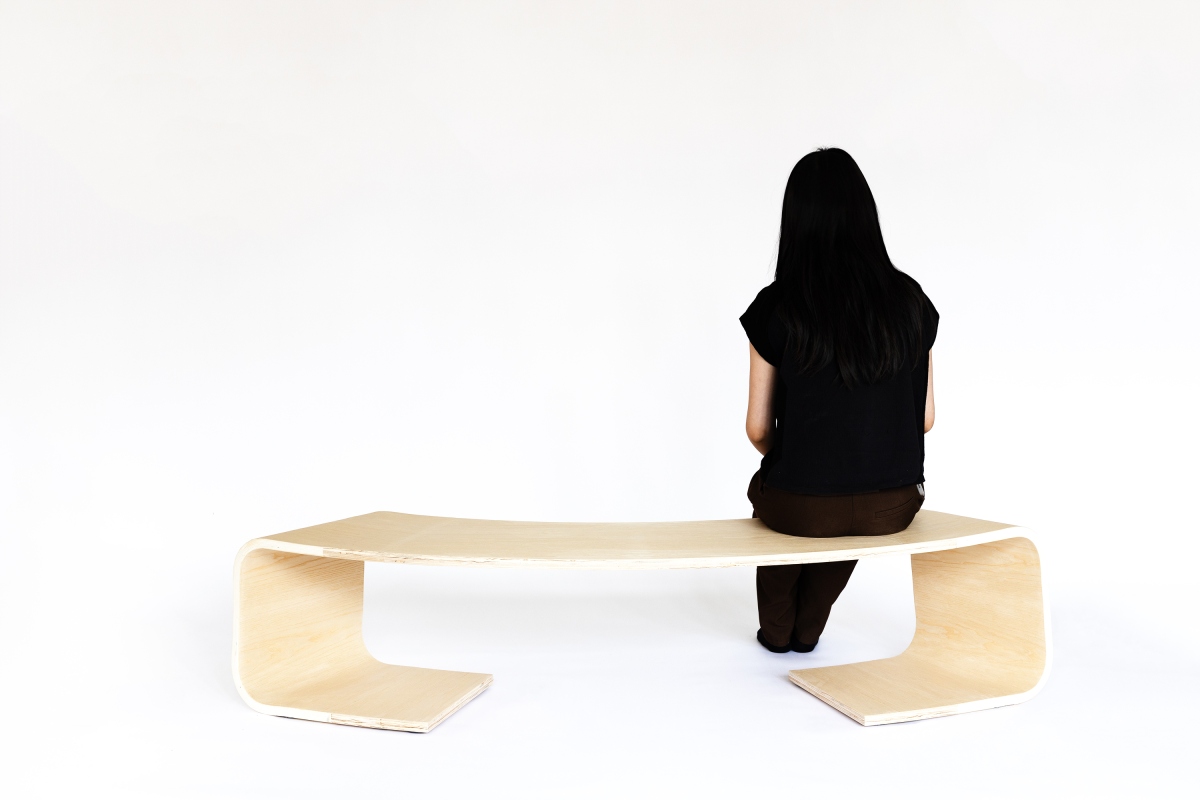
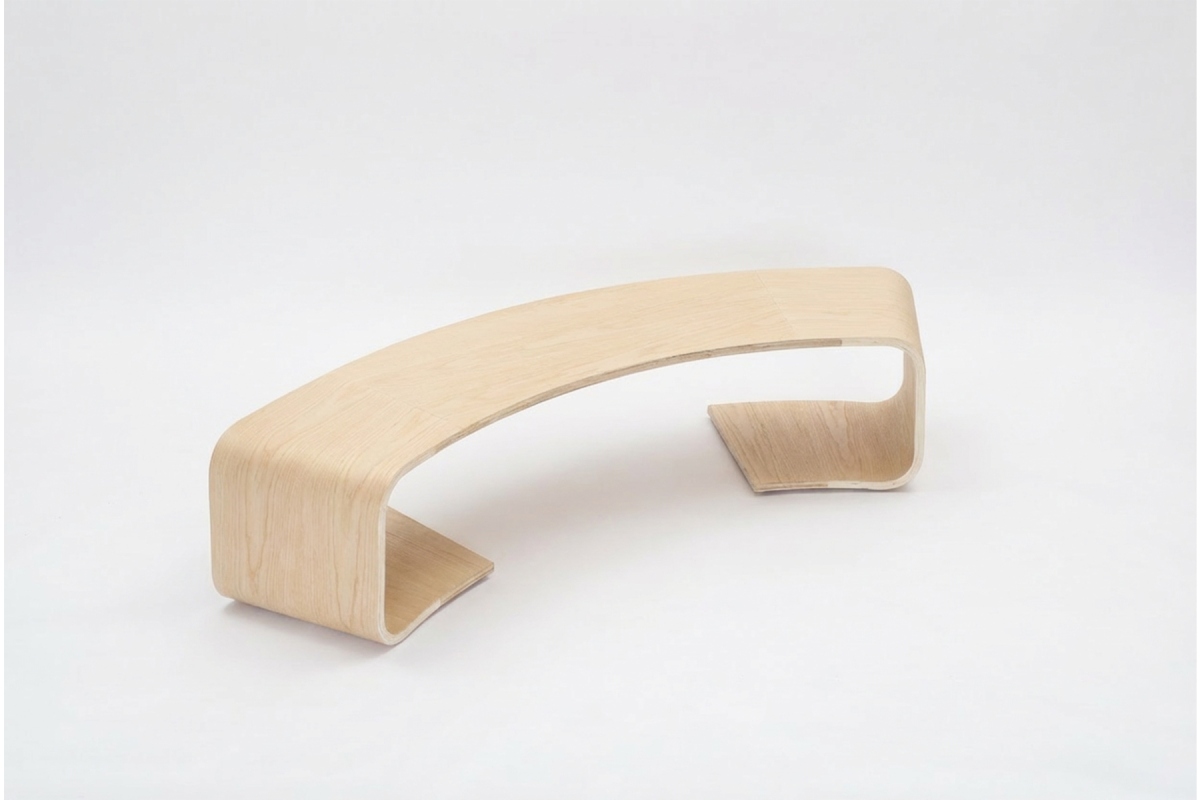
Crease Bench
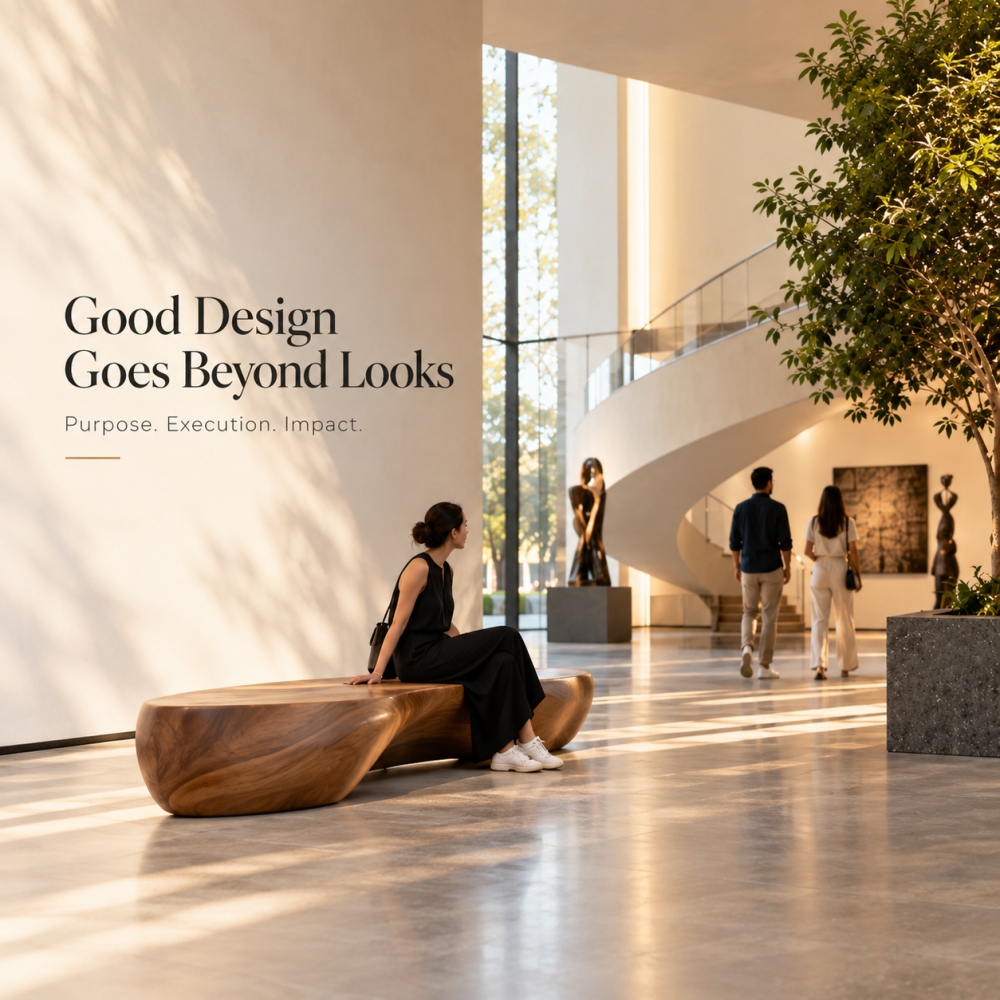
Crease Bench is a versatile seating solution designed for semi-public spaces like museum lounges, hotel...
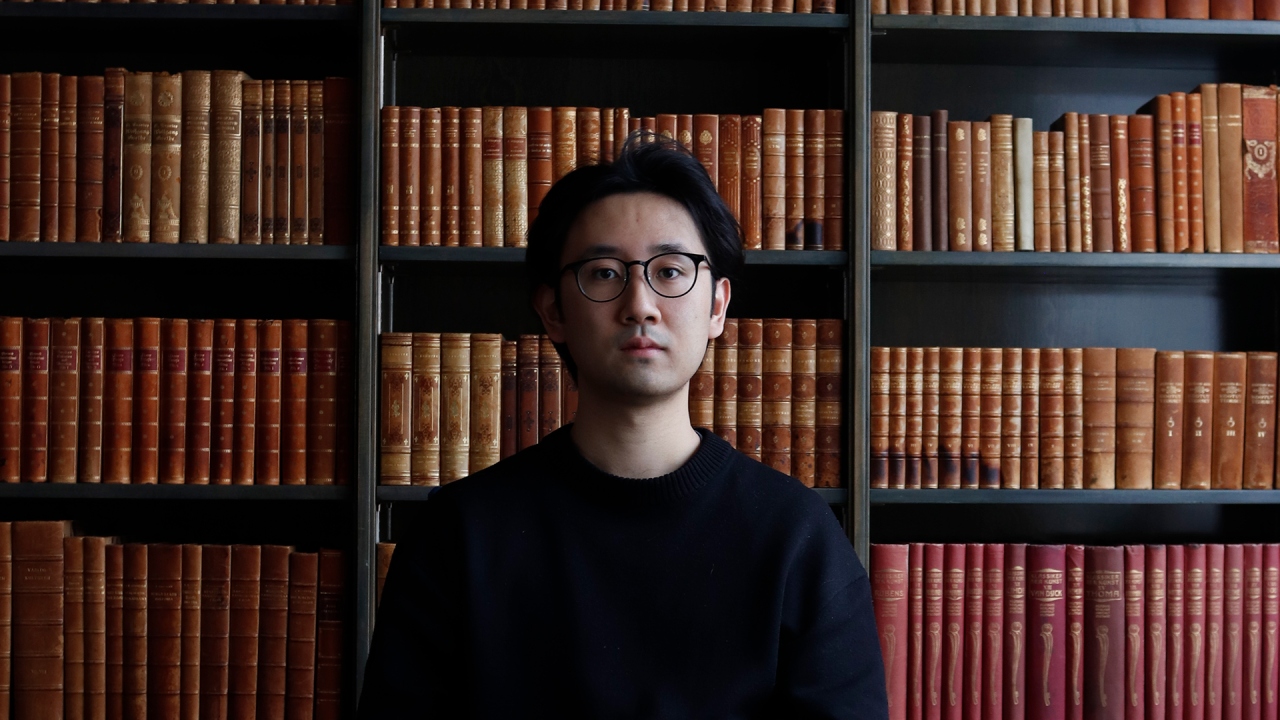
Focusing on the intersection of material and perception, Nomaki Etsu develops furniture and objects that balance precision with sensitivity. His process is grounded in iterative prototyping, where adjustments in proportion and materiality define the final outcome. By aligning form, ergonomics, and construction, he creates designs that quietly influence how people engage with space.
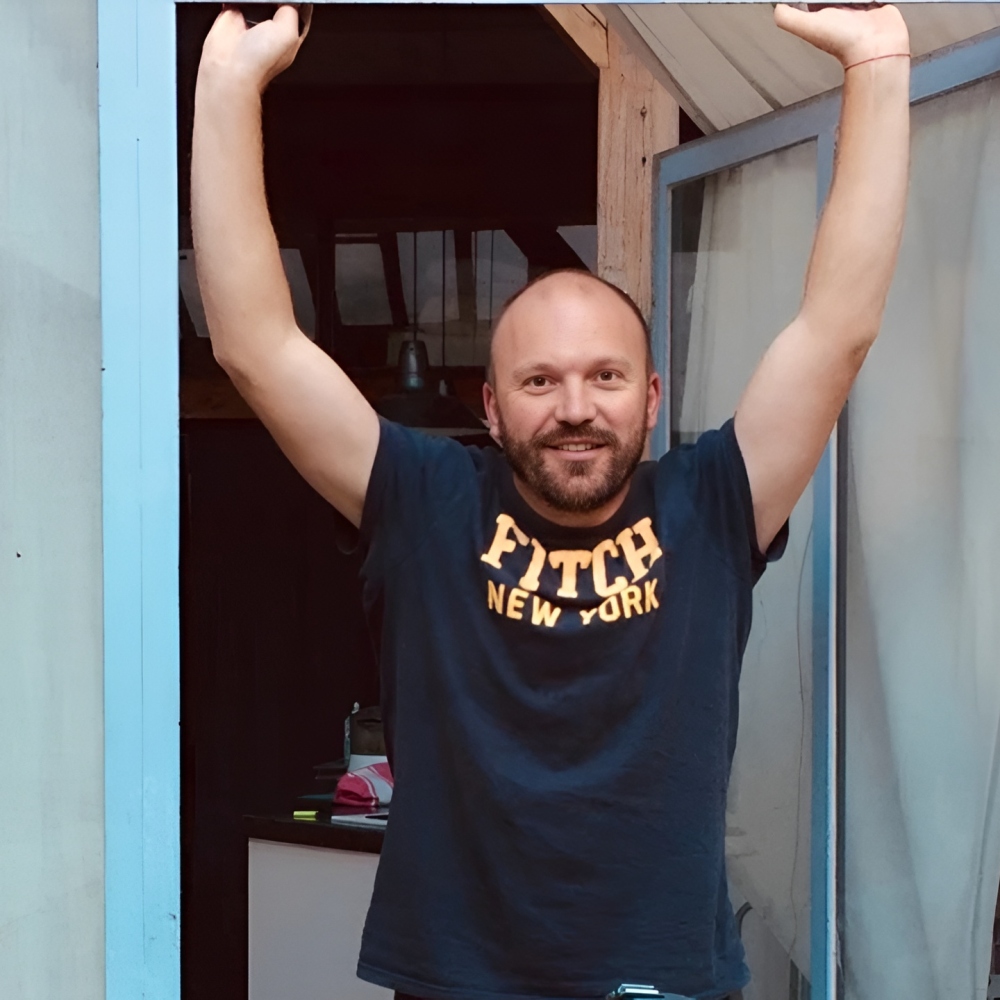
I am Nomaki Etsu, an industrial designer working across furniture and object design. My practice focuses on the relationship between form, space, and human perception, often combining industrial processes with traditional craft techniques.
I was drawn to design through a strong sensitivity to material, especially hardwood, and how it carries both structural and emotional qualities. What continues to motivate me is how a designed object can shape behavior and atmosphere, quietly influencing how people interact with their surroundings.
This recognition affirms not only a finished object, but the line of thinking behind it. My work often operates between function and abstraction, so being acknowledged by an international platform signals that this approach can resonate beyond its immediate context.
It has helped position my work within a broader international context and strengthened its visibility across both industrial and collectible design fields. It has also opened conversations with collaborators, manufacturers, and curators, allowing the work to extend beyond a single project into a more continuous body of research and production.
Experimentation allows me to test whether an idea can hold through material and construction. I often work through iterative prototypes, adjusting geometry, proportions, and material thickness to understand how small changes affect both structure and perception. Rather than exploring endlessly, the goal is to refine the point where form, ergonomics, and material behavior align.
One source I often return to is geometric proportion systems, such as classical ratios or root-based constructions. While they may seem abstract, they provide a structural logic that can guide form in a very tangible way. Instead of starting from function alone, I sometimes begin with proportion, allowing the object to emerge from a spatial logic before resolving its use.
Many people assume design is about solving visible problems, but a large part of the process involves defining what the problem actually is. This includes questioning assumptions, reframing context, and deciding what should remain unresolved. The outcome is often less about optimization and more about clarity.
I approach this balance by identifying where the core intention of the project lies. Once that is clear, constraints, whether from clients, context, or production, become part of the design rather than opposition to it. The goal is not to protect an idea unchanged, but to translate it accurately through different conditions.
One of the main challenges was resolving the relationship between formal expression and structural logic. The object needed to maintain clarity in its geometry while remaining constructible and stable. This required multiple iterations in both digital modeling and physical prototyping, refining details where material behavior and geometric intent meet.
I step away from direct problem-solving and return to observation—materials, spaces, and built environments. Sketching without a specific goal and revisiting references outside of design, such as architecture or sculpture, helps reset my perspective.
My work is grounded in clarity, restraint, and respect for material. I am interested in how form can exist with a certain inevitability—where proportion, structure, and surface align in a way that feels resolved rather than imposed.
Focus on developing a way of thinking, not just a style. Tools and aesthetics change, but a clear framework for understanding form, material, and context will allow your work to remain consistent and adaptable over time.
I would choose Ludwig Mies van der Rohe. His work demonstrates a precise clarity in proportion and structure. The Barcelona Chair has been a strong reference for me, especially in how it unifies form, material, and presence. I am interested in how that level of reduction and control can be extended within contemporary material and fabrication contexts.
Q: What defines the presence of an object?
A: Presence is not only determined by scale or appearance, but by proportion, placement, and how an object relates to its surroundings. A well-resolved object does not compete with its environment; it structures it.
Read about Beyond the Box: Storytelling Through Packaging Design with Yuewei Shi here, a winner of the NY Product Design Awards.