Design & Inspiration
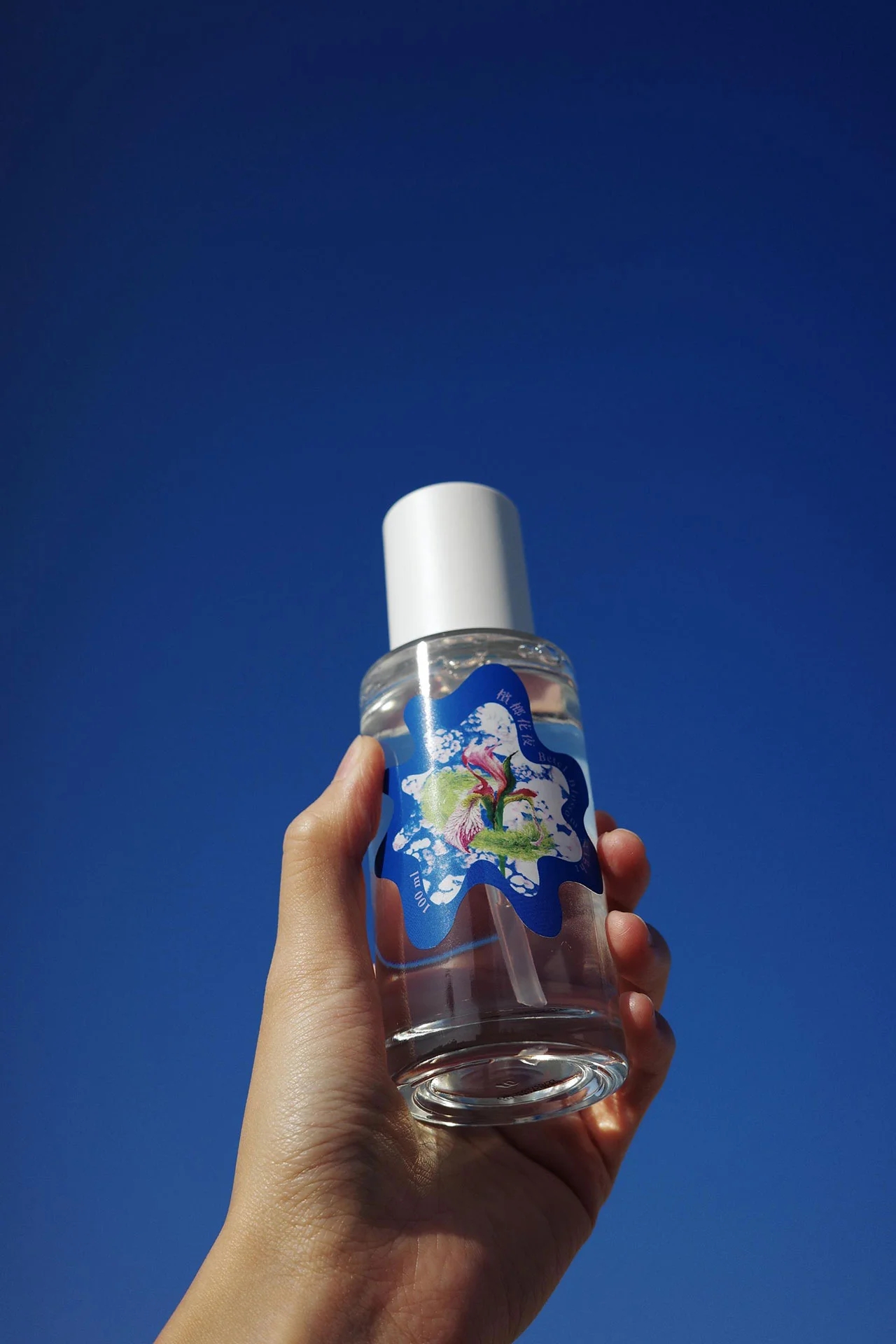
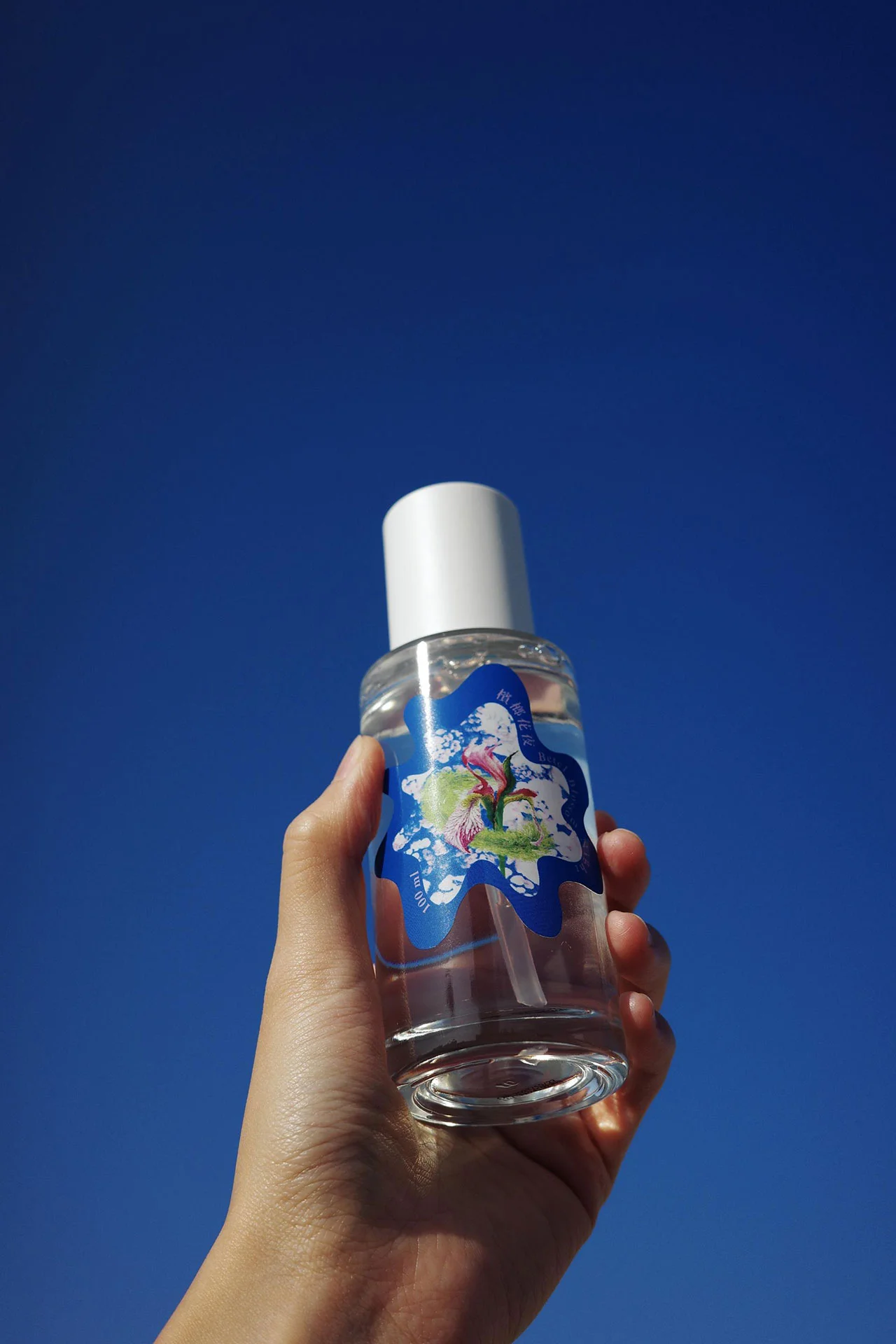
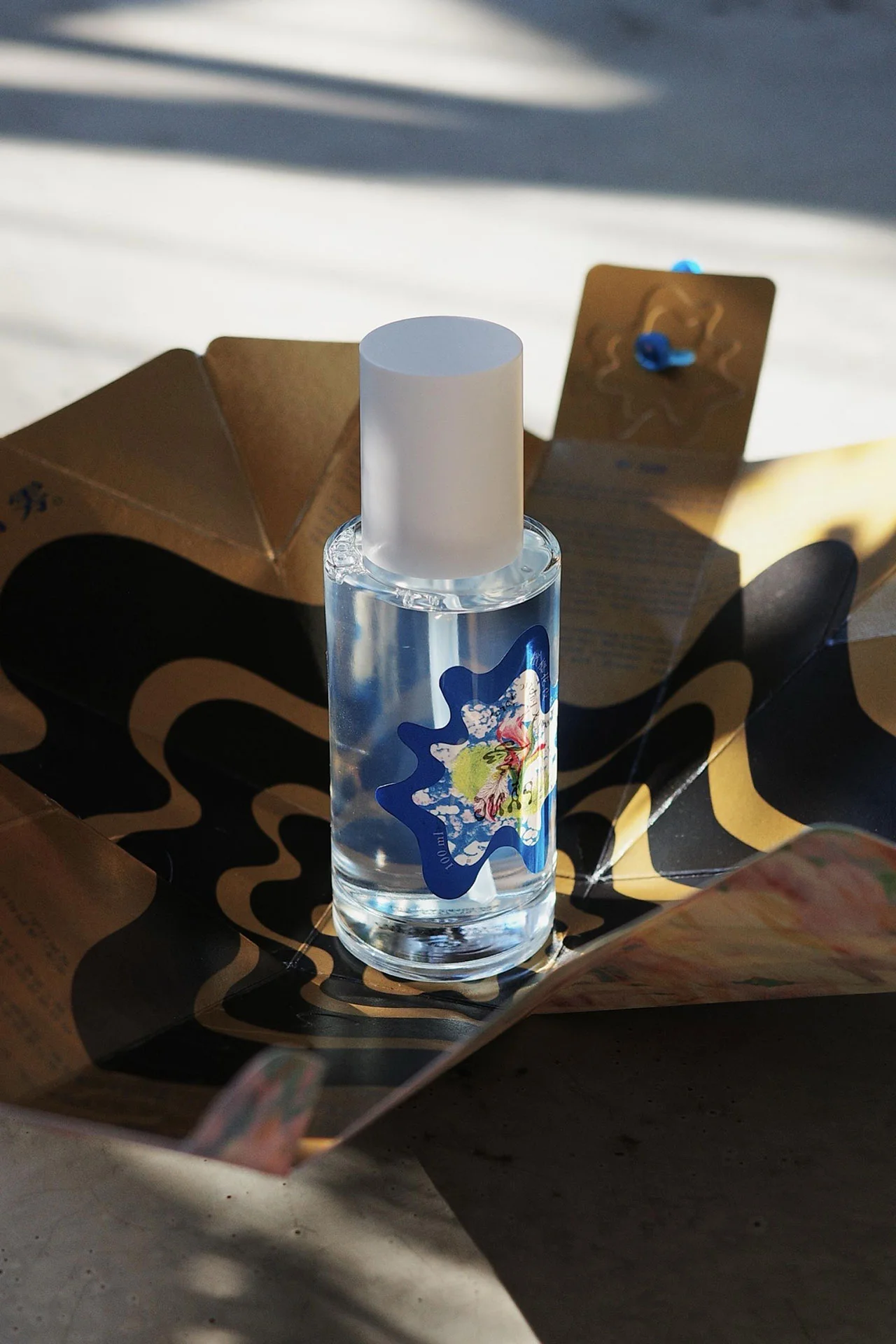
The Essence of Elegance: Chyi Ruey on Blossom Packaging at PANG GONG GONG
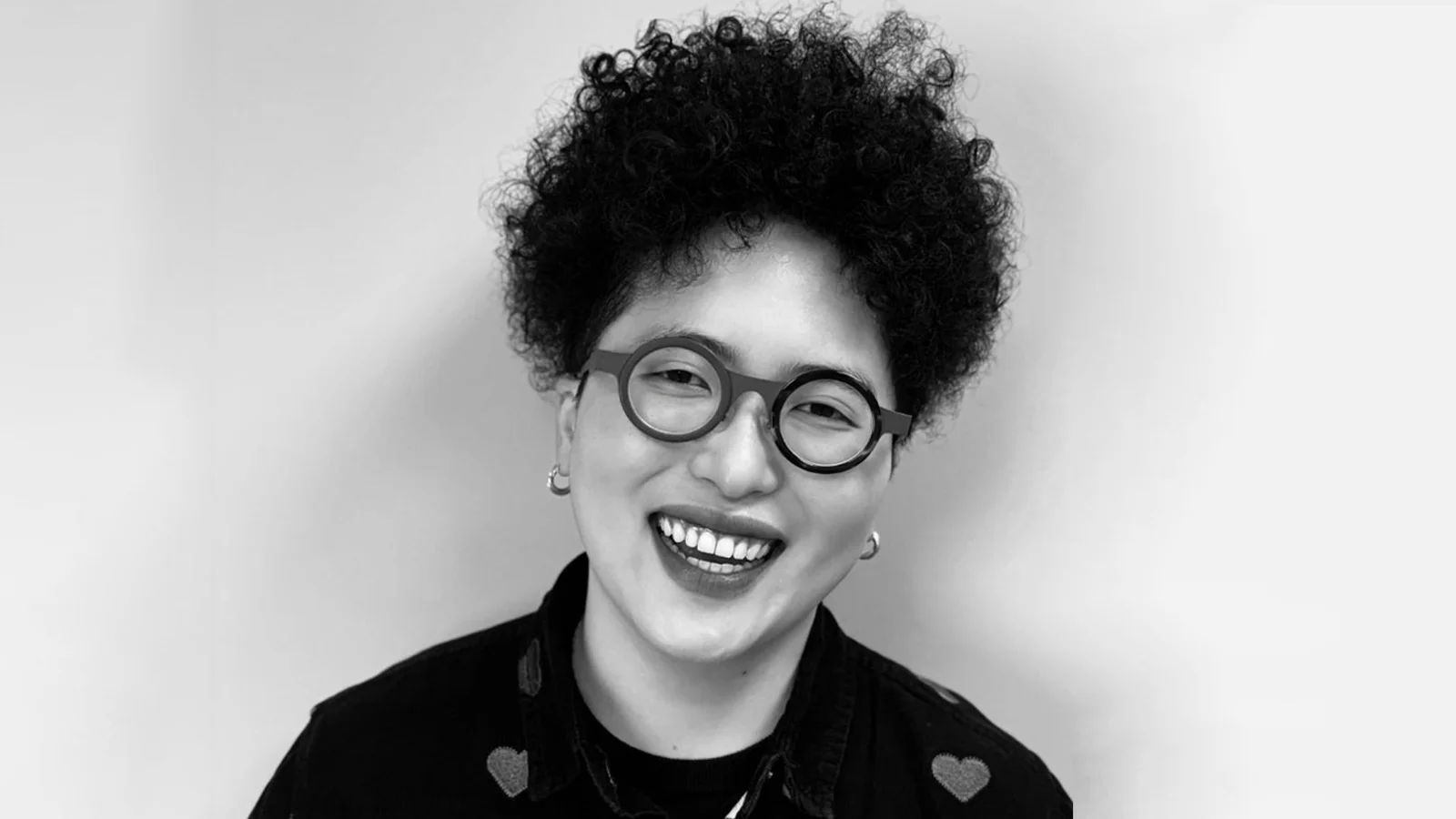
Chyi Ruey
Chyi Ruey draws from visual media and contemporary art to shape her fragrance brand, PANG GONG GONG CO., LTD., exploring how scent’s essence can be expressed through imagery. Rooted in authenticity, she designs from the inside out, letting scent, image, and story reflect cultural depth.
Hi, my name is Shirley. I'm an interdisciplinary product designer with experience across design, product, and technology.
I was drawn to design because I've always been inspired by how different forms of art can move and enlighten people—from ancient architecture and expressive artwork to sculptures and landscapes. These experiences leave a lasting emotional impact, and I wanted to bring that same sense of meaning into my own work.
Design allows me to translate that inspiration into practical solutions. Through my background, I strive to create experiences that not only solve problems but also make people's lives more intuitive, thoughtful, and fulfilling.
Being recognized in the MUSE Design Awards reinforces a belief I've always held: that great design begins with real challenges, and that as designers, we have the creativity, technology, and tools to develop meaningful solutions that improve people's lives.
This recognition validates my approach and encourages me to continue taking bold, thoughtful risks in my work, inspire those around me, and contribute ideas that push creative boundaries while addressing real-world problems.
Winning this prestigious award has strengthened my confidence and affirmed my approach to design. Beyond personal growth, it has created opportunities to connect with fellow designers, contribute to new projects, and engage in meaningful creative conversations that I might not have experienced otherwise.
More importantly, it has encouraged me to continue exploring thoughtful, user-centered design and to push the boundaries of my work with greater confidence and purpose.
Experimentation is a core part of my design process. To me, it means iterating quickly, testing ideas, and learning through feedback rather than relying on assumptions.
When exploring concepts—especially when evaluating multiple directions—I create quick mockups for each option and use them to gather feedback from stakeholders, internal teams, and, when appropriate, customers. This helps me validate ideas early, uncover potential issues, and make more informed design decisions.
One of the most unexpected sources of inspiration for me is simply observing people in their everyday environments. I often sit in coffee shops and watch how people interact, communicate, and navigate the small moments of daily life.
These observations—whether it's a brief conversation or a subtle behavior—often reveal underlying needs and emotions that don't always surface through structured research. They frequently inspire new perspectives and shape the way I approach my design work.
One thing I wish more people understood about the design process is that there is no such thing as a "perfect" design. It's an iterative process where each step brings you closer to the most effective solution.
Design is thoughtful and exploratory rather than fast or linear. It involves testing ideas, learning from feedback, and continuously refining the outcome. Understanding this helps set realistic expectations: meaningful design takes time, curiosity, and a willingness to adapt.
Balancing client expectations with design integrity is always a nuanced challenge. I see it less as a conflict and more as an opportunity to find common ground, as both perspectives are often shaped by valid but different priorities.
For me, communication is essential. I make a conscious effort to clearly explain the rationale behind my design decisions while actively listening to the client's goals, constraints, and concerns. These conversations often uncover insights that neither of us had initially considered.
Depending on the situation, I may refine my approach, strengthen my recommendations with clearer reasoning, or propose a solution that balances both perspectives. Ultimately, my goal is to deliver an outcome that meets business objectives while maintaining a thoughtful and purposeful design foundation.
One of the main challenges in this project was identifying a solution that could effectively address the core user problem at scale. The initial approach focused on facilitating doctor referral transfers, which worked well in simpler cases but became increasingly complex for patients managing care across multiple providers.
To address this, I explored how existing technologies could improve the experience. Through research and iterative experimentation, I identified an opportunity to incorporate AI into the workflow. This resulted in a solution that enables patients to transition their care across multiple providers in a single step, significantly reducing complexity and cognitive load.
When I encounter a creative block, I intentionally step away from my usual working environment. Changing my surroundings—whether it's working from a café by the sea or simply spending time in a different setting—helps clear my mind and gives me a fresh perspective.
At other times, I step away from working in isolation and engage with others. Meaningful conversations often spark unexpected ideas, and inspiration naturally emerges through the exchange of different perspectives.
I strongly believe that design has the power to solve real-world challenges and improve everyday experiences. This belief drives me to approach every project with clarity, empathy, and purpose. I strive to understand not only what users do, but also why they do it, so I can create solutions that are both practical and meaningful.
Design is not just about creating something visually appealing. It's about advocating for solutions that address real problems and make a meaningful difference in people's lives.
My advice to aspiring designers is to look beyond aesthetics and focus on purpose, feasibility, and impact. Take the time to truly understand the problems you're solving, and don't be afraid to stand behind your ideas and communicate them with confidence. Great design comes from balancing creativity with practicality while always keeping the user at the center of every decision.
If I could collaborate with any designer, it would be Antoni Gaudí. I had the opportunity to visit Barcelona before entering college, and I was deeply inspired by his architecture, particularly the way he incorporated organic forms into structural design.
His work feels both imaginative and deeply connected to the natural world, which I greatly admire. Among his creations, the Sagrada Família left the strongest impression on me with its flowing forms and remarkable attention to detail. I would love the opportunity to learn how he transformed inspiration from nature into such bold, enduring works and to better understand the creative thinking behind his designs.
One question I wish I had been asked is how AI has influenced my design process and mindset.
I'm often asked whether designers will eventually be replaced by AI. My perspective is that while AI is highly effective at executing defined tasks, design extends far beyond execution. It requires creative thinking, problem framing, and the ability to identify what should be built in the first place.
That said, AI is already transforming the way designers work. Rather than replacing designers, I see it as a powerful tool that enhances the design process. In my own workflow, I use AI to rapidly generate prototypes and explore different directions, particularly when evaluating features and feasibility. This allows me to iterate more efficiently and make more informed design decisions.
Ultimately, I believe the designer's role remains essential. Designers are responsible for defining the core experience, setting the overall direction, and ensuring that every solution is meaningful, purposeful, and centered on the needs of the user.
Winning Entry
Gallery
Explore the journey of Ruoyun (Dry) Dai, the Gold Winner of the 2025 MUSE Design Awards. She blends art and design to transform hidden emotions into immersive experiences. Rooted in architecture, she now uses AR and interactive storytelling to create spaces that reach beyond the physical.
Latest Posts

Maxim Hair Restoration Is Shaping a New Era of Personalized Hair Re...
SEPTEMBER 30, 2026
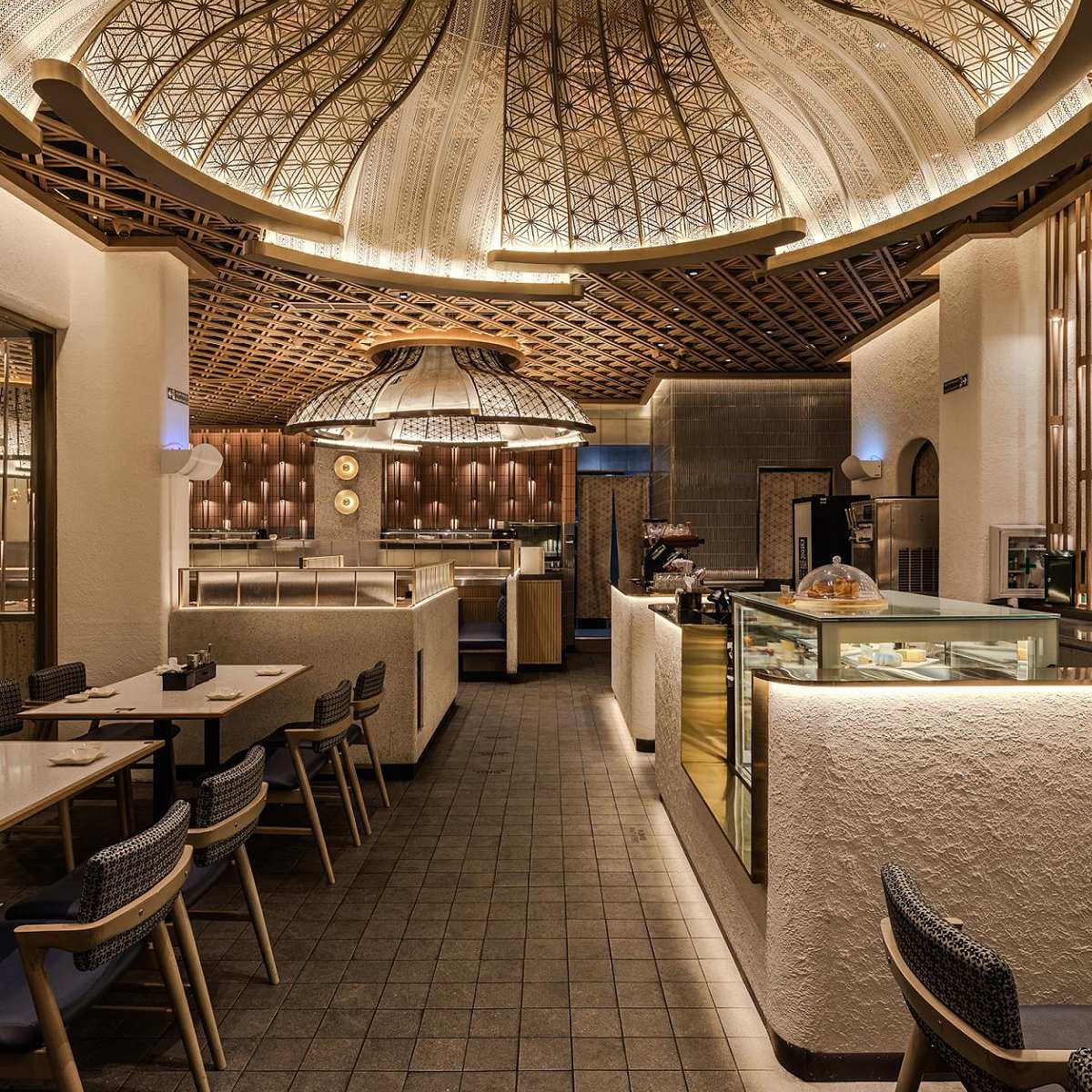
MoMo.Co.,Ltd. Creates a Refined Dining Environment for Sushi Tei Jawa
SEPTEMBER 28, 2026
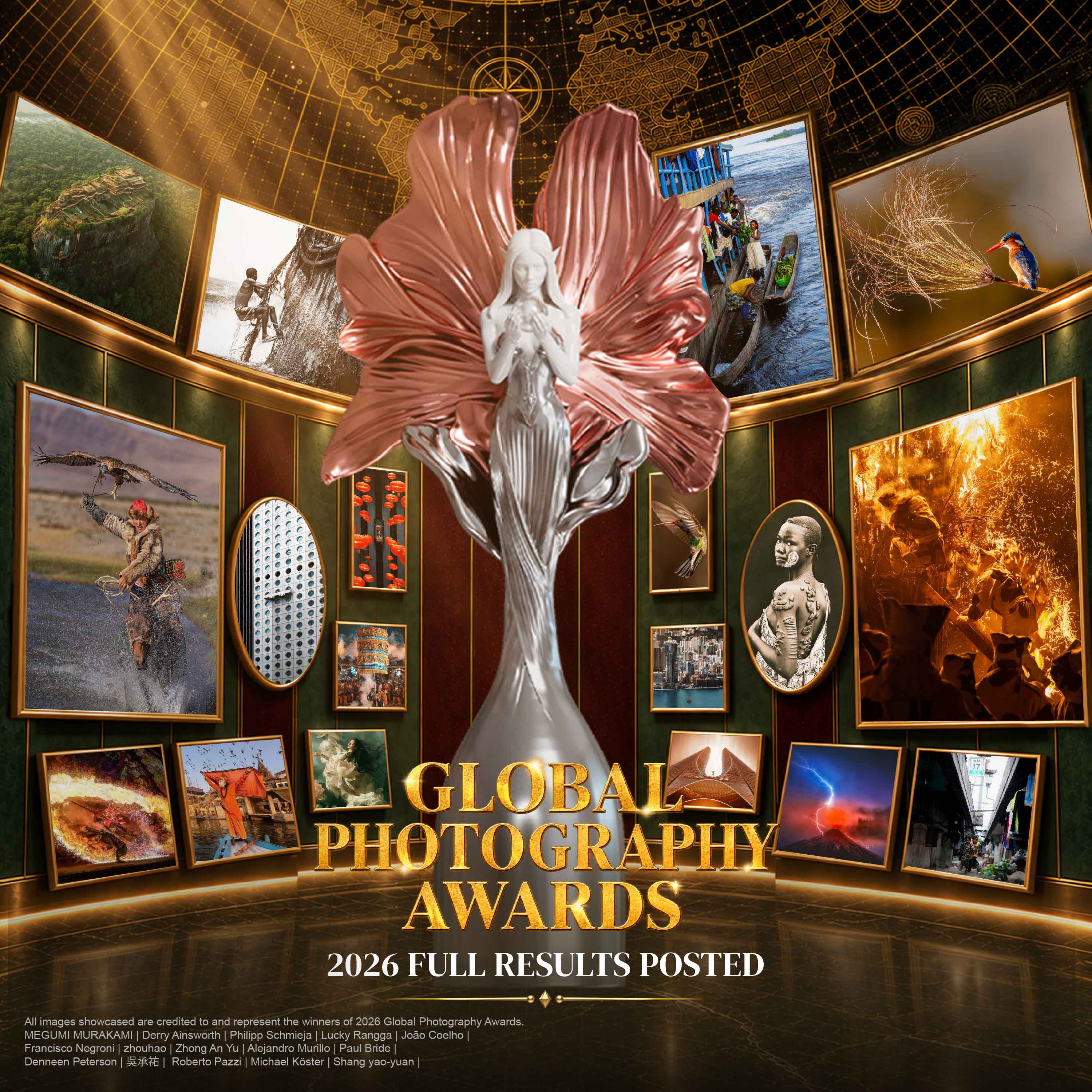
2026 Global Photography Awards Reveals Photographers of the Year an...
SEPTEMBER 25, 2026
How Many Awards Should You Enter? (Strategy Guide)
SEPTEMBER 23, 2026
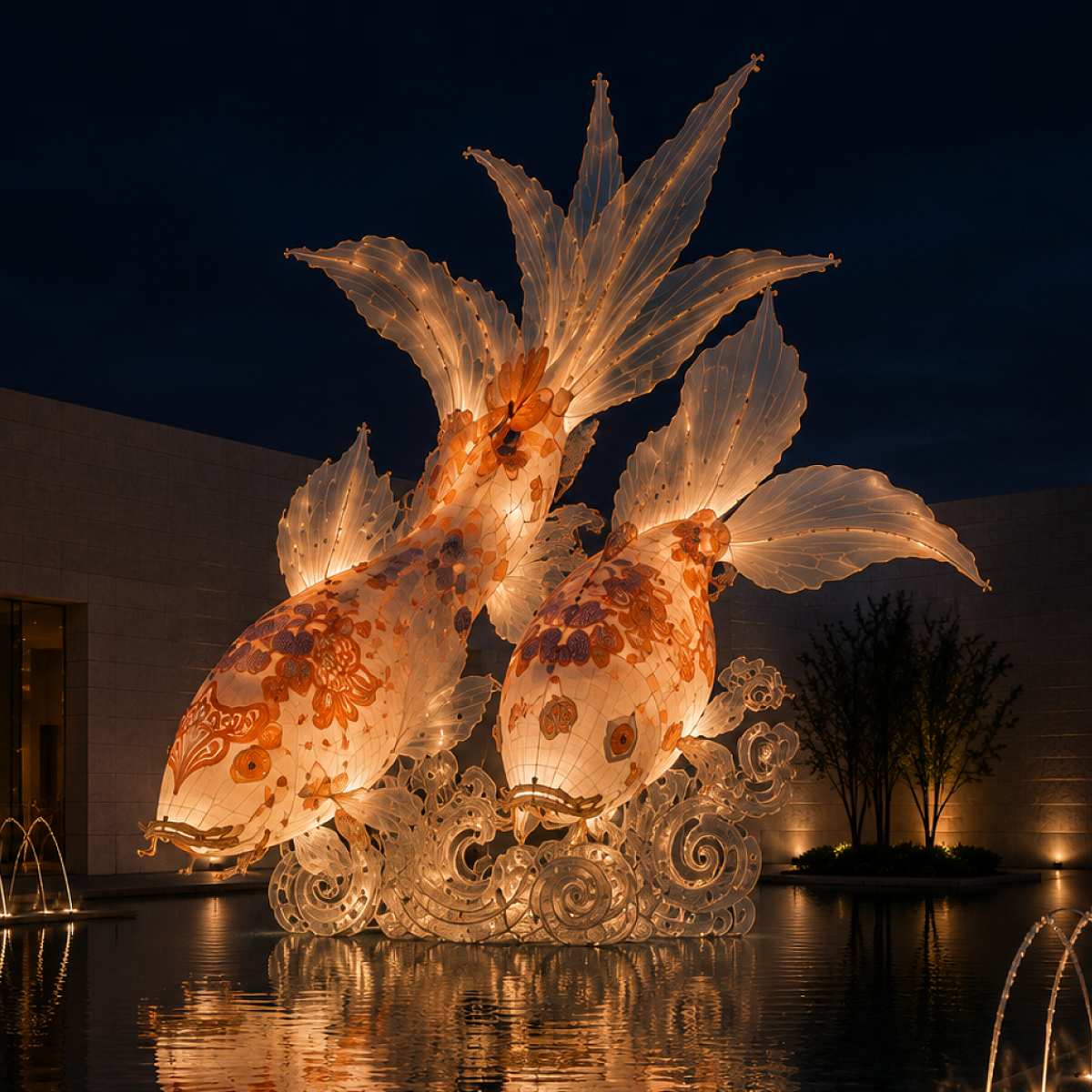
Interactive Light Installation: Before Fish Become Birds Creates a ...
SEPTEMBER 22, 2026
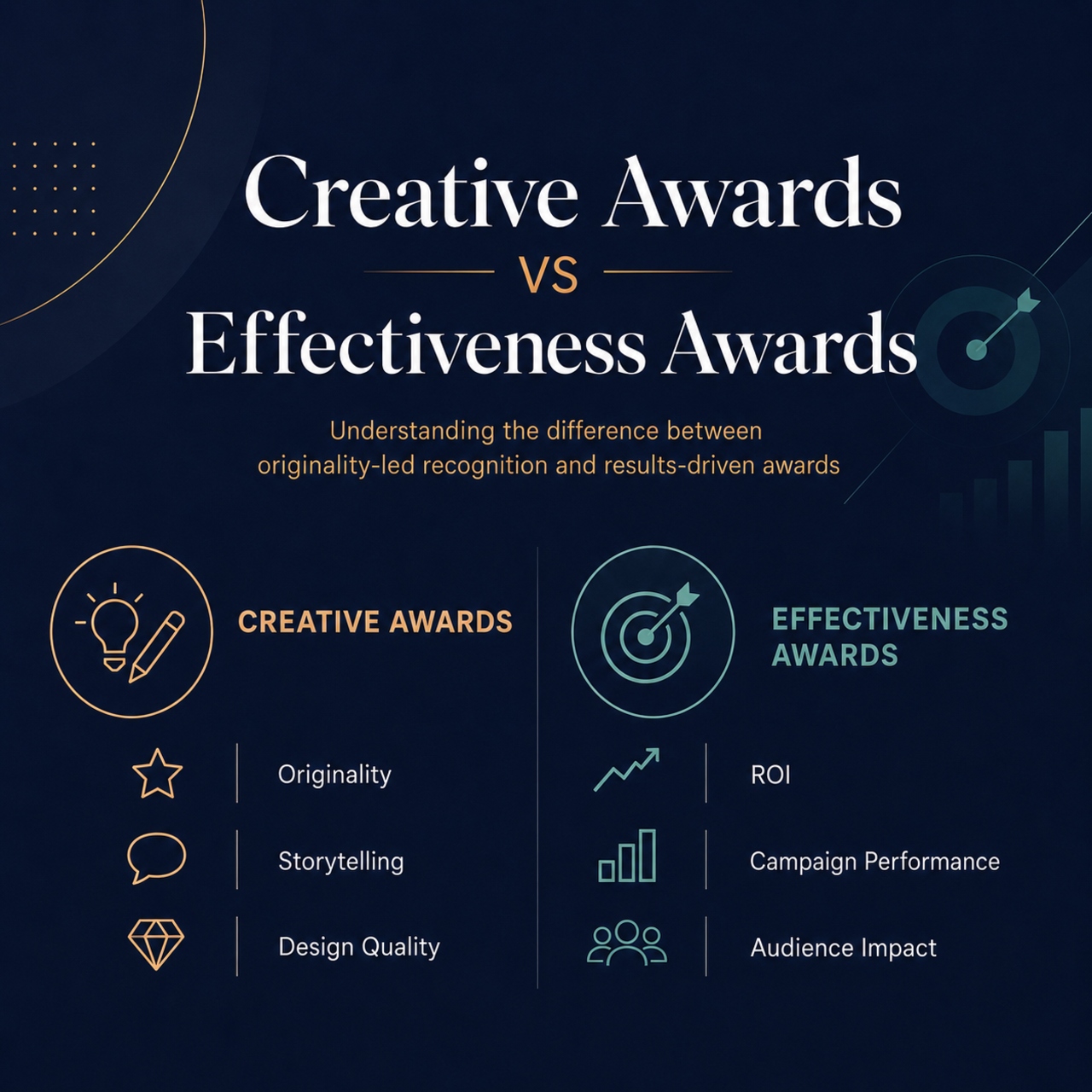
Creative vs Effectiveness Awards | Key Differences Explained
SEPTEMBER 21, 2026

Tonic DNA Brings Highmark’s (un)Hungry Community Story to Life Thro...
SEPTEMBER 17, 2026
Marketing Awards for Startups | Small Business Awards Guide
SEPTEMBER 16, 2026

National Geographic, SDRATS & CICC Capture Life at the Yellow River...
SEPTEMBER 16, 2026
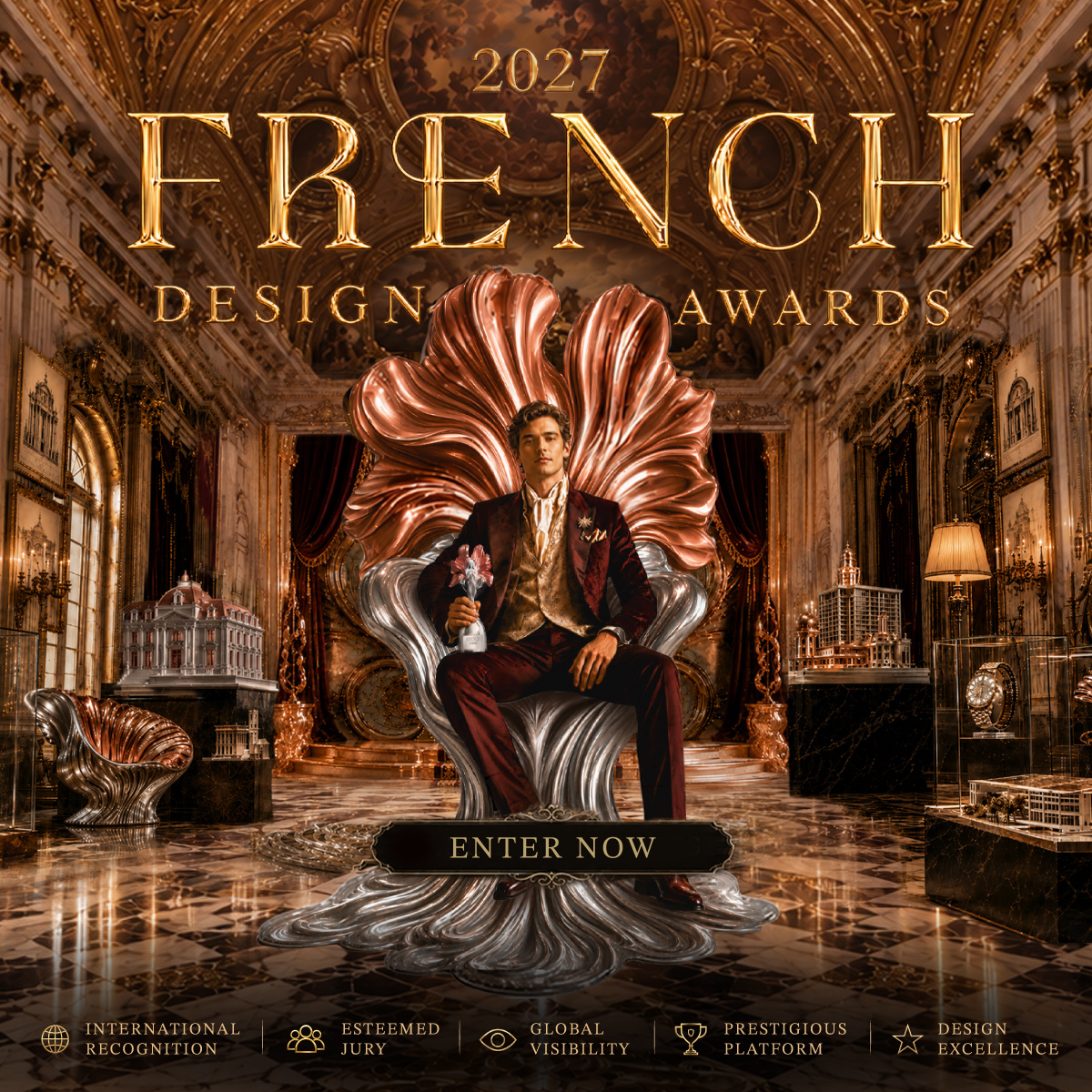
2027 French Design Awards Opens Global Entries for Design Excellence
SEPTEMBER 15, 2026

IAA GLOBAL AWARDS
MUSE Awards
Vega Awards
NYX Awards
TITAN Awards
- TITAN Business Awards
- TITAN American Business Awards
- TITAN Property Awards
- TITAN Women in Business and Leadership Awards
- TITAN Health Awards
- TITAN Innovation Awards
- TITAN Brand Awards