Iris Symphony | 2025 MUSE Design Awards
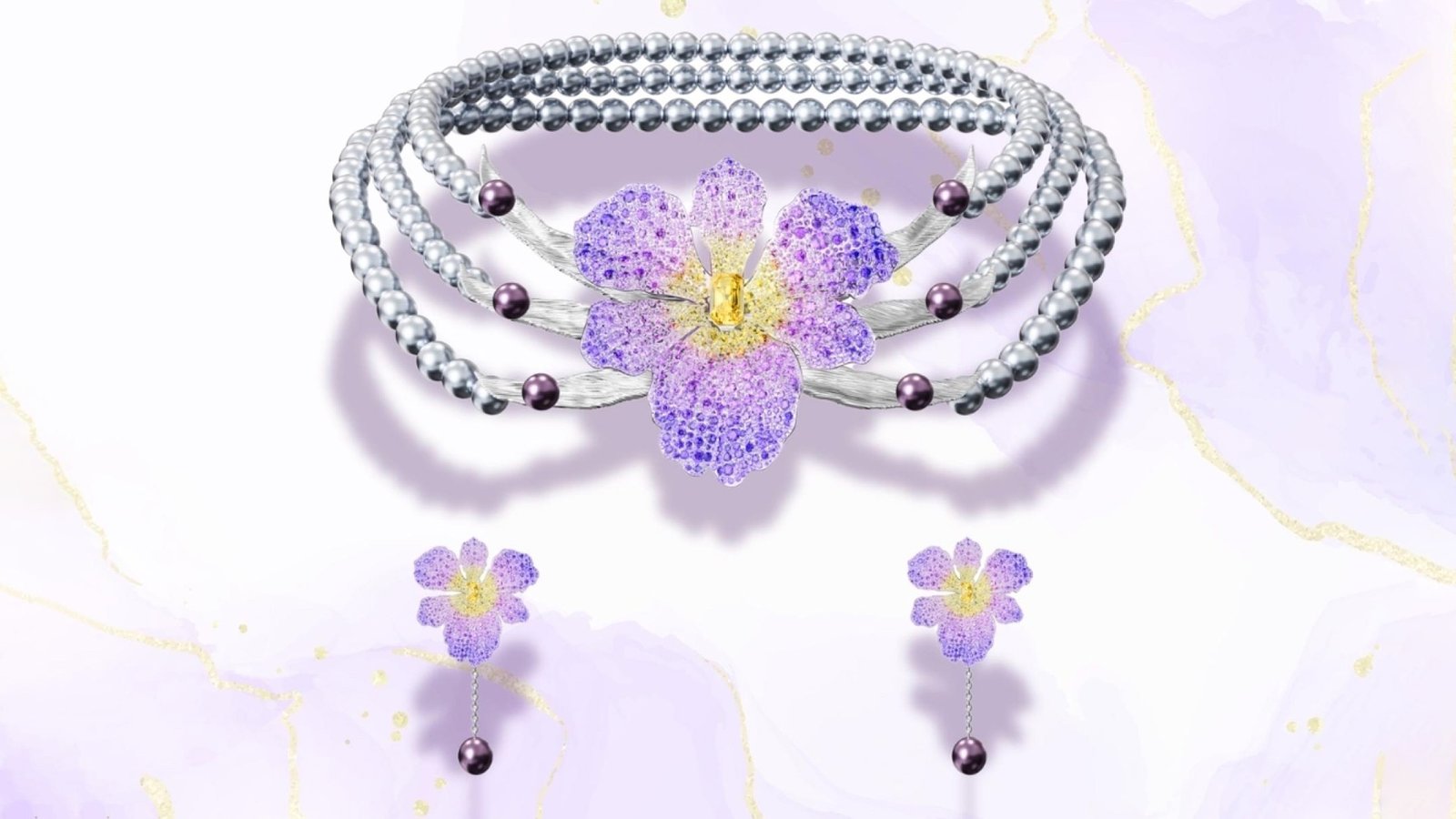
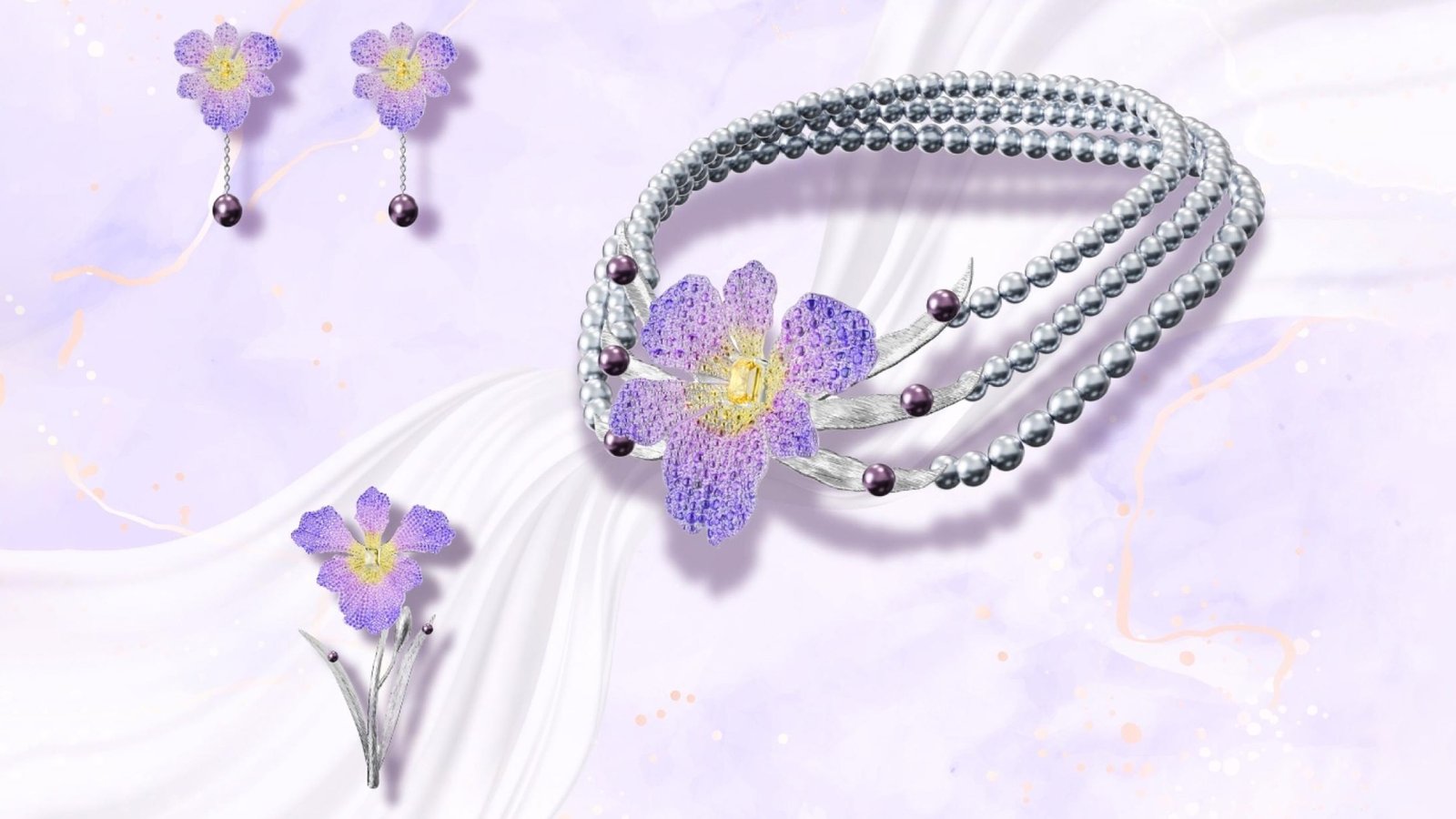
This exquisite jewelry set, inspired by the timeless elegance of the iris flower, includes a...
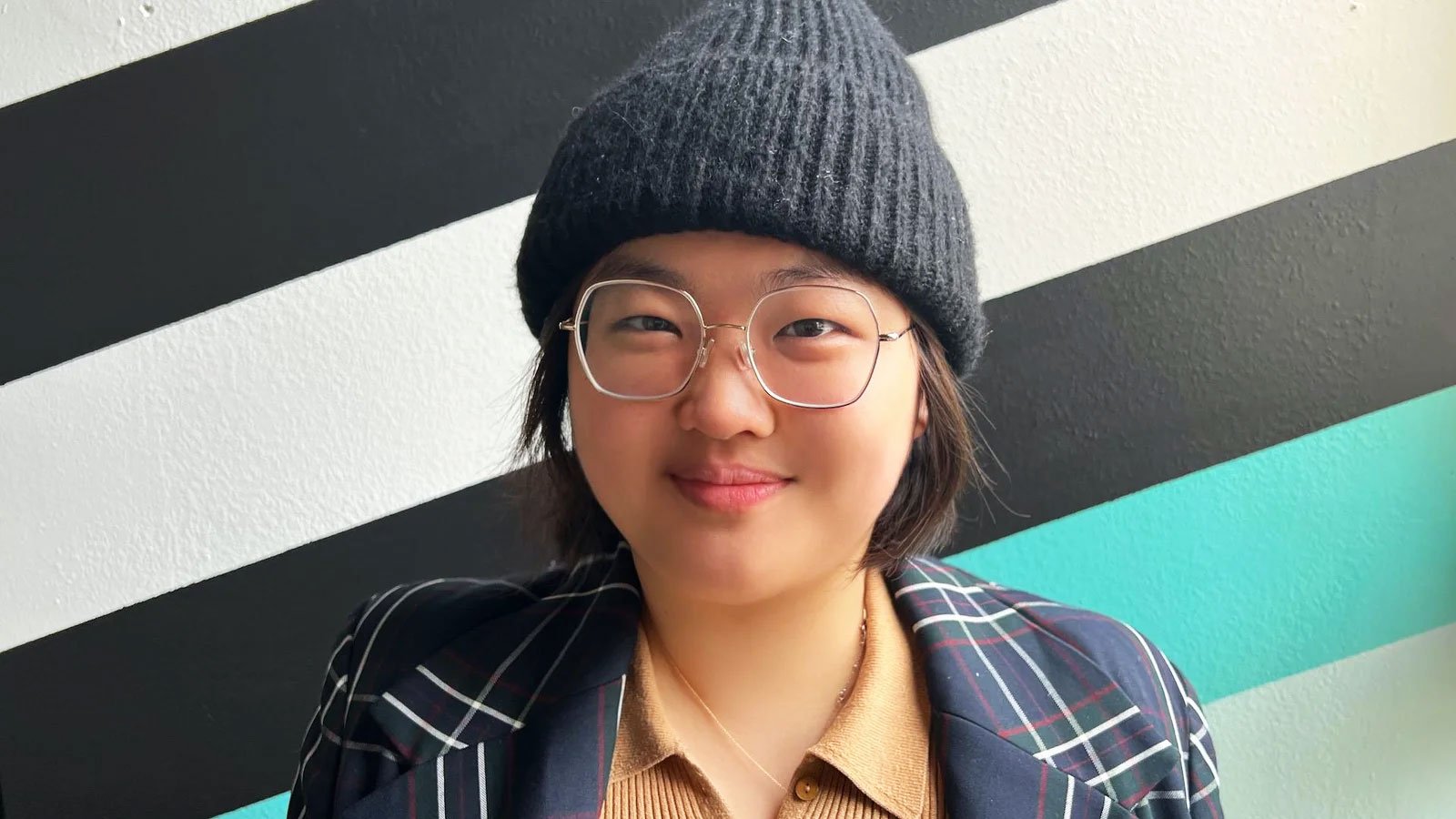
Xinchen Li is a jewelry and installation artist exploring memory, nostalgia, and identity. Trained in computer science, she turned to metalsmithing to express how objects can hold emotion, stories, and meaning.
Thank you! I’m Xinchen Li, a jewelry and installation artist exploring memory, nostalgia, and cultural identity. I originally studied computer science, but my curiosity about materials and the emotional power of objects led me to metal-smithing and design.
I became fascinated by how materials can hold memory and emotion—how even the simplest object can express vulnerability or joy. That’s when I realized design isn’t just about aesthetics or function; it’s about meaning.
This recognition means a lot. As an artist, it validates my voice and encourages me to continue exploring personal and cultural narratives through design. It also shows that bridging the worlds of conceptual art and jewelry design can resonate with a broader audience.
It has brought new visibility and business opportunities, especially in the realm of commercial jewelry, which differs significantly from my more conceptual, contemporary work. This recognition allows me to reach new markets while applying my artistic sensibilities to more wearable, accessible designs. It’s helped me expand professionally in both creative and practical ways.
Experimentation is essential. I rarely begin with a rigid plan—I let the materials and form guide me. For example, in this award-winning collection, I began prototyping the necklace with clay. Once I was satisfied with the form, I translated it into a 3D model to develop the final piece. That physical interaction helps me understand the piece’s emotional and structural potential.
The inspiration for this collection came partly from a personal source—my friend Iris. Her name, combined with the beauty of the iris flower and the symbolism found in Victorian flower codes, led me to create a collection that is rich in both sentiment and visual storytelling.
The process is full of uncertainty and risk. It involves failure, trial and error, and letting go of control. But within that chaos lies the most exciting part—those unexpected discoveries that transform the entire piece.
It’s always a conversation. I try to deeply understand the client’s intention and translate that through my own creative language. While compromise is sometimes necessary, I believe authenticity can still shine through when both sides are open and respectful of the process.
One of the biggest challenges was working with unconventional techniques, like arranging the pavé-set stones to maintain both beauty and structural integrity. It required several trials—and a few do-overs—but persistence and problem-solving helped bring the final vision to life.
Nature is always my go-to. Since the iris flower was central to this design, I spent time observing live irises and taking long walks. It’s a quiet way to reconnect with the source of inspiration and reset my mind.
I always try to infuse a sense of reverence for nature and memory. I’m especially drawn to the way flower codes carry hidden meanings—jewelry, to me, isn’t just adornment, but a way of storing messages and memories.
Don’t be afraid to slow down, and don’t be discouraged by rejection. I was rejected many times early on, but I kept going. If you stay true to yourself and keep evolving, the right opportunities will come.
I’d love to collaborate with Salvador Dalí. His jewelry design merges surrealism with extraordinary craftsmanship—he wasn’t afraid to blur the lines between art, fantasy, and function, and that’s something I really admire.
I wish more people asked, “Where can I get it?” Because as artists and designers, we also need support to keep creating. Making meaningful, beautiful things is important—but making a living is, too.
Explore the journey of Shuoqi Xiong, the Gold Winner of the 2025 MUSE Design Awards. An architectural designer with 7+ years in sustainable design, he sees buildings as living ecosystems in dialogue with nature and people.