Nutrica: Puzzle-Based Nutrition Journaling
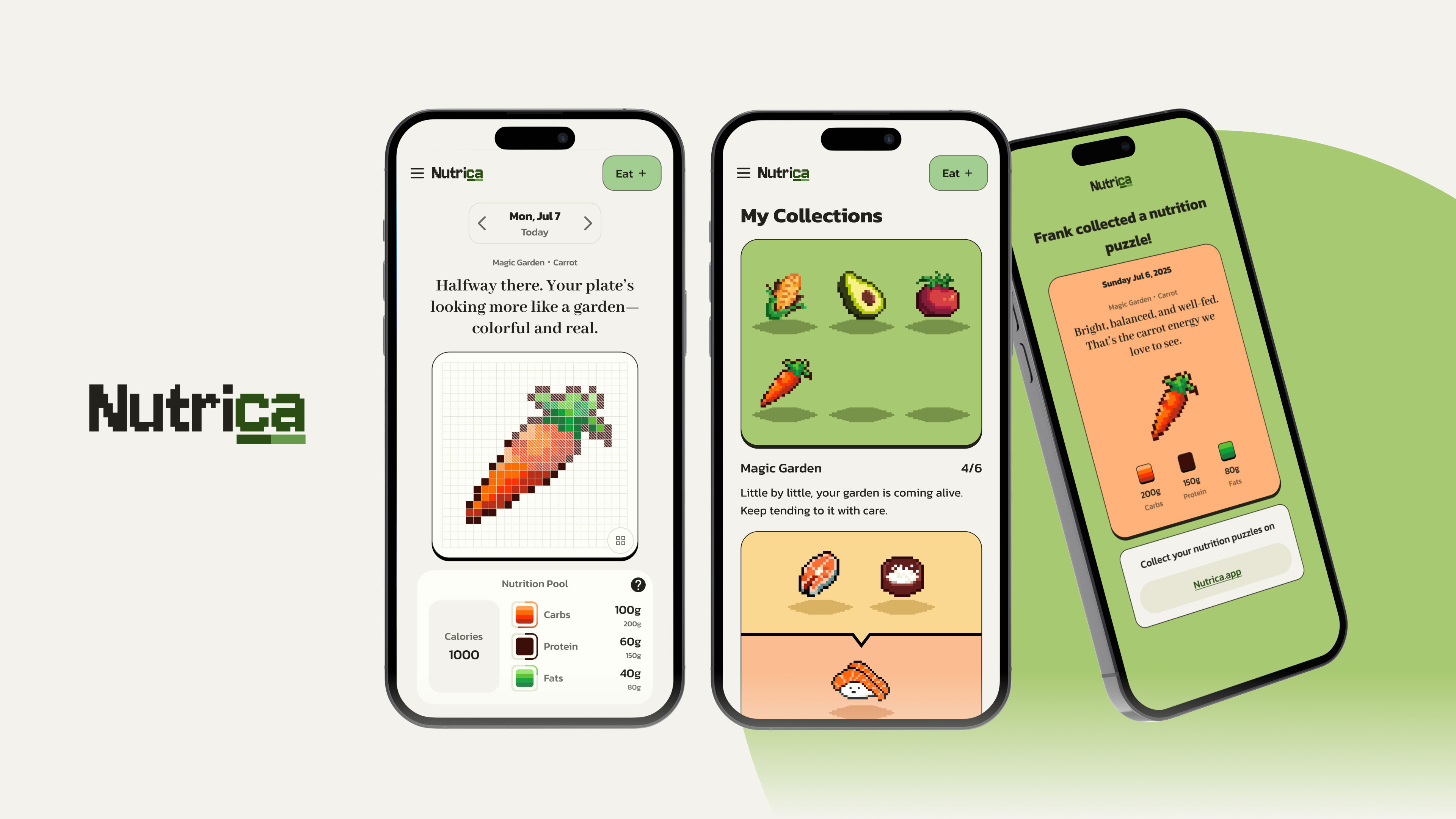
Nutrica is a playful nutrition journaling app that reimagines how people experience daily nutrition tracking....
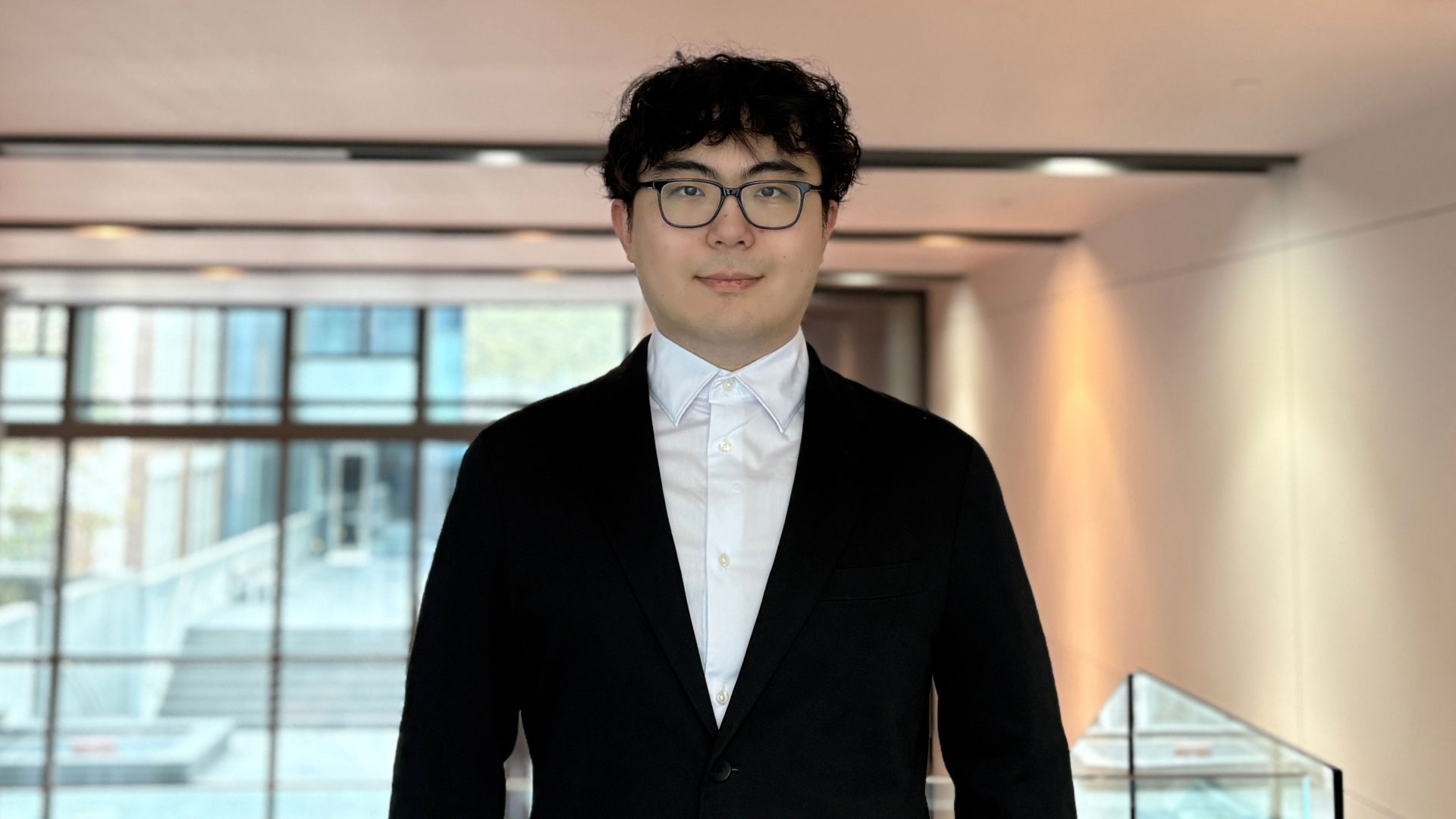
Tianci Gong is a Product and UX Designer exploring how AI can reshape human-centered experiences across healthcare, finance, and enterprise systems, combining emerging technology with thoughtful interaction design to create products that feel both intelligent and deeply intuitive.
Hi, I’m Tianci Gong, a Product and UX Designer building human-centered experiences in the age of AI. My work focuses on designing products across financial services, healthcare, and enterprise systems, with a particular interest in how AI-driven solutions can enhance both operational efficiency and user experience.
At the same time, I’m exploring how AI-assisted workflows are reshaping the design process—from how ideas are defined and validated to how they are ultimately brought to life.
Alongside my professional work, I’m deeply interested in the intersection of digital art, data, and gamified experiences. This curiosity is rooted in my background: I hold an MFA in Interaction Design from the School of Visual Arts in New York and a BFA in Digital Media Art from the Central Academy of Fine Arts in Beijing.
My journey into UX design began at Logitech, where I focused on making everyday interactions with technology feel simpler and more intuitive. Since then, I’ve remained driven by one consistent goal: using technology to empower people and help them connect with the world in more meaningful ways.
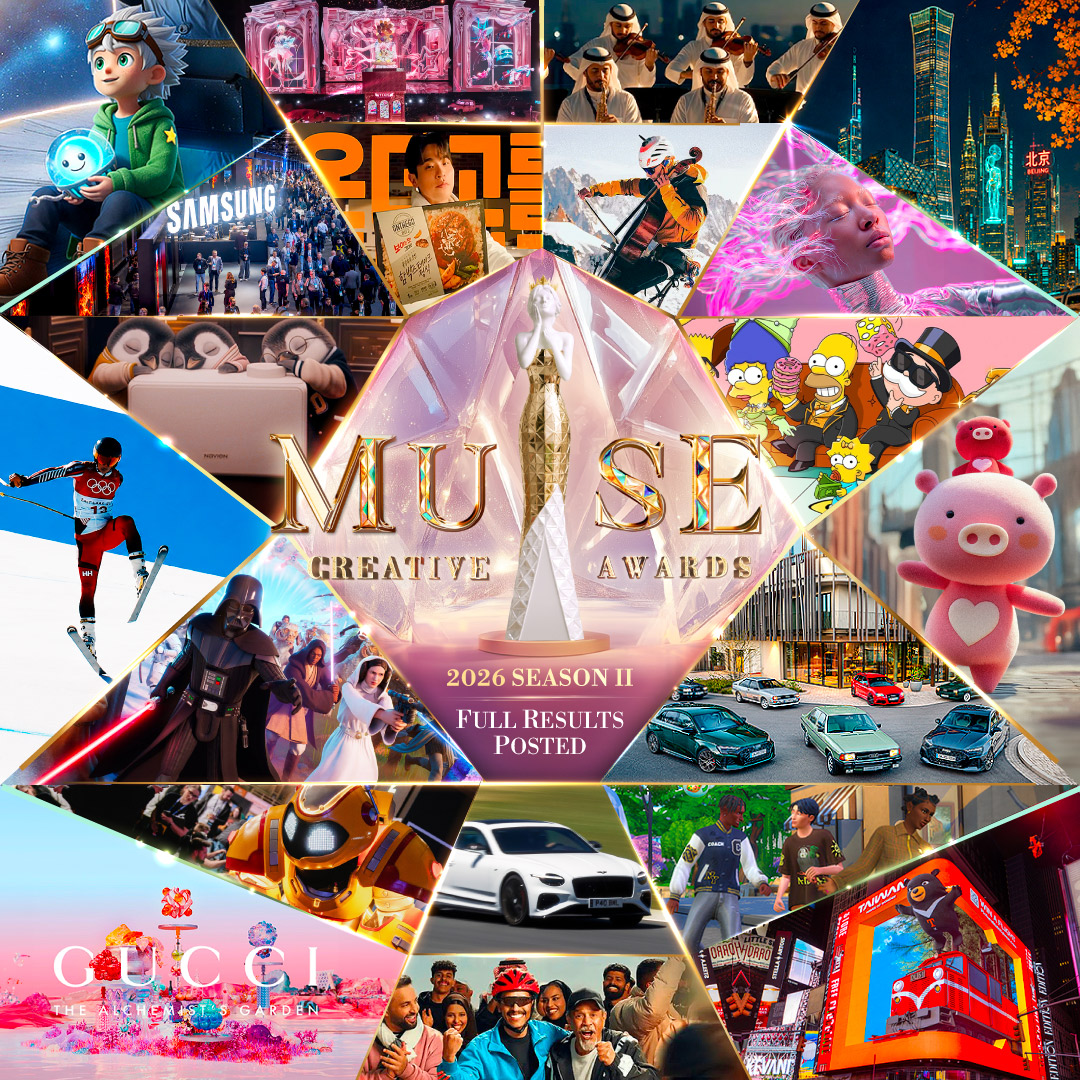
Nutrica began as a collaborative venture between myself and two talented software engineers. While we were in the final stages of research, development, and testing, we decided to submit the project to the MUSE Creative Awards. We wanted professional feedback from industry experts on the product concept, design execution, and overall maturity of the platform, while also gaining the international visibility needed to support and accelerate our launch.
For me personally, this award represents meaningful recognition of my multifaceted role as both Lead Product Designer and Project Lead. It validates my ability to guide a cross-disciplinary team in transforming emerging AI concepts into products with tangible real-world impact. More importantly, the recognition motivates me to continue leading teams in creating digital experiences that push the industry forward.
The inspiration for Nutrica came from my personal experience as an intuitive eater. I noticed that most nutrition-tracking apps felt overly rigid and clinical, often creating unnecessary anxiety around data and self-monitoring. I kept asking myself: why can’t health tracking feel more elegant, engaging, and effortless?
With the advancement of AI, I saw an opportunity to bridge that gap. Our user research confirmed that many people are craving a more positive and approachable relationship with self-care. In today’s landscape, Nutrica reflects a broader shift toward using positive psychology and gamified interactions to transform routine data tracking into a more meaningful, lifestyle-driven experience.
I believe what sets Nutrica apart is its deep exploration of AI-native interactions. In healthcare, AI is often treated primarily as a tool for improving efficiency and accuracy. With Nutrica, however, AI is integrated directly into the core interaction model to create a more engaging and emotionally driven user experience.
At the same time, we intentionally shifted the focus away from purely rational health metrics toward positive reinforcement through gamification. This transition from a utility-first mindset to one centered on emotional resonance is what allowed the project to stand out within the field.
The biggest challenge we faced was the temptation to add too much during the early stages of development. Our initial vision was highly ambitious, but with limited time and resources, there was a real risk of losing focus.
To address this, we made a strategic decision to adopt a lean and focused MVP approach. We redefined our core requirements, removed redundant features, and concentrated our efforts on the differentiators that delivered the greatest value. That sense of restraint and clarity ultimately strengthened the core experience and laid a solid foundation for the project’s successful execution.
Through this award, I hope to spark deeper dialogue and build collaborative opportunities with industry experts and fellow innovators. Our mission is to evolve the AI-driven “efficiency revolution” into a more human-centered “experience revolution.”
I see this recognition as a springboard for further exploring AI-powered interaction models and creating more meaningful, delightful, and impactful digital products that enrich people’s everyday lives.
During the user testing phase, one of the most memorable moments for our team was seeing users respond so enthusiastically to the “puzzle-sharing” feature. Much of the feedback highlighted how Nutrica made tracking daily nutrition feel easy, enjoyable, and engaging rather than stressful or overwhelming.
That positive response deeply encouraged our team and reinforced our belief that thoughtful design can create meaningful value in people’s everyday health and wellness journeys.
The advice I would share is that many conceptual projects today tend to be either overly ambitious or lacking in depth, which can often make them feel interchangeable. In this context, building a strong MVP has become increasingly important.
A compelling digital product concept should exist beyond clickable prototypes, mockups, or presentation videos. It should involve cross-disciplinary collaboration to quickly develop a functional MVP and validate its core experience through real user testing.
This process not only improves the maturity of the project, but also introduces valuable external feedback and opportunities to refine the core value proposition. Ultimately, the goal is to move beyond design that simply looks impressive toward innovation that genuinely works in practice.
AI is reshaping the creative workflow, pushing designers beyond specialized roles and toward becoming more versatile experience creators.
For me, this transformation is also deeply personal. It means stepping outside the comfort of traditional corporate workflows and embracing a define-design-build mindset, where I am not only designing experiences, but also actively shaping, testing, and evolving them.
I see myself growing into an AI-fluent experience creator—someone who uses technology not simply for efficiency, but as a medium for creativity. In a world increasingly shaped by algorithms, what matters most to me is creating experiences that still feel intentional, distinctive, and ultimately human.
Recognition can come from many sources, including peers, users, the broader market, and professional awards.
For emerging designers, participating in awards is not only about gaining recognition—it is also an important milestone within the life of a project. The process of preparing submission materials encourages you to revisit your product’s narrative and clarify its core value, and that kind of reflection is incredibly valuable for growth.
Most importantly, do not let limited experience hold you back. Have the confidence to share your work and allow it to be seen.
AI technology is providing the creative community with new sources of inspiration, fertile ground for experimentation, and powerful tools for creation. Let’s use these technologies to unlock more thoughtful ideas and craft experiences that genuinely delight, inspire, and connect with users.
Yes, this recognition truly belongs to the entire team. I’m especially grateful to Yanxin Chen and Zijin Zhou, whose technical expertise, creativity, and continuous commitment made it possible to bring Nutrica from concept to reality.
“Making healthy awareness simple and enjoyable.” Our mission is to empower people to embrace healthier lifestyles through elegant, intuitive, and thoughtfully designed experiences.
It’s an exciting stage for us. We are currently refining the core algorithms and design details of the web platform while continuing development on the mobile app. We hope to launch on the app stores in the near future, so stay tuned.