Design & Inspiration
Yanling Zhang on Streamlining Medical Dashboards
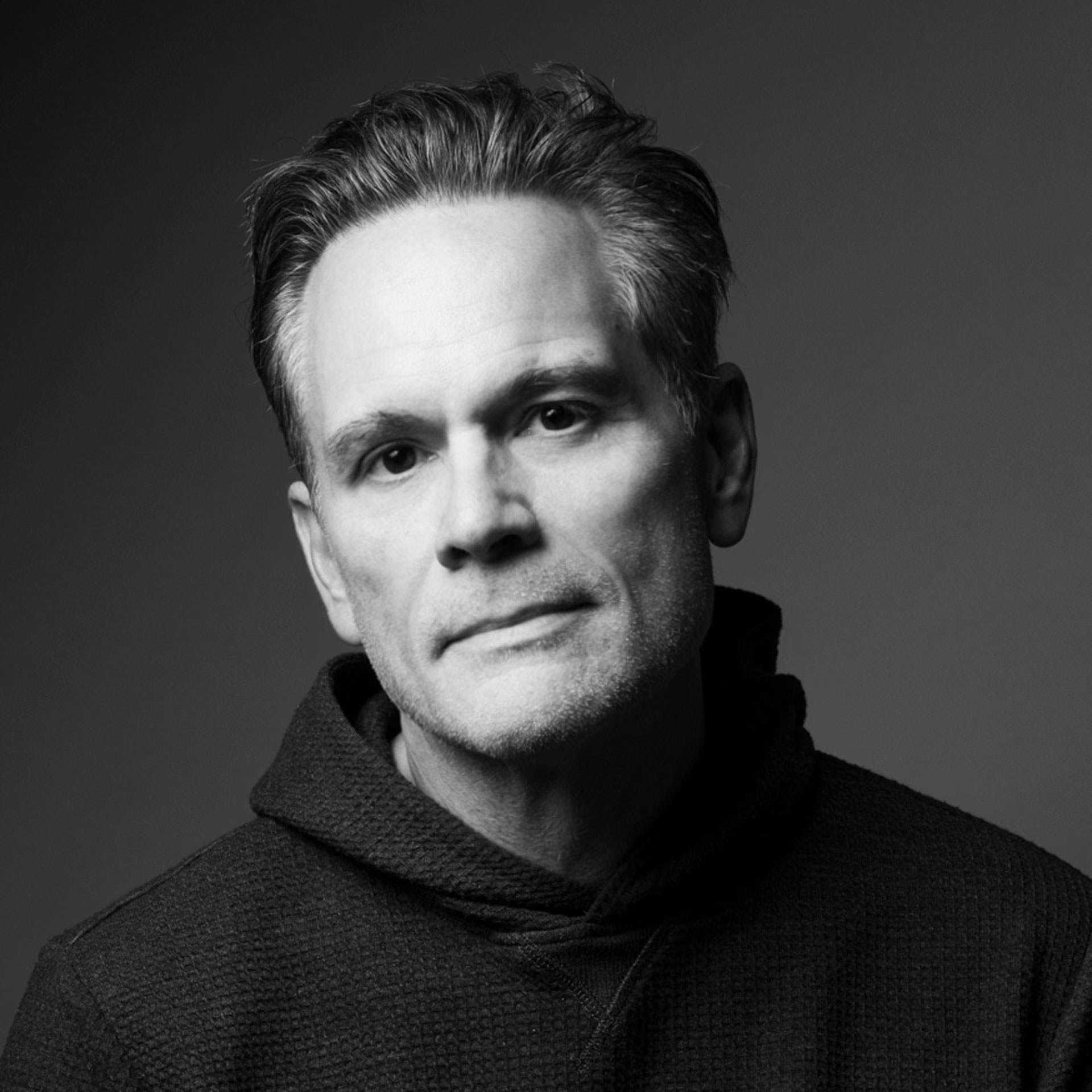
Yanling Zhang
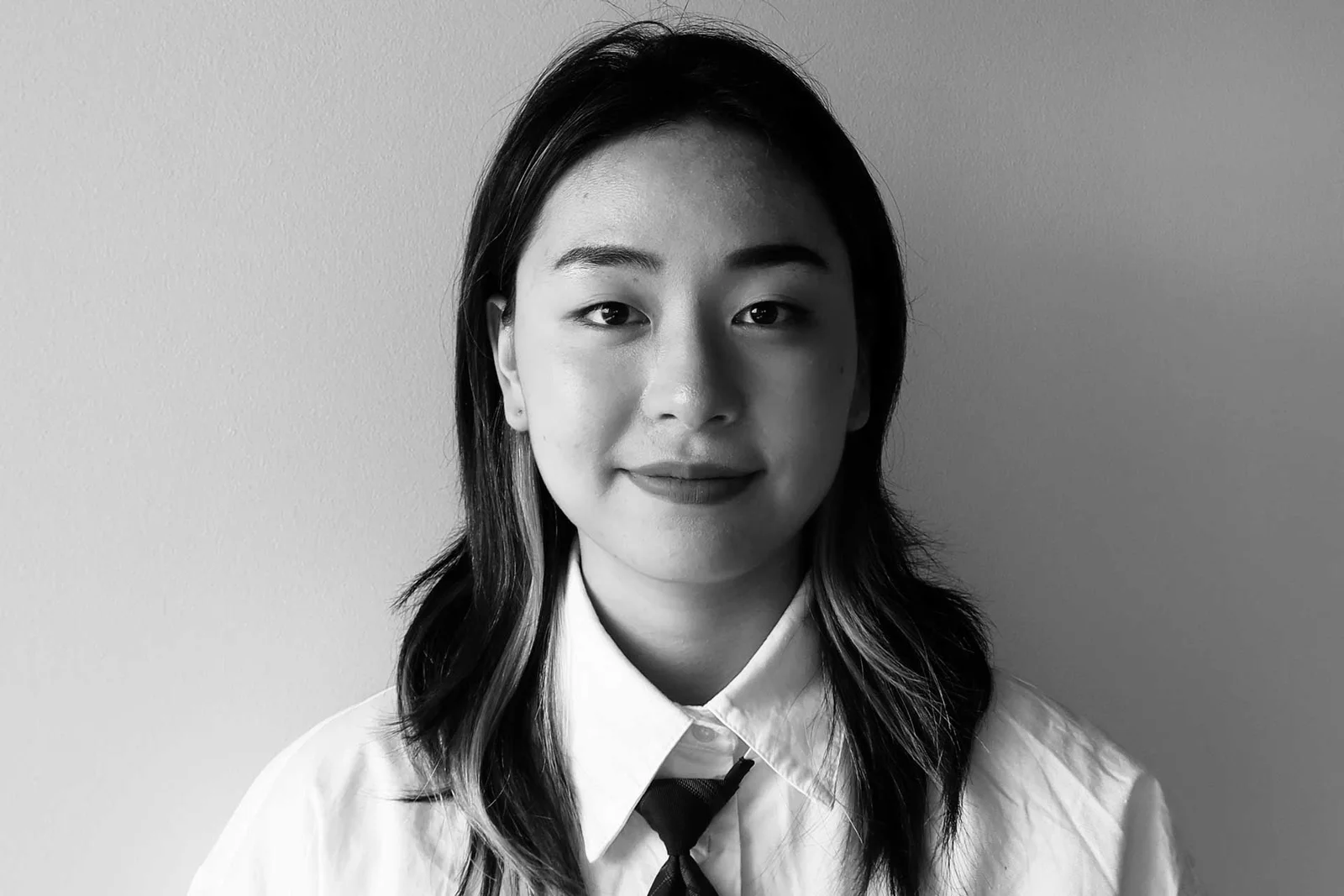
Yanling Zhang, a product designer at Biomotivate, leads design for an addiction treatment project while also working at a video management software company. Her experience across these fields allows her to adapt quickly and apply design to drive meaningful innovation.I'm Yanling Zhang, also known as Jenny and I'm a product designer based in Seattle. My career has taken me across industries, allowing me to work on diverse design projects, gain a unique perspective, and develop a passion for solving real-world challenges.
Through my experience, I’ve learned that creativity and user insights are essential in building designs that solve problems effectively and leave a meaningful impact. I focus on user needs, blending design with technology to create products that resonate with people and add value.
Creativity, for me, is about connecting the dots. From a young age, I learned to paint, and my experiences in art taught me to seek meaning and beauty.
Over time, I found myself drawn to the logical side of problem-solving. By combining aesthetics with understanding and context, I discovered I could create solutions that not only look good but also genuinely help people.
At Biomotivate, I lead the product design for an addiction treatment project. This role is crucial in transforming a complex medical dashboard into a user-friendly tool that enables researchers and therapists to monitor patient metrics like skin conductance, heart rate, and other critical indicators.
The project requires balancing complexity with simplicity to ensure that all stakeholders can easily access and interpret the data they need to make informed decisions. My role at Biomotivate has been central in setting the direction for this dashboard, from the initial design concept to testing and iteration.
Currently, I’m also a Product Designer at a video management software company. Here, I oversee initial design phases, research, and development for core product features. My role spans various responsibilities, from roadmap planning to hands-on design implementation.
Working across these fields has helped me quickly adapt to new contexts and use my design skills to drive impactful innovation.
To me, creativity is about making connections. It’s about bringing together seemingly unrelated pieces of knowledge or experience to solve a problem from a fresh perspective. Creativity also means being brave enough to think differently and persistent enough to bring those ideas to life.
A creative idea is one that efficiently uses available resources to address a problem directly. It should be both practical and impactful, taking a unique approach while remaining grounded in solving real needs.
My process starts with immersing myself in the context, gathering information, and understanding the needs. I begin with small experiments to test workflows, gradually moving to larger projects where I generate and validate ideas.
Towards the end, I collaborate with developers to refine the design and ensure a smooth deployment.
I love the testing phase because it allows me to see how others react to my designs. This feedback opens up new perspectives and often reveals opportunities to refine or expand the design.
It’s exciting to see ideas evolve and improve through feedback.
My style is user-centered, with a strong emphasis on logic and structure. I enjoy designing products that require strategic thinking, like web and software interfaces. My approach combines a clear, organized framework with a sensitivity to user needs.
Yes, my background in traditional Chinese painting taught me to focus on capturing the essence of an idea. This emphasis on purpose and clarity shapes my design approach, as I prioritize understanding what I’m creating and why.
Additionally, my experience working on rural design projects in China instilled a desire to make designs that positively impact people's lives.
It’s an honor for both me and my team, and it recognizes our hard work and dedication. This award motivates us to keep creating meaningful work, especially in the healthcare field, and inspires me to continue pursuing impactful design projects.
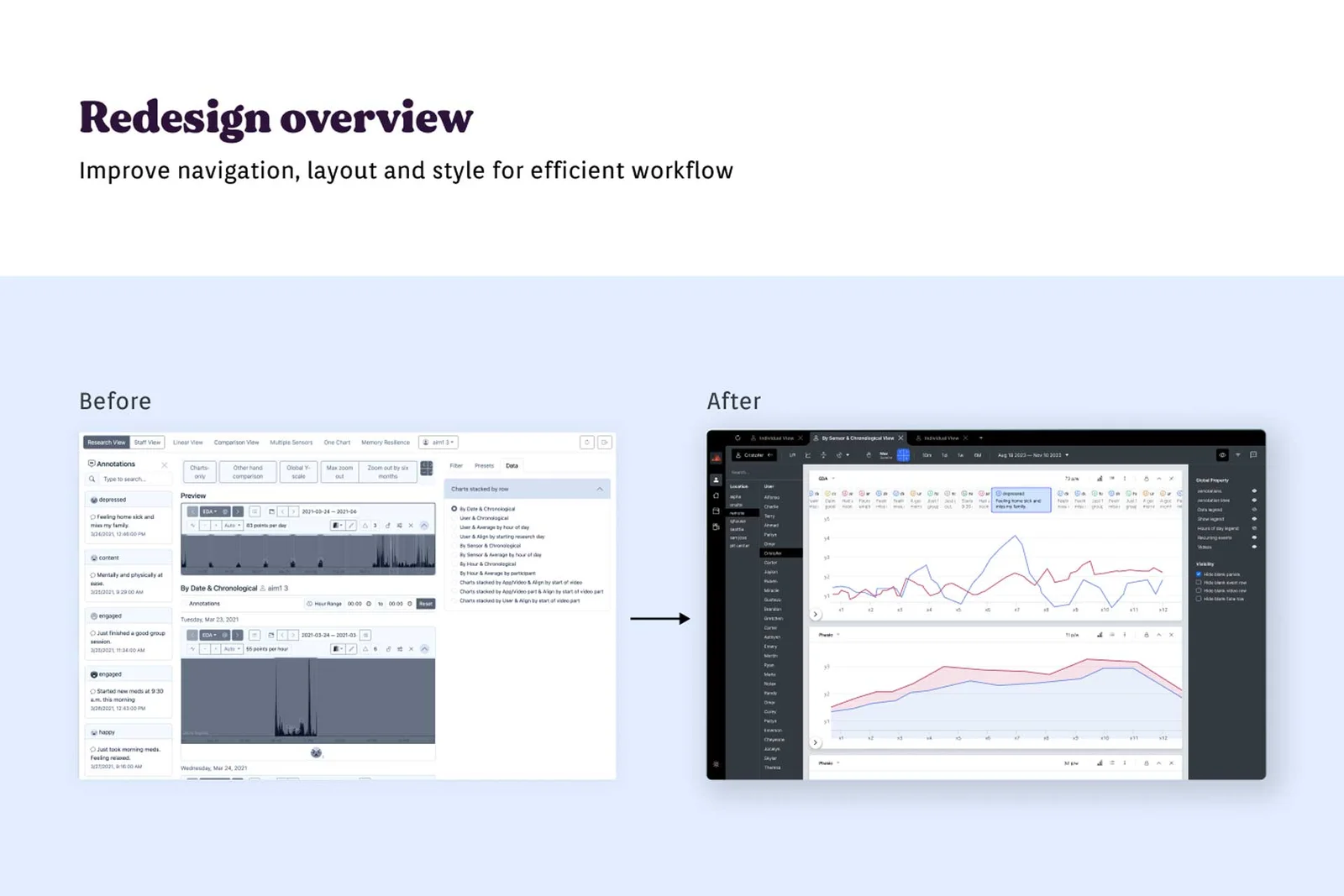
The project was a meaningful one for me, as I led the redesign of a complex medical dashboard to improve user experience. The dashboard serves various users, from researchers to therapists, and presents essential biometrics for addiction therapy.
The challenge was to create a user-friendly interface that supports diverse needs while handling complex data.
The biggest challenge was working with a dashboard that had accumulated years of features without refinement. It was dense with information, catering to a complex domain and a diverse user base. We had to streamline this while preserving critical functions.
My team and I conducted thorough research and analysis to re-establish a clear, structured framework that would serve all user groups effectively.
Winning this award has inspired me to push my work further and deepen my commitment to user experience design. It motivates me to continue honing my skills and creating designs that make a positive impact.
I love that the design industry is responsive to real-world needs and user-centered. I also appreciate the rapid testing process, which allows for quick iteration, unlike traditional fields with long development cycles.
Finally, the industry is open-minded and collaborative, with designers eager to share knowledge and help each other grow.
In China, the UX design industry moves at an exceptionally fast pace, using highly efficient methods to iterate quickly and tackle a variety of challenges. This agility makes China unique and influential in the creative world.
I believe AI and conversational design will significantly impact the industry, reshaping both the design process and end products. Traditional web and software design may evolve into more integrated experiences, possibly beyond graphical interfaces.
As AI automates certain tasks, designers will have more freedom to focus on conceptual work and innovation.
Do your research, believe in your work, and don’t hesitate to reach out for advice from experienced professionals. There’s always something to learn, and guidance from others can help you grow.
I recommend ADPList, a platform where you can find mentors and connect with like-minded professionals. It’s been invaluable to me for gaining insights and exchanging ideas.
One thing I don’t often share is that my design process starts out a bit chaotic. I try various tools, sketches, and frameworks to explore ideas. Although it looks messy, this exploration helps me find the best solutions.
At the end of the process, I organize everything into a clear, logical presentation, but this initial chaos is essential to my process.
A writer I know who started her career later in life after facing significant personal challenges has been a major inspiration. Her journey showed me that it’s never too late to start something new and meaningful, especially for women.
Her courage and resilience have inspired me to pursue my own goals and believe in the power of persistence.
The key to success is doing something you love and find meaningful. When you put in consistent effort, even if progress feels slow, it will eventually pay off. Success comes from staying dedicated to the journey.
Winning Entry
Explore the journey of Qianru Zhang, the Silver Winner of the 2024 MUSE Creative Awards. She is the lead UX designer at Kora Financial, driving the user experience from concept to execution. She creates wireframes, builds interactive prototypes, and collaborates with UI designers and engineers to deliver seamless, intuitive digital experiences.
Latest Posts
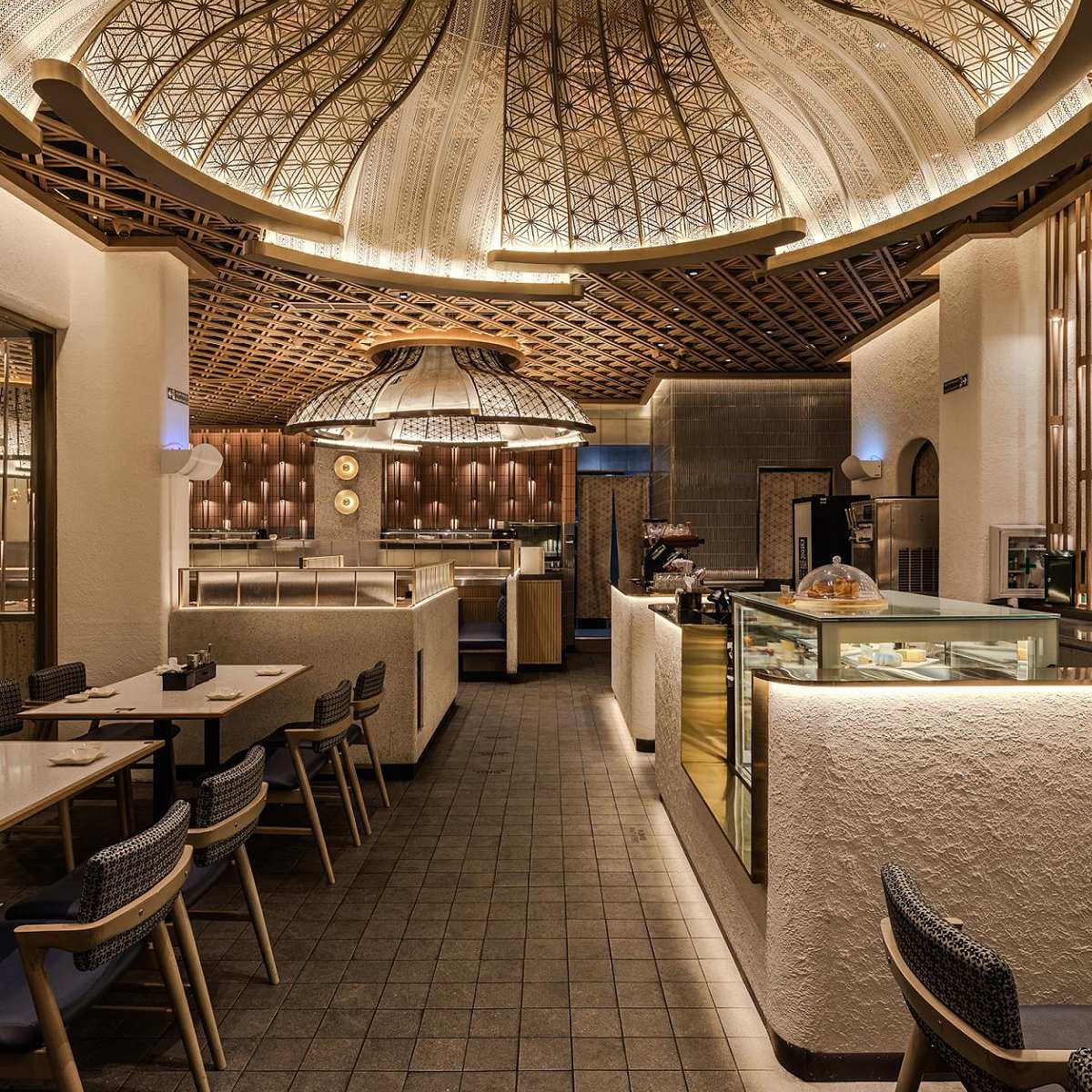
MoMo.Co.,Ltd. Creates a Refined Dining Environment for Sushi Tei Jawa
SEPTEMBER 28, 2026
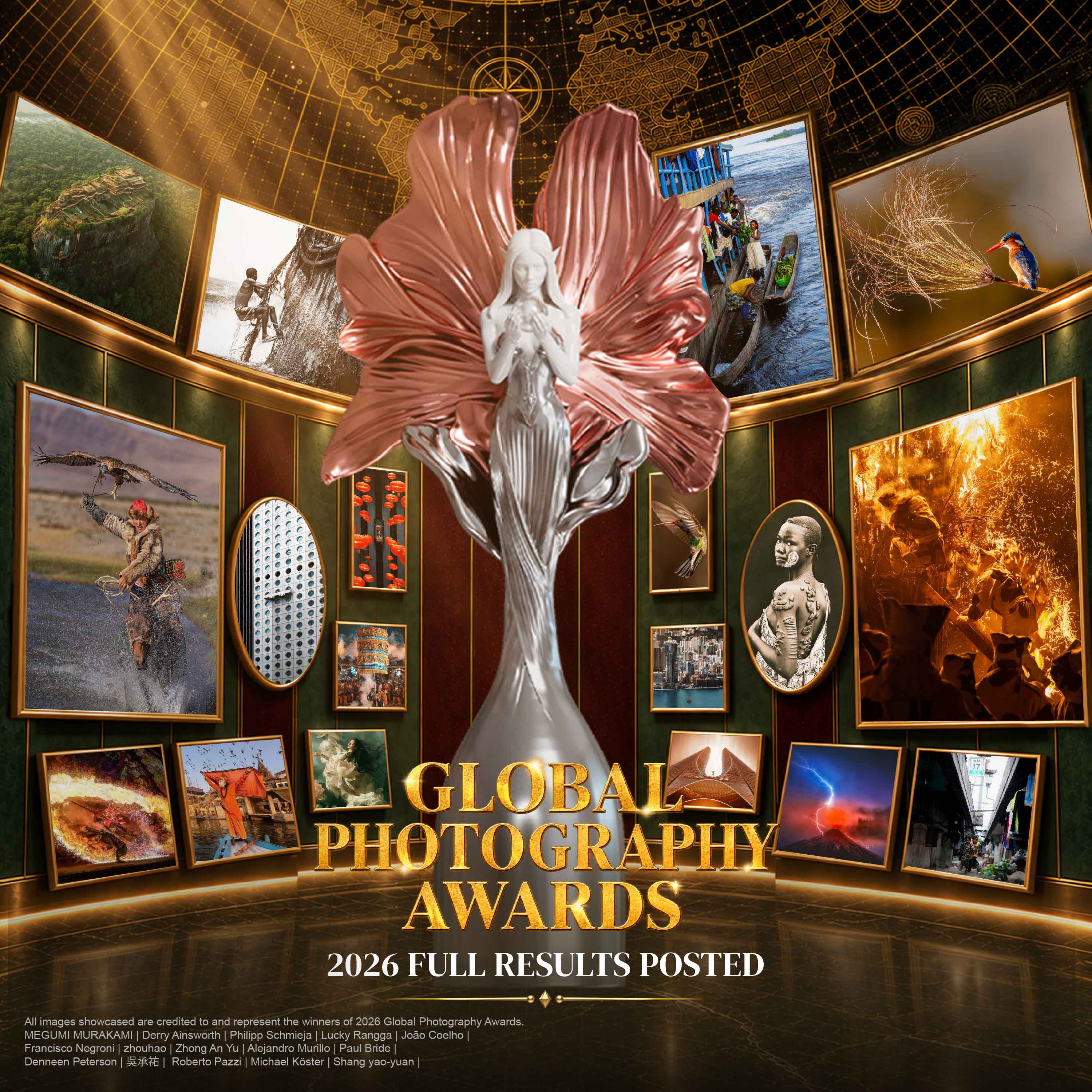
2026 Global Photography Awards Reveals Photographers of the Year an...
SEPTEMBER 25, 2026
How Many Awards Should You Enter? (Strategy Guide)
SEPTEMBER 23, 2026
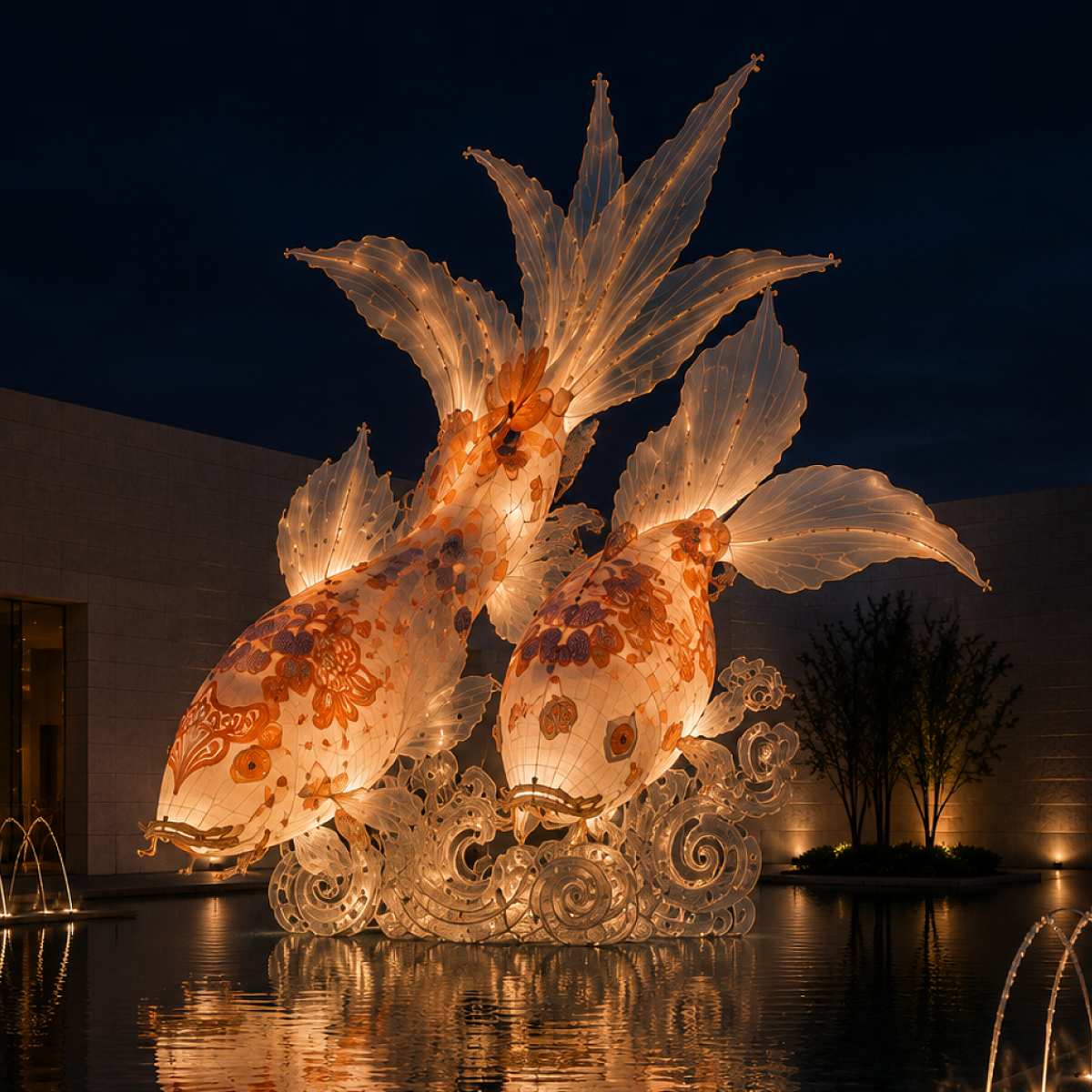
Interactive Light Installation: Before Fish Become Birds Creates a ...
SEPTEMBER 22, 2026
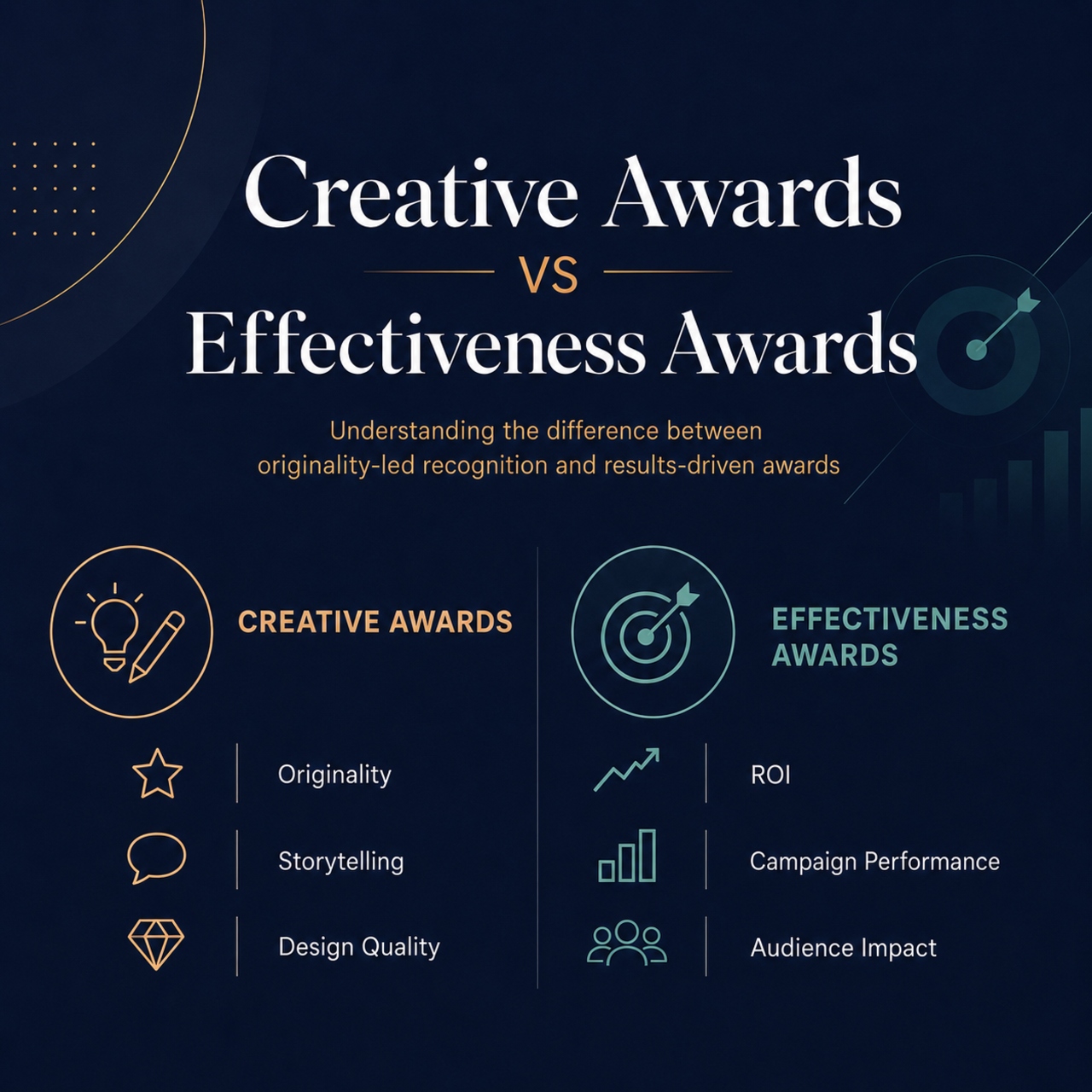
Creative vs Effectiveness Awards | Key Differences Explained
SEPTEMBER 21, 2026

Tonic DNA Brings Highmark’s (un)Hungry Community Story to Life Thro...
SEPTEMBER 17, 2026
Marketing Awards for Startups | Small Business Awards Guide
SEPTEMBER 16, 2026

National Geographic, SDRATS & CICC Capture Life at the Yellow River...
SEPTEMBER 16, 2026
2027 French Design Awards Opens Global Entries for Design Excellence
SEPTEMBER 15, 2026

2027 French Fashion Awards Opens Global Call for Entries
SEPTEMBER 15, 2026


IAA GLOBAL AWARDS
MUSE Awards
Vega Awards
NYX Awards
TITAN Awards
- TITAN Business Awards
- TITAN American Business Awards
- TITAN Property Awards
- TITAN Women in Business and Leadership Awards
- TITAN Health Awards
- TITAN Innovation Awards
- TITAN Brand Awards