YAOJIANG · WENXI MINGZHU
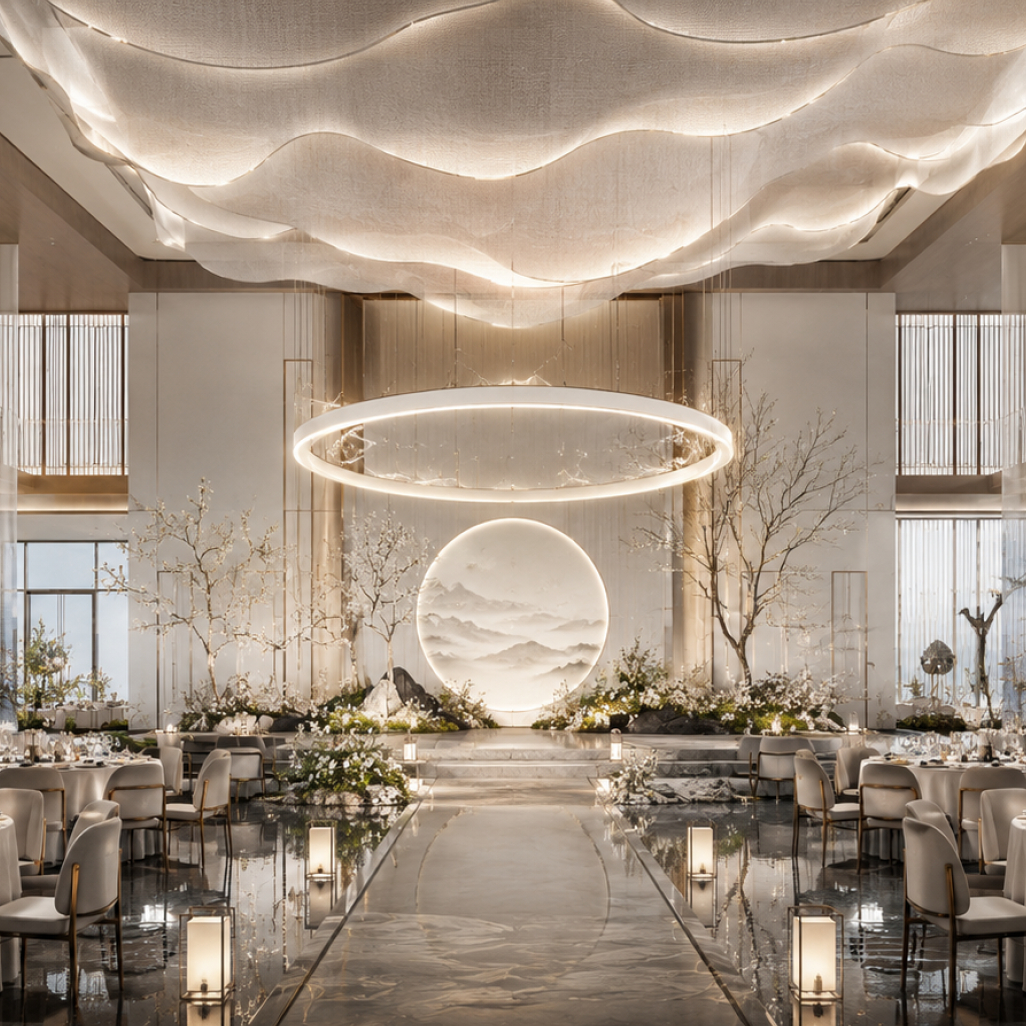
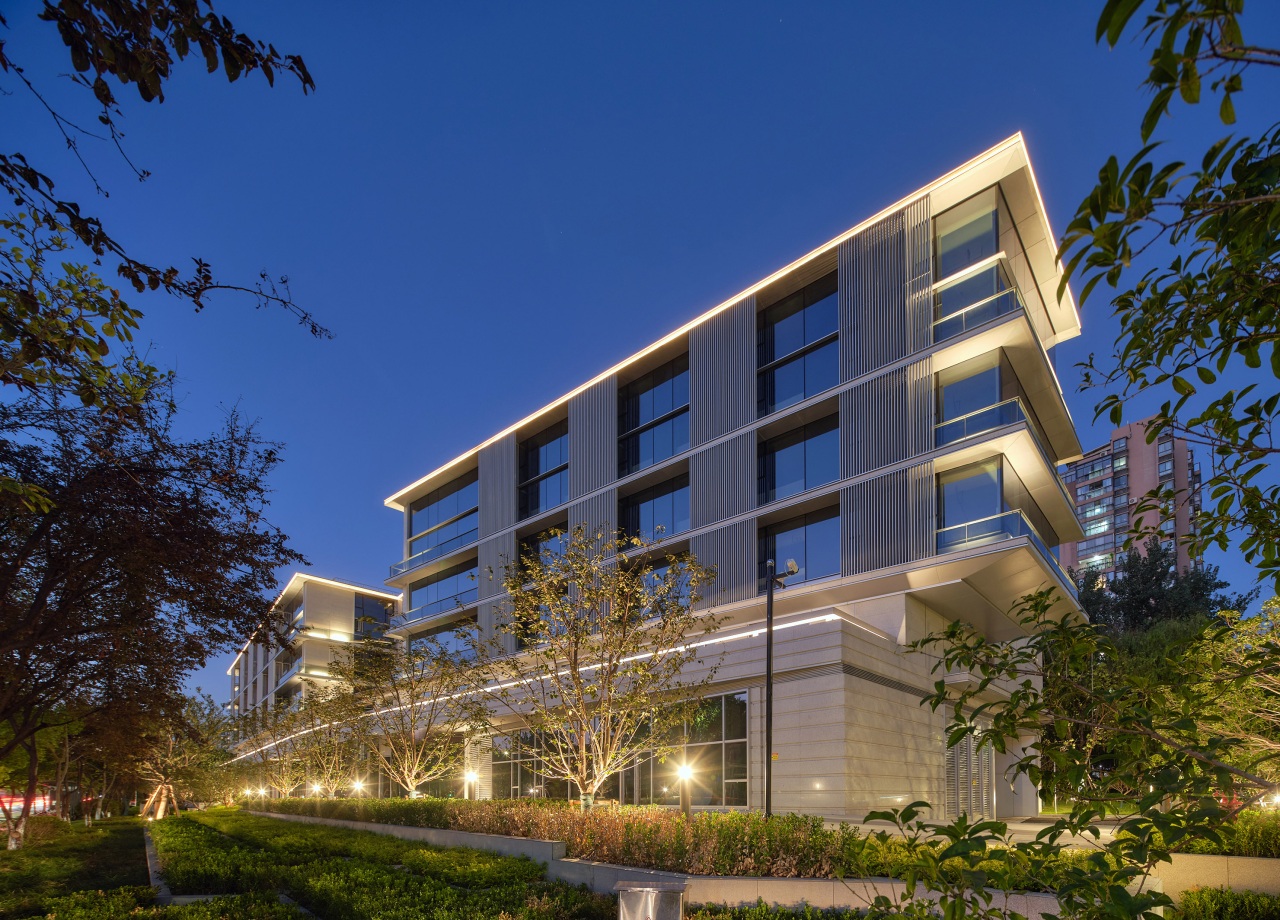
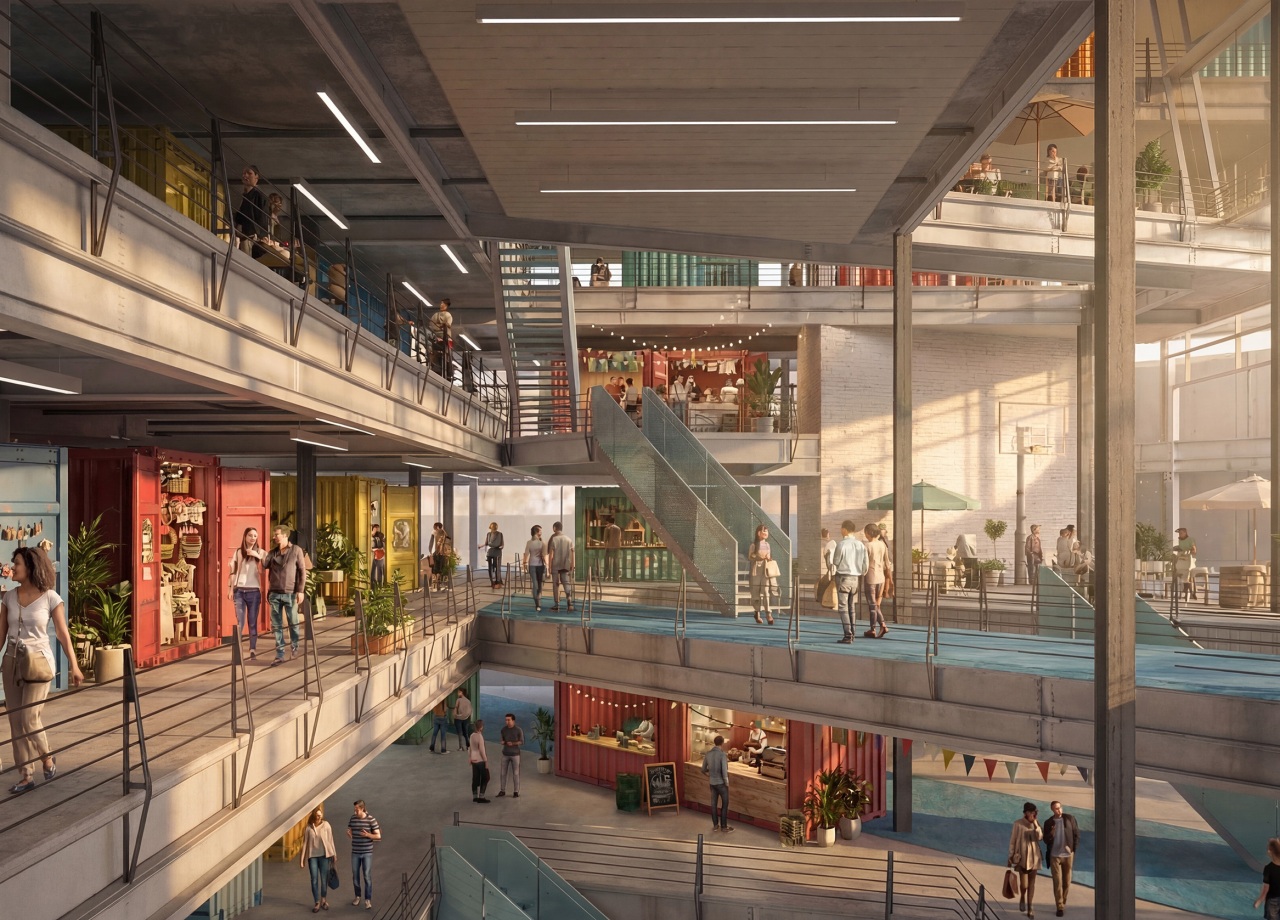
YAOJIANG · WENXI MINGZHU is located at the heart of the Zijingang area in Xihu...

Zhi Duan is a California-licensed architect whose work is shaped by a deep interest in how the built environment influences human connection, movement, and daily life. Drawing from a background in sustainable design and a cross-cultural perspective, he approaches architecture as a meaningful response to the complexities of the modern world.
Thank you — this recognition means a great deal. I'm a California-licensed architect practising at HGA Architects. I studied Architecture with a minor in Sustainable Environments at Cal Poly San Luis Obispo, which gave me a strong technical foundation and an early appreciation for design that's responsive to both people and planet.
Growing up between cultures — overseas and in the United States — I was always acutely aware of how built environments shape the way people live, move, and connect. That observation is what drew me to architecture. I wanted to be someone who actually shapes those environments, not just inhabits them.
Thinkers like Rem Koolhaas reinforced that instinct for me — the idea that architecture can be a mirror of society, reflecting its contradictions and complexity, resonated deeply. Design, at its best, isn't decoration. It's a response to the world as it actually is.
It's genuinely humbling. When you spend your days deep in construction details, spatial optimisation, and coordination across teams and continents, it's easy to lose sight of the bigger picture. An external recognition like this is a reminder that the rigour and intention behind the work lands — that it communicates beyond the project itself. More than personal validation, it means the work is part of a larger meaning.
It's created momentum within the team. Recognition at this level opens doors to the kinds of high-profile, complex commissions where you can actually push ideas further — where clients are willing to take creative risks alongside you. It's also sparked conversations with collaborators from other disciplines and geographies, which feeds directly into how I approach design. Architecture doesn't happen in isolation, and awards that have an international scope tend to attract international perspectives.
Experimentation is central to how I work. I'm particularly interested in visualisation as a tool for discovery — not just for presenting finished ideas, but for pressure-testing spatial logic, structural concepts, and material choices before a single thing gets built. Early in a project, I'll often push a concept to an extreme just to understand its limits, then pull back to find the right resolution.
On a recent commercial development, we experimented with several approaches to a curtain wall system — not to find the cheapest or most expedient solution, but to understand how daylight behaviour changed the spatial experience of the interior across different seasons. That kind of iterative testing is Koolhaas's spirit: approaching each project as a hypothesis to be tested against its brief, rather than an aesthetic to be applied.
Basketball, genuinely. The geometry of play — spacing, flow, the way players read and react to a system in real time — has influenced how I think about spatial programming. Buildings that work well have a similar logic: they're set up so that people can intuitively navigate and occupy them without friction. The court doesn't tell you where to stand; it sets conditions, and the rest emerges.
Living between cultures has also been a profound, if less tangible, source. When you've inhabited different built environments from childhood, you develop an almost instinctive sense of what's universal in human spatial experience and what's deeply cultural.
That constraints are generative, not limiting. Clients sometimes apologise for their budget, their site, or their program. But in my experience, the tightest constraints often produce the most inventive work. Koolhaas's research arm AMO is a great example of this ethos — solving problems within a cultural context rather than according to a predetermined aesthetic or formula. The constraint is the context. Working with it, honestly, almost always produces something more interesting than ignoring it would.
I don't think of it as a tension to navigate — I think of it as a design problem in itself. The best client relationships I've had are ones where I understand their goals deeply enough to show them possibilities they didn't know to ask for. That requires listening rigorously before proposing anything. When clients feel genuinely heard, they're far more open to being challenged.
The key is separating ego from intent. I'm not attached to my first idea — I'm attached to the underlying architectural argument. If a better solution emerges through the client's constraints or pushback, that's not a compromise. That's design working the way it should.
The deepest challenge on this project was reconciling spatial ambition with the technical realities of construction phasing and occupancy. We were working with a high-profile client on an occupied site, which meant the sequencing of every decision had downstream consequences. Utility upgrades, structural coordination, and construction logistics had to coexist with an active program.
The resolution came through meticulous detailing and constant communication across the full project team — contractors, engineers, and the client's facilities staff. Visualisation tools were critical: being able to show in granular detail how a sequence would unfold made abstract planning tangible for everyone at the table.
I go outside. Not metaphorically — literally. A hike, a long walk, time near water. There's a reason so many architects talk about landscape as a restorative force: it's spatial experience at its most elemental, without anyone's agenda imposed on it.
Live music also does something different for me — it's collaborative, improvisational, and immediate in a way that studio work often isn't. It reminds me that great things can emerge from structured systems and spontaneity happening at the same time.
Adaptability and cultural curiosity. Having grown up between countries and contexts, I carry an awareness that there's no single correct way to inhabit a space. That translates directly into how I approach programming — I want buildings that can serve diverse communities and evolve over time, not monuments to a single moment in taste.
I also bring a deep commitment to craft. Architecture that's technically rigorous — where the detailing is honest and considered — communicates respect for the people who will use and build it. That's a value I hold as seriously as the conceptual ones.
Develop intellectual curiosity that extends well beyond architecture. Koolhaas famously started as a journalist and screenwriter before turning to architecture, and that background shaped his ability to read culture, narrative, and society in ways most architects can't. His design approach intertwines theory, research, and practice, aiming to create architecture that responds dynamically to societal changes — and that only works if you're genuinely engaged with the world outside your studio.
Read widely. Travel. Build things with your hands. Learn to communicate your ideas as clearly in words as you can in drawings. And be patient with the long, technical middle of every project — that's where the real design happens.
Rem Koolhaas, without question. What draws me to him isn't a signature aesthetic — it's the method. OMA deliberately avoids a signature style; each project is organised around a specific architectural hypothesis tested against its brief. That intellectual honesty about architecture's relationship to society, capital, and culture is something I aspire to in my own practice. Working within that framework — and pushing back against it — would be one of the most rigorous design educations imaginable.
"How does a building actually get built?"
Most conversations about architecture focus on the finished image. But I'm fascinated by the gap between concept and construction — the negotiations, the trade-offs, the moments where the drawing meets reality and something unexpected happens. That process is where architecture earns its meaning. The best buildings I've worked on carry traces of every hard decision made along the way, and that's what makes them alive.
Discover more insightful design stories where Dizz Agency Founder, Volodymyr Ozirnyi Shares His Creative Value Through Design here.