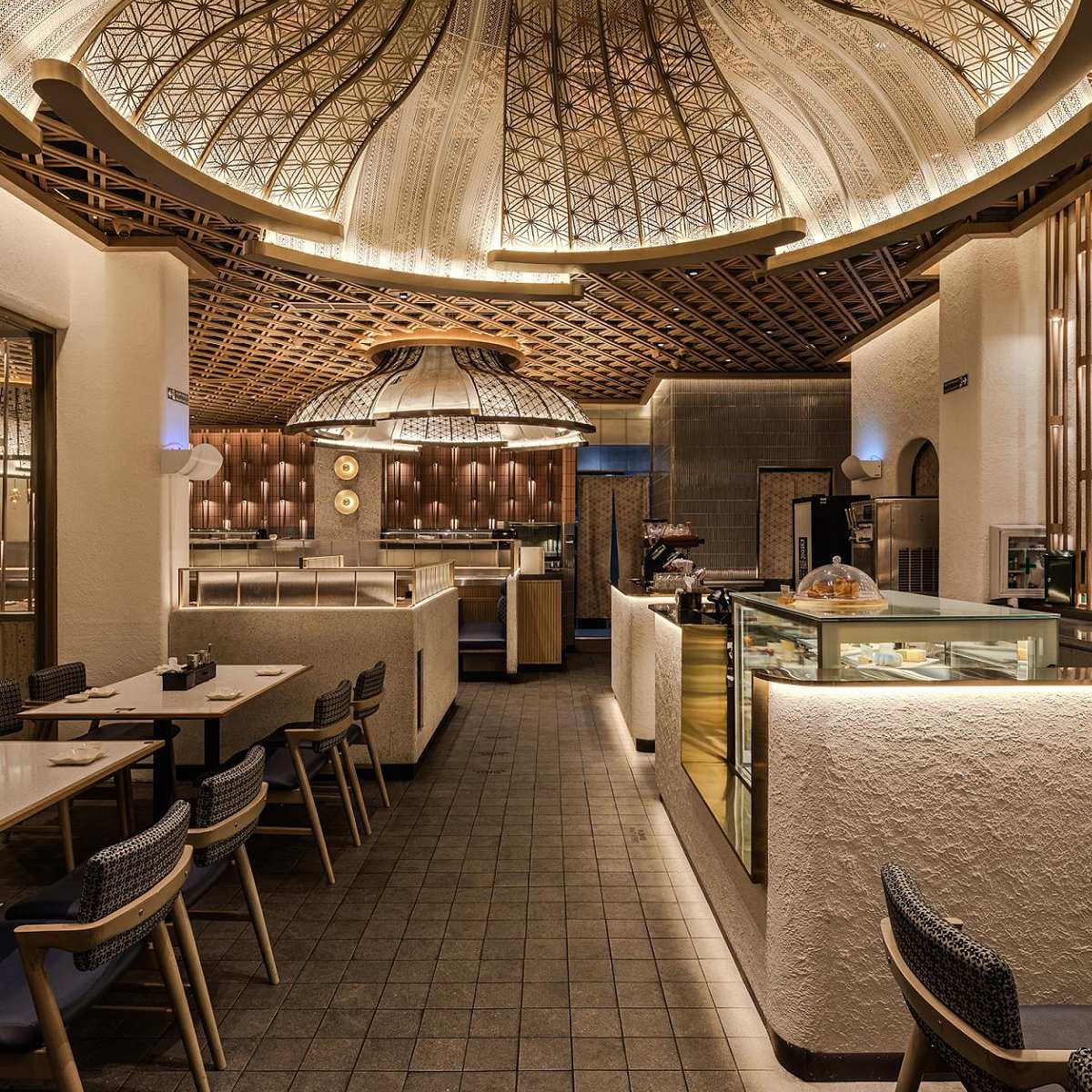
Divan Kurucesme
The Bosphorus Strait of Istanbul, Turkey, is the city’s most prominent topographic feature and an...
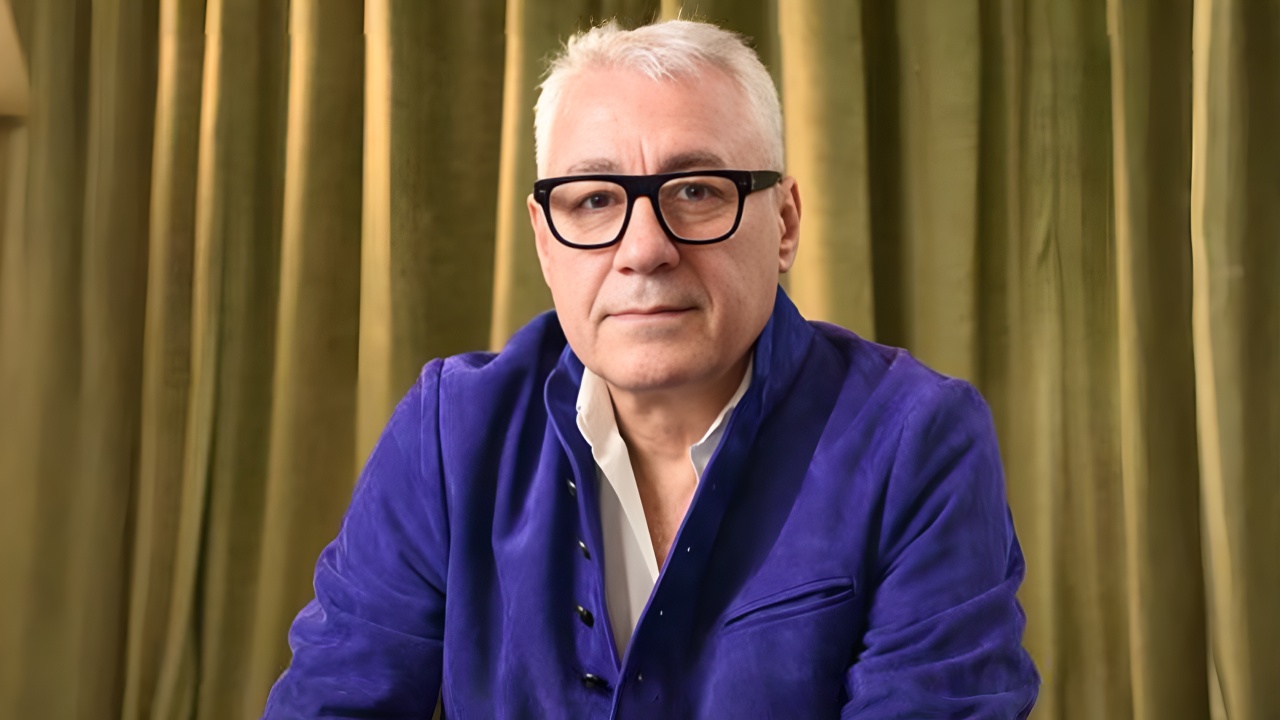
Architect Gokhan Avcioglu has spent more than four decades shaping projects that range from individual buildings to large-scale urban developments. Rooted in a lifelong fascination with ancient civilizations, his work views architecture as a bridge between cultural memory, human experience, and the future.
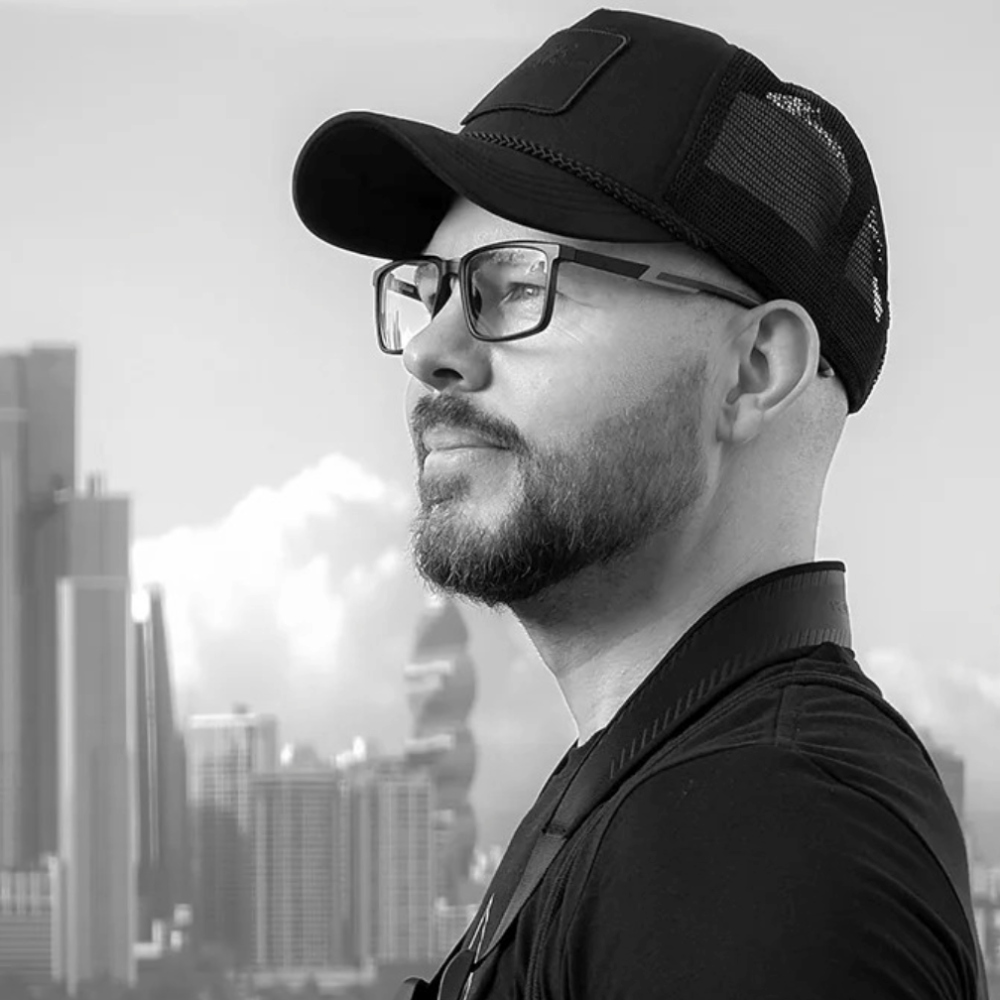
I am Architect Gokhan Avcioglu. I am the founder of GAD Architecture and the GAD Foundation. For over forty years, I have been working on projects ranging from residential buildings to hotels, mixed-use developments, and large-scale urban planning projects across various regions.
The greatest influence on my career choice, however, came from the archaeological sites and ancient cities I visited with my family as a child, such as Ephesus, Troy, and Miletus. In this sense, we live in a very fortunate region. Anatolia is not only one of the most important birthplaces of civilisations but also of architectural history.
As a child, wandering through ancient cities, the sight of shattered columns as well as stone blocks, carved capital stones, and the traces of structures built from them would challenge my imagination and spark a deep curiosity within me. I would try to understand how these fragments, once part of a vibrant life, formed a whole. Structures carved out of rock, such as those in Cappadocia, underground cities, and living spaces hidden within the rocks, also deeply moved me.
On one hand, there were cities built by stacking stones on top of one another; on the other, spaces created by following out the material. The co-existence of these two contrasting approaches within the same geography made me realise at a very young age that architecture is not merely about building structures, but a way of thinking.
To this day, that childhood curiosity remains at the heart of my interest in architecture. I see architecture as a discipline that bridges the past and the future, making culture and human experience visible through space.
Being recognised by a prestigious international platform like the London Design Awards highlights not only the completed project but also the thinking and approach behind it.
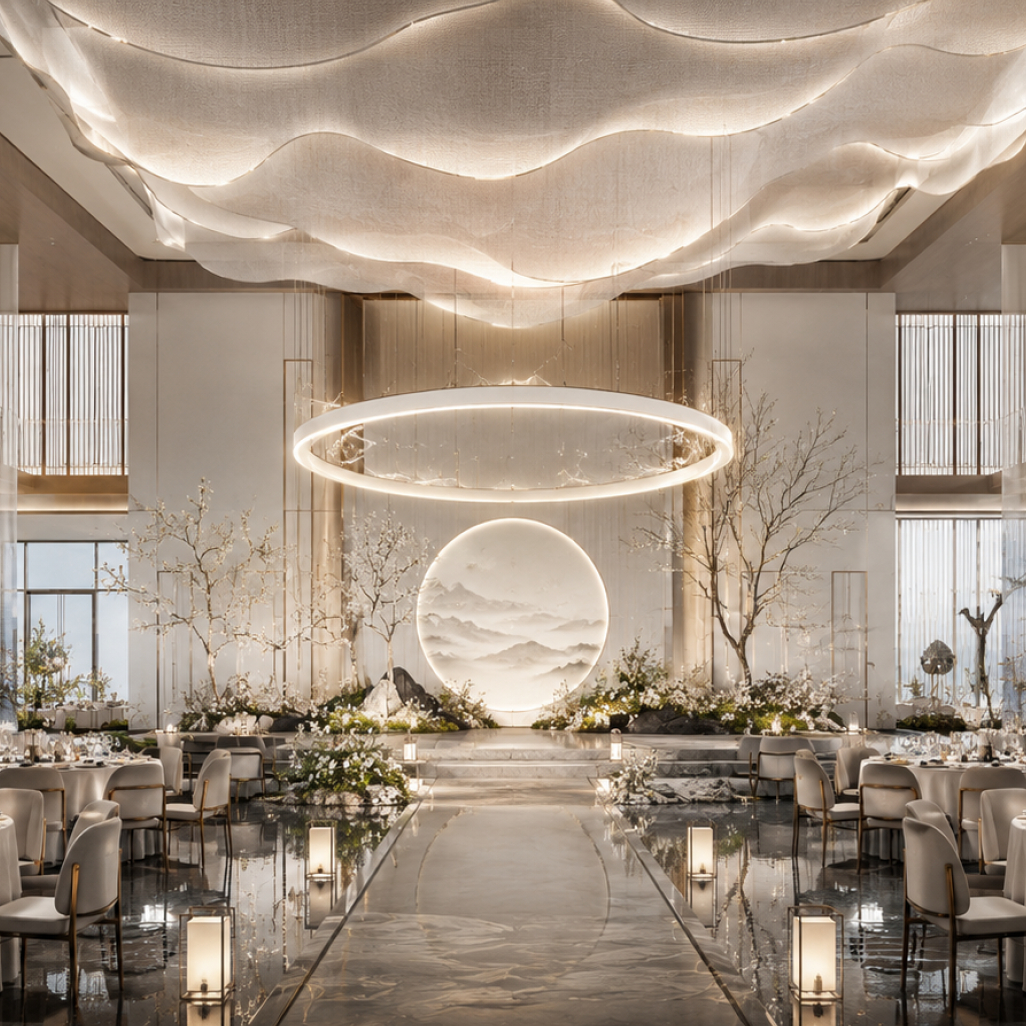
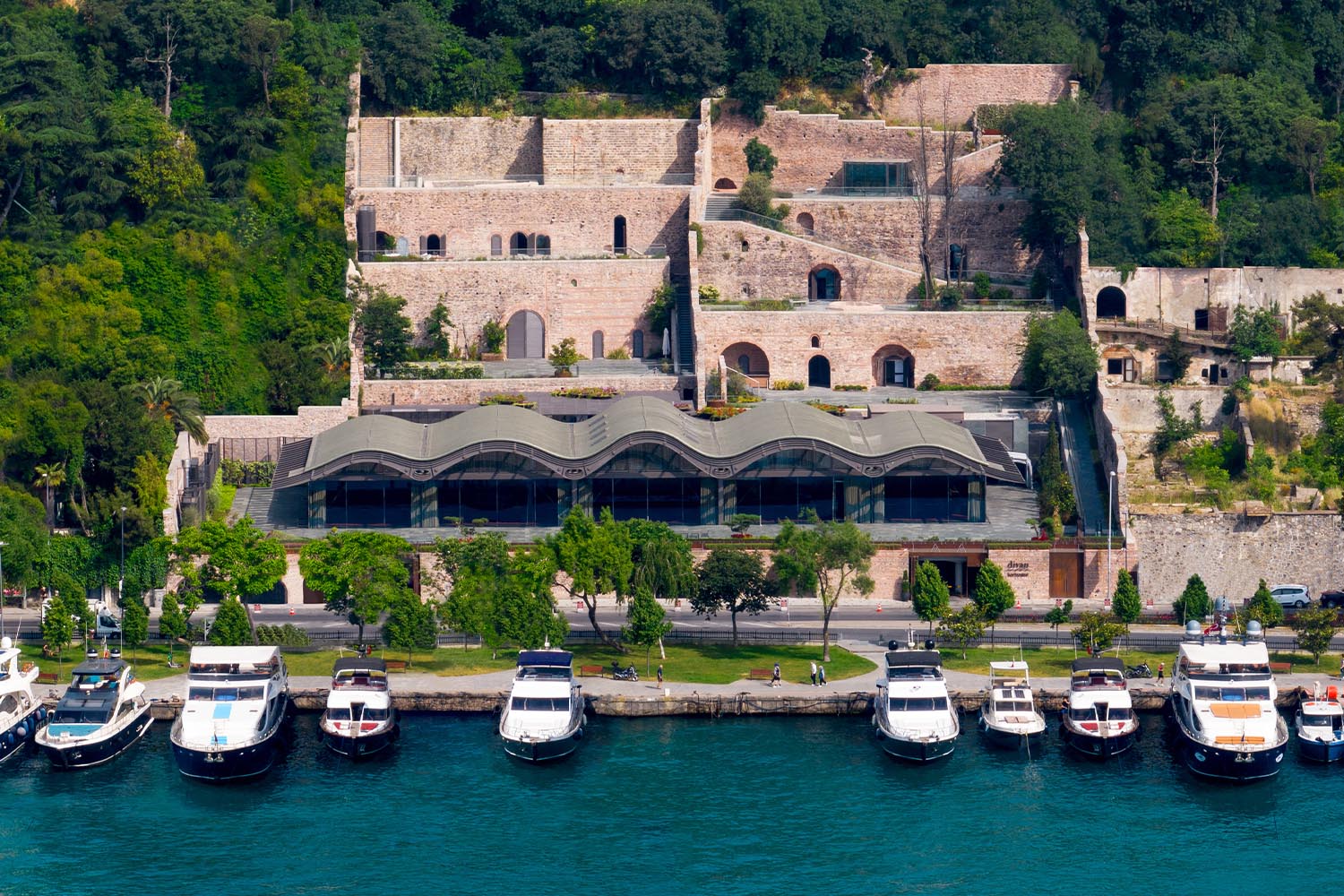
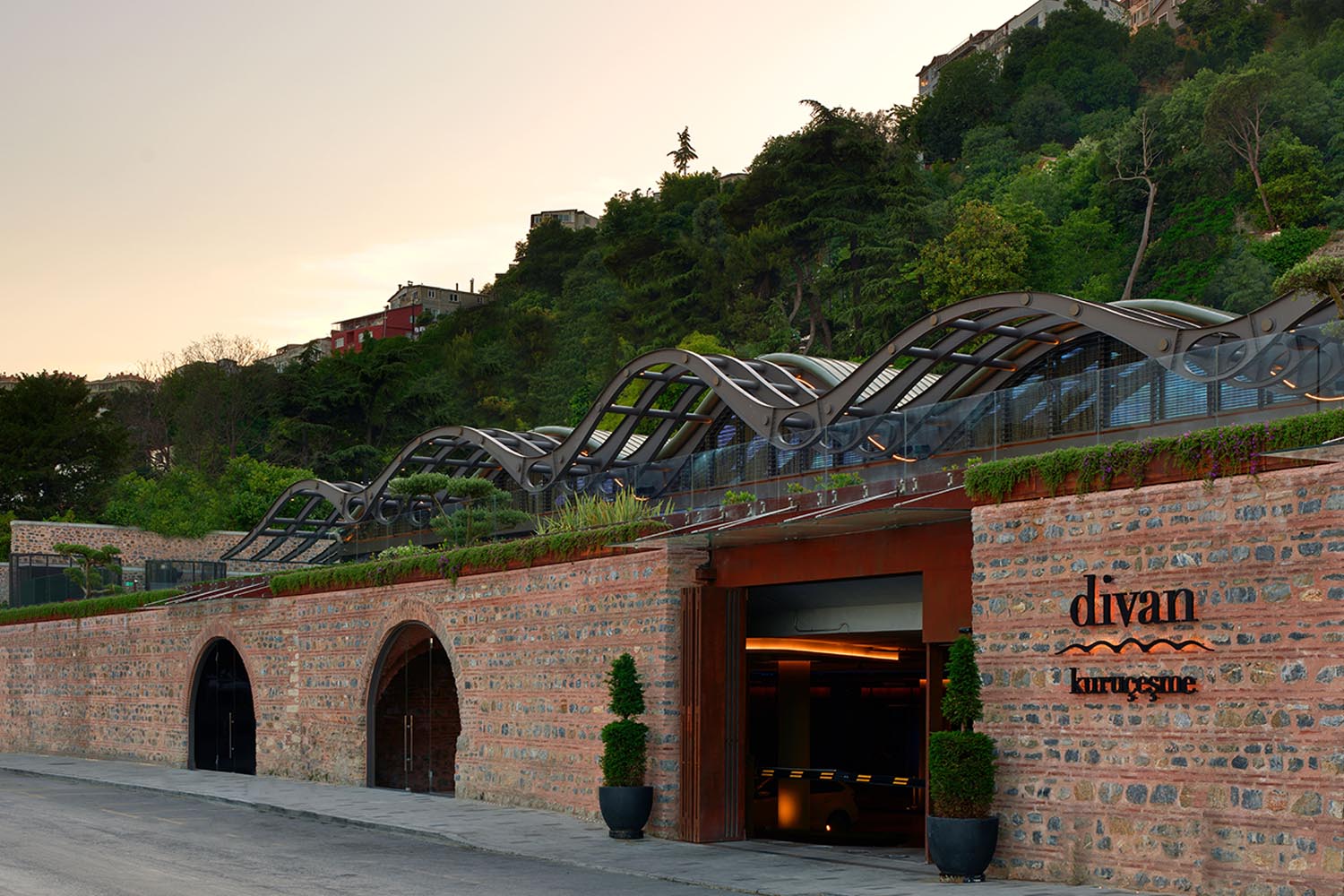
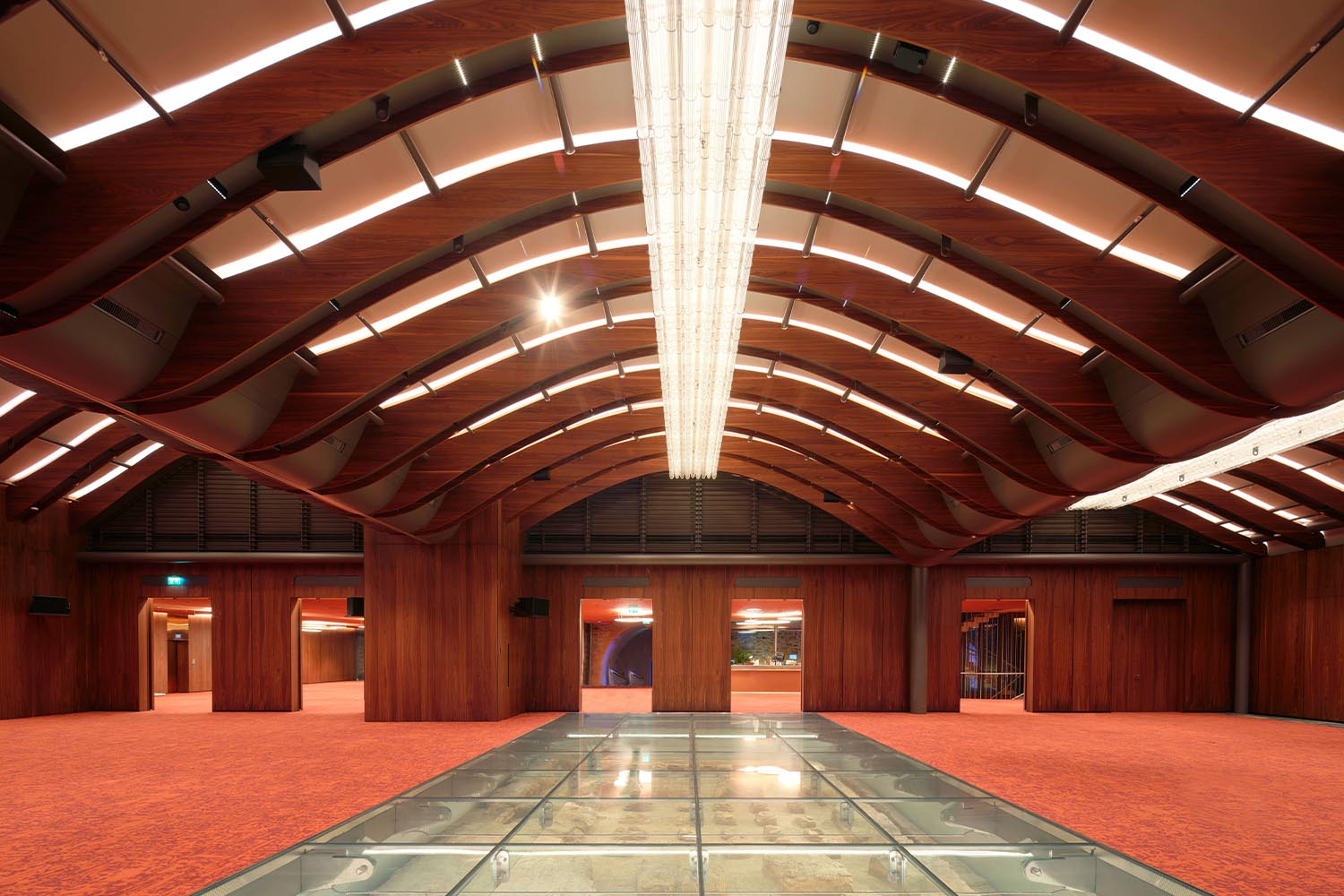
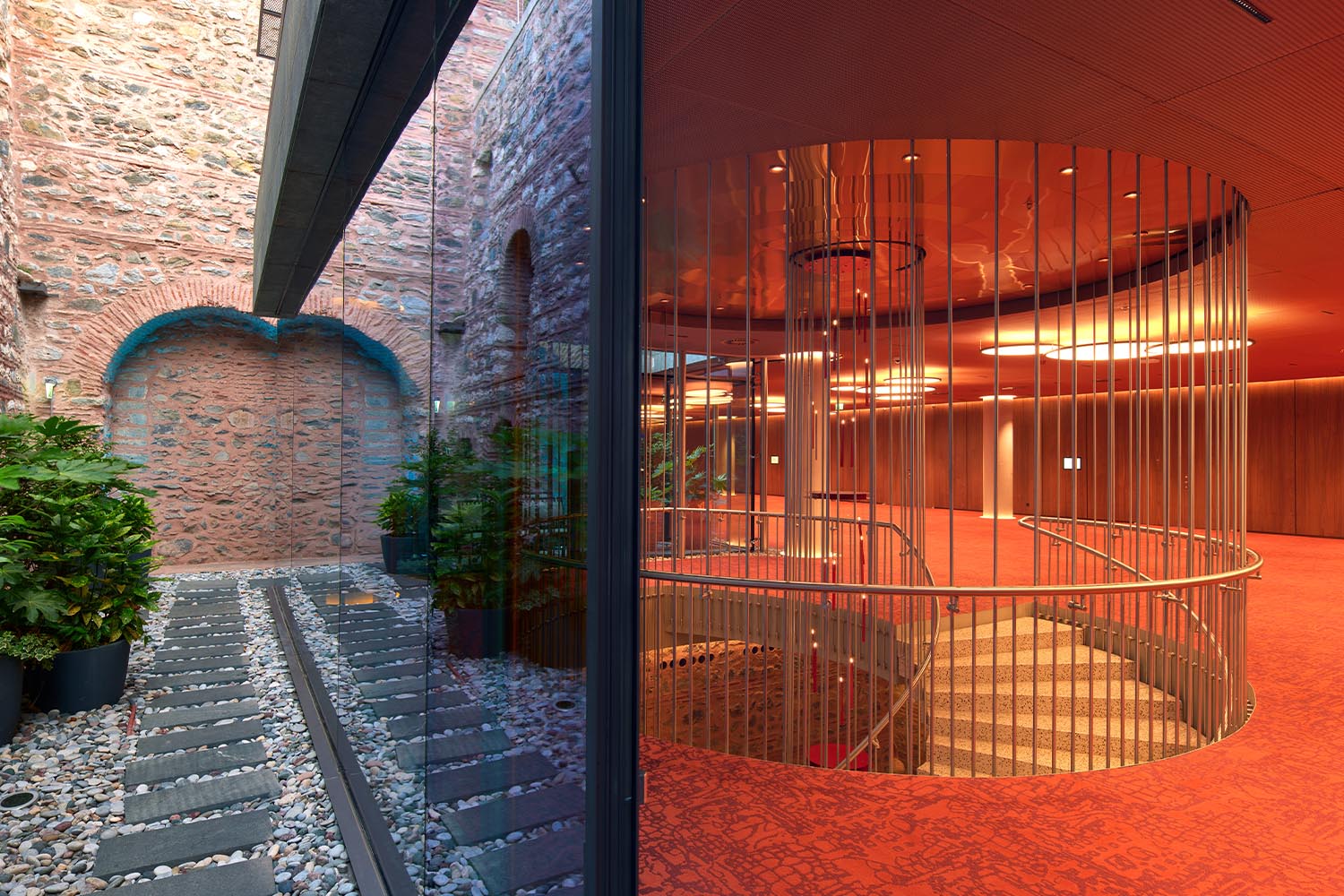
One of our most important decisions at Divan Kuruçeşme was to treat the site’s historical layers not as obstacles or separate elements to be preserved, but as integral components of the project.
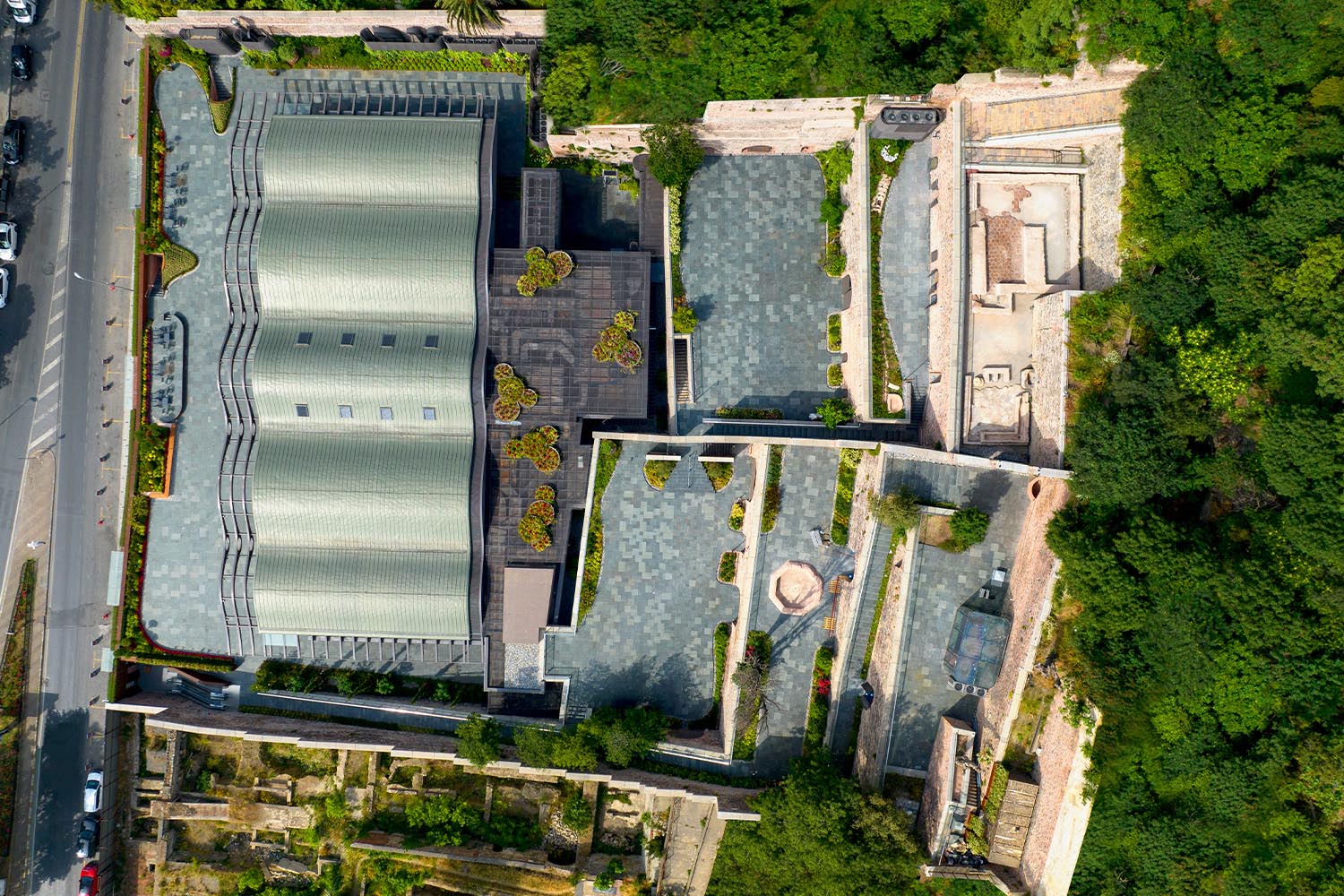
We placed the stone walls and hammam ruins, dating from the 18th century to the present day, at the centre of the design. Our goal was to develop an architectural language that coexists with these historical structures, rather than one that merely surrounds them.
Awards bring visibility, but more importantly, they pave the way for new dialogues and collaborations. This award has boosted the motivation and confidence of our team, the developer and real estate groups, and even the homeowners living in that area, while also strengthening international interest in our work.
In particular, it has enabled us to establish new connections with institutions and investors who share similar sensibilities regarding cultural heritage, urban renewal, and contemporary design.
Experimentation is a fundamental part of our design process. We begin every project not with answers, but with questions. At GAD, we prioritise integrating digital design technologies, material research, and contextual analysis.
At Divan Kuruçeşme, the primary research focused on how historic structures and contemporary hospitality programs could coexist. Our goal was not to recreate history, but to make it visible and integrate it as a natural part of modern life.
More often than not, inspiration comes not from architecture, but from life itself. Everyday life on a street, an archaeological site, a chance conversation, or the way people use public spaces can all serve as the starting point for design. I believe that observing the relationship people form with spaces offers more valuable insights than simply looking at buildings.
In addition, these lands—which are home to the world’s oldest settlements, archaeological remains, and architectural heritage—are an inexhaustible source of inspiration for me. Hagia Sophia, one of the most significant structures in human history, and Anatolia’s millennia-old legacy offer unique references for understanding the shared culture of production in architecture and engineering.
Many people think that design begins with form. In reality, design begins with research. A successful project is the result of a comprehensive evaluation of history, geography, culture, economics, technology, and human behaviour. Design is not merely about creating an object; it is about building connections.
In fact, we have a significant advantage that makes it easier to strike this balance: our clients typically decide to work with us after reviewing the projects we’ve completed in the past. As a result, they are familiar with our design approach and our perspective on architecture from the very beginning.
We start the process without any preconceptions. First, we carefully listen to the client’s expectations, needs, and goals. At the same time, we strive to understand not only the client but also the city where the project is located, its surroundings, and the needs of the users. Because we believe that good architecture must respond not only to the client’s requests but also to its context.
For us, design is the process of bringing the client’s wishes together with the needs of the space, the city, and the users at a common point. Therefore, while remaining true to our own design approach, we strive to make the client’s expectations an integral part of the project.
The main challenge at Divan Kuruçeşme was not merely preserving the historic heritage, but establishing a strong connection between it and the needs of contemporary use. We needed to preserve the building’s memory while creating spaces that could meet today’s needs for accommodation and social life. We approached the existing structures not as objects to be preserved, but as active components of the design.
I travel, read, teach, and engage in conversations with people from various disciplines. I believe architecture should not remain insular. Connections with art, archaeology, philosophy, technology, and urban life offer new perspectives. Creativity often reemerges when you step outside your own field.
The most defining personal values in my design approach are curiosity, continuity, and respect for place. Throughout my professional career, I have sought to explore how architecture can bridge the past and the future. For this reason, I view every project as a continuation of its context.
I believe that every design is not merely about creating a structure, but also about making a meaningful contribution to its location and bringing its stories to light. Vitruvius has had a significant influence on this approach; the idea that architecture should be considered not only in terms of aesthetics but also through Firmitas – Utilitas – Venustas has always served as a reference point for me.
Although it is difficult to recommend a single resource to young architects, I particularly recommend the book ‘’Less or More’’, published by our foundation. The first edition of the book was published in 2023, and the second edition was published by ORO Editions in 2026.
That said, I don’t believe learning architecture solely from books is sufficient. Looking to the past and history, exploring different regions, travelling, and observing cities and people are just as valuable as theoretical knowledge. Because architecture is a discipline that evolves not only through the structures it produces but also through the ability to interpret life itself.
Antoni Gaudi and Enric Miralles are two influential figures who view architecture not merely as an act of construction, but as a way of interpreting nature, movement, and experience.
For more insightful design stories, click here to read about Creating Better Journeys Through Human-Centred Design with Yizhou Jiang.