See Me, Not My Cancer
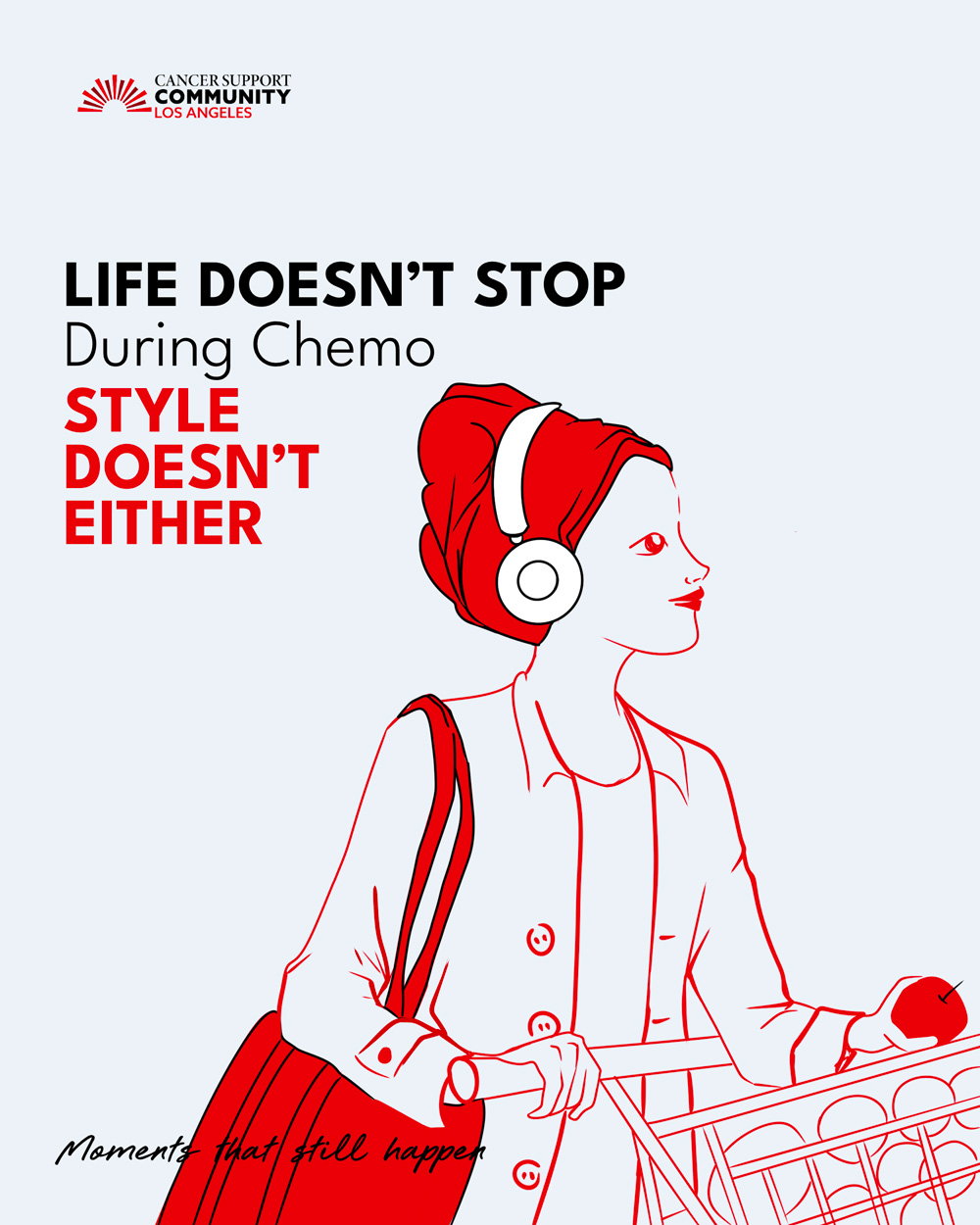
“See Me, Not My Cancer” is a human-first awareness campaign developed in collaboration with Cancer...

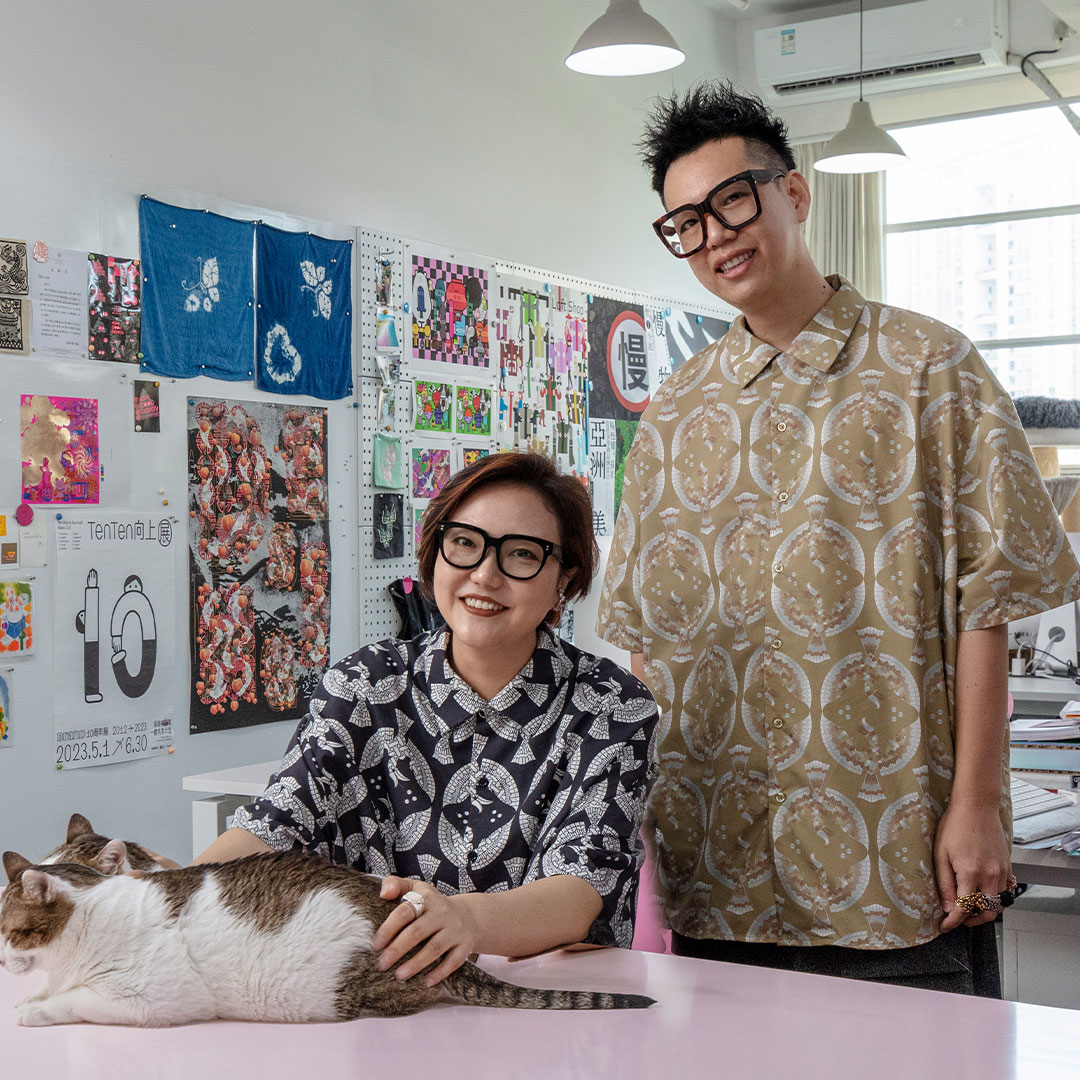
Elen Gasparyan is the Co-Founder and Executive Creative Director of Davel Creative Agency, a Los Angeles–based creative studio. For nearly a decade, she has led creative direction and strategy across branding, campaigns, and digital communications for clients in the United States and internationally.
My name is Elen Gasparyan, and I am the Co-Founder and Executive Creative Director of Davel Creative Agency, a Los Angeles–based creative agency. For nearly a decade, I have led the agency’s creative direction and strategy across branding, marketing campaigns, and digital communications for clients both in the United States and internationally.
While our agency is headquartered in Los Angeles, we lead branding and communication initiatives for clients nationwide. One example is our work with former NFL player Mark Clayton, where we developed the brand strategy for the launch of his headphone brand, LIVV Audio.
In Southern California, we also led the rebranding and digital transformation of Alain Hirsch Construction Company, a firm responsible for building more than 45 flagship retail locations on Beverly Hills’ Rodeo Drive for brands such as Louis Vuitton and Gucci. Our work focused on repositioning the company’s digital presence and storytelling to reflect the scale and prestige of its portfolio.
Through my work in the industry, I also contribute to the global creative community by serving as a judge for major international competitions.
I am also an Associate member of the International Academy of Digital Arts and Sciences and The One Club for Creativity, communities that bring together leaders shaping the future of advertising, design, and digital culture.
For me, this journey has always been about one thing: using creativity not only as a visual tool, but as a strategic force that helps organizations grow, innovate, and communicate ideas that truly matter.
What inspired me to submit this campaign was the message behind it. “See Me, Not My Cancer” was created to shift the way people perceive cancer patients. Too often, when someone hears the word “cancer,” the individual becomes defined by the illness. We wanted to remind the world that behind every diagnosis is a person with dreams, identity, and a full life.
Winning this recognition is especially meaningful, as it demonstrates how creative storytelling can help reshape perceptions and bring attention to important social issues. From a professional perspective, it reinforces our belief that design and communication can create impact beyond traditional marketing.
On a personal level, it is equally significant, as it affirms the importance of empathy in creative work — the idea that creativity can help people feel seen, understood, and respected.
The story behind this campaign is deeply personal. “See Me, Not My Cancer” was created in memory of my brother. Through his experience, I witnessed how easily a person can become defined solely by a diagnosis, while their identity, personality, and life beyond the illness are often overlooked.
That realization became the foundation for this campaign. I wanted audiences to see individuals living with cancer not just as patients, but as whole human beings — parents, friends, professionals, and dreamers whose lives extend far beyond the disease.
In today’s industry, I believe this work represents something truly meaningful. Creativity has the power not only to promote brands, but also to reshape how society understands people and difficult realities. Campaigns like this demonstrate how storytelling and design can foster empathy, raise awareness, and bring attention to issues that truly matter.
For me, this project is both professional and deeply personal. It carries a part of my own story and honors my brother’s memory by helping others see cancer patients for who they truly are — people first.
What set this project apart was its authenticity. Rather than approaching it as a conventional awareness campaign, it was developed as a deeply human story.
The message, “See Me, Not My Cancer,” invites an immediate shift in perspective. Its clarity and emotional honesty allowed the work to resonate on a deeper level, helping it stand out within a crowded creative landscape.
The greatest challenge was finding the right balance between emotional impact and respect. When working with such a sensitive subject, it was essential to avoid sensationalizing the story.
The intention was not to focus on suffering, but to highlight life beyond the illness. By keeping the message human-centered and grounded in respect, we were able to create something meaningful while preserving the dignity of those represented.
For our agency, recognition such as this reinforces our belief that creativity can serve a purpose beyond commercial success. It highlights how meaningful storytelling has the ability to resonate on a global scale.
On a personal level, it is also a meaningful validation that creativity can be used to address social issues and tell important human stories. I hope this recognition opens the door to more opportunities to work on projects that bring together strategy, creativity, and positive impact.
The response has been deeply emotional and incredibly supportive. Many people shared that the campaign resonated with them on a personal level, as cancer has touched so many families.
Some of the most meaningful feedback came from individuals who said they had never fully considered the experience from a survivor’s perspective before, and that the campaign helped them see the human side of the journey in a new and more compassionate way.
My advice would be to focus on meaning rather than awards. The strongest creative work usually begins with a genuine idea and a real story.
Most importantly, put your heart and soul into everything you create.
We should welcome this evolution and never be afraid of it, because we are human, and that is our greatest advantage. Our ability to understand emotions, stories, and people is something technology cannot replace.
That balance between human insight and AI will define the next generation of impactful work.
I think awards are an opportunity to share ideas, learn from others, and gain perspective. To me, even the process of preparing a submission helps you reflect on your work and grow as a creative professional.
I believe our responsibility as creatives is not only to innovate, but also to use our skills to create work that connects people and brings about positive change.
This project was created together with our team: Team Lead Tatev Hakobyan, Graphic Designer Seda Harutyunyan, and our video team, Artyom Arustamyan and Arman Simonyan.
This project is deeply personal to me. I would like to dedicate this achievement to the memory of my twin brother, whose experience inspired the message behind the campaign.
His story reminded me that behind every diagnosis, there is still a person with identity, dreams, and a life that continues. This campaign is a tribute to that idea.
“See Me, Not My Cancer” is a reminder that people living with cancer are still individuals — loving fashion, spending time with friends, caring for their pets, and living their daily routines. The way we treat them matters, because they still want to feel seen as part of our lives and our plans.
Looking ahead, I want to dedicate more time to social impact projects. I believe creativity can be a powerful tool to communicate important messages and bring attention to issues that truly matter.
My goal is to continue using creativity, strategy, and heart to create work that not only performs well, but also makes a meaningful difference in people’s lives.