2G Design & Build x Solus
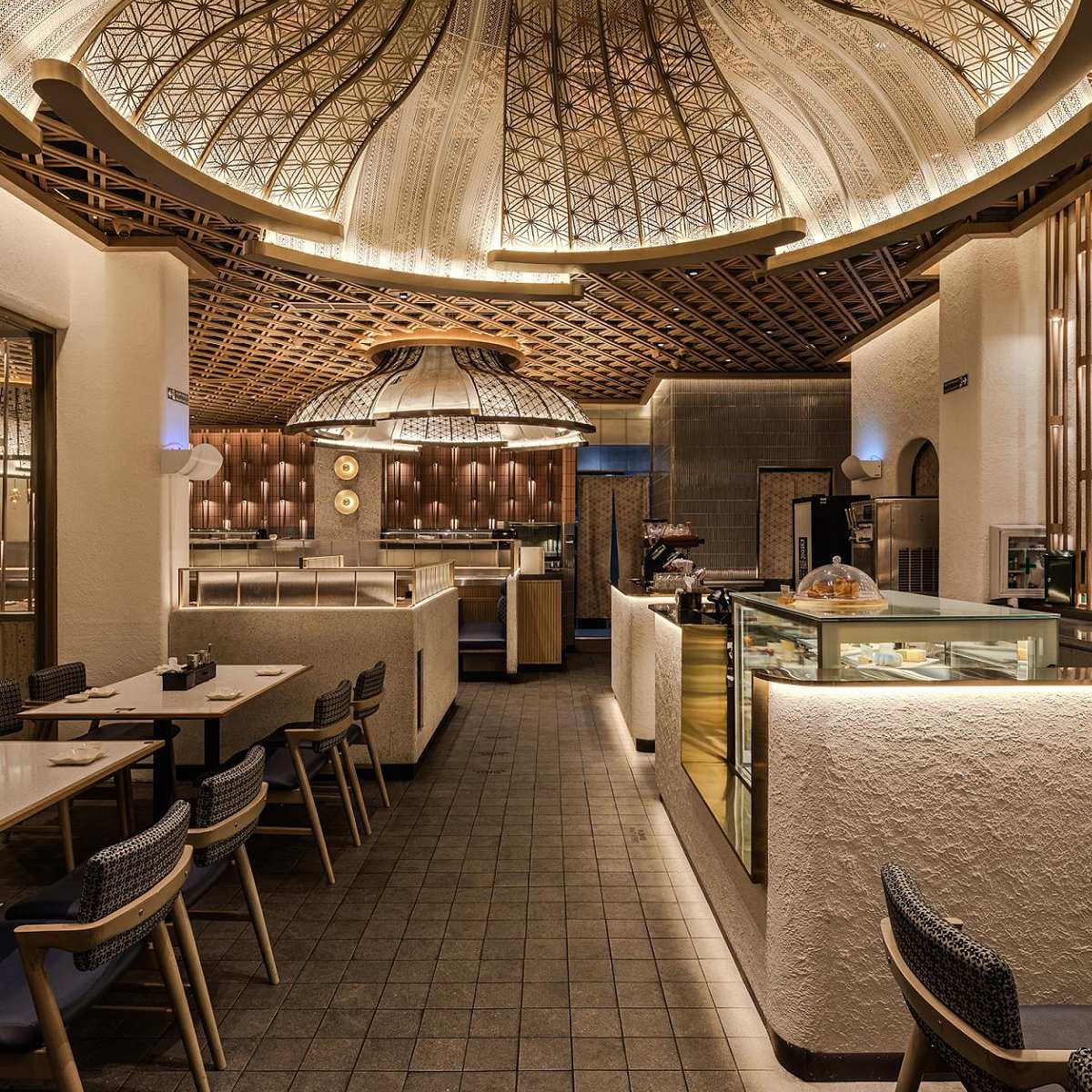
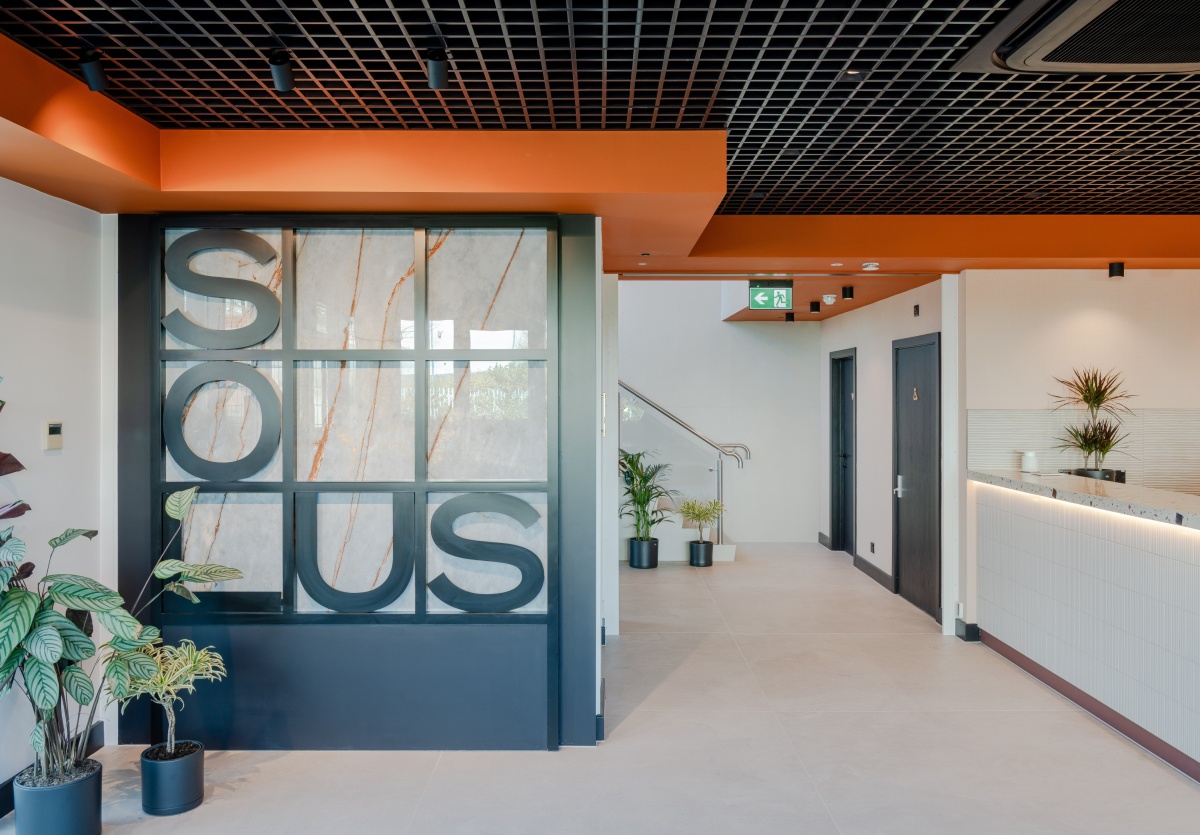
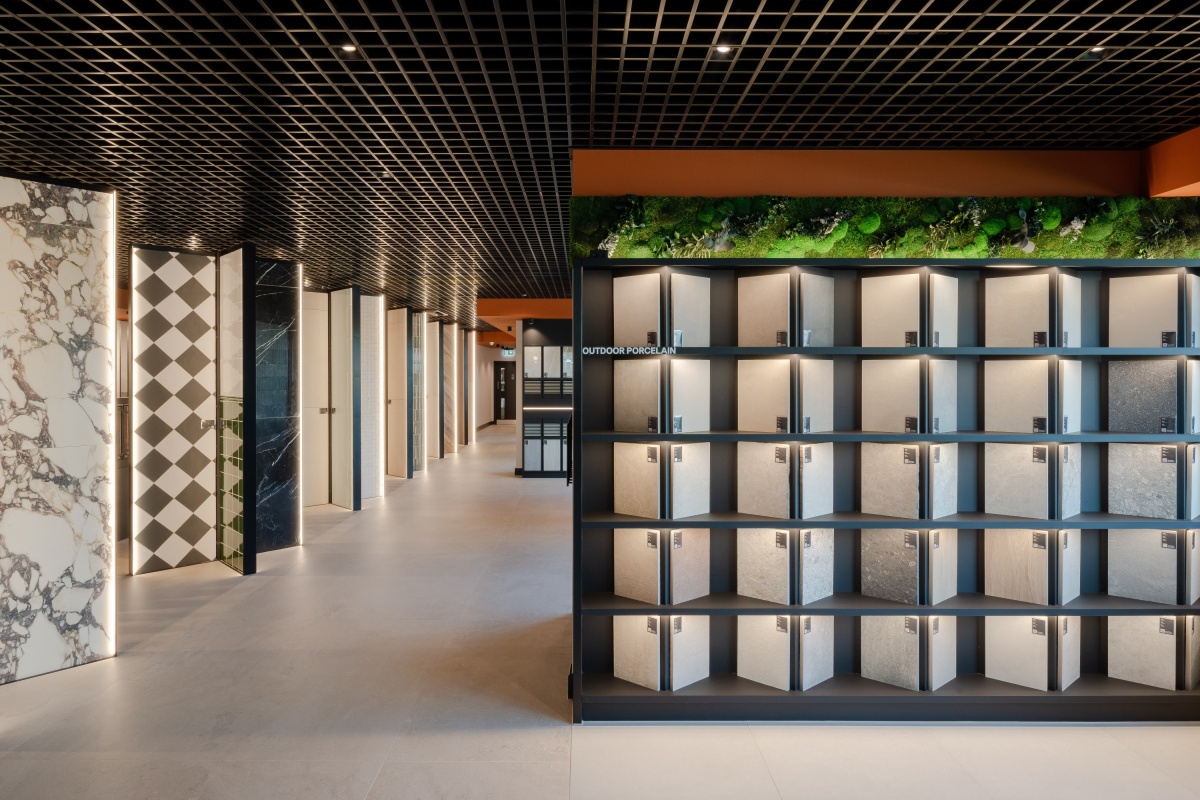
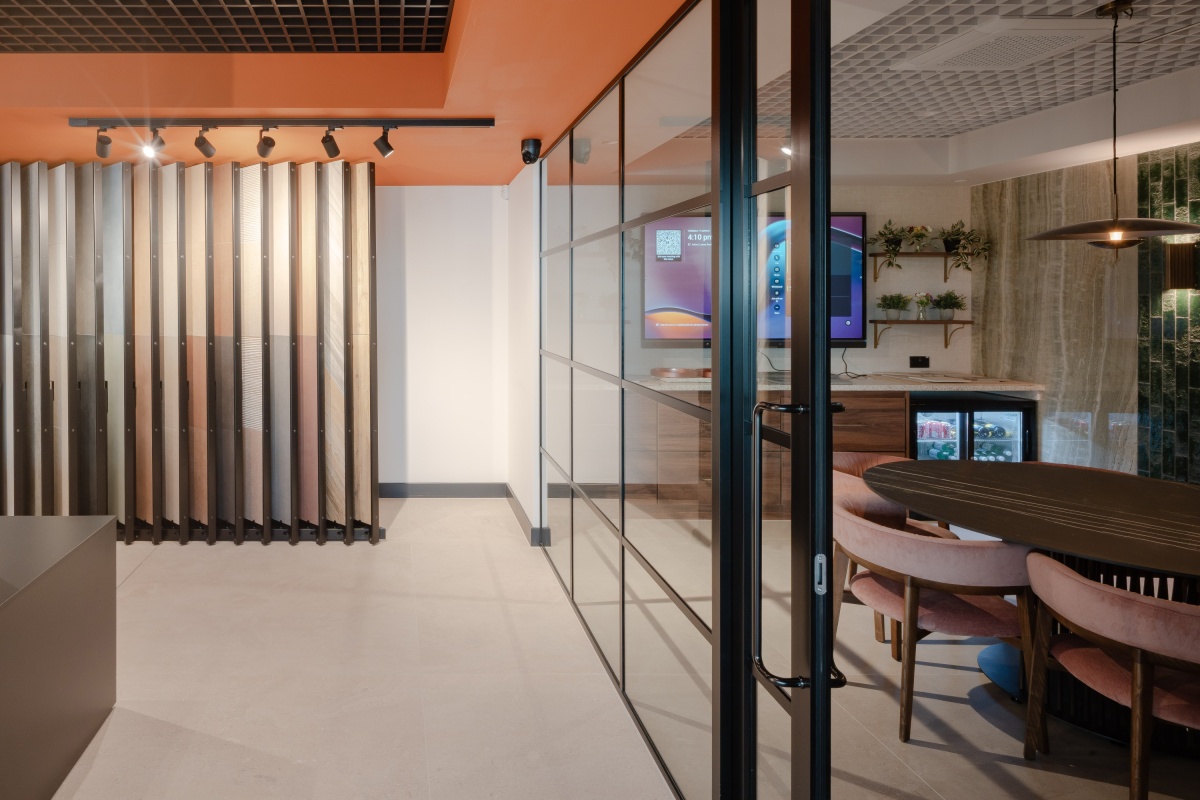
Situated in Birmingham’s industrial heartland, the Solus showroom was reimagined not as a simple refurbishment,...
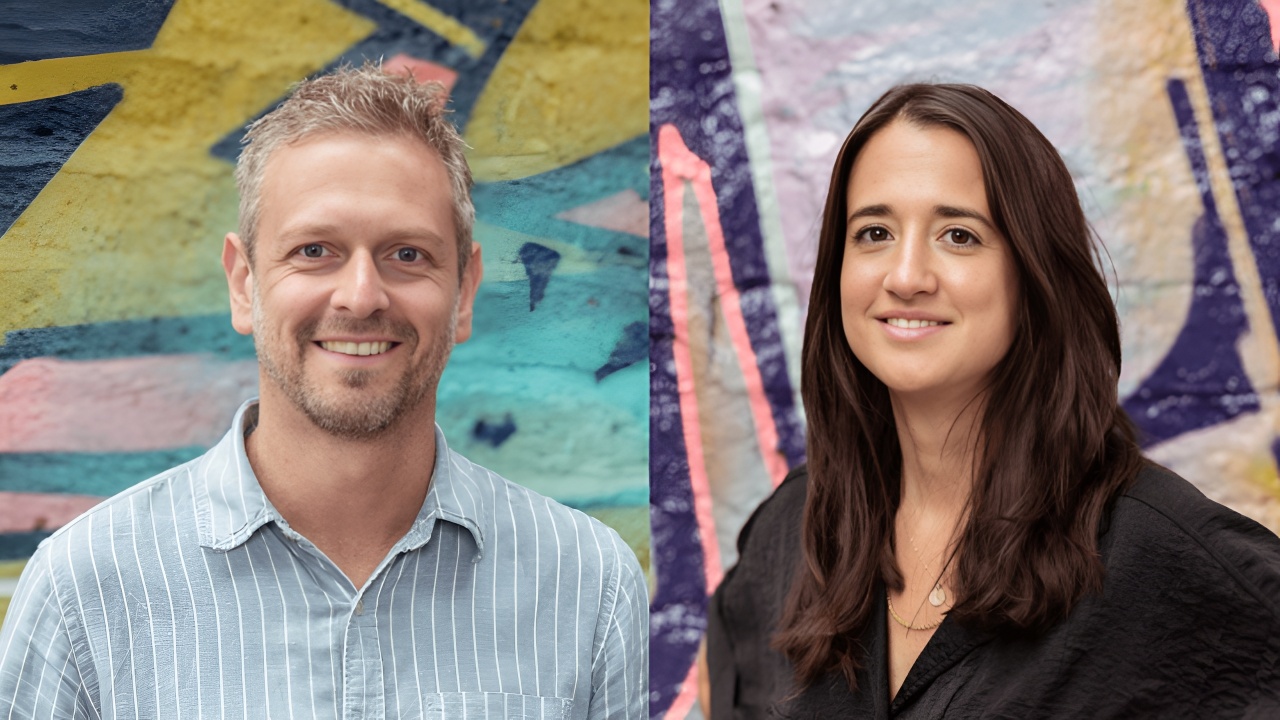
At 2G Design and Build, co-founders Nick Jones and Catherine Gwynne view design as a balance between technical mastery and human connection. Their integrated approach combines architectural thinking with practical execution, allowing them to guide each project from initial concept through to completion with clarity and precision.
Thank you so much! We are Nick Jones and Catherine Gwynne, the co-founders and directors of 2G Design and Build. Our partnership stems from a shared obsession with space, form, and functionality.
Nick: For me, the inspiration came from seeing how raw materials could be transformed into living, breathing environments. I was always fascinated by the tension between architecture and actual construction—how an abstract idea becomes a physical reality.
Catherine: My path was driven by human experience. I’ve always been captivated by how interior environments dictate how we feel, move, and interact. Designing isn’t just about aesthetics; it’s about crafting the backdrop to people’s lives. Bringing our design and build capabilities under one roof allows us to control that narrative from the first sketch to the final handover.
London is one of the most fiercely competitive design capitals in the world, so being recognised here is an incredible honour. For 2G Design and Build, this Silver Award is a validation of our core philosophy: that exceptional design is only as good as its execution. It’s a testament to the sleepless nights, the meticulous attention to detail, and our team's relentless pursuit of perfection.
It has given the entire studio a massive boost of momentum. A design-and-build workflow requires seamless alignment between our creative and construction teams, and this award validates all that hard work. Professionally, it has elevated our profile, cementing client trust right from the pitch stage. It proves to prospective clients that when they partner with us, they are getting world-class, award-winning design backed by robust execution.
Experimentation is the oxygen of our studio; without it, design becomes stagnant. Because we handle both the design and the physical build, we have a unique playground to experiment with how materials behave together.
We often look entirely outside of interiors and architecture. For one of our concepts, we drew inspiration from the internal mechanisms of a vintage mechanical watch. We were fascinated by how tiny, intricate, hidden components work in absolute harmony to support a clean, minimalist face. We translated that concept into a space by creating hidden storage, seamless flush doors, and integrated lighting systems that made the heavy structural engineering of the building look entirely effortless.
We wish more people understood that great design is actually about rigorous problem-solving, not just choosing beautiful finishes. The "invisible" work—the spatial flow, the structural integrity, the acoustic balance, and the mechanical coordination—takes up 80% of our energy. When a space feels effortlessly beautiful, it’s usually because a designer worked incredibly hard behind the scenes to make the complex look simple.
We don't view client expectations and our creative ideas as opposing forces; they are a conversation. Our job is to take a client’s brief and elevate it beyond what they thought was possible. We establish trust early on by listening intently to their functional needs. Once a client knows we understand how they need to live or work in a space, they are much more willing to trust us when we push the creative boundaries and encourage them to take calculated design risks.
We needed to create a showroom that truly elevated the Solus brand and provided the perfect backdrop for their products. The design had to balance luxury with accessibility, cater to different client types, and have longevity as a flagship destination. At the same time, the build had to respect the busy working environment, with over 90 employees on-site and customers continuing to visit throughout the project.
We step away from the screen and the job site entirely.
Nick: For me, it's about tactile distraction—building something small by hand, or getting outdoors to clear my head.
Catherine: I love immersing myself in a completely different creative medium, whether that’s visiting a contemporary art gallery, exploring graphic design, or travelling to a city with contrasting architecture. Changing the scale of what you are looking at usually unlocks the bottleneck.
Integrity, craftsmanship, and longevity. We live in a throwaway culture, but we believe spaces should be built to last and designed to age beautifully. We infuse a deep respect for authentic materials into our work. If it looks like wood, it should be wood; if it looks like stone, it should be stone. That honesty in materials creates spaces that feel grounded, tactile, and inherently luxurious.
Don’t just learn how to draw or render; learn how things are actually built. Spend time on construction sites, talk to the joiners, the electricians, and the bricklayers. When you understand the physical realities of craftsmanship, your designs become smarter, more impactful, and infinitely more respected by the people executing them.
We would love to collaborate with the Italian master Carlo Scarpa. His obsession with detail, his poetic use of raw concrete, and the way he designed the joints where two materials meet is legendary. He approached architecture with the precision of a craftsman and the soul of an artist—which perfectly aligns with our design-and-build ethos.
The Question: "How does having the building team in-house actually change the design itself?"
The Answer: It makes the design bolder. Traditional designers often hold back because they are worried a contractor won't know how to execute a complex detail. Because our build team is in-house, we can walk across the office, look at a wild idea together, and figure out exactly how to build it safely and beautifully. It gives us the creative freedom to design without fear.
Read about An Interview on How Zhi Duan Uses Architecture to Respond to Real-World Challenges here.