The Battle of the Mouse King
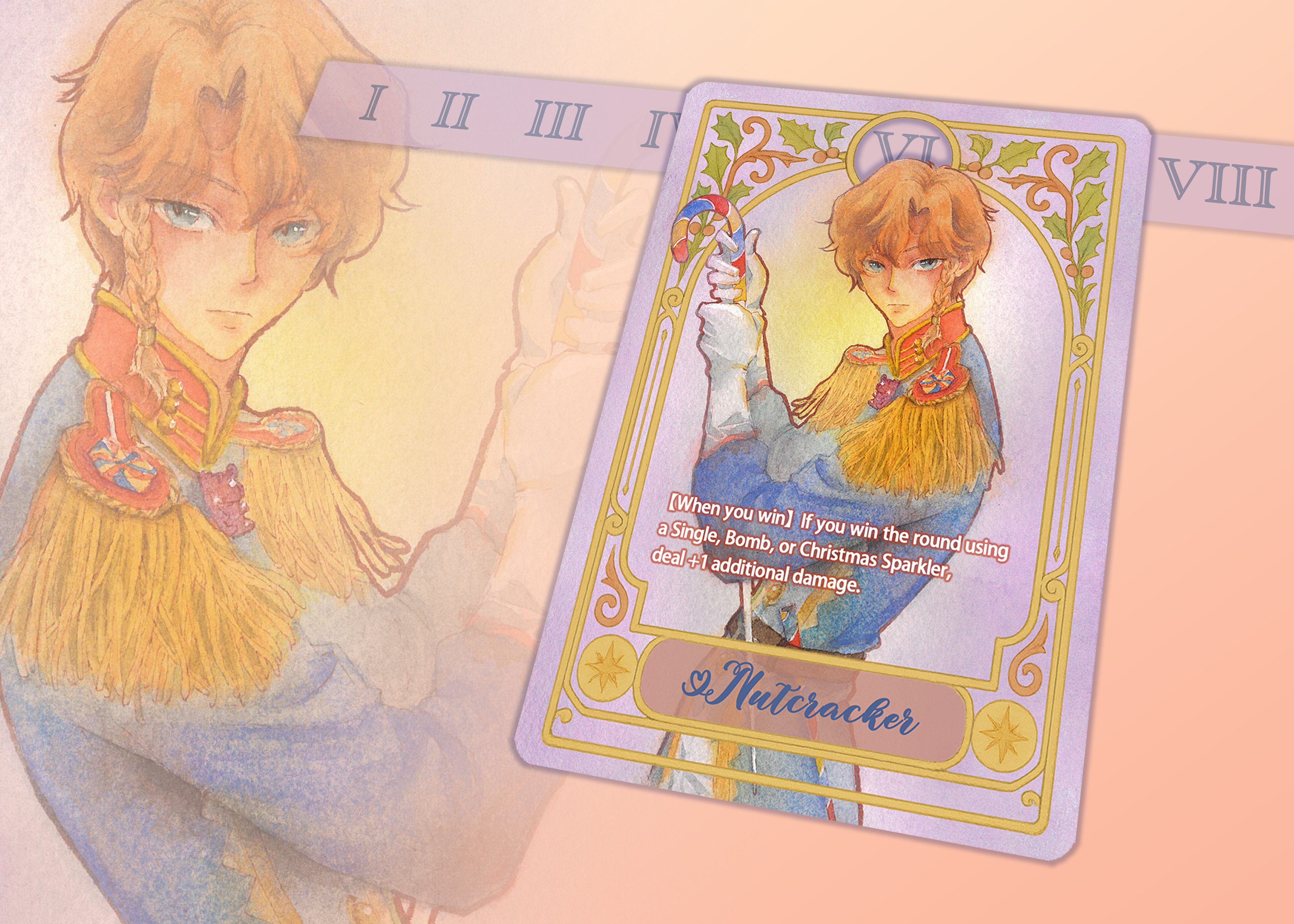
“The Battle of the Mouse King” is a Christmas-themed illustrated card-game project that reimagines the...

Hanke Wang is the founder of Hanke Studio, combining his background in animation and character design with a passion for storytelling to create engaging trading card game worlds like The Battle of the Mouse King.
Thank you. My name is Hanke Wang, and I am the founder of Hanke Studio, a small creative studio focused on character design, animation, and visual storytelling.
Originally, our work mainly centered around animation and character design. However, after we began playing trading card games ourselves, we became fascinated by how illustration, storytelling, and game mechanics can come together. That experience inspired us to expand our work into TCG design, which eventually led to the creation of The Battle of the Mouse King.
We submitted The Battle of the Mouse King because it represents an important step in the development of our card game project, which we are preparing to bring to market.
Winning an award like this gives the project greater visibility and credibility, which can help when introducing it to a wider audience. On a personal level, it is also very encouraging to see an original idea we care about receive recognition from an international competition.
The idea for The Battle of the Mouse King was inspired by the classic Nutcracker ballet. I have always been drawn to the dramatic moment when the Nutcracker faces the Mouse King, and it felt like a story that could translate naturally into character design.
By developing this idea into a trading card game concept, each character becomes part of a larger illustrated world. For me, it is a way to reinterpret a familiar classical story in a new and interactive format.
One thing that sets this project apart is that the characters are created through hand-painted watercolor illustrations, rather than AI-generated imagery.
At a time when AI visuals are everywhere, we wanted to preserve a strong sense of craftsmanship and artistic touch in the work. The textures and subtle imperfections of watercolor help give the characters personality and make the world of the game feel more alive.
One of the biggest challenges was designing the gameplay system. We wanted the game to be something families could enjoy together, so the rules needed to be simple enough for younger players while still engaging for adults.
To find the right balance, we spoke with people from different age groups and gathered feedback on how they approach card games. Through this process, we gradually refined the mechanics until we arrived at a version that felt both accessible and enjoyable.
This recognition is very encouraging for our team and for the future of the project. As we continue developing the card game, awards like this help bring greater attention to the idea, and we hope it may attract collaborators or potential sponsors who are interested in supporting the project.
Personally, it is also a strong motivation to continue creating and developing our ideas further.
So far, the response from friends and family has been very supportive, and many people around us feel proud and excited about the project.
Since the game has not yet been released, most of the feedback has come from those who have followed its development. I believe that receiving an award like this will also help build trust and generate interest among future audiences once the project is officially introduced.
I do not think I am in a position to offer too much advice yet, as I still consider myself a young designer who is continuing to learn and grow.
If there is one thing I would say, it is to hold on to your passion for creating. As long as you genuinely care about the project you are making, it will naturally develop its own energy and direction.
The creative industry is changing very quickly, especially with the rapid development of AI. It can be a highly efficient tool, but it can also lead to more passive creative thinking if people rely on it too heavily. In some cases, it may even replace certain roles in the industry, which is something many designers feel concerned about.
At the same time, technological change is part of every era. The best approach is to learn how to work with new tools while continuing to develop our own creativity and artistic voice.
If you feel passionate and confident about a project, I believe it is always worth submitting it to competitions.
Even for beginners, participating can be a valuable experience. It gives you the opportunity to share your work with a wider audience and see how it resonates with others.
Creativity grows stronger when people share ideas and learn from one another. Everyone brings a different background and perspective, and those differences make the creative industry more dynamic and interesting.
I hope we continue to support original thinking and appreciate the time and care behind thoughtful creative work.
I would like to dedicate this recognition to a few very important people in my life.
First, I am very grateful to my parents, who have always supported my creative path. I would also like to thank my partner, Man Zhu, who joined The Battle of the Mouse King project as the illustrator.
Our collaboration felt very natural. She is able to quickly understand the feeling I want to express and translate it into visual form. This project would not have reached where it is today without her contribution.
A modern card game inspired by classical storytelling, created to bring a sense of childhood imagination back into today’s world.
I wanted the project to reconnect with the feeling many of us had when we first encountered stories like The Nutcracker — a sense of fantasy, adventure, and wonder. By reinterpreting those classical elements through character design and a card game format, the project blends nostalgia with a contemporary creative medium.
Right now, we are continuing to develop The Battle of the Mouse King as a complete trading card game project. Our goal is to refine the gameplay system and gradually bring the game to market.
At the same time, we hope to continue expanding the world and characters behind the story. In the future, I would also like to explore more creative projects that combine character design, storytelling, and interactive formats such as games.