CORA Community
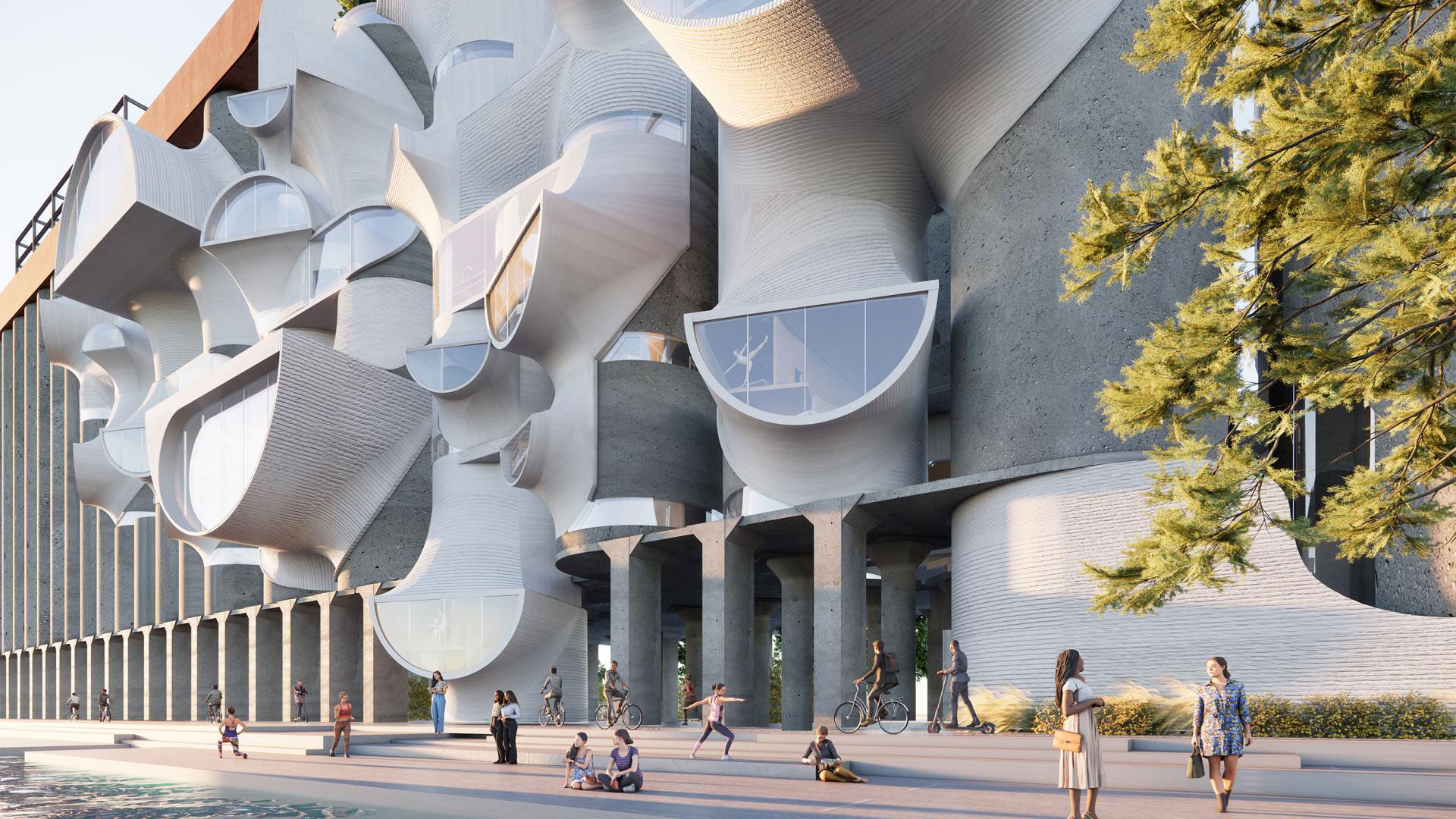
Cora Dance, Brooklyn is a Red Hook–based pay-what-you-can dance school dedicated to expanding access to...
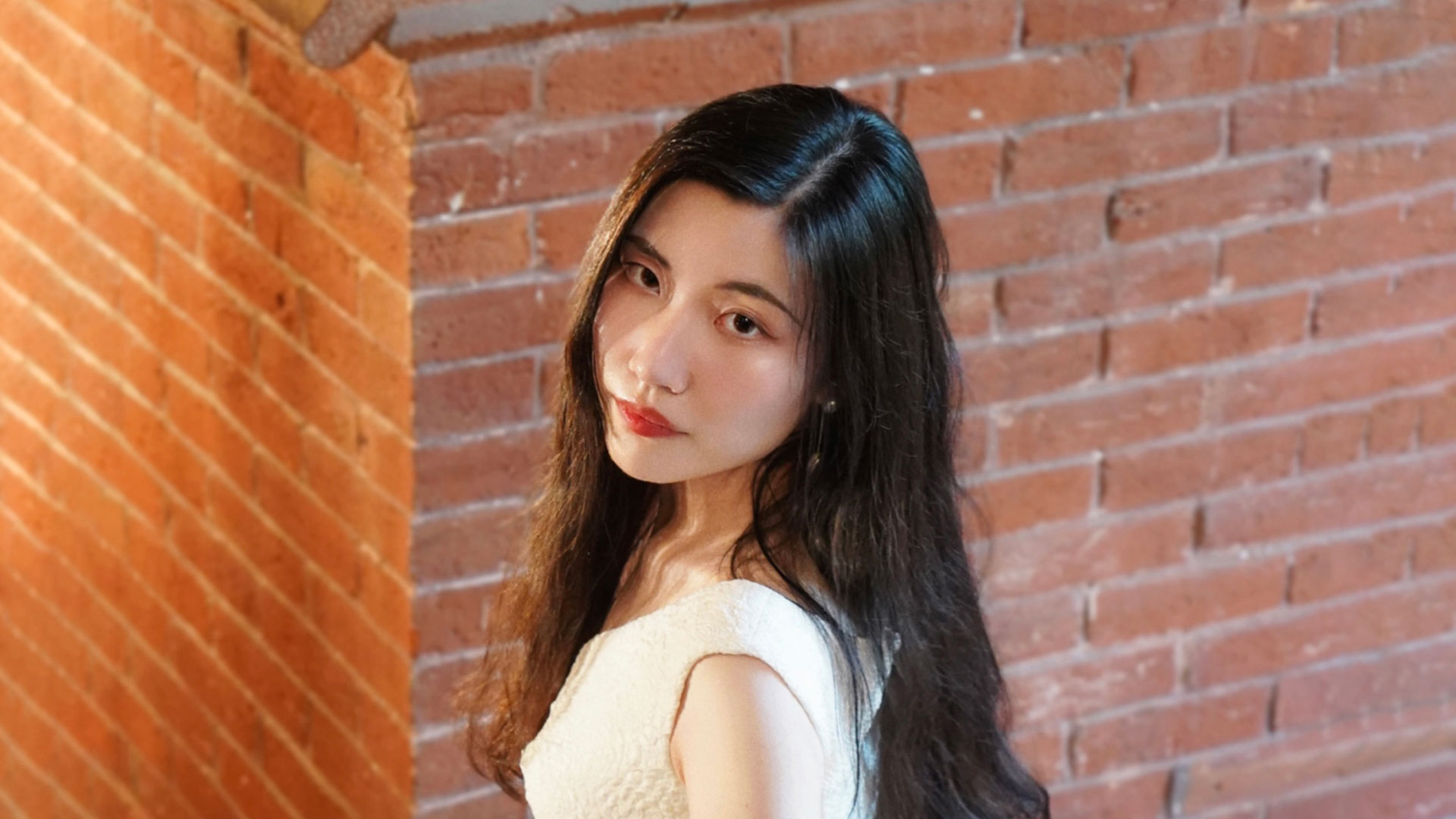
Huichao Dong is an architectural designer focused on adaptive reuse, transforming existing structures into socially and culturally responsive environments that address contemporary urban challenges.
Thank you! I’m honored to be recognized by the MUSE Design Awards. I am an architectural designer focused on adaptive reuse and the transformation of existing urban structures into socially and culturally responsive environments. My academic training, including earning a Master of Architecture from the University of Pennsylvania, has shaped my interest in how design can address broader urban challenges.
My interest in design began with a curiosity about how the built environment influences human behavior and community life. Over time, this evolved into a focus on reimagining existing structures as opportunities for new forms of use, particularly in relation to housing, sustainability, and cultural infrastructure. I see design not only as a creative discipline, but also as a means of responding to real societal needs through thoughtful spatial strategies.
This recognition affirms the importance of exploring adaptive reuse as a forward-looking design approach. It is especially meaningful to see a project centered on cultural infrastructure and community-oriented housing recognized on an international stage.
More importantly, it creates an opportunity to highlight how existing industrial structures can be reimagined to support evolving urban needs, particularly in cities where space, affordability, and access to cultural resources remain ongoing challenges.
This achievement has helped position my work within a broader international conversation about sustainable urban development and adaptive reuse. It has created opportunities to share my work with a wider audience and connect with professionals who are similarly interested in rethinking how architecture can address emerging social and cultural needs.
It has also reinforced the direction of my practice, encouraging me to further develop projects that integrate housing, infrastructure, and community-oriented design strategies.
Experimentation is central to my design process, particularly when working with existing structures that were not originally intended for contemporary use. In the silo project, for example, I explored a combination of subtractive and additive strategies by carving into the existing concrete structure while introducing 3D-printed concrete elements.
This approach allowed me to investigate how rigid industrial forms could be transformed into flexible environments for living and performance. Through iterative drawing and modeling, experimentation became a way to connect conceptual ideas with spatial and structural logic.
One of the more unusual sources of inspiration for this project was movement itself, particularly contemporary dance practices such as aerial and wall-based choreography. Rather than viewing architecture as a static container, I became interested in how the body moves through space and how those movements could inform spatial organization.
This perspective led to the development of vertical surfaces and continuous spatial connections, allowing the building to function as both a living environment and a performative system.
I think one common misconception is that design is primarily about visual outcomes. In reality, the process is highly analytical and involves resolving complex relationships between structure, program, environment, and human behavior.
Especially in adaptive reuse projects, design requires working within constraints and negotiating between what already exists and what is needed. The final form is often the result of multiple layers of decision-making rather than a single defining idea.
I see this balance as a dialogue rather than a conflict. Strong design ideas should not exist independently of context or user needs. Instead, they should evolve through engagement with real constraints, opportunities, and expectations.
In many cases, constraints can strengthen a project by clarifying priorities and guiding the design toward more thoughtful, effective, and grounded solutions.
One of the main challenges was working with the existing silo geometry, which is structurally efficient but spatially restrictive. Adapting this form for habitation and performance required rethinking how space could be opened, connected, and activated.
I addressed this challenge through a system of selective carving and inserted surfaces that introduce light, circulation, and new spatial relationships while preserving the integrity of the original structure.
When I encounter a creative block, I often step away from the project and shift my focus to observation—whether through sketching, studying precedents, or engaging with other disciplines such as art and performance.
This helps reset my perspective and allows new ideas to emerge more organically, rather than forcing a solution.
My work is guided by a strong interest in social impact and the role of architecture in shaping inclusive and sustainable environments. I am particularly drawn to projects that address access to housing, cultural spaces, and essential resources. This often leads me to explore how existing structures can be adapted for new purposes, minimizing environmental impact while expanding social value.
I am also interested in how emerging construction technologies, such as 3D-printed concrete and automation, can be integrated into adaptive reuse strategies to improve efficiency and broaden the possibilities of working with existing structures.
I would encourage designers to develop a clear point of view and think critically about the broader impact of their work. Technical skill is important, but what ultimately distinguishes a designer is the ability to engage with meaningful questions and contribute to larger conversations.
I would be interested in collaborating with designers who work across disciplines and challenge conventional boundaries between architecture, art, and technology. I am particularly inspired by practices that combine material innovation with a strong commitment to social impact.
A question I wish people would ask is, “How can this work be applied beyond a single project?”
For me, the silo project is not just a standalone design, but part of a broader investigation into how existing infrastructure can be transformed to address contemporary urban challenges. The ideas explored through adaptive reuse, integrated living and production spaces, and emerging construction methods can be applied to other contexts where cities are seeking to balance sustainability, affordability, and cultural vitality.
This also includes exploring how new construction methods, such as 3D-printed concrete, can be used to retrofit and extend existing buildings in more sustainable and scalable ways.