To the rescue - Learn life-saving skills through play | 2024 London Design Awards
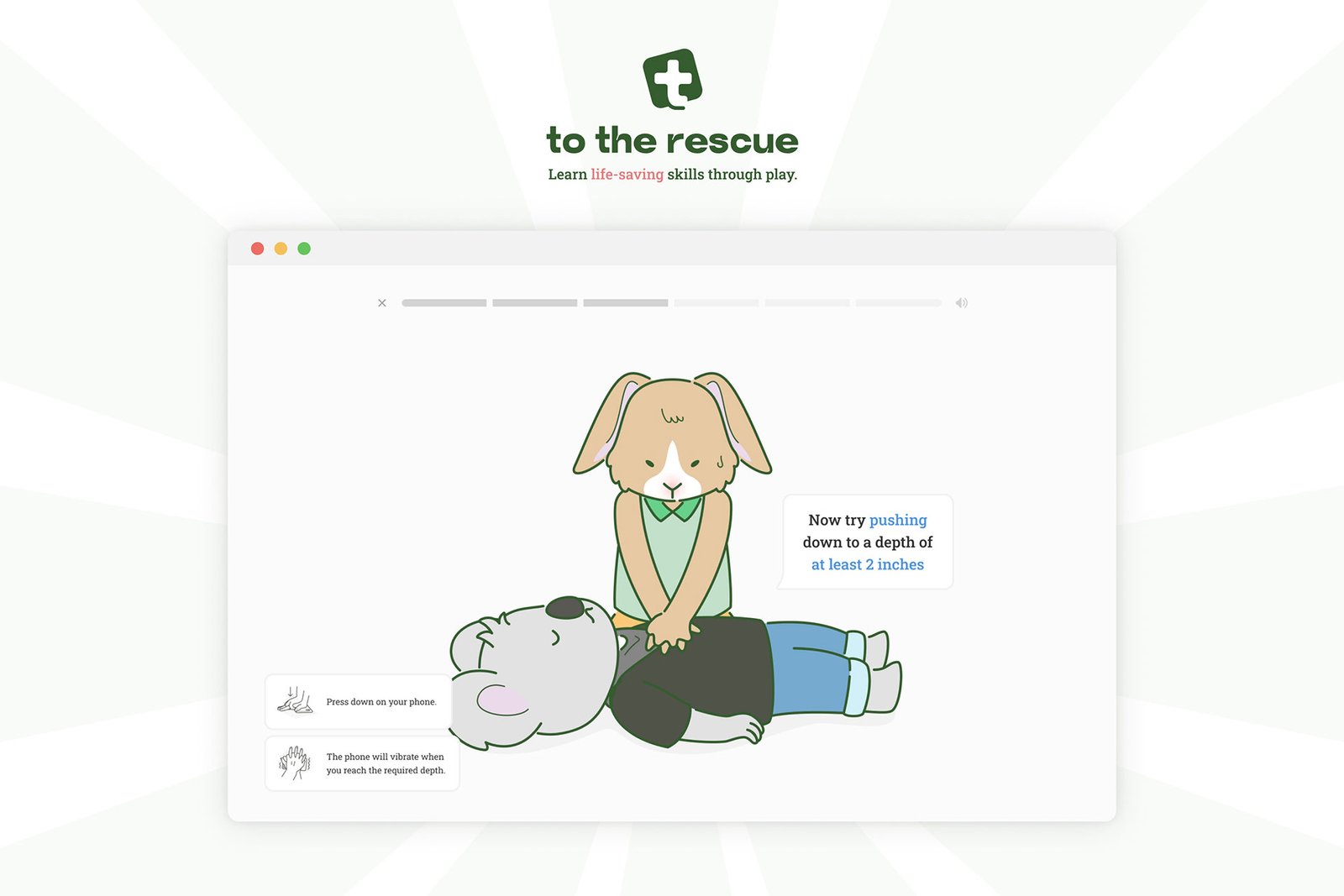
To the rescue is an interactive course that teaches fundamental first-aid skills through fun, gamified...
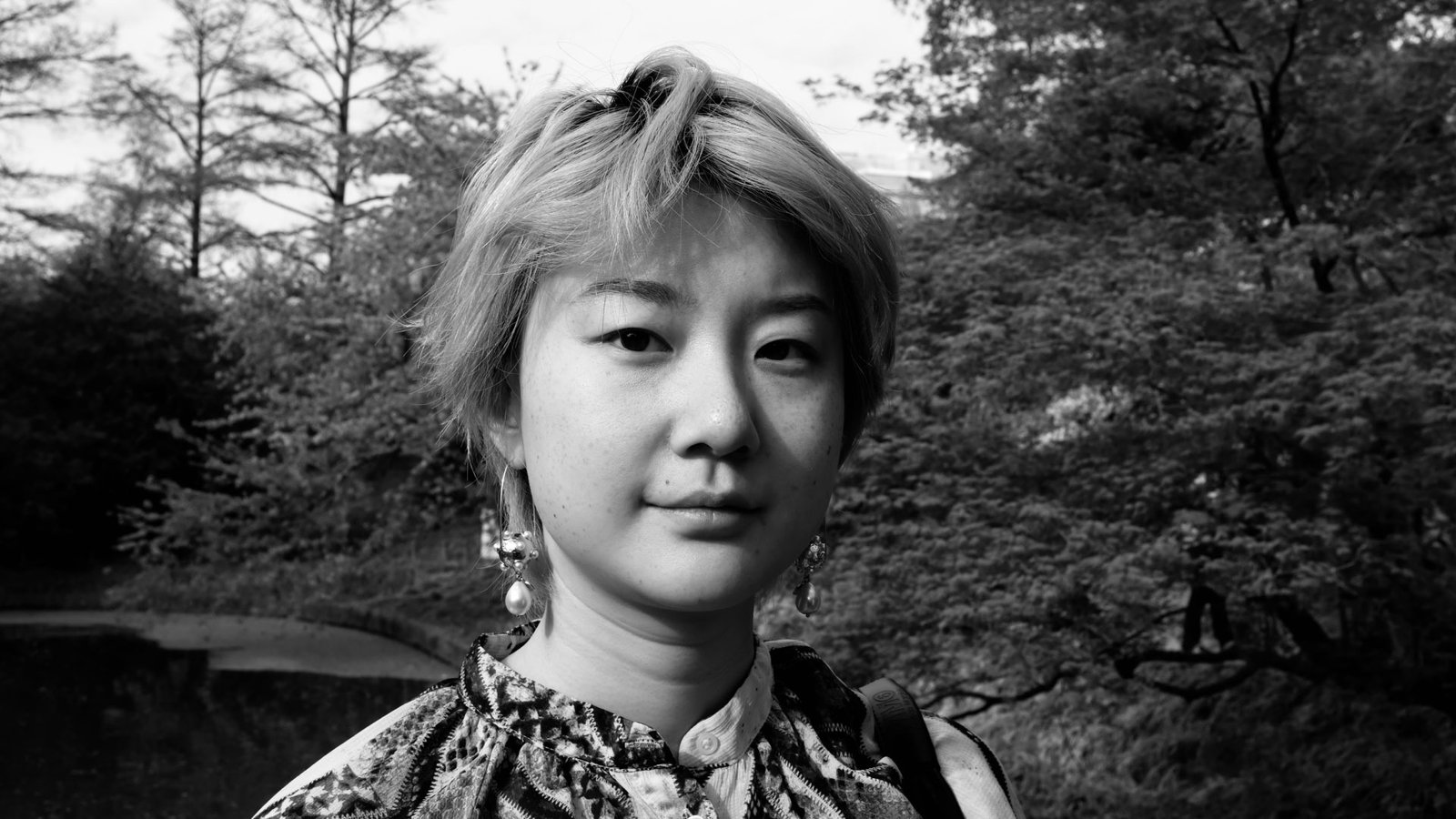
Hello, I’m Bowen Shen. I design, doodle, and code. Currently, I work as a Product Designer at an online banking product company in New York City.
My creative journey spans multiple disciplines and countries, having lived in China, Australia, and now the United States. Along the way, I've explored various roles—artist, illustrator, graphic designer, and creative developer—before finding my niche as a Product Designer.
It honestly didn’t feel like a deliberate choice for me. When I was in kindergarten, I would draw, and the grown-ups would praise me, making me believe this is where my talent lies. I just kept following that path and have rarely doubted that my future profession would involve being creative.
In graduate school, I majored in "Interaction Design," which focuses on creating intuitive digital experiences. Currently, I apply these skills in a very practical way by designing interfaces for mobile apps and websites.
There's a lot of behind-the-scenes work beyond the visual aspects. Designers like me need to understand user needs, business goals, engineering limitations, and the product's historical performance, etc. We translate all these requirements and constraints into the final user experience through numerous iterations.
Design means being creative while also being open to feedback and collaboration. Unlike independent art, which can be more self-focused and capricious, design serves a practical purpose that often impacts a large audience. It's an art to find the balance between creativity and functionality, ensuring that the end result meets both individual and collective needs.
I value originality. Through my work experience, I've come to recognise that in a highly competitive market, there is often pressure to emulate others rather than create groundbreaking designs. Even though design is more rational compared to art, it still requires moments of epiphany to develop clever and unique ideas.
A good design starts with a good intention and gets delivered in a way that either delights people or is intentionally unnoticeable and effortless. Most importantly, it helps fulfill the purpose it was set out to achieve.
In the summer of 2020, I was randomly browsing online and came across an article about using AEDs in public places during emergencies.
I thought to myself, "This is something I should know! I've never seriously learned any type of first aid before." So I started reading, but I gave up halfway because it was too much reading and quite boring. I knew I would forget what I read in two days.
I felt guilty for not finishing it because first aid is a life-saving skill. I thought, "What if I encounter a situation that requires this knowledge tomorrow? I would regret not learning it now." But the fact remained that learning first aid was boring to me.
This led me to think that many others probably feel the same way. Is there a way to make first aid more accessible and engaging for beginners? That's what inspired me to pursue the project further.
I found inspiration from two main sources: first-aid resources and interactive educational tools.
For first-aid resources, I explored training programs, knowledge bases, awareness campaigns, real-time support systems, and physical products. This gave me a comprehensive understanding of what's typically covered in first-aid education and what's lacking. I also drew inspiration from existing design concepts focused on first aid.
I then looked at educational games and gamified learning tools, like Duolingo, Dumb Ways to Die, and even Plague Inc., because I wanted my design concept to be engaging and fun.
Absolutely. I’m originally from China, and the Chinese internet is largely separate from the West, creating a unique ecosystem where distinctive UX and UI patterns have emerged. These patterns are shaped by the specific behaviors and preferences of Chinese users. While some designs are tailored to the Chinese market, others have the potential to work globally.
This cultural and digital separation offers a rich source of inspiration for me. It encourages me to think about universal user patterns and reflect on region-specific user behaviors, integrating the best of both worlds into my design process.
Thank you! It’s a great honour to receive the award. I believe it’s a testament to the quality and originality of my work.
To the Rescue is an interactive course that teaches fundamental first-aid skills through fun, gamified lessons. The learners can learn how to perform first aid in different emergency scenarios through various types of interactive lessons and even do hands-on practices at home. Rewards and achievements keep the learners motivated and also encourage them to access more advanced training resources.
To the Rescue helps raise awareness about first aid, spread the knowledge, and will ultimately save more lives.
I faced a few significant challenges during the design process. Firstly, I was an absolute beginner in first aid knowledge and knew that understanding the topic well was crucial for designing effectively. To overcome this, I researched how to get a First Aid Certification and completed the course.
Additionally, since I didn't receive my basic education in the US and first aid knowledge wasn't widely taught when I was in school, I was uncertain about what is considered common knowledge here and what needs to be taught. To address this, I interviewed many people not only from the States but also from other countries to understand what first aid skills are taught in schools globally.
It boosts my reputation, credibility and visibility, which is helpful for me to build on my career and personal brand.
1. Designers are generally fun and creative people to be around with.
2. Visualising ideas always excites people.
3. It keeps on evolving.
Illustration has been my passion and strength, and I enjoyed this project since it allowed me to create unique illustrations that align with my concept. It’s a part of my design that I’m especially proud of.
AI is an unavoidable trend in the design industry. Over the next 5-10 years, we'll continue to see the emergence of new AI-driven design features and tools that seem almost magical. There might be moments when we question our own relevance, worrying that our jobs could become too easy to replace. However, the profession will evolve alongside AI capabilities, and we will ultimately learn to integrate and collaborate with AI technologies, enhancing our creative processes and outcomes.
Find your strength, your style, your passion, and your brand as a designer.
I recommend staying updated with the latest news and trends through blogs and websites like Smashing Magazine, Medium, and TechCrunch. Conference talks are also excellent for learning about the newest methodologies and industry thinking. For more personalised advice, seek mentorship and make connections on platforms like ADPList and online design communities. These resources will help you stay informed and continuously improve your skills.
I've been fortunate to be surrounded by a group of kind and supportive coworkers who continuously inspire me. Their professionalism and creativity motivate me to improve and innovate in my own work. The exchange of ideas with them fuels my creative process and helps me grow both personally and professionally.
Reflect on what kind of designer you want to become and find role models that inspire you. Keep a growth mindset.
Read about the interview with Tseng Min-Kang & Hsu Kuei-Wen | Experienced Designers from CHI-R Interior Design here.