ZipZap: From Prompts to Sliders
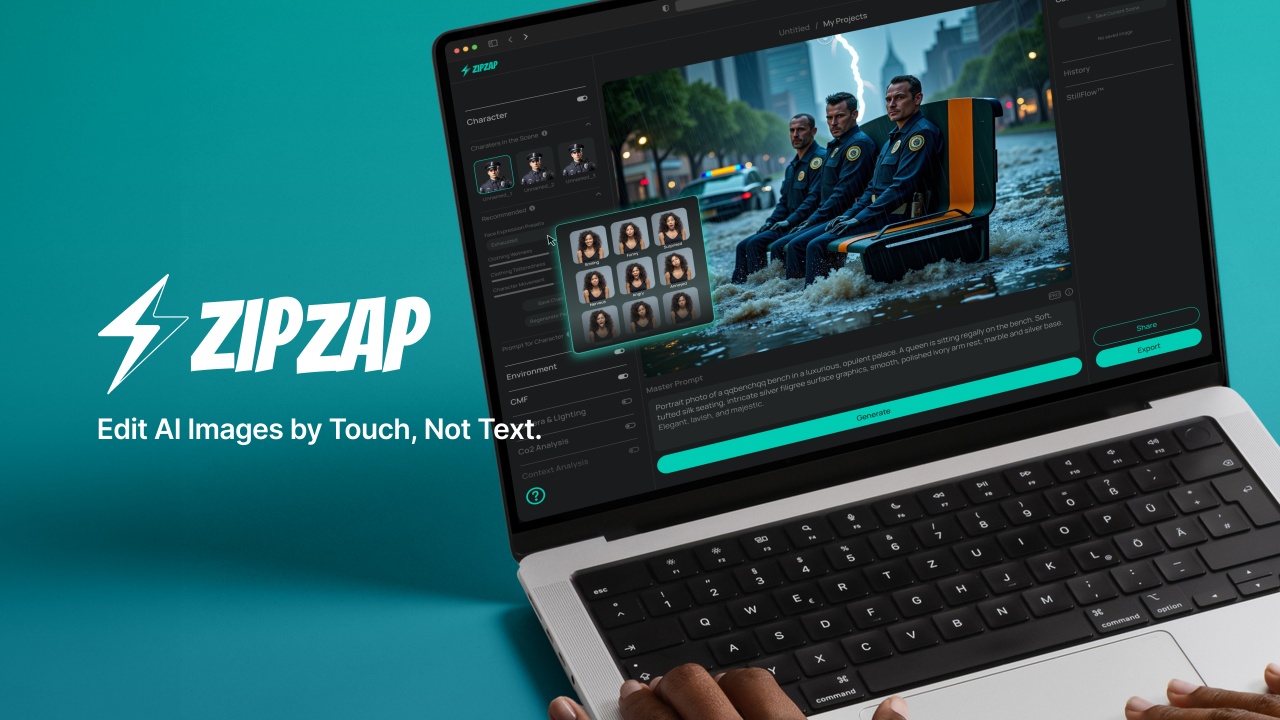
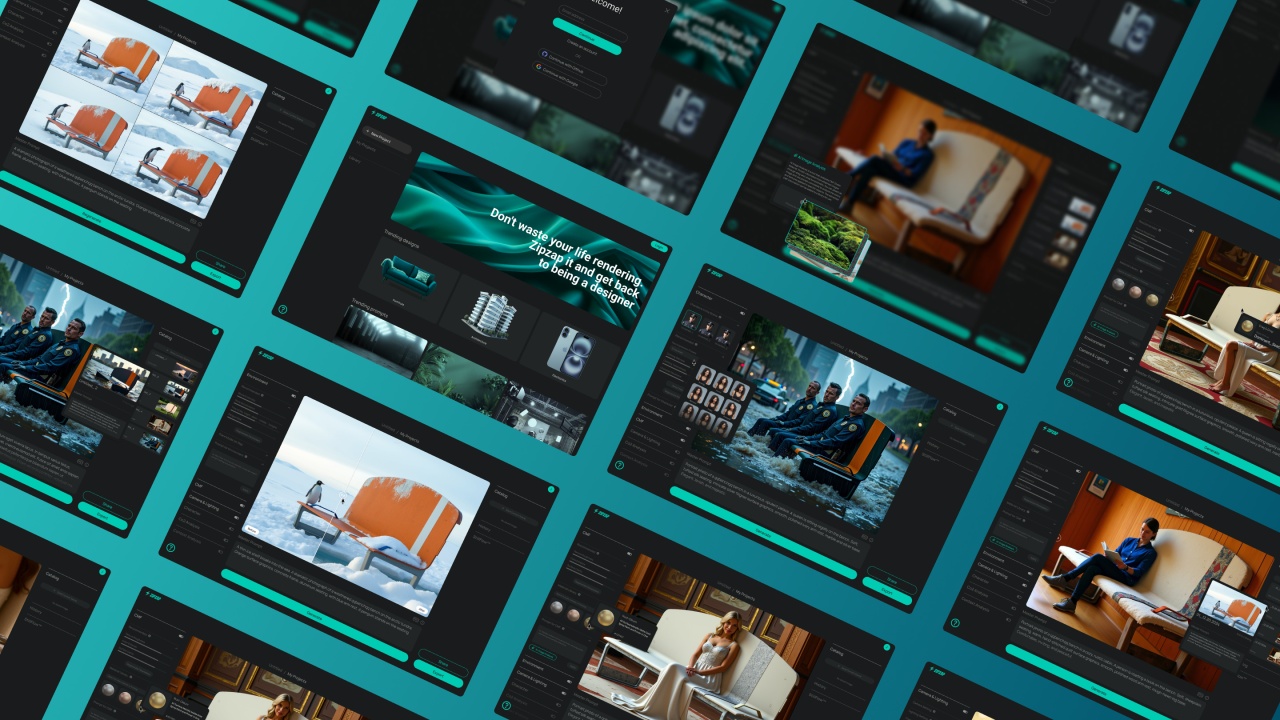
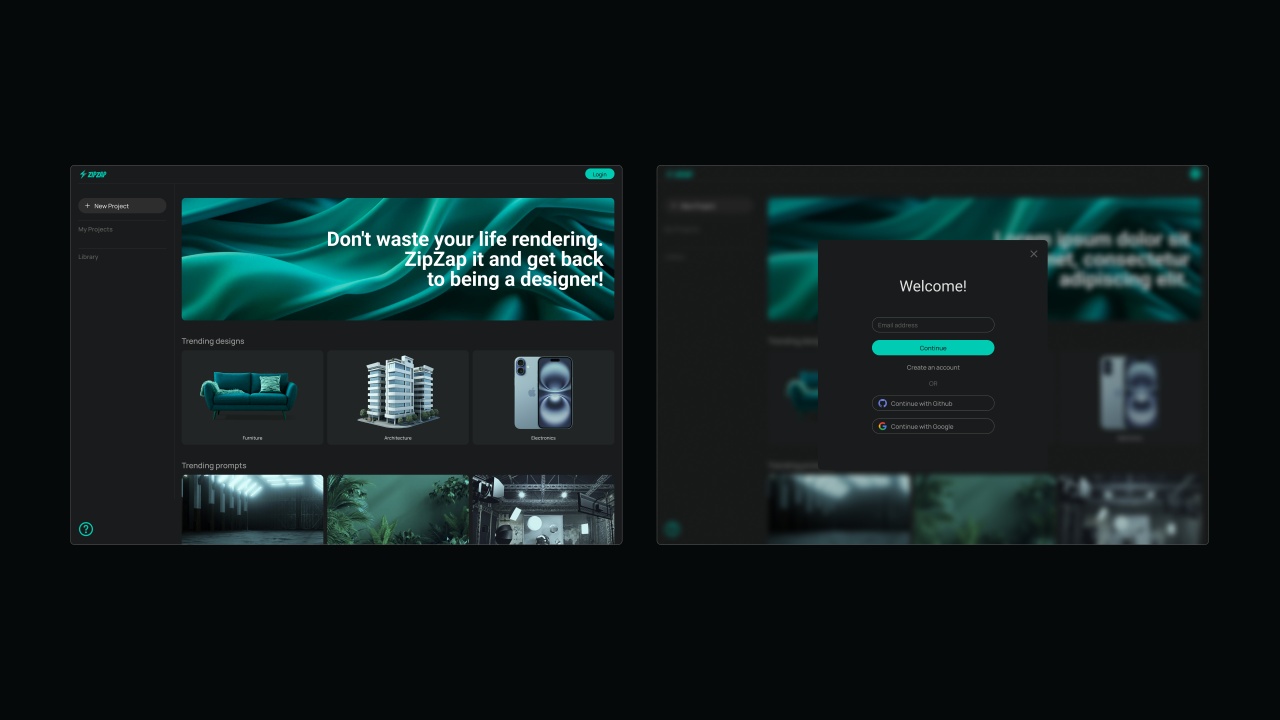
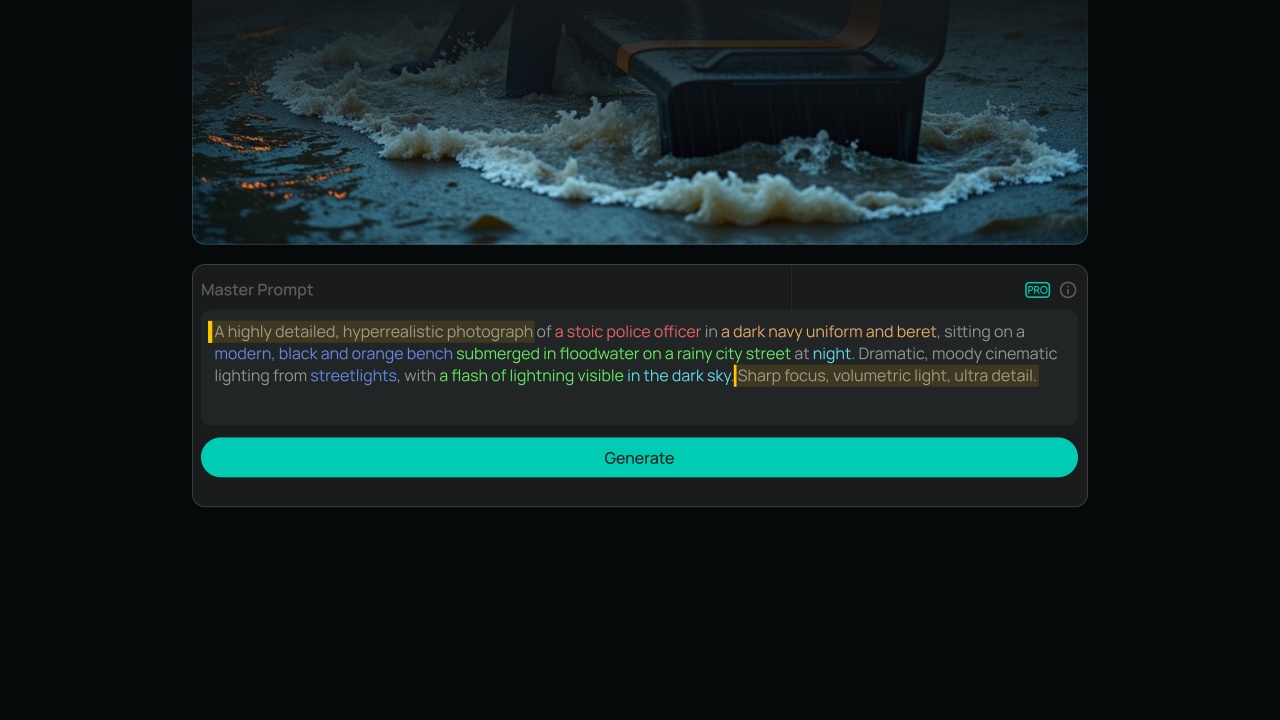
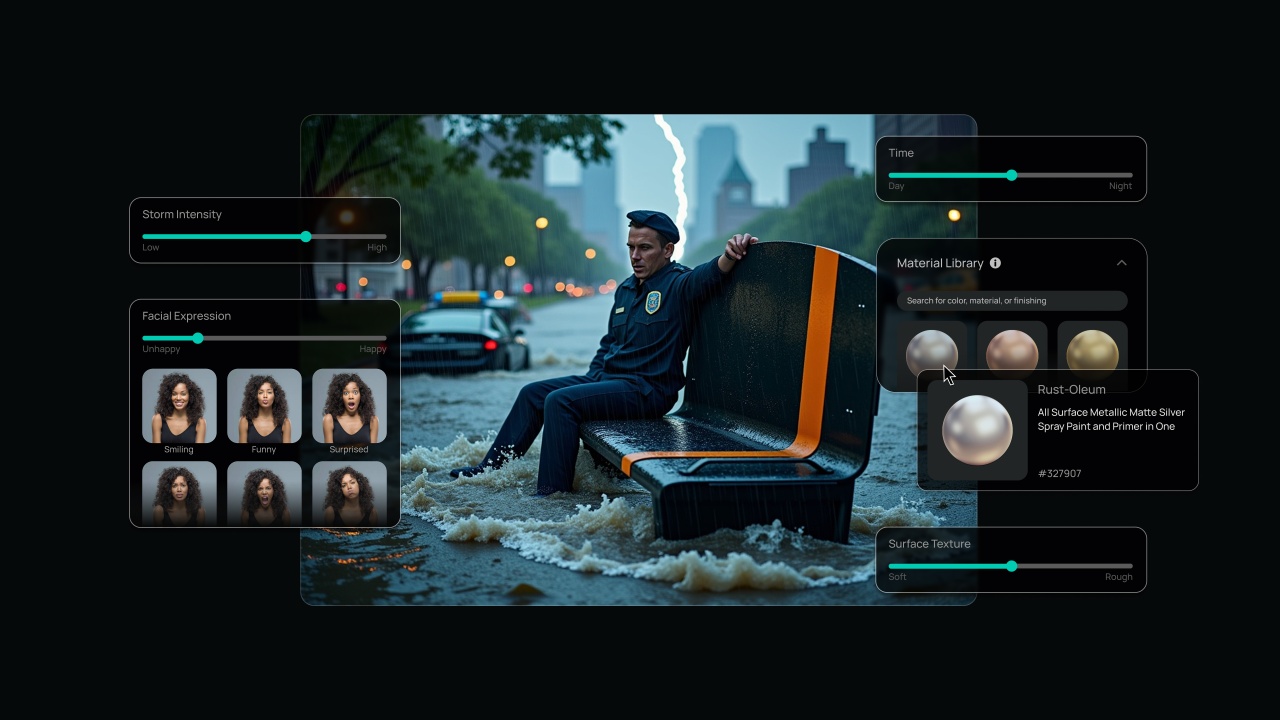
ZipZap is a tech startup developing an AI image generation platform that transforms image editing...
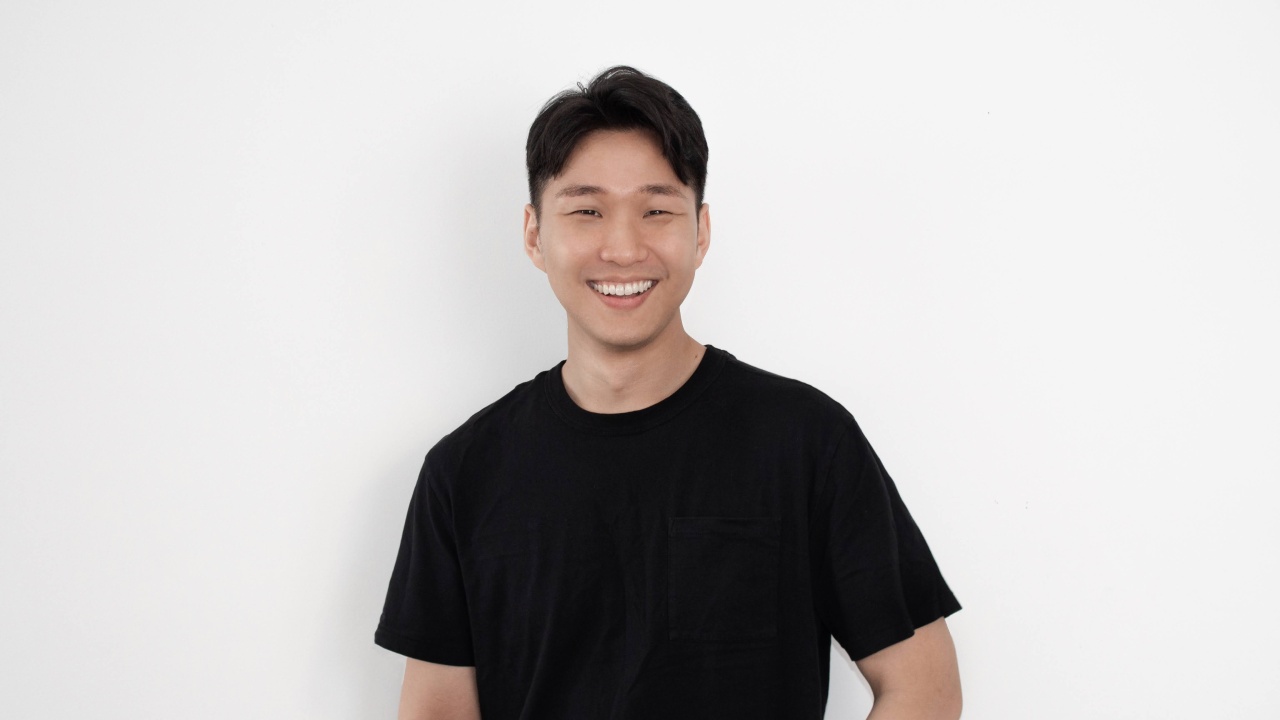
Jaehyeok Lee is a multidisciplinary designer in New York whose work spans product, brand, and digital platforms with a systems-driven mindset. Drawing from a background in material design and user experience, he focuses on shaping everyday interactions into meaningful and accessible experiences.
I am a New York–based designer working across product, brand, and digital experiences, with a focus on building cohesive systems. My work has been recognised by international awards such as the London Design Awards and the IDSA, and includes a range of projects for global consumer brands.
My interest in design developed from a curiosity about how objects, interfaces, and visual systems influence human behaviour. With a background that combines material-based design and user experience, I have developed an approach focused on translating complex problems into intuitive and meaningful experiences. In particular, the process of creating products, systems, and experiences that people directly engage with in their everyday lives has been my primary motivation.
Being recognised by the London Design Awards is meaningful to me as it affirms that my work meets a high standard of impact and execution on an international level. It also reflects that my approach is relevant and competitive within the current design industry landscape. Beyond the recognition itself, it reinforces a sense of responsibility to continue developing work that contributes positively to both the industry and user experiences.
This recognition has strengthened the credibility of my work, validating that my approach is relevant on a global scale. It has also had a positive impact on collaborations with clients and partners, opening up opportunities to engage in projects with a broader scope and influence. Additionally, it has positioned me to take on more strategic roles within my work.
Experimentation plays a central role in my creative process. I use iterative exploration to test new forms and interactions, focusing on translating these explorations into effective user experiences. For example, in one project, I explored ways to integrate a physical product with a digital interface, developing a system that simplifies complex functionalities into more intuitive interactions. This approach goes beyond visual outcomes, contributing to meaningful improvements in user experience.
One of the most unusual sources of inspiration for me has been observing how infants experience and make sense of the world. Rather than relying on prior knowledge or complex structures, they interact with their environment through intuition and immediate perception. Drawing from this, I translated complex ideas into more intuitive interfaces, focusing on creating experiences that users can understand and engage with naturally, without the need for extensive learning.
Many people perceive design as a process focused on final outcomes, but in reality, defining and structuring the problem is often more critical. Strong results come not only from visual execution, but from how clearly complex challenges are understood and resolved. Design is less about creating form and more about designing the underlying structure behind it.
I don’t see client expectations and my ideas as opposing forces, but as different perspectives toward a shared goal. By clearly defining the core problem and objectives of a project, I use strategic reasoning to guide decisions and propose directions. My role is not just to respond to requests, but to design more effective solutions based on those insights.
One of the main challenges was translating complex functionality into an intuitive user experience without losing its depth. To address this, I drew inspiration from interaction patterns in other product categories, then developed and tested multiple prototypes. Through this process, I identified and implemented the most effective elements, allowing the system to retain its complexity while remaining intuitive and accessible to users.
When I encounter a creative block, I avoid forcing a solution and instead step back to reframe the problem from a different perspective. I often look to entirely different fields or contexts to expand my thinking, which helps uncover new approaches. This shift in perspective often leads to clearer and more effective solutions.
My work is driven by a value of translating complexity into clarity, making ideas accessible and easy to understand. Drawing from diverse experiences, I prioritise a user-centred perspective in how I approach and structure problems. This approach forms the foundation for balancing functionality with meaningful user experience.
Rather than focusing solely on outcomes, I believe it is important to invest more time in how you define and structure problems. Clear thinking and a logical approach ultimately lead to stronger results. Additionally, maintaining a mindset of continuous learning and expanding your perspective is essential in a rapidly evolving environment.
I would choose to collaborate with Dieter Rams. His work goes beyond minimalism, emphasising clarity in function and structure. I am particularly interested in exploring how these principles, originally rooted in physical product design, can be translated into digital design. His approach to refining complexity into essential forms closely aligns with my own philosophy, and I believe such a collaboration would lead to a meaningful exchange of perspectives.
I wish more people would ask, “What impact does this design actually create?”
I see design not just as a final output, but as a tool that can influence both user experience and the broader industry. My work focuses on restructuring complexity into intuitive systems, enabling clearer understanding and more effective interactions for users.
Click here to read Insights by Jian Liang on the Future of Mobility Architecture, a New York-based architectural designer with a specialised focus on transportation and aviation architecture.