Pieces of Me
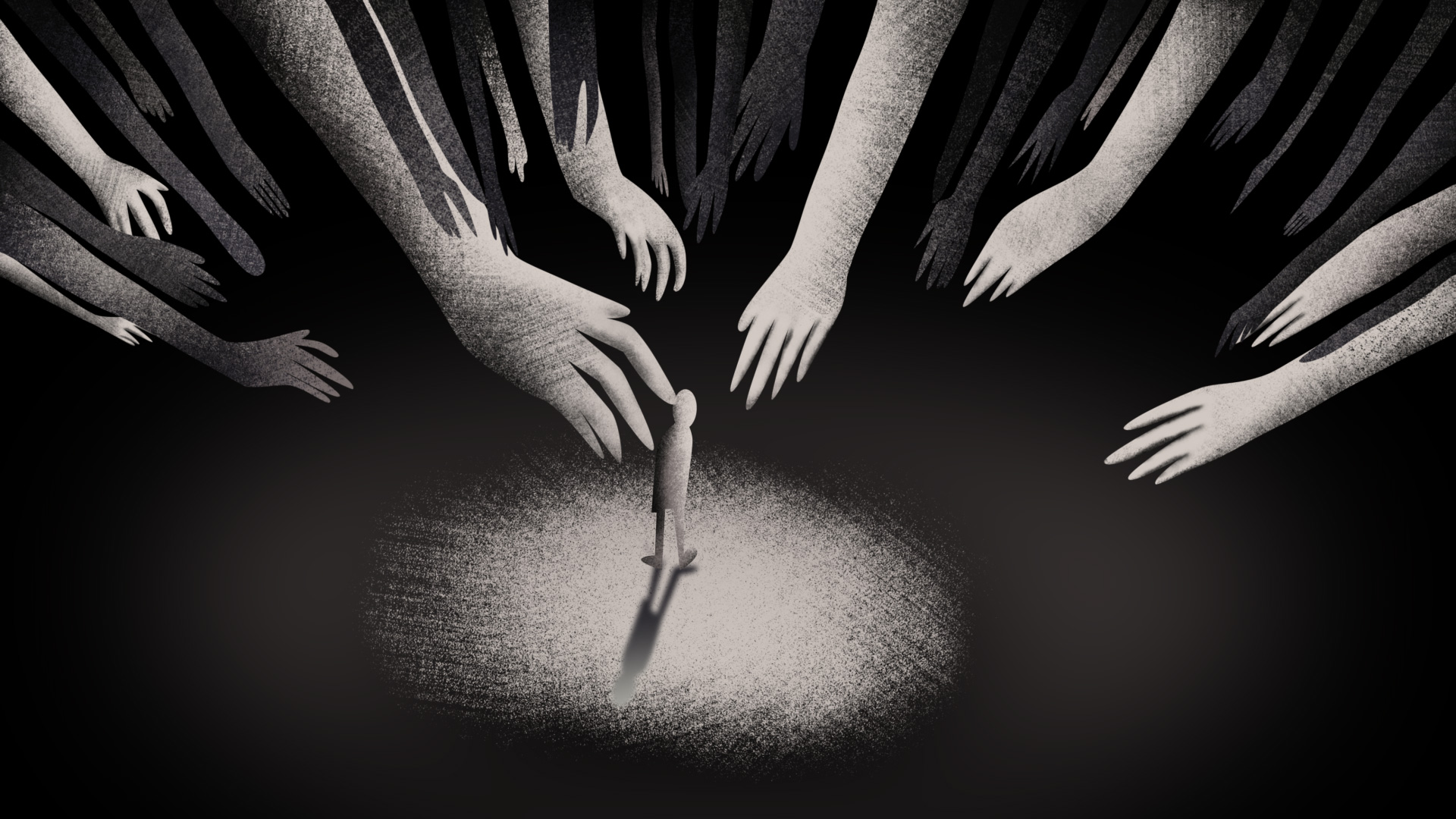
My project, "Pieces of Me", is a self-reflection of my emotional journey from self-doubt to...

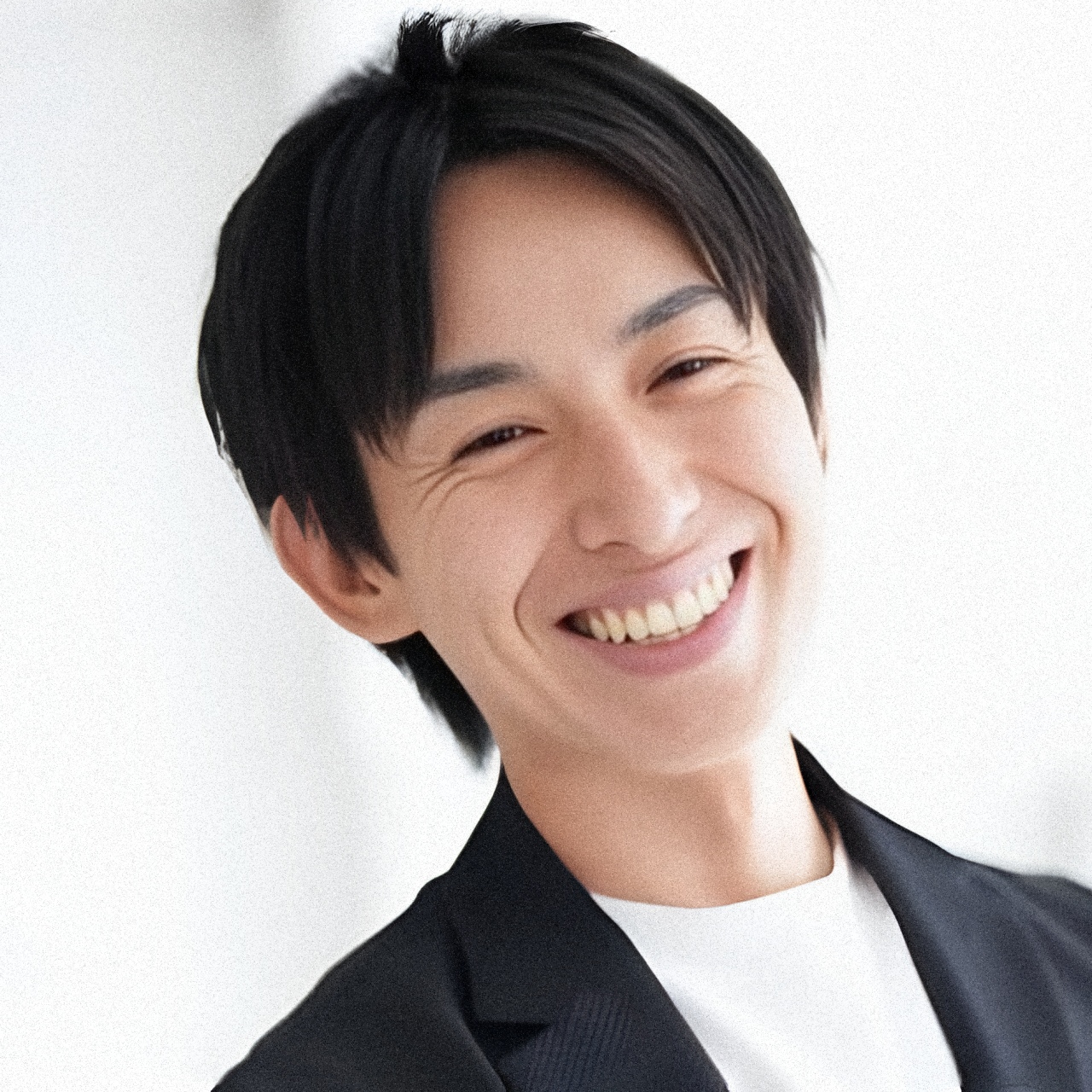
Tzuyu Tang is a motion designer specializing in branding and illustrative animation, whose unconventional path began in medical school before she pivoted to design. Drawing from her disciplined background, she transforms keen observation into expressive, precision-driven animation.
I am a motion designer specializing in branding and illustrative animation, currently based in New York City. I help brands discover their visual voice through dynamic storytelling, driven by a deep passion for kinetic typography and vibrant gradients.
My path into the creative industry was somewhat unconventional. In college, I initially started out as a medical student. While the rigors of science were challenging, I found myself increasingly drawn to the visual world. Over time, that curiosity evolved into a deep-seated passion for design and art, leading me to pivot away from nutrition to follow that creative spark.
Transitioning from the structured environment of medical school to the fluid world of motion design has allowed me to bring a unique, disciplined perspective to my work. Today, I bring my observations to life through animation—proving that it’s never too late to redefine your professional path and follow a creative spark.
I was inspired to submit my work to the MUSE Creative Awards because it is a global platform that honors excellence and innovation in design. As a motion designer, I am constantly pushing the boundaries of how animation can shape visual narratives. I wanted to see how my unique perspective—shaped by an unconventional background in medical school—would resonate among the world’s top creative talent.
Professionally, receiving this recognition is a significant milestone. It serves as a powerful validation of my expertise within the international design community. Being featured in such a high-caliber platform not only strengthens my professional standing but also demonstrates the impact my work has within the industry.
Personally, this win is a testament to the journey of following one’s creative intuition. Transitioning from a scientific field into a creative one required a leap of faith; seeing my work recognized at this level reinforces that embracing a unique path can lead to meaningful and extraordinary outcomes.
My journey into motion design began from a place of deep observation. While I started my academic career in medical school, I found myself increasingly captivated by the visual systems that surround us. I realized that the same precision and detail-oriented focus required in science could be channeled into art and motion. This pivot wasn’t just a change in career; it was a decision to bring what I observe in the world to life through animation.
What inspires my current body of work is the challenge of translating complex ideas into a visual language that feels both human and high-energy. My approach centers on balancing strategic movement with bold aesthetics, with a strong focus on creating an emotional connection with the audience.
In today’s fast-paced digital landscape, I believe my work reflects a shift toward purposeful motion. It’s no longer enough for animation to simply look “cool”—it needs to have a voice. By combining my unique background with a passion for bold, graphic storytelling, I bridge the gap between technical execution and artistic intuition.
Winning at this level represents a new standard in the industry—one that values multidisciplinary perspectives. It reinforces that coming from a non-traditional background can reveal solutions others might overlook, resulting in work that is both strategically sound and visually compelling.
I believe it was my commitment to a tactile, hand-drawn aesthetic that set the work apart from the digital perfection often seen in modern motion design. By moving away from standard assets and creating my own textures in Photoshop, I achieved a raw, visceral quality that mirrored the film’s deeply personal exploration of self-doubt.
The strategic use of composition and high-contrast black-and-white visuals served as a metaphor for internal struggle, allowing the eventual introduction of vibrant gradients to carry greater narrative weight. This transition—where color emerges as a manifestation of hope—elevated the project from a technical exercise into a powerful piece of chromatic storytelling, demonstrating that a disciplined, artistic approach to movement can resonate far more deeply than pure visual spectacle.
The most significant challenge I faced with Pieces of Me was translating each line of a deeply internal script into a cohesive visual sequence. Designing individual frames that captured the emotional weight of the poetry while maintaining a fluid, logical progression felt nearly impossible—until I developed a central character to serve as the narrative anchor.
By grounding the abstract world in a single figure who moves through each scene, I established a consistent visual “pulse” that unified the fragmented narrative. This shift not only simplified transitions but also allowed the character’s movement to act as the thread that ties the film together—demonstrating that even the most complex, abstract themes can be made accessible through thoughtful, strategic design.
Winning represents a pivotal moment in my career, providing a global stage for my approach to motion design. I hope this recognition serves as a bridge—allowing my work, and the color-driven storytelling I’m passionate about, to reach a wider international audience of creative leaders.
In the long term, I believe this award will provide the momentum to lead more ambitious, high-impact campaigns, demonstrating that a non-traditional background combined with bold vision can set a new standard for excellence in global branding.
The most meaningful reaction has come from my inner circle of industry mentors and creative peers. Their feedback has centered on the successful execution of my chromatic storytelling—particularly how the transition from monochrome to vibrant gradients effectively conveys a complex emotional arc.
Having respected professionals in the design community recognize the technical precision of my hand-drawn textures has been incredibly validating. For me, their support reinforces that even as an independent creator, a project driven by genuine passion can command the same level of respect and authority as work produced by a major agency.
This recognition from my peers, coupled with the MUSE Creative Awards, affirms that my unique perspective is resonating within the broader creative community.
To those aspiring to achieve similar success, my greatest advice is to cultivate a deep dedication to your craft and a meticulous eye for detail. My transition from medical school to motion design taught me that excellence is found in the smallest details—whether it’s the grain of a hand-drawn texture or the precise timing of a typographic transition. In a competitive industry, you need the passion to push a project beyond “good enough” until every frame serves a clear narrative purpose.
Don’t be afraid to draw from non-traditional experiences; that unique perspective often allows you to see what others might miss. By combining a disciplined, analytical mindset with a bold creative vision, you can transform a personal project into an award-worthy piece that resonates on a global scale.
I view the rapid evolution of the creative industry—particularly the rise of AI—not as a threat of replacement, but as a powerful expansion of our toolkit. In my view, AI is not yet able to replicate the emotional depth, intentionality, and narrative nuance that a motion designer brings to a project.
I position myself as a multidisciplinary creator who bridges traditional drawing techniques—such as the hand-sketched textures I developed for Pieces of Me—with the latest digital innovations.
By integrating these emerging tools as supportive assets rather than crutches, I’m able to stay ahead of industry trends while preserving the human touch that makes branding resonate. My goal is to continue evolving as a designer who masters both, using that synergy to create more visually distinct and high-impact work on a global scale.
My simplest advice is this: don’t overthink it—just submit. It’s easy to get caught in a cycle of perfectionism, especially when you’re just starting out, but the true value of competitions like the MUSE Creative Awards lies in the growth that comes from sharing your work.
Every project, no matter how small or personal, reflects your unique perspective and creative instinct. By putting your work on a global stage, you’re not just chasing a trophy—you’re building the confidence to own your narrative as a designer. My own journey from medical school to motion design was built on these leaps of faith.
The moment you stop worrying about whether you have enough experience is the moment you open the door to international recognition and the opportunity to define a new standard in the industry.
My message is simple: connect with as many people in the industry as possible. Creativity thrives on the exchange of ideas and the shared passion of our peers. When you engage with the community, you’re not just networking—you’re learning from diverse perspectives and technical approaches. In an industry as fast-moving as motion design, these connections often spark innovation.
Who knows where a simple conversation might lead—an unexpected collaboration, a creative breakthrough, or a career-defining opportunity. By staying open to these connections, we collectively push the boundaries of visual storytelling and contribute to a more vibrant, inspired global industry.
Since Pieces of Me was an entirely independent project, I dedicate this achievement to myself. It reflects my drive to create something unique and meaningful, and my commitment to bringing this vision to life from the ground up. Transitioning from a different background into motion design required a level of self-reliance and passion that I am incredibly proud of.
I’m grateful to myself for having the courage to follow that intuition, and for the thousands of hours of dedication it took to master the hand-drawn textures and technical animation behind this piece. This win marks a deeply personal milestone.
A high-fashion fever dream where medical precision meets a neon soul—Pieces of Me is a surreal journey of gathering your own fragments and painting them in bold, hopeful gradients.
While I am currently in the conceptual phase of my next major work, I am exploring the possibility of a sequel to Pieces of Me—one that delves deeper into the intersection of surrealism and emotional resilience.
My goal is to build on the technical lessons I’ve learned—such as integrating hand-drawn textures and kinetic typography—and scale them into a more ambitious visual narrative. Whether through a second installment or new projects, I remain committed to pushing the boundaries of what motion design can communicate.
I aim to continue proving that a non-traditional background, combined with bold passion, can shape a distinct and necessary voice in today’s design landscape.