JAZZ & TEA – A Cultural Experience Design Translating Music
JAZZ & TEA is a cultural design project originating from Kurashiki, a historic Japanese city...
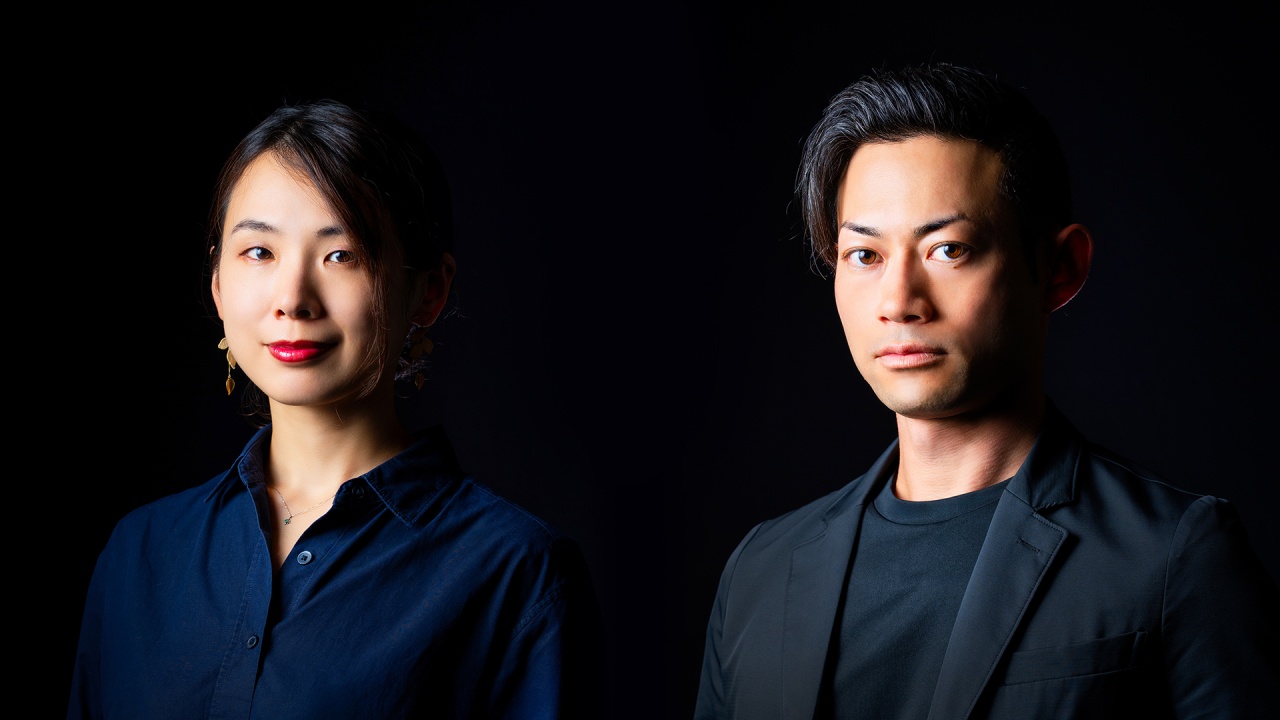
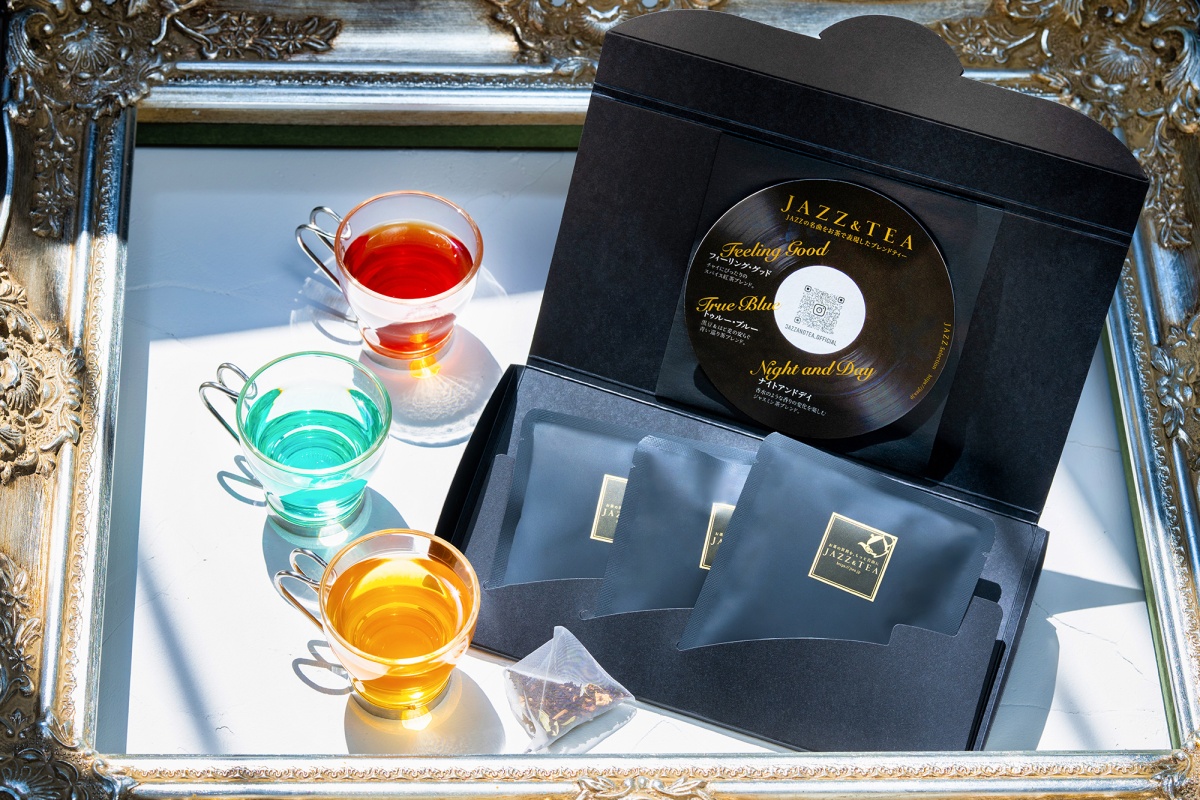
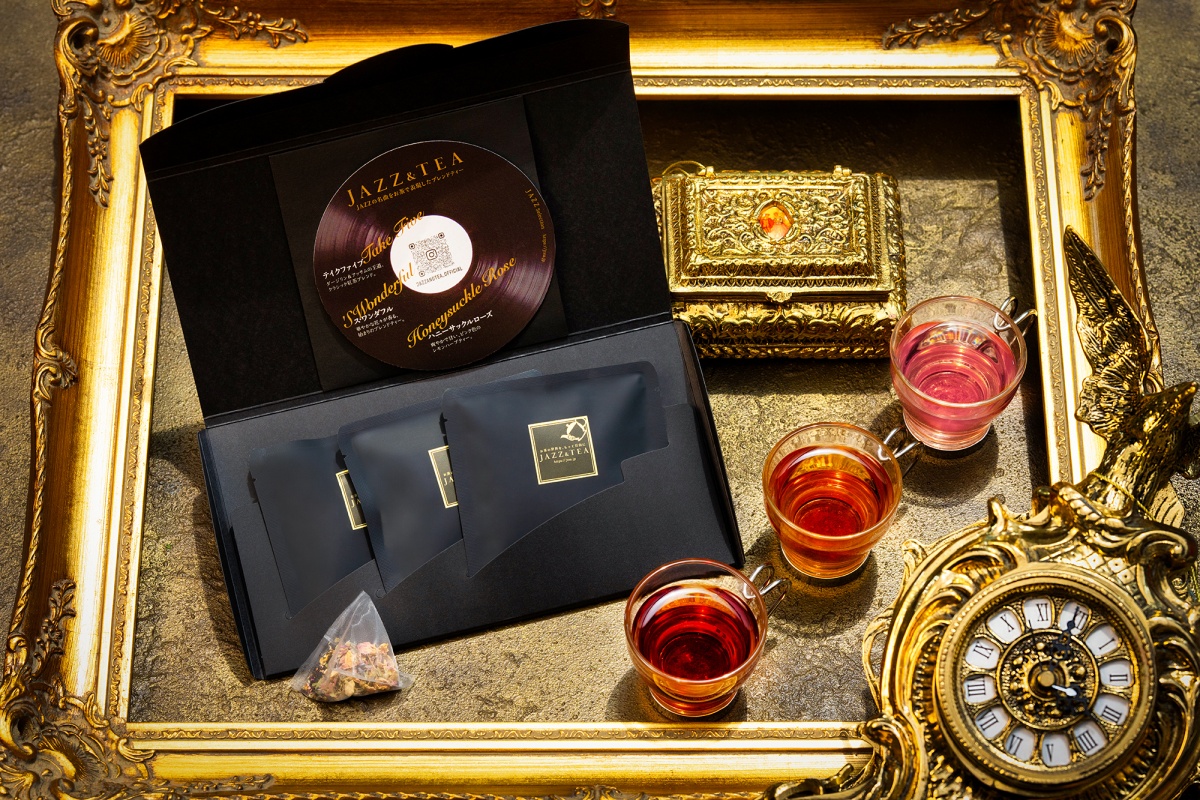
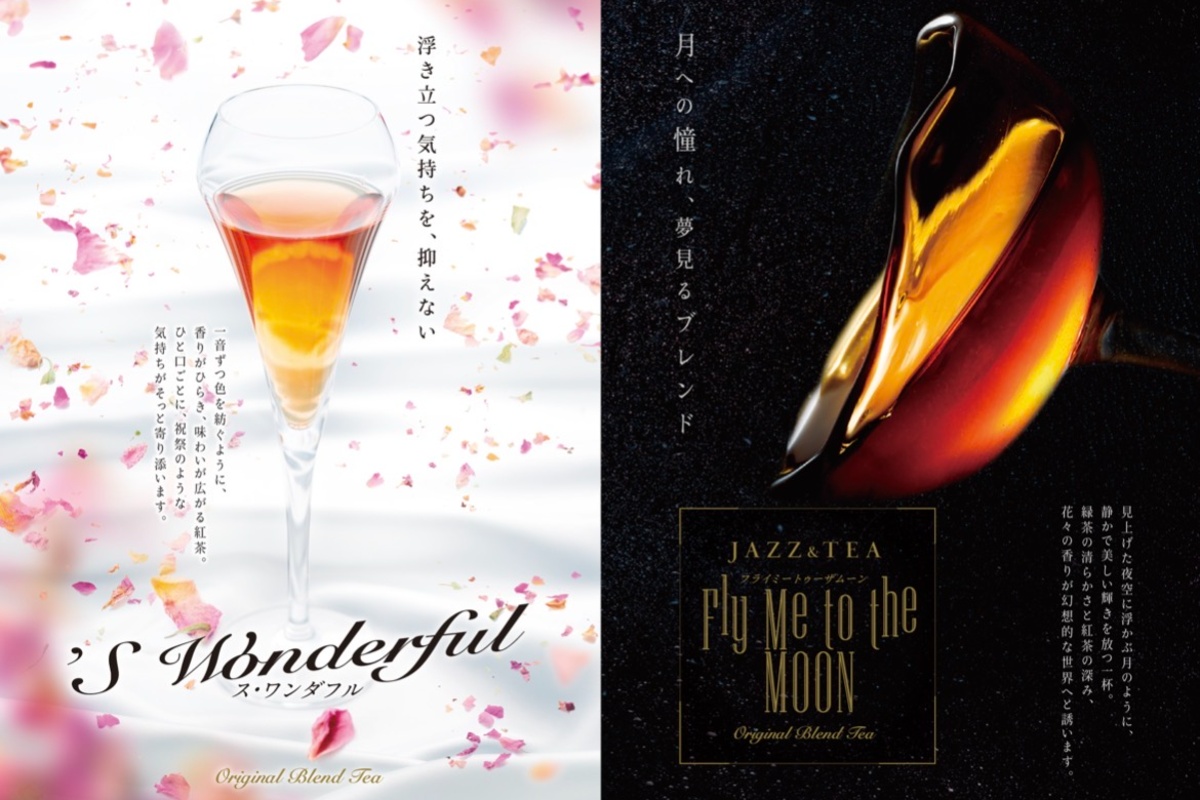
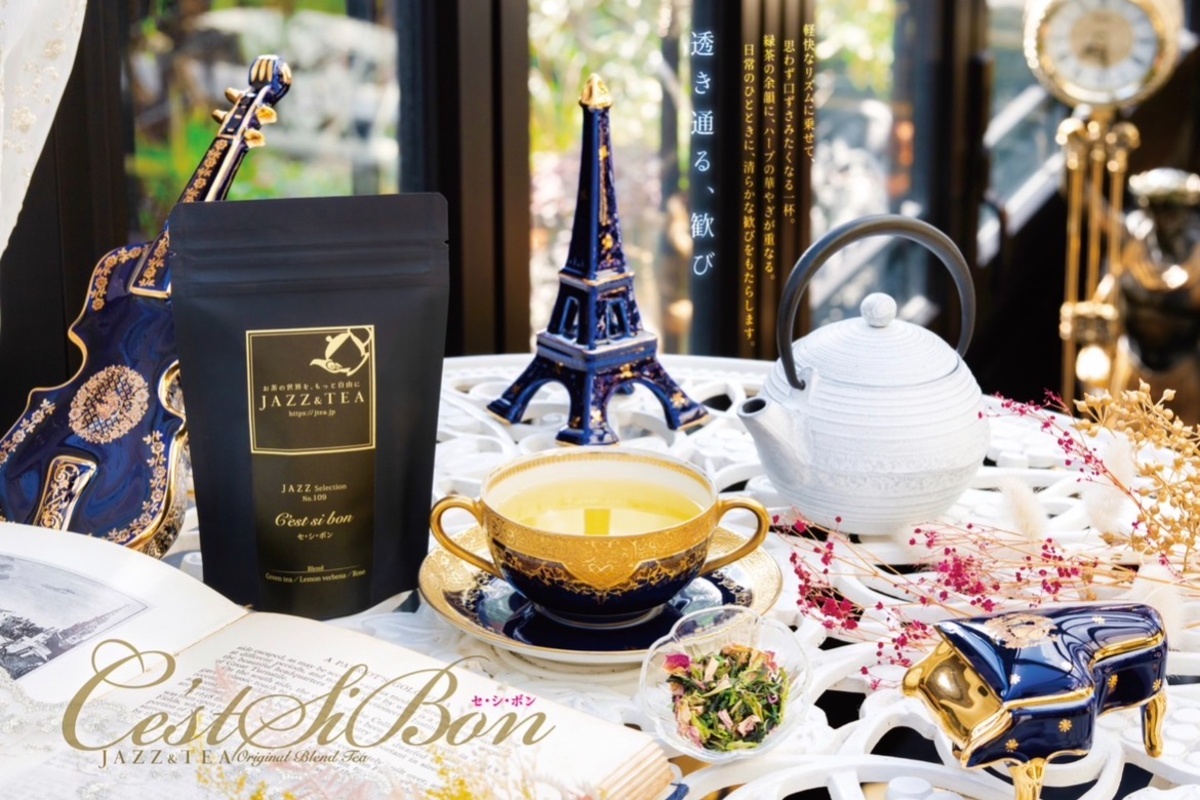
Through JAZZ & TEA, Misuzu and Kouji Miyazono transform tea into a multisensory language that connects music, memory, and emotion. Combining tea composition, photography, and visual design, they create cultural experiences that invite people to engage with storytelling through the senses.
Misuzu Miyazono: My name is Misuzu Miyazono, founder and Tea Composer of JAZZ & TEA, a cultural design project based in Kurashiki, Japan. I have always been fascinated by tea—not simply as a beverage, but as a medium capable of evoking memory, emotion, and story.
The origin of JAZZ & TEA came from a simple question my husband asked while we were preparing for our wedding: “Can music be translated into taste?” That question stayed with us. Having studied Japanese tea culture through Chanoyu (the Japanese tea ceremony) and Senchado, I began exploring tea not only as a cultural practice but also as a language of expression. What if aroma, colour, texture, and aftertaste could communicate emotion in the same way music does? This idea eventually evolved into JAZZ & TEA.
Today, together with my husband, Kouji Miyazono, who is responsible for photography and visual design, we explore how tea, music, colour, and storytelling can be woven together into a single cultural experience.
Our goal is not simply to create tea, but to reimagine tea as a cultural medium—one that connects music, memory, emotion, and human experience through the senses.
Misuzu Miyazono: This award is meaningful because it recognises tea not only as a product, but as a medium for cultural expression. We submitted a project that does not fit neatly into conventional categories. It exists in the space between disciplines.
For us, the award validates an idea we have believed in from the beginning: that tea can be more than something we consume. It can become a language for communicating memory, emotion, and culture. Being recognised by an international design award reminded us that cultural experiences are not accidental—they, too, can be intentionally designed.
Misuzu Miyazono: This recognition has strengthened our confidence as a small creative team based in Kurashiki, Japan. While JAZZ & TEA began as an independent tea project, it has gradually evolved into a collaborative cultural design practice, combining tea composition, visual storytelling, photography, and brand design.
More importantly, the award has encouraged us to think beyond tea itself. It has opened conversations with people who see tea not simply as a beverage, but as a cultural experience. For us, this recognition is a reminder that even a small project from a regional city in Japan can participate in a global cultural dialogue.
Misuzu Miyazono: Every blend begins with experimentation. We don’t start with the ingredients. We begin with a piece of music. We analyse the atmosphere, rhythm, silence, tension, and emotional shifts of that music.
Then we explore whether we can express those elements through scent, colour, texture, and aftertaste. Experimentation is essential because there is no established method for translating music into tea. Many attempts fail, but each experiment helps us better understand how emotions can be communicated through the senses.
In that sense, experimentation is not a stage of the process—it is the process itself.
Misuzu Miyazono: Silence. Many people assume our inspiration comes from music itself. However, some of our most important ideas come from the silence between notes. In tea, the equivalent is not flavour but aftertaste. The moment that remains after the experience has ended.
Kouji Miyazono: Design is not born from inspiration alone. Finished work may appear effortless, but behind every project lies an accumulation of observation, dialogue, experimentation, and refinement.
My process always begins with understanding. If I am designing for a company, I explore its history, philosophy, and purpose. If I am working with a person, I seek to understand their values and worldview. If it is a product, I look beyond its function and investigate the story behind its existence.
From these observations, I gather small clues and gradually connect them into a single concept. I also believe that AI is an extraordinary tool, and I actively use it in my own practice. However, technology cannot replace the human ability to ask meaningful questions, discover hidden value, and create new meaning.
In the years ahead, the most important skill will not be the ability to compete with AI, but the imagination to discover new possibilities alongside it.
Kouji Miyazono: I don’t see design as a choice between expressing my own ideas and satisfying someone else’s expectations. I believe the role of a designer is to uncover the value that already exists and give it the clearest possible form.
Clients often come with requests framed as solutions. However, behind those requests are deeper intentions, concerns, and hopes that may not yet be fully articulated. My responsibility is not simply to agree or disagree. It is to listen carefully, understand what truly matters, and translate that essence into an experience or form that neither of us could have arrived at alone.
There are times when I challenge assumptions—including my own. But those conversations are not acts of resistance; they are acts of collaboration. The best projects emerge not from compromise, but from shared understanding. When trust is built through dialogue, originality is no longer something to defend. It becomes something we discover together.
Misuzu Miyazono: The biggest challenge was balancing imagination with reality. Music cannot be tasted. Emotions cannot be measured. Yet tea demands tangible decisions—ingredients, proportions, colour, aroma, and lingering aftertaste. Translating the invisible into something people could physically experience required years of experimentation.
At the same time, I was navigating the early years of motherhood. Much of this work was done in the small spaces between everyday responsibilities: during nap times, late at night, and in moments of quiet that I had to intentionally create.
Looking back, motherhood itself taught me something essential about design. Both require patience, attentiveness, and trust in processes that cannot be rushed. Rather than seeing these responsibilities as separate, I came to understand that they shaped the way I create. JAZZ & TEA was born not despite the realities of life, but through them.
Kouji Miyazono: The first thing I do is rest. Just as it is difficult to enjoy a meal when you are already full, it is difficult to welcome new perspectives when you are exhausted. Creativity requires not only focus but also mental space.
If I still cannot find an answer, I begin to question the concept itself rather than the method of expression. In many cases, the problem is not the design, but the assumptions behind it or the way the question has been framed.
I am not afraid of taking detours. Looking toward completely different disciplines or perspectives often leads to unexpected discoveries. JAZZ & TEA itself was born by connecting two fields that rarely intersect: tea and music.
To me, creativity is not about creating something from nothing. It is about discovering unseen values and relationships, giving them new meaning, and transforming them into future experiences. That is why, whenever I feel stuck, I try to expand my perspective and search for new connections rather than forcing an immediate solution.
Kouji Miyazono: One idea that has consistently guided my work is the belief that design is a process of reinterpreting essence. Design is not simply about making something look beautiful. It is about discovering the value that already exists within a person, a product, or an idea, and reconstructing it in a way that communicates most clearly and meaningfully.
Through years of working in graphic design, I have learned that the strongest work is built upon two foundations: a clear concept and an artistic perspective capable of moving people emotionally. JAZZ & TEA embodies that belief.
As my wife explored tea blending, we became fascinated by the idea that entirely new value can emerge through unexpected combinations. This led us to a simple but transformative question:
“What if taste and sound could be blended together?”
That question eventually became JAZZ & TEA. Music cannot be consumed, and tea cannot be heard. Yet both have the power to evoke memories, emotions, and imagery. My work is driven by a desire to connect seemingly unrelated worlds and create experiences that did not previously exist. Through a conceptual approach to design, I hope to continue creating work that surprises people, enriches their lives, and expands the way they experience the world.
Kouji Miyazono: Before refining your design, refine your question. Many people focus on how to create something. I believe the more important question is why it should be created in the first place. Great design does not emerge from beautiful answers. It emerges from meaningful questions.
I would also encourage young designers to spend less time chasing trends and more time observing. When you truly understand the essence of a person, a company, a product, or a culture, the appropriate form of expression often reveals itself naturally.
I see design not as decoration, but as translation. The role of a designer is to understand value more deeply than anyone else and communicate it to society in the most meaningful way possible.
Misuzu Miyazono: To be honest, I find it difficult to imagine collaborating with anyone other than my husband, Kouji Miyazono. JAZZ & TEA began with a conversation between us, and every project we create continues to grow through that dialogue.
As a photographer and visual designer, he has a unique ability to understand the world I am trying to express—sometimes even before I can fully articulate it myself.
What makes our collaboration special is not simply that we work together, but that we share the same question:
“How can invisible emotions be translated into a sensory experience?”
JAZZ & TEA exists because of the space between my ideas and his visual interpretation. If I had the opportunity to collaborate with anyone, I would still choose him, because he continues to help transform my thoughts into something more beautiful than I could create alone.
In many ways, JAZZ & TEA itself is the result of that ongoing conversation — one that continues to shape every blend, every image, and every experience we create.
Question: Is JAZZ & TEA really about tea?
Answer: No. Tea is simply the medium. What we are really designing is a way for people to experience emotion, memory, and culture through the senses. Tea happens to be the language we use.
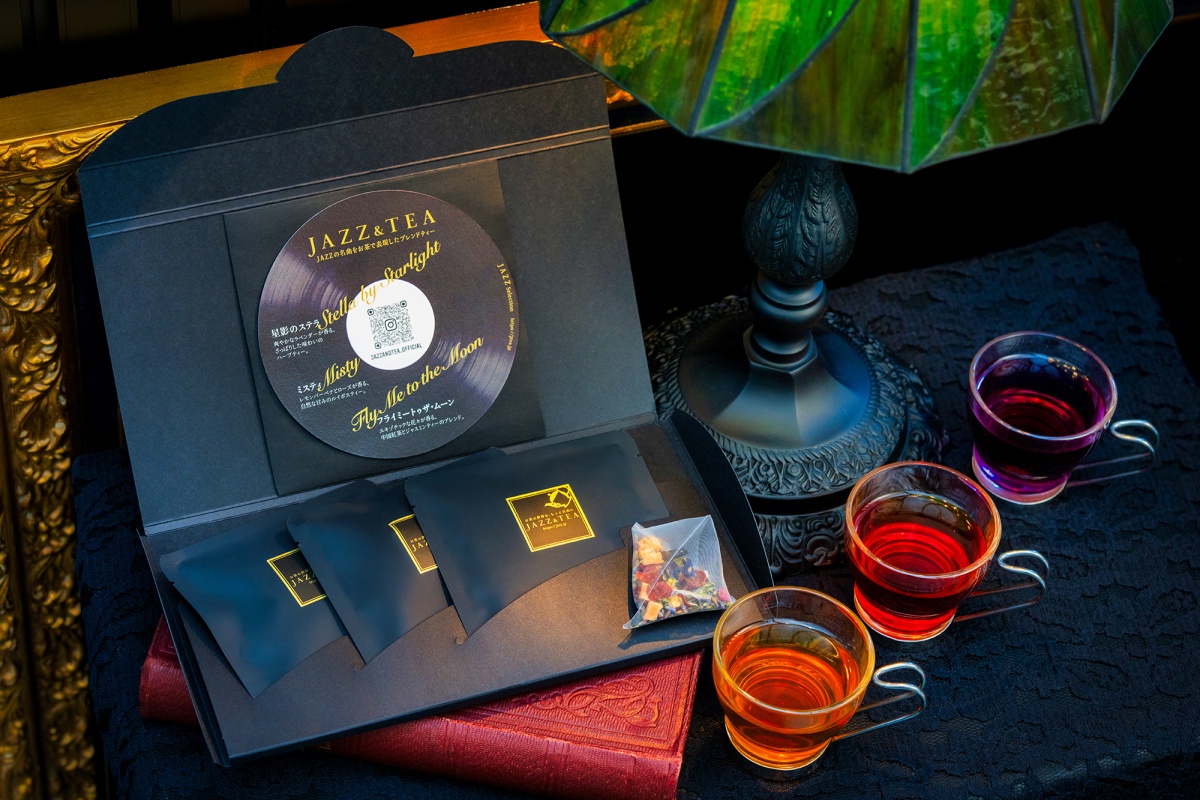
Check out the interview where Architect Gokhan Avcioglu Shares Four Decades of Architecture and Cultural Vision, securing him award-winning titles in the London Design Awards.