
Creative vs Effectiveness Awards | Key Differences Explained
SEPTEMBER 21, 2026

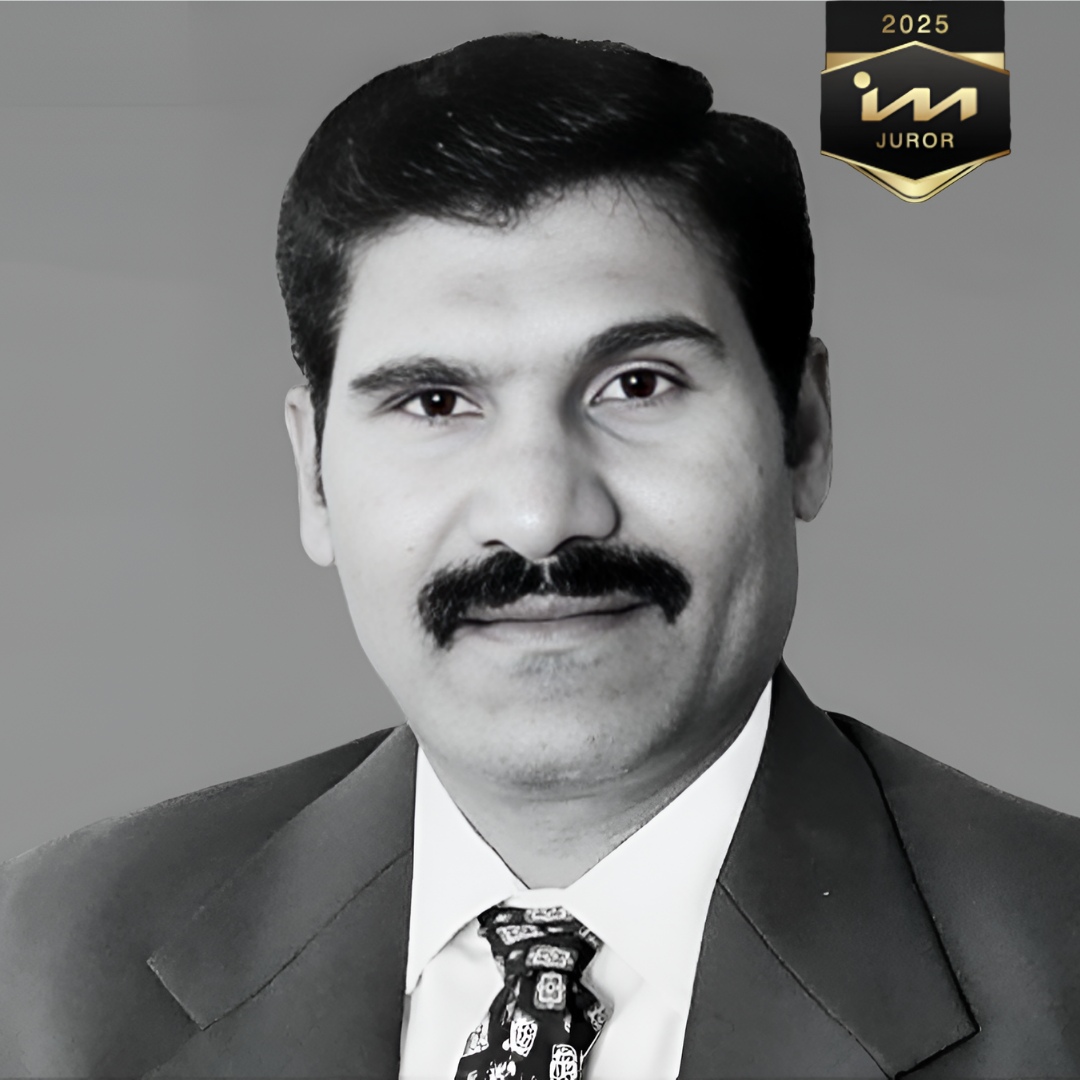
Raju Dandigam is an Engineering Manager with over 12 years of experience leading technology teams, delivering innovative software solutions, and driving business growth through strategic engineering initiatives. Combining deep technical expertise with leadership experience, he brings valuable insight to the jury panel, evaluating entries for their innovation, scalability, business impact, and practical application.
My background is in building and scaling technology products that directly support business growth, customer experience, and operational efficiency. Over the past 15+ years, I have worked across enterprise software, travel technology, e-commerce, customer portals, mobile platforms, AI-powered product experiences, automation, and developer tooling.
That experience helps me evaluate nominations with both a technical and business lens. I look beyond the idea itself and try to understand execution, measurable impact, scalability, customer value, and whether the achievement reflects strong leadership and long-term thinking.
I was motivated by the opportunity to contribute to a platform that recognizes meaningful leadership and business achievement across industries.
As someone who has spent much of my career building products, leading engineering initiatives, mentoring others, and reviewing technical work, I value the discipline involved in evaluating excellence fairly. Being part of the jury panel is also a way to learn from strong organizations and leaders. Every nomination offers a window into how different teams solve problems, create value, and build lasting impact.
The most rewarding part is seeing the depth of work behind business success. Strong nominations are rarely just about one result or one campaign. They usually show vision, persistence, teamwork, execution, and the ability to create value for customers, employees, industries, or communities.
As a judge, I enjoy recognizing achievements that may have taken years to build. It is meaningful to know that thoughtful evaluation can help highlight leaders and organizations whose work deserves broader visibility.
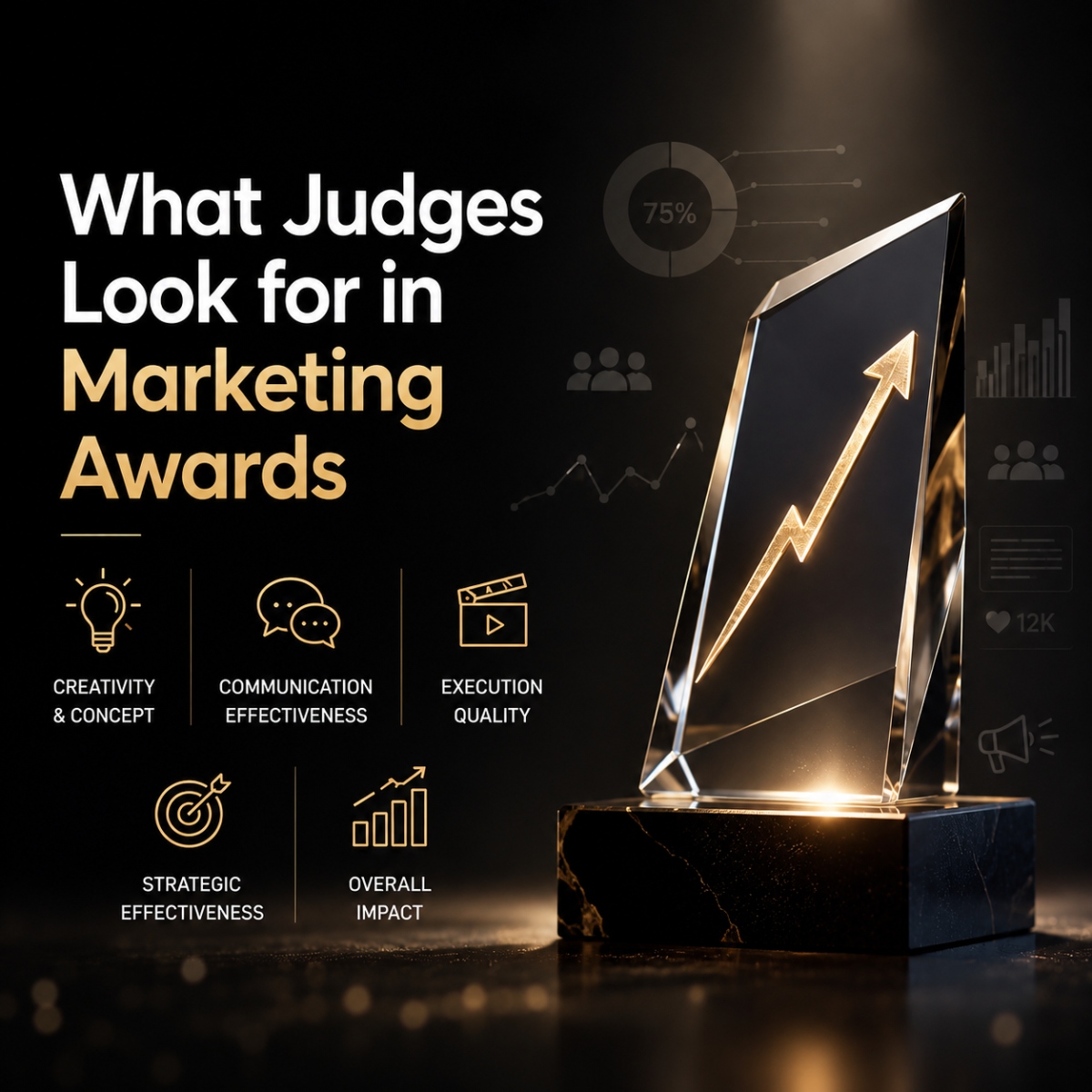
For me, the most important factors are clarity of achievement, measurable impact, leadership, innovation, execution quality, and long-term value. A strong submission should clearly explain the problem or opportunity, what was done, why it mattered, and what changed because of the work. I also pay close attention to evidence. Strong storytelling is helpful, but the best nominations combine narrative with concrete outcomes, customer or market relevance, operational results, and a clear connection between strategy and execution.
I evaluate success by looking at both outcomes and durability. Revenue growth, market expansion, customer adoption, efficiency improvements, and brand recognition are important, but I also look for whether the business has built something sustainable and meaningful.
Impact can show up in many ways: better customer experiences, stronger teams, improved operations, responsible innovation, industry influence, or community contribution. The strongest nominees usually demonstrate not only what they achieved, but why that achievement matters beyond their own organization.
One challenge is evaluating nominations from different industries, company sizes, and business contexts. A startup, a mature enterprise, and a nonprofit may define success very differently. To overcome that, I try to focus on the quality of achievement relative to the nominee’s goals, constraints, and category.
Another challenge is separating presentation from substance. A polished submission is helpful, but I always return to the evidence: What was the challenge? What was the action? What changed? Is the impact clear and credible?
I stay updated through a mix of hands-on industry work, technical writing, conference speaking, peer review, mentoring, and continuous learning. My current work sits at the intersection of AI systems, enterprise software, automation, cloud-native development, observability, and product engineering, so I regularly follow how technology is changing business execution.
I also learn from reviewing papers, judging innovation programs, reading industry publications, and engaging with engineering and business communities. This helps me evaluate nominations with awareness of both current trends and practical implementation realities.
I use a structured approach. First, I read each nomination to understand the context and the claimed achievement. Then I review the supporting evidence and make notes against the evaluation criteria. I try not to score too quickly before understanding the full submission.
When reviewing multiple entries, consistency is important. I use the same lens for each nomination: clarity, relevance, execution, impact, evidence, and alignment with the award category. This keeps the process focused and helps avoid being influenced by surface-level differences between submissions.
I focus on the submission itself and evaluate each nominee on the strength of the evidence provided. I avoid making assumptions based on company size, brand recognition, geography, or industry familiarity. A smaller organization with a focused, well-executed achievement can be just as impressive as a larger company with broader resources.
I also try to separate personal preference from award relevance. My role is not to judge whether I personally like a business model or style, but whether the nominee demonstrates excellence, leadership, measurable impact, and alignment with the award criteria.
One strategy I use is to slow down and ask the same core questions for every nomination: What was the challenge? What was the nominee’s role? What was innovative or difficult? What evidence supports the outcome? What lasting value was created?
I also pay attention to areas where I may have more familiarity, especially technology-driven submissions. Familiarity can be helpful, but it should not create an unfair advantage. I try to judge the quality of execution and impact in the nominee’s own context, rather than comparing it to my personal background or industry preferences.
Juror Profile
2025 IAA Juror
Noble Business Awards and TITAN Business Awards
────────────────────────────Read Inside the IAA Jury Room: Judging Photography Through Context and Creativity with Jai Thakur, a renowned photographer from India and jury member of the International Awards Associate (IAA) by checking his interview.